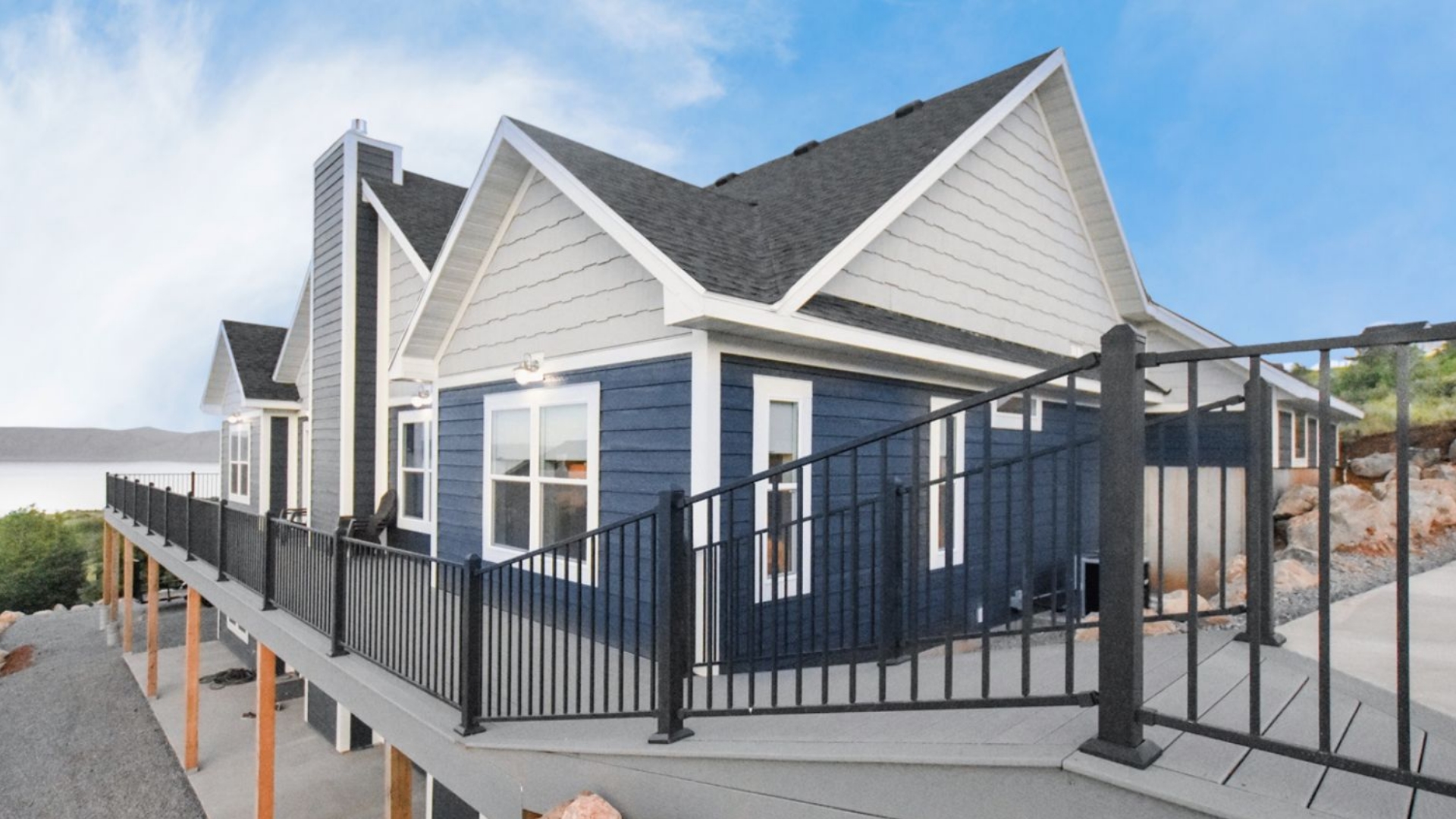
A second home can create a dependable gathering place for children, grandchildren, and friends, but the purchase price is only the beginning. A sound decision starts with understanding what the home would cost your family every month and every year. Including financing, taxes, insurance, maintenance, HOA fees, utilities, and the financial goals you still need to fund.
To answer "can i afford a second home," compare the planned payment and total ownership costs with your income. Existing debts, available down payment, cash reserves, and long-term priorities. If buying an entire property stretches those numbers, fractional co-ownership may offer deeded equity and meaningful use at a lower entry cost.
Lenders can help evaluate income and debt, but they cannot account for every family circumstance. The right framework combines their ratios with an honest look at how often you will use the home. What you can comfortably reserve for ownership, and which financing structure fits your plans. Start by putting those numbers on paper.
How to Know If You Can Afford a Second Home: Start With the Numbers Before comparing properties or picturing family holidays, build an affordability picture that reflects the full cost of ownership. The question is not simply whether a lender will approve another mortgage. It is whether the payment, upfront cash requirement, and ongoing expenses fit comfortably alongside your existing commitments and the financial priorities you do not want to compromise.
Use the vacation home affordability calculator
Start with your monthly income and recurring debts, then calculate your debt-to-income ratio, or DTI. This is the share of gross monthly income committed to debt payments. As a general FHA guideline, the housing ratio is 31% and total DTI is 43%, although lenders may approve higher ratios when compensating factors support the application. These figures are useful benchmarks, not a personal approval promise. HUD explains the 31% and 43% ratios and the circumstances in which they may be exceeded.
For a second home, include the proposed mortgage payment in your calculation rather than treating it as a separate lifestyle expense. Also account for property taxes, homeowners insurance, HOA fees, maintenance, and any private mortgage insurance. The Consumer Financial Protection Bureau notes that these costs belong in the payment you use to judge affordability, not in a separate category you add later. A property that looks manageable based on principal and interest alone may produce a very different monthly total once the complete housing obligation is visible.
Test the payment at more than one interest rate Interest rates can change the answer quickly. The CFPB identifies the rate you receive as one of the most important factors in determining the home price you can afford. Compare the payment at the rate you expect, a moderately higher rate, and a rate after any introductory period if the loan structure includes one. This stress test helps you see whether the purchase remains comfortable if financing conditions are less favorable than anticipated. The CFPB's affordability guidance offers additional context for connecting rates with an affordable price range.
Protect the rest of your financial plan A second home should not require you to pause emergency savings, retirement contributions, college savings, or other essential goals. The CFPB specifically recommends considering these priorities when deciding what housing payment fits your budget. Set a ceiling based on the payment you can sustain in an ordinary month, not the maximum a lender might permit. Then reserve room for irregular costs and the possibility that your usage, income, or family needs may change.
Finally, separate qualification from suitability. A lender measures repayment risk using standardized information, but lenders do not account for every family circumstance or financial responsibility. Your own decision should include the time you expect to use the home. The cash you want to keep available, and how much complexity your family is willing to manage. That broader test gives you a more useful answer than approval alone.
What Are the Down Payment and Financing Requirements for a Second Home? Financing a second home usually requires more cash upfront and a stronger overall financial profile than financing a primary residence. A practical starting point is a down payment of at least 10% of the purchase price. Many lenders prefer 20% or more, which can help you avoid private mortgage insurance and may improve the strength of your application.
That down payment is only one part of the answer to whether you can afford a second home. Lenders also review your income, existing debts, credit history, liquid assets, and the expected payment on the new property. A debt-to-income ratio, or DTI, around 43% or lower is a common qualification benchmark, although requirements vary by lender and loan program. Your own budget should be more complete than the lender's approval calculation. The Consumer Financial Protection Bureau notes that lenders cannot account for every family and financial circumstance, so leave room for emergencies, retirement contributions, education costs, and other priorities.
Which financing options can you use? A conventional second-home mortgage is the most familiar route, but it is not the only option. Depending on your equity and financial position, a home equity line of credit, or HELOC, may provide funds for a down payment or other purchase costs. A HELOC uses equity in an existing property, so it can add another monthly obligation and should be evaluated alongside the proposed second-home payment. Interest rates also matter: even a modest rate change can materially affect the payment and the price range that fits your budget.
Loan availability and terms depend on the property, your intended use, and the lender's requirements. A second home generally must meet occupancy and property standards that differ from those for an investment property. Compare rates, reserve requirements, closing costs, and repayment terms before choosing a structure. This second home financing guide provides a broader overview, while our guide to second home loan options can help you compare possible paths.
How does co-ownership change the calculation? If buying an entire vacation property would require an uncomfortable down payment or leave too little flexibility for other goals. Consider whether you need to finance 100% of the home. Fractional co-ownership lets buyers purchase a deeded share rather than the entire property. Fraxioned shares typically range from 1/8 to 1/13, reducing the initial purchase amount compared with sole ownership while preserving a defined ownership interest and usage rights. You still need to review the applicable financing terms, annual dues, and ownership documents, but the smaller purchase amount can make a multi-generational gathering place more attainable.
What Does a Second Home Really Cost Beyond the Mortgage? A mortgage payment is only the most visible part of owning a second home. To understand the real cost, build a total-ownership budget that includes the expenses required to keep the property insured, maintained, available, and compliant with local rules. The Consumer Financial Protection Bureau recommends accounting for homeowner's insurance, property taxes, HOA fees, maintenance, and other home-related costs alongside principal and interest.
Which ongoing expenses belong in the budget? Start with the costs that arrive on a predictable schedule. Property taxes and insurance may be paid annually or through an escrow account, but they still belong in your monthly planning. HOA dues can cover shared amenities, exterior maintenance, or community services, depending on the property. Utilities, internet, security, landscaping, snow removal, and routine cleaning add another layer, especially when the home sits vacant between visits.
Then plan for costs that are less predictable. Appliances fail. Plumbing needs attention. Furnishings wear out. A vacation home can also require more frequent repairs because it may experience seasonal weather, heavier guest use, or long periods without an owner present. If you expect to rent unused time, include turnover cleaning, property management, repairs between stays, and the possibility of vacancy. Rental income should be treated conservatively as an offset to operating costs, not as guaranteed income.
Taxes deserve a separate review. The treatment of mortgage interest, property taxes, rental activity, and eventual sale proceeds can vary with your circumstances and how the home is used. A qualified tax professional can help you understand the rules that apply to your purchase before you commit.
How does sole ownership compare with a fractional share? For a fully owned vacation property, Fraxioned's planning ranges put ongoing ownership costs at approximately $25,000 to $60,000 per year. Before considering unexpected major repairs or the opportunity cost of capital. That burden exists whether your family uses the home every week or only during a few high-value periods. You are responsible for the full insurance policy, taxes, HOA, utilities, maintenance, management, and vacancy risk.
A fractional share changes the scale of that obligation. Fraxioned share dues typically range from approximately $3,000 to $8,000 per year, depending on the property and ownership structure. Owners purchase a deeded share, commonly between 1/8 and 1/13, rather than taking on the entire property. The costs are shared according to the ownership arrangement, while professional management helps coordinate the home's ongoing care. In the Collective model, unused nights may be rented to help offset annual dues, although that should not replace a conservative personal budget.
The right comparison is not simply mortgage versus mortgage. It is the total annual cost of having the access your family will actually use. For a deeper look at the structure, review the fractional home co-ownership model and compare its recurring obligations with the cost of carrying an entire second home.
How Does Fractional Co-Ownership Lower the Affordability Barrier? If buying an entire vacation home makes the numbers uncomfortable, the choice is not necessarily between sole ownership and giving up on a family gathering place. Fractional co-ownership changes the size of the commitment. Instead of purchasing 100% of a property that may sit unused much of the year, owners purchase a defined share and share the costs of operating the home.
At Fraxioned, available shares generally range from 1/8 to 1/13. That structure can reduce the initial entry cost by approximately 87.5% to 92% compared with buying the full property. Entry can start at about $72,250, while the full property values represented in the program range from approximately $578,000 to $4 million or more. The exact price, share size, usage rights, and availability depend on the property, so review those details before making a decision.
Sole ownership, fractional co-ownership, and timeshare compared Consideration Sole Ownership Fractional Co-Ownership Timeshare Entry cost Requires purchasing the entire property, plus the associated down payment and closing costs. Typically begins around $72,250 for a share, with 1/8 to 1/13 ownership options. Usually requires a smaller initial purchase than a full home, but pricing and future obligations vary by contract. Ownership structure One owner or ownership group controls the entire home. Owners hold a defined, deeded share of a specific property and coordinate use through the ownership program. Provides contracted vacation-use rights, generally without deeded equity in a specific home. Equity Equity is tied to the full property's value and the owner's mortgage balance. Represents true equity ownership in the property, rather than a right to use vacation accommodations. Typically does not provide the same form of deeded real-estate equity as co-ownership. Maintenance The owner carries responsibility for arranging and paying for the home's upkeep. Professional management and shared operating costs reduce the owner's direct maintenance burden. Maintenance obligations are governed by the provider's agreement and recurring fees. Flexibility Maximum control, but the owner must manage scheduling and use the home enough to justify the cost. Owners receive usage rights. In the Collective model, unused nights may be rented to help offset operating costs. Use is limited by the contract, calendar, destination, and provider rules. Total cost Mortgage, taxes, insurance, utilities, maintenance, and other costs can remain with one owner. Full ownership costs may run about $25,000 to $60,000 annually, depending on the home. Annual dues are generally about $3,000 to $8,000 per share, in addition to the share purchase and any financing. Rental proceeds are intended to offset operating costs, not create passive income. Includes the purchase price and recurring fees set by the agreement, with resale and fee terms requiring careful review.
The distinction from a timeshare is important. A timeshare generally sells scheduled use, while fractional co-ownership provides a deeded interest in a particular real-estate asset. That does not eliminate financial responsibility or guarantee appreciation. It does, however, align the ownership model more closely with the goal of having a real place for children, parents, and friends to gather.
Explore fractional home co-ownership and the broader shared ownership model to compare the structure with your budget, expected use, and long-term priorities. For families asking. "Can I afford a second home?" the more useful question may be whether owning a portion of the right home delivers the experiences they actually want without carrying the cost of an entire property.
Can I Afford a Second Home, or Is Shared Ownership the Smarter Choice for Your Family? The right decision is not simply whether you can qualify for another mortgage. It is whether a second home fits comfortably within your broader financial life and delivers enough real use to justify the commitment. A lender may evaluate your income and debts, but that calculation does not capture every family priority or future obligation. The Consumer Financial Protection Bureau recommends considering those priorities alongside the payment itself.
Start with a practical stress test. After accounting for the proposed housing payment, taxes, insurance, HOA fees, maintenance, utilities, travel, and other ownership costs, would you still be able to:
Maintain an appropriate emergency fund? Continue saving for retirement at your intended pace? Fund college savings and other important family goals? Absorb an unexpected repair, assessment, or change in income? If the answer is no, the home may be technically possible but financially uncomfortable. The CFPB specifically cautions buyers not to let homeownership crowd out emergency savings, retirement, college savings, and other priorities. An affordability decision should protect your family's flexibility, not just satisfy a lender's underwriting model.
What do you actually want to own? Many families begin with the idea that a meaningful gathering place requires owning an entire property. That assumption can make the dream look unnecessarily expensive. A better question is: how much of the home, time, and responsibility will your family genuinely use?
If your family wants a dependable place for holidays, reunions, and multi-generational weekends. But will not occupy a luxury home year-round, owning exactly what you use may be more rational than owning it all. Fractional co-ownership can provide a deeded share of a professionally managed property. Giving owners equity and scheduled usage without requiring one family to carry the entire acquisition and operating burden. Fraxioned shares typically range from 1/8 to 1/13, with entry pricing from the customer program beginning at $72,250. Those figures are property-specific, so they should be confirmed for the home you are considering.
This is a mindset shift from maximizing possession to maximizing meaningful use. The goal is not to collect unused square footage or spend every weekend managing a property. It is to create the setting where grandparents, parents, children, and friends can gather while preserving the financial capacity to enjoy those memories. In that sense, Your Favorite Place With Your Favorite People is less about owning every part of a home and more about making room for the experiences that matter.
Shared ownership is not automatically the better choice. Compare the ownership agreement, scheduling rules, dues, resale process, management responsibilities, and usage expectations with your family's plans. But if full ownership would force you to compromise emergency savings, retirement, or education goals. A well-structured fractional option may align the property with your actual lifestyle rather than stretching your budget to fit the idea of a traditional second home.
Explore shared ownership for your family's next gathering place
Frequently Asked Questions How much income do you need to buy a second home? There is no single income threshold. Lenders look at your income, existing debts, down payment, credit profile, reserves, and the proposed payment. A common benchmark is keeping total debt-to-income near 43%, although approval standards vary by lender and loan program. Your own budget should also preserve emergency savings, retirement contributions, and other family priorities. (HUD ; Consumer Financial Protection Bureau )
How do I know if I can afford a second house? Start with the complete monthly and annual cost, not just the mortgage payment. Include principal and interest, property taxes, insurance, HOA fees, maintenance, utilities, travel, and a reserve for unexpected repairs. Then test the purchase against your income, debts, cash reserves, and long-term goals. The CFPB notes that lenders cannot account for every family and financial circumstance, so a formal preapproval is only one part of the decision. (Consumer Financial Protection Bureau )
How hard is it to finance a second home? Financing can be more demanding than financing a primary residence because lenders may review your reserves, debt load, credit, occupancy plans, and down payment more closely. Interest rates also materially affect the price you can reasonably afford and the payment over time. Compare conventional financing with options such as a HELOC, and review the full terms with a qualified lender. (Consumer Financial Protection Bureau )
Can fractional co-ownership make a vacation home more affordable? It can lower the upfront and ongoing cost by letting a family purchase a deeded share of a professionally managed property rather than fund the entire home alone. The right choice still depends on the share price, annual dues, usage schedule, financing, and whether the arrangement fits your family's plans. Review the ownership documents and costs carefully before deciding.
Ready to Explore Fractional Co-Ownership? Affording a vacation home does not always mean taking on the full cost and responsibility of sole ownership. Fractional co-ownership may offer a practical way to create a dedicated family gathering place while aligning your share with how your family actually plans to use it. Learn how the ownership structure, usage, and costs work so you can make an informed decision.
Learn how co-ownership works