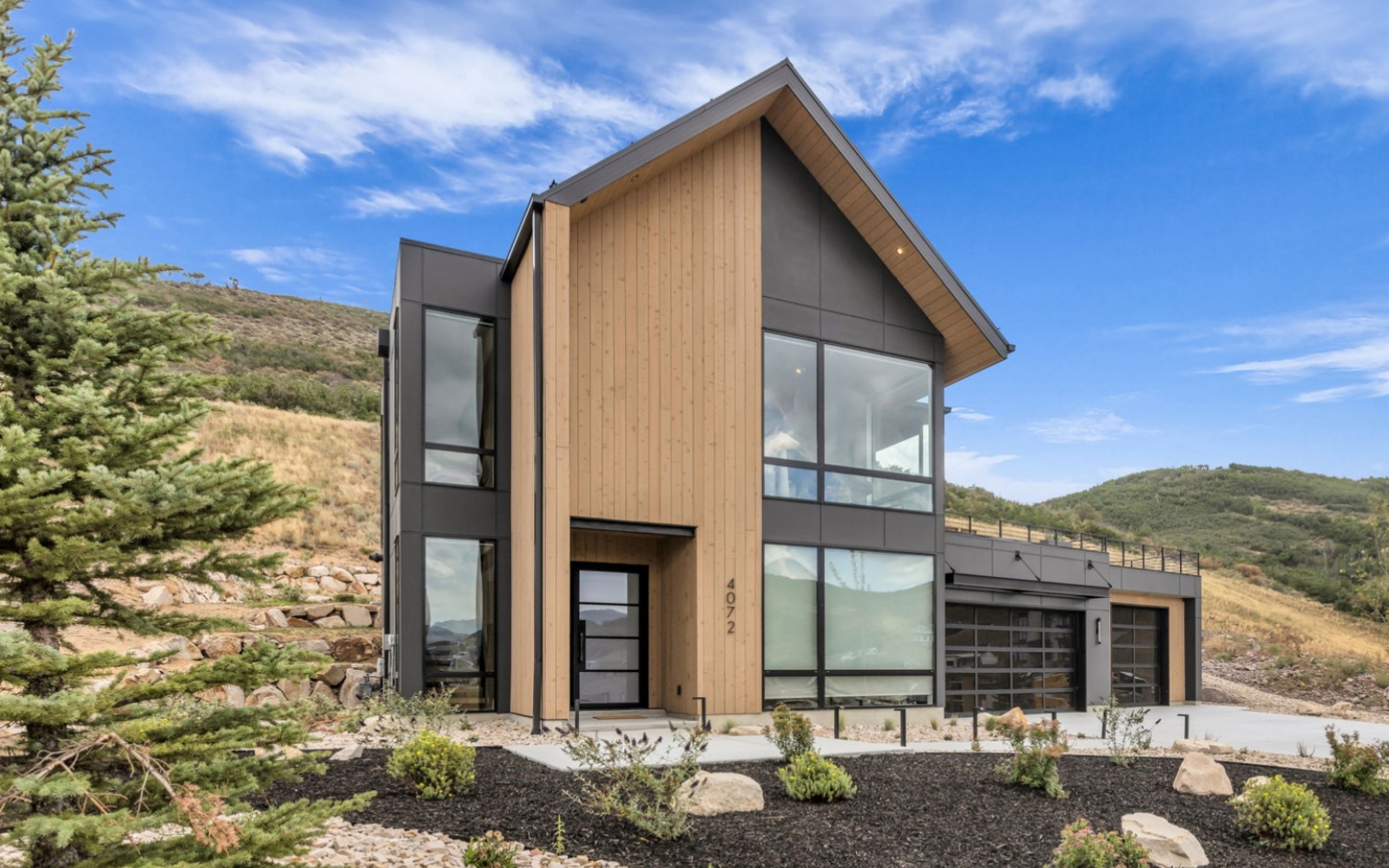
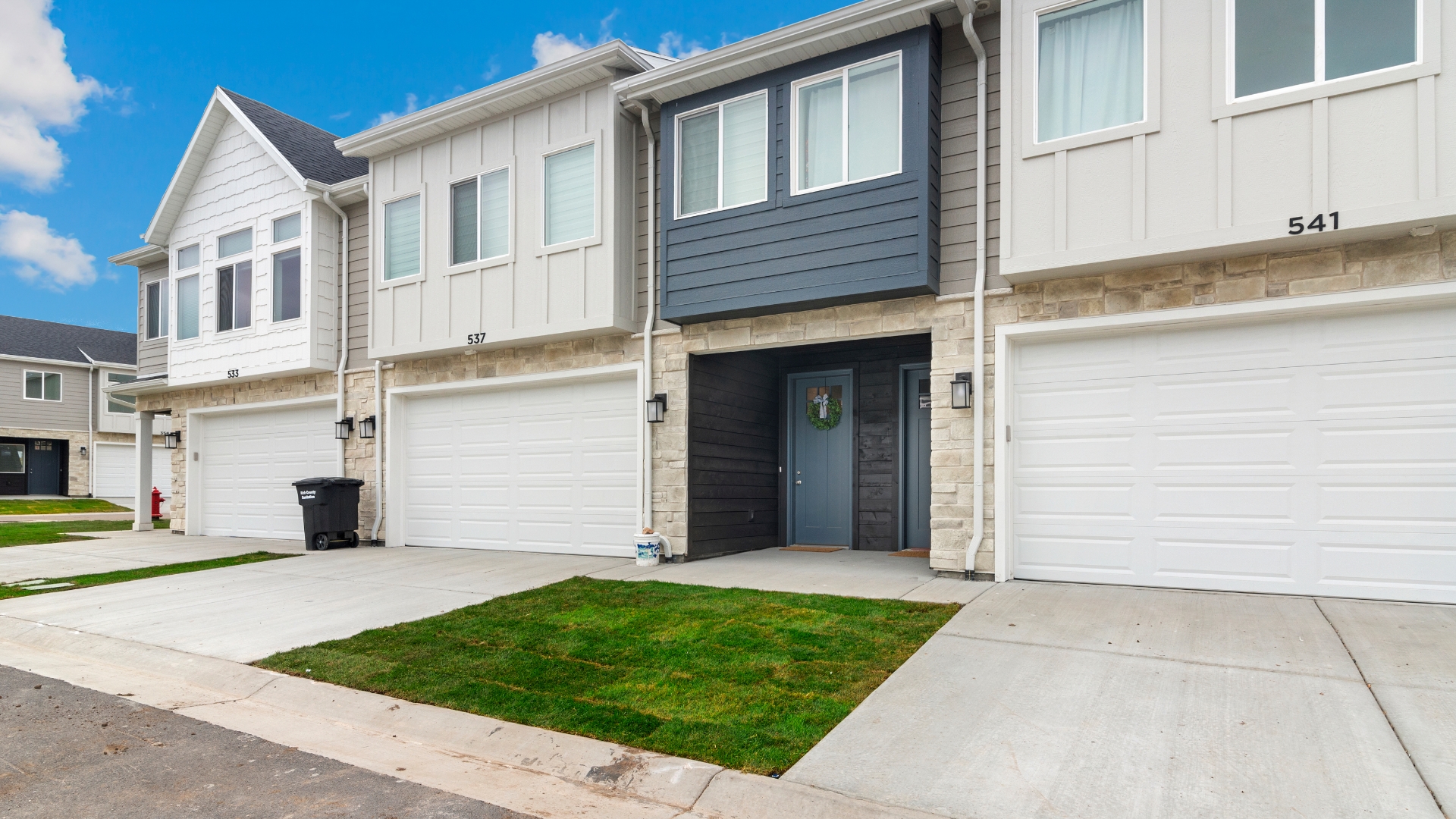
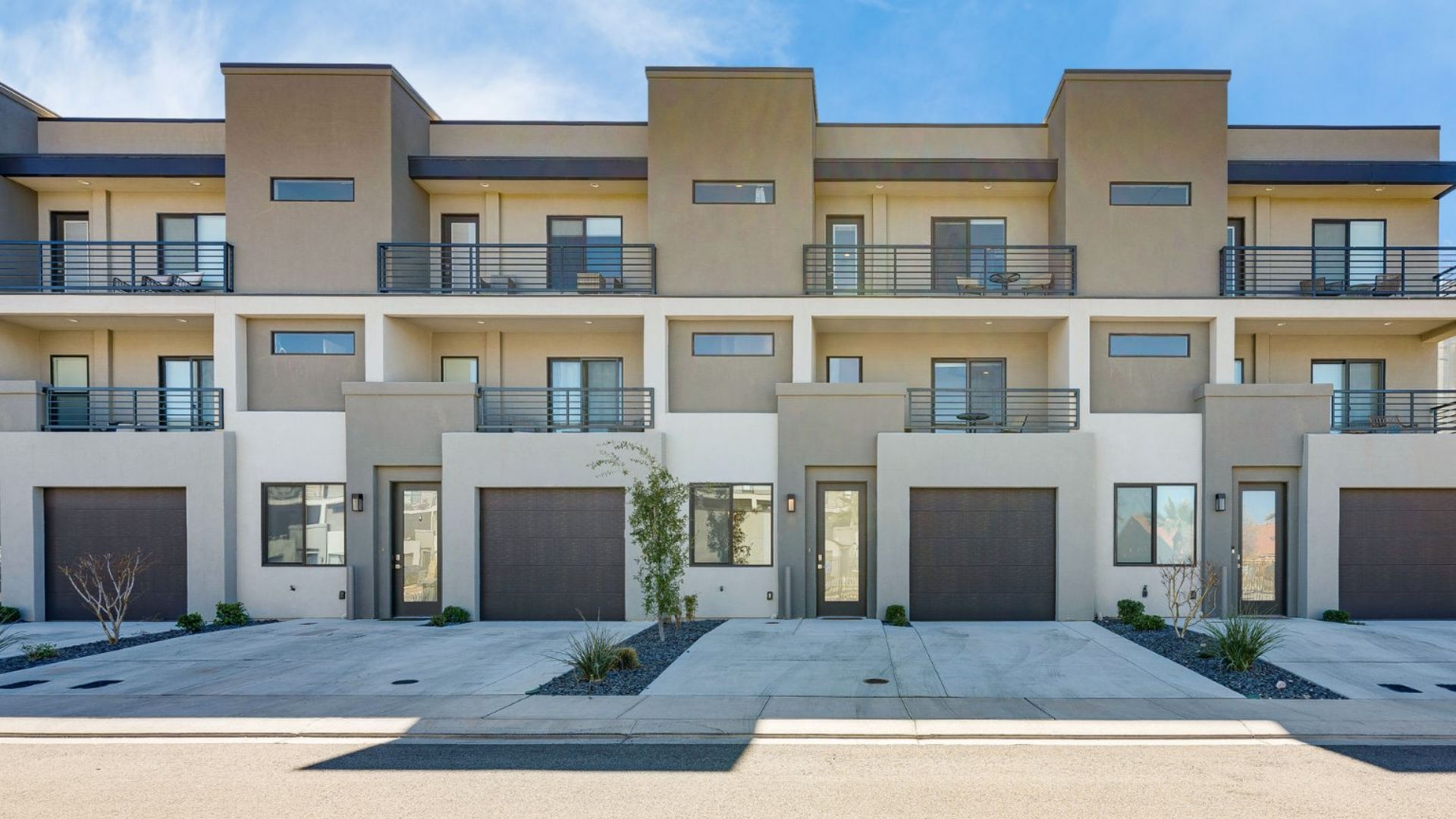
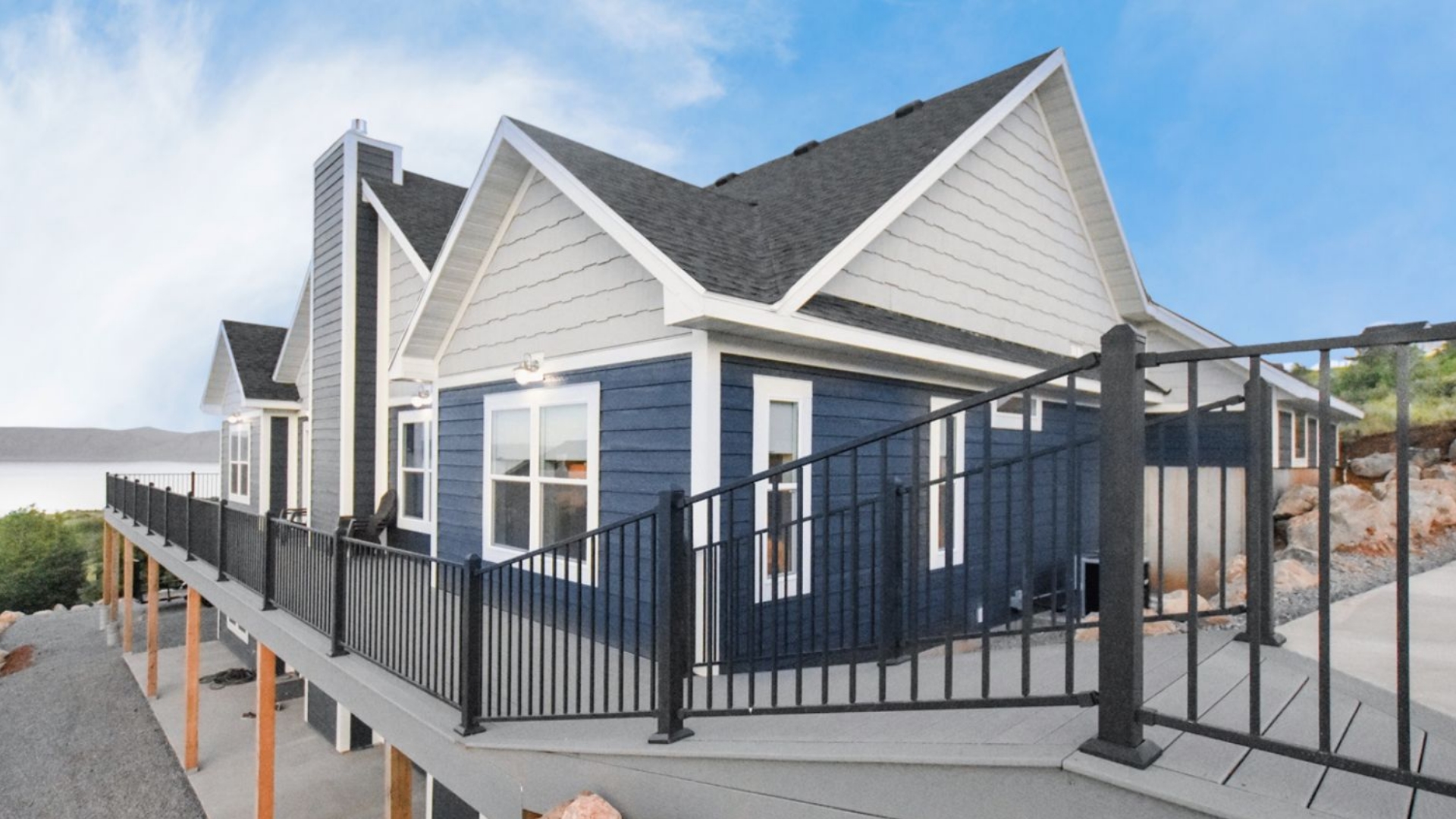
. A vacation home can be more than a place to sleep between activities. For some families, it is the setting for annual traditions, extended-family gatherings, and easier time together. The real decision is not simply whether to own. It is which ownership or access model fits the way you actually want to spend time away.
Explore how deeded co-ownership works
A fractional ownership lifestyle can suit families who want a dependable, fully furnished gathering place without taking on every responsibility of sole ownership. Deeded shares provide an equity interest and shared access, while professional management can reduce the day-to-day burden. The right choice still depends on how often you travel, how much control you need, and whether you prefer ownership, rentals, or usage-based access.
That comparison matters because each option creates a different balance of control, commitment, flexibility, and responsibility. Start by looking closely at what shared ownership means in practice, then weigh it against the alternatives.
What Does a Fractional Ownership Lifestyle Actually Mean? A fractional ownership lifestyle means having a recurring place for family time through a deeded share of a specific vacation property, while sharing ownership responsibilities with other households. It is more than reserving a room, but less hands-on than owning an entire second home.
The practical experience sits between four familiar choices. Sole ownership gives one household broad control, but that household also carries the ongoing work of furnishing, maintaining, insuring, and managing the property. A vacation rental offers flexibility when you want to try different destinations, but each stay begins with a new search and a new reservation. A timeshare typically centers on usage rights within a program. Deeded fractional co-ownership connects your use to an ownership interest in a particular home.
What do owners actually own? With Fraxioned, the share is represented by a membership interest in a property-specific LLC that owns the vacation home. That structure creates a defined connection to one furnished property rather than a general promise of accommodation. The operating agreement and usage-rights documents set out how the ownership works, including responsibilities and access rules.
That does not mean every fractional home works the same way. Share allocations, scheduling systems, annual use, costs, and rental policies can vary by property. A careful buyer should review the documents and current listing details before assuming a certain number of stays or a particular calendar arrangement.
How does management shape the experience? Professional management is part of the model, so owners are not expected to coordinate every maintenance and operating task themselves. That can make a shared home more practical for families and busy executives who want a consistent gathering place without treating property upkeep as a second job. It also changes the tradeoff: owners share decisions and responsibilities instead of having complete control.
Some properties use a Collective model that may permit owners to rent unused nights to help offset operating costs. Exclusive properties are reserved for owners and do not allow rentals. The right fit depends on whether your priority is owner-only use, more flexibility, or simply a dependable home base with people you love.
To understand the ownership structure before comparing properties, review how deeded fractional co-ownership works .
How Does Fractional Co-Ownership Compare With Sole Ownership? Fractional co-ownership can offer a more manageable lifestyle when you want a consistent vacation-home base without taking on every responsibility alone. Sole ownership may be the better fit when complete control, unlimited access, and hands-on decision-making matter more than sharing the property.
The central difference is concentration versus collaboration. With sole ownership, one household controls the home and decides when it is used, furnished, maintained, or made available to guests. With deeded fractional co-ownership, owners share the property and its use under documented scheduling and operating rules. The exact allocation and access process vary by property, so buyers should review the listing and governing documents carefully.
That distinction affects more than a calendar. It shapes how much work you carry, how predictable your access feels, and whether the home supports your actual family routines. A useful starting point is to compare the tradeoffs described in this guide to vacation home ownership tradeoffs .
Sole ownership and deeded fractional co-ownership compared Consideration Sole ownership Deeded fractional co-ownership Control One household makes the major decisions about the property, furnishings, guests, and use. Owners share decisions and follow the property's operating agreement and usage rules. Responsibility The owner is responsible for coordinating upkeep, repairs, utilities, insurance, taxes, and other operating needs. Professional management is designed to reduce the day-to-day maintenance and operating burden, while owners remain responsible for their defined obligations. Access Access is controlled by one household, subject to its own plans and property needs. Access is shared according to property-specific scheduling rules and each owner's documented allocation. Lifestyle fit Best for people who want maximum flexibility, frequent use, and a strong desire to shape every detail. Best for people who value a furnished, managed gathering place and can plan within shared-use guidelines.
Sole ownership can make sense for a family that expects to use one destination extensively, wants to host whenever it chooses, or enjoys managing a property as a personal project. It can also suit buyers who do not want to coordinate with other owners.
Fractional co-ownership may suit busy families and executives who want dependable access to a specific kind of home without managing every task themselves. The right choice depends on your preferred balance of control, commitment, planning, and participation. Treat the decision as a lifestyle comparison first, then review the ownership documents and property-specific terms before moving forward.
When Is a Vacation Rental Better for Your Lifestyle? Answer: A vacation rental can be the better choice when you take occasional trips, want to follow changing destinations, or prefer not to accept a long-term ownership commitment. Deeded fractional ownership may fit better when your family returns to the same area, values a familiar home base, and wants a share of the responsibility handled professionally.
Renting gives you useful freedom. You can choose a different destination for each trip, match the size of the home to the people traveling, and make plans without committing to one property. That flexibility suits families whose destinations and travel interests change.
A rental may also be a practical fit if you expect to use a vacation home only once or twice. It may also suit you if you do not want to review ownership documents, participate in shared decisions, or plan around an ownership calendar. You pay for a stay and move on, without taking on an ongoing relationship with a property.
When does repeat access change the decision? The calculation can change when a destination has become part of your family's rhythm. Returning to a familiar home can make annual traditions easier to plan. Children and grandparents know the setting, families can settle into rooms that feel familiar, and the property can serve as a dependable gathering place rather than a new search for every trip. Access rules and share allocations vary by property, so buyers should review the actual calendar before deciding.
Ownership can also appeal to busy households that want the experience of a vacation home without managing every operational detail alone. With Fraxioned's model, owners hold deeded equity through a property-specific LLC, while professional management is intended to reduce the maintenance and operating burden. That does not remove the need to understand costs, scheduling, governance, or the responsibilities described in the ownership documents.
In practical terms, the right choice depends on consistency versus variety. If your priority is exploring new places with no long-term tie, keep renting. If your priority is a repeatable family base and shared responsibility, compare the ownership terms carefully. These questions before buying a vacation home can help clarify which pattern fits your household.
How Is Fractional Ownership Different From a Timeshare? Answer: A timeshare typically centers on the right to use a vacation property during a defined period, while deeded fractional co-ownership represents an equity interest in a specific property. The practical difference affects what you own, how decisions are made, how stays are scheduled, and what documents you should review.
With a timeshare, the product is generally a vacation-use arrangement. The purchaser receives access according to the program's rules, but that access does not necessarily mean the purchaser owns a share of the underlying real estate. Terms vary widely, so the contract and governing documents matter more than the label.
In a deeded fractional model, owners hold membership interests in a property-specific LLC that owns the home. That structure can give the owner a real equity interest, along with defined usage rights and financial responsibilities. It is not the same as owning the entire home, and the legal and financial treatment depends on the specific documents and jurisdiction. Review the details of how deeded fractional co-ownership works before comparing options.
What changes in day-to-day management? Both models may use professional management, but the scope and accountability should be clear. A fractional owner should understand who handles maintenance, utilities, insurance, reserves, housekeeping, and repairs, as well as how those costs are approved and reported. A professionally managed home may reduce the owner's operating burden, but it does not remove the need to understand the budget or the management agreement.
How does scheduling and governance work? Ask how owners reserve stays, whether holiday periods rotate, how conflicts are resolved, and whether unused nights can be shared or rented. Fraxioned's Collective model may allow owners to rent unused nights to offset operating costs, while Exclusive properties are reserved for owner use and do not allow rentals. Confirm the policy for the particular listing because share allocations, calendars, costs, and restrictions can differ.
Also ask who votes on major expenses, renovations, budgets, and changes to the operating rules. Before signing, verify the ownership instrument, usage schedule, recurring costs, reserve policy, resale or transfer process, and any restrictions on occupancy or rentals. Those questions help you judge whether the arrangement supports your family's version of a fractional ownership lifestyle, without assuming every program receives the same legal treatment.
Which Lifestyle Priorities Should Families Compare First? Answer: Families should compare the destination, access rules, home layout, management model, financial responsibilities, and exit process before choosing a vacation-home arrangement. The best fit depends less on a headline feature and more on how well the property and ownership structure support the way your family actually spends time together.
Destination and repeat appeal: Start with the place itself. Can your family imagine returning there across multiple seasons, bringing adult children or grandchildren, and building traditions? A shared home works best when the destination is more than a one-time getaway. Consider travel time, nearby activities, and whether the setting fits the pace your household wants.Calendar access and peak dates: Review how owners select stays, how major holidays rotate, and what happens when several families want the same week. Scheduling systems may use different rules for holidays and regular periods. Read the property-specific terms carefully, and use this guide to plan shared family vacation stays before assuming that a stated share guarantees a particular date.Layout for multiple generations: Look beyond the bedroom count. Ask whether the floor plan gives grandparents privacy, creates comfortable gathering areas, and accommodates different sleep schedules. Furnishings, accessibility, outdoor space, and the practical flow between shared and private areas can determine whether the home feels workable for the whole family.Management expectations: Decide how much responsibility you want after each visit. Ask who handles maintenance, utilities, housekeeping, repairs, and urgent issues. Professional management can reduce the day-to-day burden, but families should still understand what owners must coordinate or approve.Governance and ongoing expenses: Review voting rights, owner responsibilities, budgeting, reserves, and expense reporting. Annual costs may include maintenance, insurance, utilities, property taxes, management, and reserves. Exact costs, schedules, and share allocations are property-specific, so compare the documents for the particular listing rather than relying on a general example.Exit and resale questions: Ask how an owner can transfer or sell a share, what approvals may apply, and which documents govern the process. Treat resale as a practical question about flexibility, not a promised outcome. Clear answers help your family understand the commitment before signing.What Should Busy Owners Review Before Choosing a Shared Home? Answer: Before choosing a shared vacation home, review the ownership documents, usage schedule, ongoing responsibilities, management approach, and rules for changing or ending your participation. The right fit is not simply the most attractive property. It is the arrangement your household can use confidently and understand clearly.
Busy families and executives should begin with the practical details that are easiest to overlook during an exciting property tour. Ask how the ownership interest is documented, what the property-specific LLC agreement covers, and which rights come with the share. Fraxioned describes membership interests, usage-rights documentation, and financial-responsibility terms as part of the ownership records. Read those materials before treating the home as a long-term family gathering place.
Review access before imagining your calendar Check how regular stays and high-demand periods are allocated. Some arrangements use equal access, rotating holiday opportunities, and first-come scheduling for regular periods, but the exact rules can vary by property. Confirm the share's allocation, booking process, notice requirements, guest policies, and what happens when owners want the same dates. If your family mainly travels during school breaks or holidays, those details may matter more than the home's finishes.
Review the work that stays with you Professional management may reduce maintenance and operating responsibilities, but it does not remove the need to understand them. Review what annual costs may cover, including utilities, insurance, property taxes, reserves, maintenance, and management. Ask how budgets are approved, how expenses are reported, and who decides when a repair or improvement is necessary. A clear process is valuable for owners who want a reliable home base without becoming remote property managers.
Review the fit for your actual life Be honest about how often your household visits, whether relatives will join, and how much destination flexibility you need. Shared ownership may suit families seeking a consistent place, while rentals may be better for constantly changing travel plans. Contact with nature is associated with psychological, physiological, and social well-being in a review of research, but that association is not a promise of a health outcome: the academic review explains the evidence .
Once the documents and calendar fit your priorities, view available properties and compare each listing's specific terms rather than assuming every shared home works the same way.
Compare deeded co-ownership with other vacation-home options
Frequently Asked Questions Who is a fractional ownership lifestyle best suited for? It can fit families and busy executives who want a dependable gathering place, shared ownership, and professional management without taking on every responsibility of a second home. It is less suitable if you need unrestricted, year-round control or prefer changing destinations.
What are the main tradeoffs of fractional ownership? You share scheduling, costs, and decision-making with other owners. Holiday access may rotate, regular stays may follow first-come scheduling, and the exact rules depend on the property. Review usage rights, annual expenses, governance, and resale terms before committing.
How long does fractional ownership last? The duration and exit process are defined by the specific ownership documents, not by a universal industry term. Ask to review the operating agreement, usage-rights documents, transfer rules, and any resale process so you understand how long you can own the interest and how you may leave it.
Can unused nights offset ownership costs? In Fraxioned's Collective model, owners may rent unused nights to help offset operating costs. That option is not available in the Exclusive model, which is reserved for owner use. Rental rules, availability, and financial results are property-specific, so treat this as a use option rather than a promised income stream.
How is fractional ownership different from a vacation rental or timeshare? A vacation rental provides accommodation without giving the guest a property interest. A timeshare commonly provides usage rights for set intervals, while deeded fractional co-ownership represents an equity interest through a property-specific LLC. Confirm the documents and booking terms for any option you are considering.
Ready to Explore Your Co-Ownership Options? Choosing among sole ownership, vacation rentals, timeshares, and deeded co-ownership depends on how you want to use a vacation home and how much responsibility you want to carry. Fraxioned can help you examine a managed ownership approach alongside the alternatives, so you can focus on the lifestyle fit rather than a one-size-fits-all answer. Explore Fraxioned's deeded co-ownership options