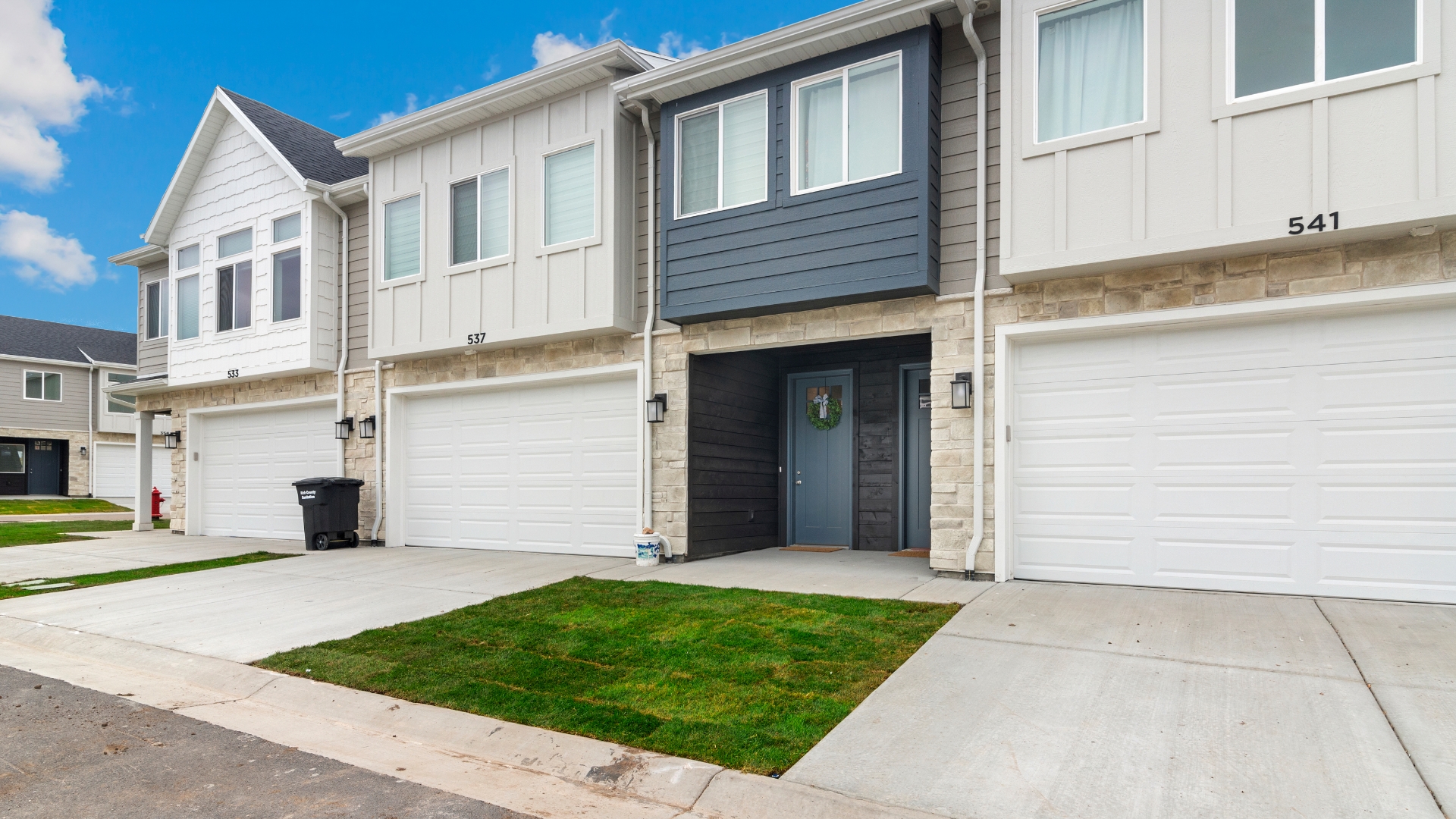
Life is full of changes, and at some point, one of your fellow co-owners may decide to sell their share of your shared vacation home. Without a clear plan, this situation could create uncertainty for everyone. Who will the new owner be? Will they be a good fit for the group? A well-structured ownership agreement anticipates this scenario with a right of first refusal clause . This is a simple, proactive tool that provides a clear and fair process for everyone. It ensures existing owners get the first chance to purchase the available share, preventing surprises and helping to maintain the harmony of the group you’ve come to enjoy. Understanding how it works is key to a stress-free co-ownership experience.
Key Takeaways Maintain control over your community The process is fair and time-bound : When a share is for sale, the seller must present the exact third-party offer to the co-owners, who then have a specific timeframe to match it. This structure ensures transparency and keeps the sale moving forward.A detailed agreement is your best protection What is a Right of First Refusal (ROFR) Clause? When you enter a co-ownership agreement for a vacation home, you're not just buying a property; you're joining a small community. To help keep that community stable and give owners a say in who joins them, many agreements include a special provision called a Right of First Refusal, or ROFR. It might sound like a complicated legal term, but its purpose is quite simple: to give current owners the first opportunity to purchase a share if another owner decides to sell. This clause is a cornerstone of many shared ownership models because it protects the interests of everyone involved, ensuring a smooth and predictable process when ownership changes hands. Understanding how it works is a key part of feeling confident and secure in your shared vacation home.
What It Is and Why It Matters So, what exactly is a Right of First Refusal? Think of it as a "first dibs" agreement. If one of your co-owners decides to sell their share of the home, the ROFR clause requires them to offer it to the other existing owners first. They must present the same price and terms that an outside buyer is willing to pay. This gives you and the other owners the chance to purchase the share before it goes on the open market. This matters because it gives you a measure of control over who becomes your new co-owner. It helps maintain the group dynamic you enjoy and protects the shared atmosphere of your vacation home, ensuring it remains a place where you can create lasting memories.
Key Parts of a ROFR Agreement A well-written ROFR clause has a few key components to ensure everything is clear for all parties. It will specify the purchase price, which is typically determined by the offer from a third-party buyer. The agreement also sets a clear time limit, often between 20 to 30 days, for the current owners to decide if they want to exercise their right to buy. If the owners decline or don't respond in time, the seller is then free to proceed with the outside offer, but only on those exact same terms. These details are fundamental to a successful co-ownership agreement , as they create a fair and transparent process for everyone when a share is sold.
How Does a Right of First Refusal Work? A Right of First Refusal clause might sound complicated, but the process is actually quite straightforward. Think of it as a structured and fair way to handle the sale of a co-owned asset, like a share in your vacation home. It ensures that the existing owners have the first say before a share is sold to someone new. This process protects the integrity of the ownership group and gives everyone peace of mind. Let’s walk through exactly how it unfolds.
The ROFR Process, Step by Step When a co-owner decides to sell their share, the ROFR process kicks in. First, the selling owner must find a buyer and secure a formal, legitimate offer. This is often called a bona fide offer in legal terms. Instead of accepting it, their next step is to present that exact offer to the other co-owners who hold the right of first refusal. The terms presented, including price and conditions, must be identical to the third-party offer. This gives existing owners a clear and transparent opportunity to purchase the share themselves.
Understanding Timelines and Notices Time is a key element in any ROFR clause. The agreement will always specify a clear timeline to ensure the process doesn't drag on. Once the selling owner provides official notice of the offer, a clock starts ticking for the ROFR holders. This response period is typically set for a specific number of days, often between 20 and 30. It’s crucial to be aware of these contractual deadlines, as missing one matters. If a holder doesn't respond in time, they forfeit their right to purchase the share for that specific offer, allowing the seller to move forward.
To Match or Decline an Offer After receiving the notice, the ROFR holders face a simple decision: match the offer or decline it. If a co-owner decides they want to buy the share, they must agree to match the third-party offer in its entirety. If they do, they step into the shoes of the outside buyer and the sale proceeds with them. If all ROFR holders decline or let the response period expire, the seller is free to complete the sale to the original buyer. However, they can only sell on the exact same terms presented to the co-owners. This is a core part of the co-ownership agreement that protects the community.
The Pros and Cons of a ROFR Clause A Right of First Refusal clause is a common feature in co-ownership agreements , and for good reason. It’s designed to provide stability and protect the interests of everyone involved. Like any legal provision, however, it comes with its own set of advantages and disadvantages. Understanding both sides helps you see why it’s such a valuable tool for maintaining a harmonious shared ownership experience. It’s all about balancing the security it offers the existing owners with the flexibility the selling owner needs.
For co-owners, the ROFR is a way to have a say in who joins your group, ensuring that new members are a good fit for the home’s culture. For the person selling their share, it provides a clear, straightforward path to begin the sales process. Thinking through these points can help you appreciate the role a ROFR plays in a successful co-ownership arrangement .
The Upside for the ROFR Holder If you’re a co-owner, the ROFR clause gives you a significant advantage: you get the first opportunity to purchase a share before it’s offered to anyone else. This provides a sense of security and control. Imagine one of your fellow owners decides to sell. The ROFR ensures you and the other co-owners have the chance to buy that share, perhaps to increase your own time at the property or to help a family member join the group. It’s a great way to keep the ownership circle consistent and familiar. This first right to purchase prevents a share from being sold unexpectedly to an unknown third party, helping preserve the community you’ve built around your vacation home.
The Upside for the Property Owner For the owner who is selling their share, a ROFR clause can streamline the start of the sales process. It provides a clear first step: offer the share to the existing co-owners. This creates an immediate pool of potential buyers who are already invested in the property and understand its value. While the owner still has the freedom to seek outside offers to set a fair market price, the ROFR can sometimes lead to a quicker, simpler transaction with people they already know. It also serves as an attractive feature when initially forming the ownership group, as it shows a commitment to the collective, which can be a reassuring perk for everyone involved from day one.
Potential Downsides to Consider While a ROFR offers great protection, it can also introduce a few complications. The main drawback for a seller is that it can slow down the sales process. The holder of the right gets a specific period to make their decision, which adds a waiting period to any transaction. Furthermore, the existence of a ROFR might discourage outside buyers. Some potential purchasers may be hesitant to invest time and effort in making an offer if they know an existing co-owner can simply match it and take the deal. This can sometimes limit the potential for a bidding war that might otherwise drive up the price in a competitive real estate market .
Where You'll Find ROFR Clauses Right of first refusal clauses are more common than you might think. While they are a cornerstone of real estate, especially in shared ownership, their reach extends into many other areas of life. You can find them in everything from corporate boardrooms to family law agreements. Understanding where these clauses appear helps illustrate just how flexible and useful they are for protecting interests and providing stability. Let's look at a few of the most common places you'll encounter a ROFR.
In Real Estate and Co-Ownership This is where ROFR clauses are most familiar, particularly in co-ownership. You might see one in a rental agreement, giving a tenant the first chance to buy the property if the landlord sells. For Fraxioned homeowners, the ROFR is a key part of the co-ownership agreement . It means if one owner decides to sell their share, the other owners have the first opportunity to purchase it. This helps ensure new owners are a good fit for the existing group, preserving the harmony and shared enjoyment of your vacation home. It’s a simple mechanism that provides peace of mind and stability for everyone.
In Business and Commercial Leases Beyond residential real estate, ROFR clauses are a staple in the business world. A company leasing an office might have a ROFR to purchase the building if the owner puts it on the market, allowing the business to secure its location. You'll also find these clauses in shareholder agreements for startups. Here, a ROFR gives existing investors the first option to buy shares from a departing founder or investor. This helps the original stakeholders maintain control and prevent shares from being sold to unknown third parties, protecting the company's direction and culture.
In Family and Custody Agreements ROFR clauses also appear in deeply personal agreements. In family law, a "right of first refusal" for parenting time is common in custody arrangements. This means if a parent needs childcare, they must offer that time to the other parent before calling a babysitter. This prioritizes the child spending time with their parents whenever possible. The principle extends to other family matters too, like the sale of inherited property or personal heirlooms. The core idea is always the same: giving a specific person the first chance before an opportunity is offered to anyone else.
How ROFR Protects Your Co-Ownership Experience When you decide to co-own a vacation home, you’re investing in future memories and a relaxing lifestyle. A Right of First Refusal (ROFR) clause is a key part of your ownership agreement that helps protect that investment. Think of it as a safety net for you and your fellow co-owners. It’s not just a piece of legal text; it’s a practical tool that ensures your experience remains positive and predictable, giving everyone peace of mind. The ROFR helps maintain the integrity of your ownership group and the value of the beautiful home you all share.
Keeping Your Community Consistent Choosing to co-own a home means you’re also choosing to share it with a small group of other people. The Right of First Refusal helps ensure that this group dynamic stays strong. If one of the owners decides to sell their share, the ROFR gives the remaining owners the first opportunity to buy it. This simple step is incredibly important because it gives you a say in who joins your community. It helps maintain the shared vision for the property, from house rules to general upkeep, ensuring the person who buys in is a good fit. This is a fundamental aspect of a successful co-ownership arrangement.
Protecting Your Property's Value A ROFR clause also serves as a crucial financial safeguard for every owner. When a co-owner receives an offer from an outside party, they are required to present that exact same offer to the other owners first. This process ensures that a share isn’t sold for less than its market value just for a quick sale, which could lower the perceived value of the entire property. By giving existing owners the chance to match the offer, the ROFR helps maintain a stable and fair valuation for all shares. It protects your stake in the home and ensures the value of these incredible properties remains strong for years to come.
What to Include in a ROFR Clause A well-defined Right of First Refusal (ROFR) clause is essential for a smooth co-ownership experience. It acts as a clear roadmap for everyone if a co-owner decides to sell their share, preventing misunderstandings and protecting the interests of the remaining owners. To be effective, the clause needs to be detailed and cover a few key areas. By thinking through these components ahead of time, you ensure the process is fair, transparent, and straightforward for everyone involved.
The Must-Have Terms A Right of First Refusal clause gives co-owners the first chance to buy a property share before it's sold to an outside party. Your agreement must clearly state this right, identifying the property and all parties involved. Spelling everything out ensures everyone is on the same page about their obligations. This clarity is key to a harmonious co-ownership experience and helps prevent future disputes, keeping the focus on enjoying your vacation home.
Clear Communication Rules An effective ROFR clause needs clear rules for communication. The agreement must specify how a selling owner notifies the other co-owners about a pending offer and set a firm deadline for them to respond, like 15 or 30 days. If a holder doesn’t respond in time, the clause should state that the owner is then free to sell to the third party. These timelines are crucial for keeping the process moving smoothly and respecting everyone's time.
How Price Matching Works Fairness is central to the ROFR process. When an owner gets an offer from a third party, they must present that exact same offer to the ROFR holders. This means the price, closing date, and all other conditions must be identical. The co-owners can’t be asked to pay more or accept different terms than the potential outside buyer. This rule ensures the holder gets a genuine opportunity to purchase the share under the same market conditions, keeping the transaction transparent.
Defining Exceptions and Transfers Sometimes, a ROFR doesn't apply to every situation. For example, many agreements include exceptions for transferring a share to a family member, like a child or spouse. These specific situations should be clearly listed in the clause to avoid confusion. The agreement should also address whether the ROFR itself is transferable. Defining these details upfront helps answer important questions. You can find answers to more specific scenarios on our FAQ page .
How Long Does a ROFR Period Last? One of the most common questions about a Right of First Refusal is about the timeline. How long do you have to make a decision? The short answer is: it depends. There isn’t a universal rule, because the duration is spelled out in the specific terms of your co-ownership agreement. This is a good thing, as it means everyone knows the expectations from the start.
The ROFR clause will clearly state how long the current owner has to notify the other co-owners of an outside offer. It will also define the specific timeframe the co-owners have to respond. Think of it as a built-in countdown clock that ensures the process moves forward smoothly and fairly for everyone involved. It gives the person with the ROFR a fair chance to act without holding up the seller indefinitely. This clarity is key to a stress-free co-ownership experience, making sure every owner is on the same page.
Typical Response Times In most co-ownership agreements, the response window for a ROFR is usually between 20 to 30 days. This timeframe starts once you’ve been officially notified of a third-party offer on another owner's share. This gives you a practical amount of time to review the offer, consider your options, and decide if you want to match it. If you don't respond within the specified period, the seller is then free to move forward with the sale to the outside buyer. This structure ensures that you have a clear window to act on your right of first refusal , but it also keeps the process from dragging on.
What Affects the Timeline While 20 to 30 days is common, several factors can influence the ROFR timeline. Some agreements might specify a shorter period, which means you’ll need to be prepared to make a decision more quickly. The agreement will also detail the ground rules for the entire process. For example, it will outline how offers must be presented, how long you have to formally respond, and how quickly the sale needs to be completed if you decide to purchase the share. These stipulations can vary , so it’s important to be familiar with the terms in your specific co-ownership agreement. Understanding these details ahead of time helps everything run smoothly when a share becomes available.
Common ROFR Mistakes to Avoid A Right of First Refusal clause is meant to provide security and stability for everyone in a co-ownership group. But if it’s not written carefully, it can cause more confusion than comfort. A poorly constructed ROFR can lead to disagreements, delays, and even legal issues when an owner decides to sell their share. The goal is always a smooth and fair process for both the selling owner and the remaining co-owners.
To make sure your co-ownership experience is protected, it’s helpful to know what potential pitfalls to look for. Most of the time, these issues come down to a lack of clarity in the agreement. When key terms are left undefined or processes aren't spelled out, it leaves room for interpretation, and that’s where problems can start. By understanding these common mistakes, you can better appreciate the importance of a well-drafted agreement that keeps everyone on the same page and protects the harmony of your shared vacation home.
Vague Language One of the biggest mistakes in any legal agreement is using vague or ambiguous language, and ROFR clauses are no exception. If the terms are unclear, it can create confusion about how the process is supposed to work. For example, what exactly triggers the ROFR? What constitutes a "bona fide" offer from an outside buyer? Without precise definitions, owners might disagree on when the clock starts ticking or whether an offer is legitimate. A well-written ROFR uses clear, specific language to define every part of the process, ensuring that everyone’s rights and obligations are spelled out. This helps prevent disputes before they even have a chance to begin.
Unclear Notice Rules When an owner receives an offer and triggers the ROFR, how are the other owners notified? And how long do they have to respond? If these rules aren't clearly defined, the process can quickly fall apart. A solid ROFR clause specifies exactly how notice must be given (e.g., certified mail, email with receipt confirmation) and sets a firm timeline for the other owners to make their decision, which is often between 10 and 30 days. Without these specifics, a selling owner might not know if they’ve properly notified everyone, and the other owners might miss their opportunity to act. Clear notice provisions are essential for a fair and orderly process.
Missing Details on Exceptions or Value A good ROFR clause also accounts for situations that fall outside a typical sale. For instance, what happens if an owner wants to transfer their share to a family member or place it in a trust? A comprehensive agreement will define what kinds of transfers are exempt from the ROFR process. It should also clarify what happens in larger scenarios, like a buyout of the entire property. By thinking through these exceptions ahead of time, the agreement can provide a clear roadmap for various situations. This foresight ensures the ROFR serves its purpose without creating unnecessary hurdles for simple transfers or unique circumstances that may arise within your co-ownership group.
What Happens if a ROFR is Waived or Broken? When a co-owner decides to sell their share, the Right of First Refusal (ROFR) clause comes into play, and the other owners face a decision. You can either exercise your right to buy the share or you can waive it, allowing the owner to sell to an outside party. It’s a pivotal moment that affects the future of your shared vacation home.
But what happens if things don’t go according to plan? If an owner breaks the agreement by selling their share without offering it to the co-owners first, it creates a serious issue. In that case, the ROFR holder can typically sue for damages . Understanding both the process for waiving your right and the consequences of a broken agreement is key to protecting your co-ownership experience and ensuring everyone follows the rules you all agreed upon.
How to Waive Your Right If you decide not to purchase the available share, you’ll need to formally waive your Right of First Refusal. This isn’t something you can do with a quick text or a casual conversation; it requires a clear, official step. To properly waive your right, you must provide a formal written notice stating your decision. This document confirms that you are declining the opportunity to buy the share, which then frees the seller to proceed with the third-party offer. Putting it in writing creates a clear record, prevents misunderstandings, and ensures the selling process can move forward smoothly and transparently for everyone involved.
Legal Steps and Consequences So, what happens if a co-owner ignores the ROFR and sells their share to someone else? This action is a breach of your co-ownership agreement, and you have legal options. If this occurs, the first step is usually to consult with a lawyer. You can often sue the selling owner for any damages you incurred because of the broken agreement. While it can be difficult to get a court to reverse the sale, a strong ROFR clause can sometimes be powerful enough to invalidate a sale that violated the agreement. The specific language in your contract matters, which is why looking at different examples of right of first refusal clauses can show how critical clear terms are for protecting your rights.
Creating a Solid ROFR Agreement A well-crafted Right of First Refusal agreement is the foundation of a smooth and predictable co-ownership experience. It sets clear expectations from the start, ensuring that every owner feels secure and respected if a share of the home is ever put up for sale. Think of it as a roadmap that guides everyone through the process, preventing misunderstandings and protecting the shared enjoyment of your vacation home. Taking the time to get these details right helps maintain the harmony and trust that make co-ownership so rewarding.
Document Everything Clearly The key to a successful ROFR clause is clarity. Vague terms can lead to confusion, so it’s essential to spell everything out. A Right of First Refusal is a contractual right, and the contract should explicitly define what triggers it. This includes specifying what counts as a valid third-party offer and the exact method for giving notice to the other owners. The agreement must also include a clear timeline, outlining how long the co-owners have to respond after being notified of a potential sale. If they don’t act within that timeframe, the selling owner is free to proceed with the outside offer.
Why You Need a Legal Review While the concept of a ROFR is straightforward, the execution involves some legal complexities. These are complex legal agreements that need to be drafted carefully to be fair and, most importantly, enforceable. Having a qualified real estate attorney review the clause is a crucial step. A legal expert can ensure the language is precise, covers all necessary conditions, and aligns with local property laws. This review protects all parties and helps prevent a situation where an owner breaks the agreement, which could lead to legal disputes. It’s a small investment that provides significant peace of mind for everyone involved.
Related Articles Frequently Asked Questions What happens if multiple co-owners want to exercise their Right of First Refusal on the same share? This is a great question, and it’s a scenario that a well-written co-ownership agreement should anticipate. Typically, the agreement will outline a clear procedure for this situation. Often, the share is divided equally among the interested co-owners, or it may go to the owner who responded first. The goal is to have a fair and predetermined method in place so there’s no confusion or conflict when the time comes.
Does having a ROFR clause mean I'm obligated to buy a share if it becomes available? Not at all. A Right of First Refusal gives you the opportunity to buy a share, not the obligation. You always have the choice to decline, which is known as waiving your right. If you and the other co-owners decide not to purchase the share, the seller is then free to proceed with the sale to the outside buyer on the exact same terms they presented to you.
Can a ROFR negatively affect the sale price of my share? It's a valid concern for sellers. While a ROFR provides stability for the group, it can sometimes slow down a sale because of the required waiting period for co-owners to respond. Some outside buyers might also be hesitant to make an offer knowing it could be matched. However, the process also ensures the price is set by a legitimate market offer, which protects the property's overall value by preventing a share from being sold at a steep discount.
Does the ROFR apply if I want to transfer my share to a family member? In many cases, it doesn't. Most co-ownership agreements include specific exceptions for certain types of transfers, such as passing a share to a child, spouse, or into a family trust. These exceptions must be clearly defined in the ROFR clause itself to avoid any confusion. This allows for family succession planning without triggering the full sale process.
Is a ROFR really necessary for a small group of co-owners who trust each other? Even in the most harmonious groups, a ROFR is a smart and practical tool. Think of it less as a sign of mistrust and more as a form of protection for everyone's shared enjoyment of the home. Life is unpredictable, and circumstances can change. The ROFR provides a clear, agreed-upon process for the future, ensuring that any ownership changes happen smoothly and with fairness to everyone involved.