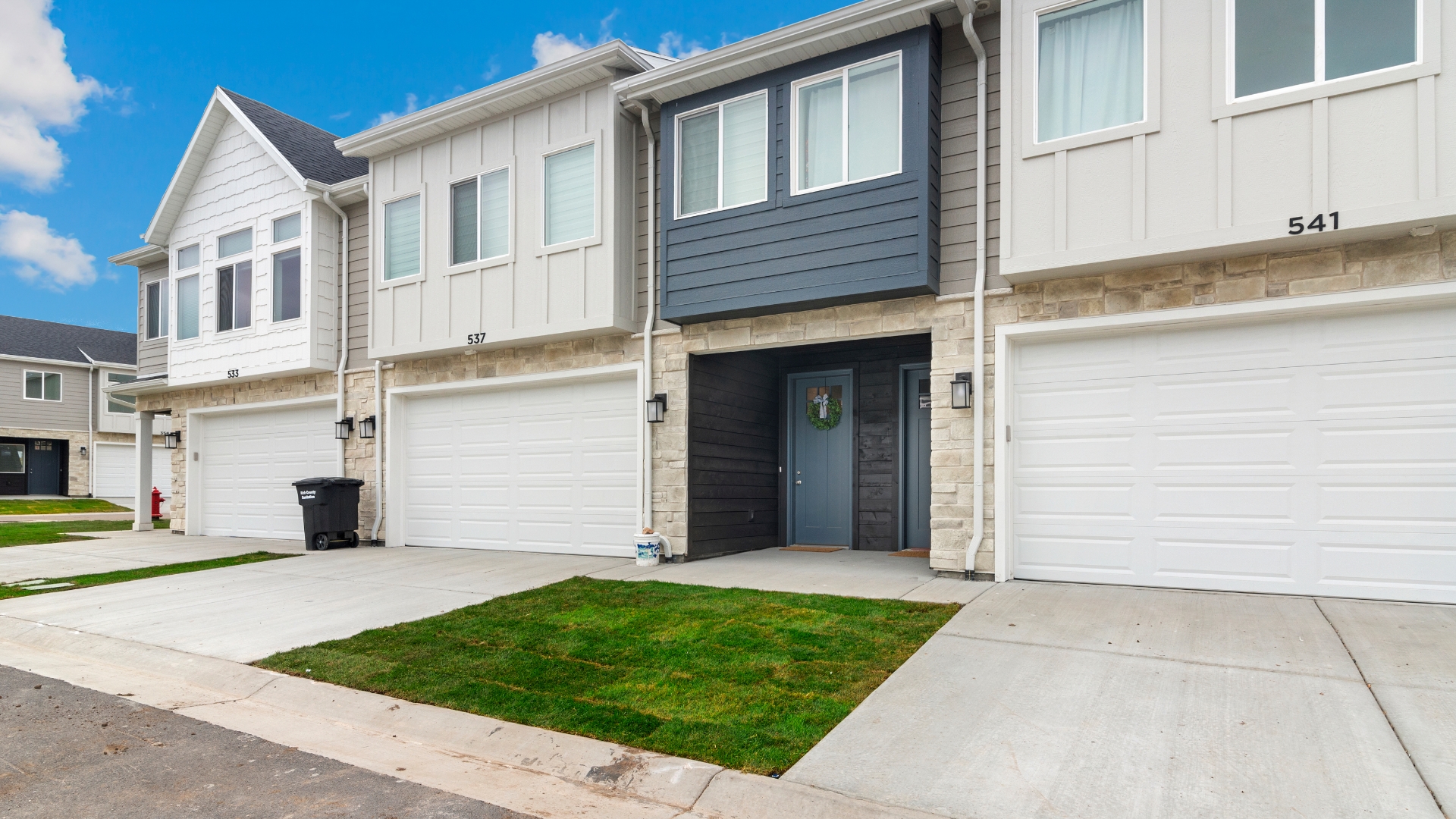
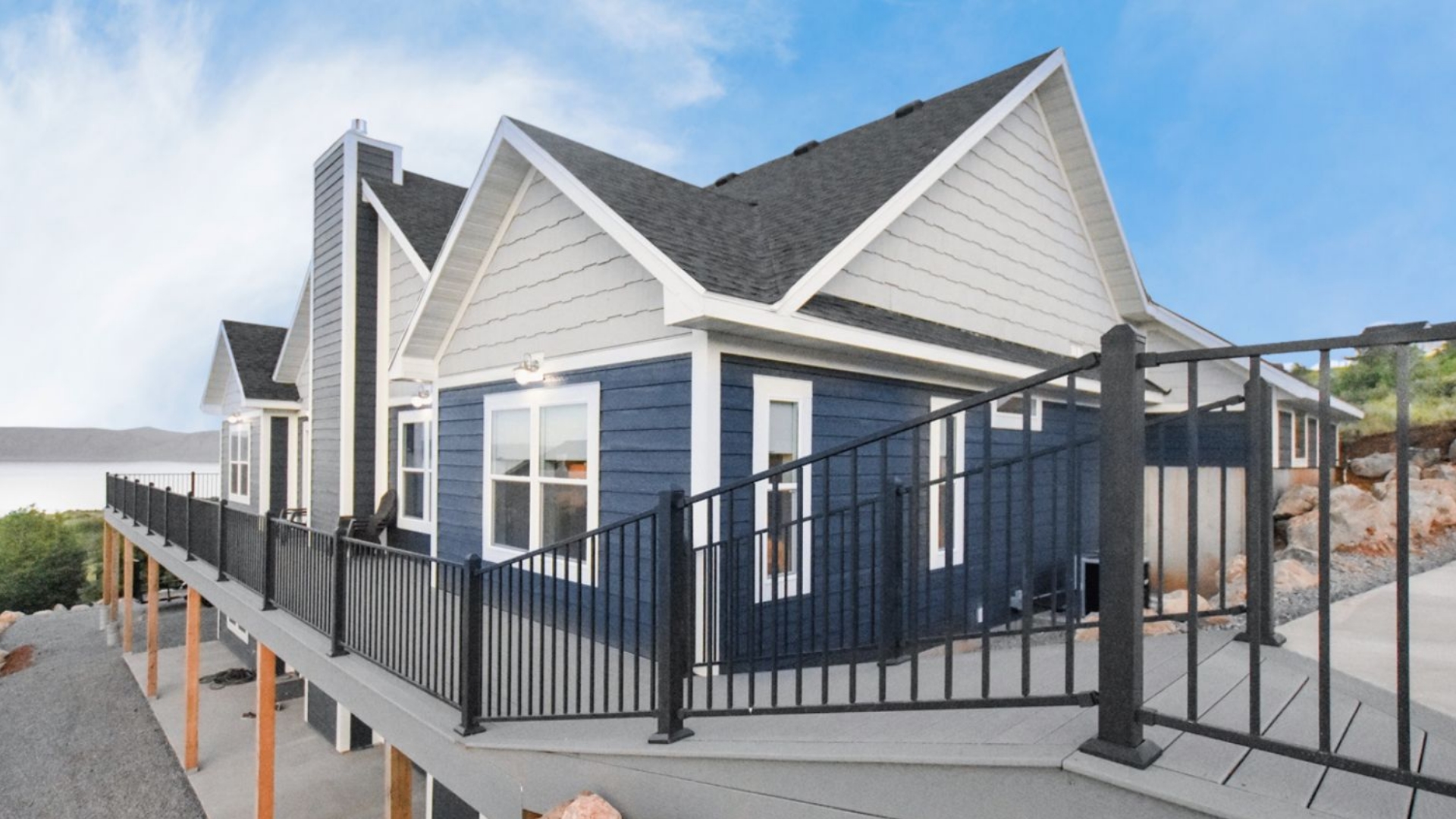
Second home shared ownership can give a family a consistent place to gather without asking one household to carry every purchase cost, operating bill, and maintenance decision alone. The model can work well for parents, adult children, and grandchildren, but the best experiences begin with more than a beautiful property. Families need a practical plan for who will use the home, how the calendar will work, which costs are shared, and what the ownership agreement says.
Explore shared ownership options
This guide focuses on those operating decisions. It is not a substitute for legal, tax, or financial advice. Property documents, schedules, fees, and owner rights are property-specific, so review the actual offering materials and ask qualified professionals questions before buying.
What is second home shared ownership? Answer: Second home shared ownership is a structure in which more than one owner holds a defined interest in a vacation property and shares the costs, responsibilities, and use according to documented rules. Unlike a simple informal promise between relatives, a professionally organized arrangement explains ownership rights, scheduling, payments, maintenance, decisions, and exits before the family begins using the home.
For families, the appeal is often practical and emotional. A familiar home can make annual reunions easier to plan, give children and grandchildren a place they know, and provide the consistency that short-term rentals do not always offer. At the same time, every owner needs a clear understanding of what is included in the arrangement and what remains the owner's responsibility.
What does a family actually own? The answer depends on the legal structure and the documents for the property. In Fraxioned's model, a property-specific LLC holds the home and buyers purchase membership interests connected to a defined share. That is different from merely purchasing a reservation, a hotel membership, or a fixed week. The exact ownership documents should explain the interest purchased, voting rights, usage rights, financial obligations, transfer rules, and any limitations.
Ownership and use are related, but they are not identical. A family may own a defined share and receive an annual usage allocation under the operating agreement. The share size, number of owners, property, and calendar rules determine how much time is available. Fraxioned commonly describes 1/8, 1/10, and 1/13 share structures, but buyers should confirm the current allocation for the specific home they are considering.
How is shared ownership different from a timeshare or an informal family purchase? A timeshare generally sells a right to use a property or group of properties for designated periods. Shared ownership can instead involve an ownership interest in a specific property, subject to its legal structure and documents. Families should verify that distinction in the purchase and operating documents rather than relying on a label in an advertisement.
An informal purchase with relatives can also create real ownership, but it may leave important questions unanswered. Who pays for a new roof? Can an owner bring guests? What happens if an adult child wants to transfer an interest? Who decides whether to replace the furniture? A written agreement and a defined management process turn those questions into operating rules instead of family arguments.
How can a family plan its use before buying? Answer: Start with a realistic annual use plan, not an idealized vacation calendar. List who expects to travel, which seasons matter, how many people will stay, and which dates are truly important. Then compare that pattern with the property's annual usage allocation and booking rules.
Multi-generational families often have different schedules. Grandparents may prefer longer stays, parents may be limited by school calendars, and adult children may need flexibility around work. Planning those differences in advance helps the family choose a property and share size that fit real life.
Map the people, seasons, and trip types Make a simple family use map before discussing a purchase. Include the following:
Travelers: Which households may use the home, and how many people will typically stay?Seasons: Does the family care most about summer lake trips, winter skiing, school breaks, or shoulder-season weekends?Trip types: Will the home host one large reunion, several smaller family visits, or a mix of owner stays and guest visits?Access needs: Does anyone need a first-floor bedroom, accessible entry, quiet space, or a layout that works for young children?Travel distance: How often will each household realistically make the drive or arrange transportation?This exercise can expose a mismatch early. A family that wants the same two holiday weeks every year may need a different calendar solution than a family that values flexibility more than peak-season access.
Match the ownership share to actual use A larger share may provide more annual nights, while a smaller share may better match a family that travels less often. Neither option is automatically better. The right question is whether the expected use, budget, and scheduling rules align.
Planning question Why it matters How many nights will the family use? Helps compare the expected need with the property's documented annual allocation. Which dates are non-negotiable? Shows whether holiday rotation or advance booking rules will affect the family's experience. Will households travel together? Determines whether the floor plan, sleeping capacity, and shared spaces fit the group. Who can use the home without the primary owner? Clarifies guest permissions and avoids assumptions about adult children or extended family. What happens to unused time? Shows whether the model permits rental management, rollover, or another documented option.
Fraxioned properties use a managed scheduling system, but the details still matter. Review the advance booking window, peak-period rules, cancellation process, guest policy, and any restrictions in the current owner materials.
Set expectations for guests and extended family Family members may assume that ownership gives everyone unlimited access. It does not. The agreement and operating rules should explain whether an owner can invite guests, whether the owner must be present, whether an adult child can book time, and how many people the home can safely accommodate.
Write down expectations about pets, parties, quiet hours, personal belongings, cleaning, and damage reporting. These are not minor details when several households share a home. Clear standards protect the property and make it easier for everyone to feel welcome.
How are second-home costs shared? Answer: Shared ownership divides the property's eligible costs according to the ownership structure and the governing documents. The purchase price is only one part of the budget. Families should understand recurring dues, property taxes, insurance, utilities, maintenance, reserves, cleaning, management, and any property-specific charges before they commit.
The goal is not to make costs disappear. It is to make the family's portion of a well-managed property clear and proportional. Ask for a current budget and an explanation of how owners are billed, what is included, and what happens when an expense falls outside the normal operating plan.
Separate purchase costs from recurring costs Upfront costs may include the purchase of the ownership share, closing expenses, document or transfer charges, and financing costs if applicable. Recurring costs may include annual dues, property taxes, insurance, utilities, HOA charges, management, cleaning, and contributions to reserves. A property may also have one-time projects or special assessments.
Do not compare a shared home with a full second home using only the share price. Compare the complete ownership experience. Ask:
Which expenses are included in annual dues? Which expenses are charged per stay or per cleaning? How are utilities and seasonal expenses estimated? How is the reserve fund built and reported? Who approves a special assessment and how is it collected? What happens if one owner pays late? A clear written budget is more useful than a broad promise that costs are shared. Families should keep copies of the current budget, fee schedule, and payment terms with the other ownership documents.
Understand maintenance and reserve planning A second home needs routine care even when the family is not there. The operating plan should address inspections, cleaning, landscaping, heating and cooling, appliances, furnishings, exterior work, and urgent repairs. It should also explain how the management team communicates an issue to owners and how quickly a decision is needed.
Reserves are another important topic. A reserve can help the ownership group plan for larger work rather than treating every replacement as a surprise. Ask what the reserve covers, how its balance is reported, and who can authorize a repair when waiting would risk property damage or disrupt a scheduled stay.
See how co-ownership can simplify shared home responsibilities
How do rental options fit into the family plan? Some shared ownership models allow owners to rent unused nights. In Fraxioned's Collective model, owners can rent unused time through professional management. The purpose for a family should be clear: rental activity can help offset operating costs when an owner cannot use an allocated stay. It should not be presented as guaranteed income or as a passive-income strategy.
Fraxioned's Exclusive model is designed for owner-only access and does not permit nightly rentals. Families should confirm which model applies to a property, how unused time is handled, what expenses are deducted, and what reporting owners receive. Rental rules are not interchangeable between homes.
What does professional management handle? Answer: A professional management team can coordinate the practical work that makes a shared vacation home usable, including maintenance, cleaning, repairs, utilities, landscaping, owner communication, and scheduling support. The exact scope depends on the agreement and property, so families should treat the management plan as a document to review, not an assumption.
Turnkey management is especially helpful when family members live in different cities or have demanding work and caregiving responsibilities. It creates a neutral operating layer between the owners and gives the family a clear place to direct questions.
Maintenance, cleaning, and arrival readiness Ask who checks the home between stays, who coordinates repairs, and how a problem is recorded. Also ask how the home is prepared for the next owner. A family should know whether cleaning happens after each stay, whether owners receive arrival instructions, and how damage or missing items are documented.
Good operations are visible without being intrusive. Owners should be able to see relevant updates, understand who is responsible for a task, and know when an issue affects a scheduled visit.
Which decisions remain with the owners? Management does not mean owners give up every decision. The agreement should distinguish routine operations from owner decisions. Routine cleaning may be handled by the manager, while a major renovation, change in use, or large unplanned expense may require owner approval.
Review voting thresholds, notice requirements, meeting procedures, and emergency authority. If a family cannot explain how a major decision is made, it is not ready to rely on an informal understanding.
How does scheduling work for a shared vacation home? Answer: Scheduling works best when the rules are visible, consistent, and designed to give owners fair access across the year. Regular stays may use an advance, first-come booking process, while high-demand holidays and peak weeks may use a rotation or other equitable method.
The calendar should be treated as part of the ownership experience. A family should review it with the same care as the property inspection because the home is only valuable to the family if the available time matches how they travel.
Review regular booking and peak-season rules Ask how far in advance owners can book, whether reservations can be changed, and whether there are blackout dates. For holidays, ask whether priority rotates, whether owners receive equal opportunities over time, and how the system handles two owners requesting the same week.
Fraxioned describes a fair owner scheduling system with real-time availability and equitable access to peak periods. Confirm the current rules for the specific property, including any differences between owner stays, guest stays, and rental-managed nights.
Build a family calendar without promising dates too early After understanding the rules, create a family calendar with three levels:
Priority dates: Holidays, school breaks, reunions, weddings, and milestone trips.Flexible dates: Long weekends, shoulder-season visits, and shorter stays that can move if needed.Backup plans: Alternate dates or another household's invitation if a preferred week is unavailable.This approach avoids treating every requested date as a right. It also gives parents and adult children a fair way to discuss the calendar without making one person responsible for all coordination.
What should a family review in the ownership agreement? Answer: Before buying, review the ownership agreement, operating agreement, usage rules, budget, and exit provisions as one connected system. The documents should answer who owns the interest, who may use the home, how money is collected, how decisions are made, and how an owner can transfer or sell the interest.
Families should have their own attorney and tax adviser review documents when appropriate. A guide can help you prepare questions, but only the actual agreement controls the legal relationship.
Topic Questions to ask before signing Ownership What entity owns the home, what interest is purchased, and what rights attach to that interest? Usage How many nights are allocated, who may stay, and what guest rules apply? Scheduling How are regular dates, holidays, cancellations, and competing requests handled? Costs Which costs are recurring, how are they divided, and how are reserves or special assessments approved? Management What does the manager handle, what does it cost, and which decisions require owner approval? Transfers Can an owner sell or transfer the interest, is there a right of first refusal, and how is a buyer approved? Family succession What happens if an owner dies, divorces, becomes incapacitated, or wants to give the interest to an adult child? Disputes What is the process for addressing missed payments, property damage, scheduling conflicts, or disagreements?
Plan for changes in the family Families change over time. Children grow up, grandchildren arrive, work moves, and health or financial circumstances can shift. A thoughtful agreement does not predict every event, but it explains what happens when an owner wants to transfer an interest, sell, or change how the home is used.
Ask how the process protects the other owners and how the selling owner receives a fair opportunity to exit. Review any transfer restrictions, timelines, fees, valuation method, and required approvals. If the answer is only "we will work it out later," the family needs more documentation.
Is second home shared ownership right for your family? Answer: Shared ownership may fit a family that values a recurring gathering place, can plan around a shared calendar, and is comfortable following written rules for costs, guests, maintenance, and decisions. It may not fit a family that needs unlimited access, wants complete control over every date, or is not prepared to make timely payments and decisions with other owners.
Use this final checklist before moving from interest to a property-specific review:
We know why we want a second home and how often we will realistically use it. We have compared the property's documented usage allocation with our priority dates. We understand the purchase cost, recurring dues, reserves, cleaning, management, and possible special assessments. We know whether the home is Collective or Exclusive and how unused time is handled. We understand the scheduling process, including holidays and cancellations. We have reviewed who may use the home, what guests can do, and how damage is handled. We know which decisions the manager makes and which decisions require owner approval. We have reviewed transfer, resale, succession, and dispute provisions with qualified advisers. For families who want to compare actual homes, review the current Fraxioned listings and ask for the property-specific documents. A conversation about the home, calendar, and operating budget is more useful than choosing a share based on a headline alone.
Compare family co-ownership options
Frequently Asked Questions Can parents and adult children share a second home? Yes, parents and adult children can explore shared ownership together, but the arrangement should define ownership, usage, guest permissions, costs, decision-making, transfers, and succession. The family should not rely on a verbal promise about who can use the home.
How are costs divided in second home shared ownership? Costs are divided according to the ownership structure and governing documents. They may include the purchase share, closing expenses, annual dues, taxes, insurance, utilities, HOA charges, cleaning, management, maintenance, reserves, and special assessments. Ask for the current budget and fee schedule for the property.
How do co-owners schedule holidays? The scheduling rules vary by program and property. A managed model may use advance booking for regular periods and a rotation or other equitable method for holidays and peak weeks. Review the current calendar rules before buying and compare them with the family's priority dates.
What happens when a family member cannot use an assigned stay? The answer depends on the agreement and ownership model. Some Collective homes may allow unused time to be rented through professional management, which can help offset operating costs. Exclusive homes are owner-only and do not permit nightly rentals. Confirm the current policy before making plans.
Do owners need a written agreement? Yes. The agreement should explain ownership, use, costs, maintenance, decisions, transfers, succession, and dispute resolution. Have a qualified attorney review the documents for the family's situation, because a general article cannot replace property-specific legal advice.
Where can a family learn more about the ownership model? Start with Fraxioned's shared ownership overview and co-ownership information . Then review the property-specific offering materials, budget, calendar rules, and agreement before deciding whether to schedule a consultation.
Learn more about shared ownership for your family