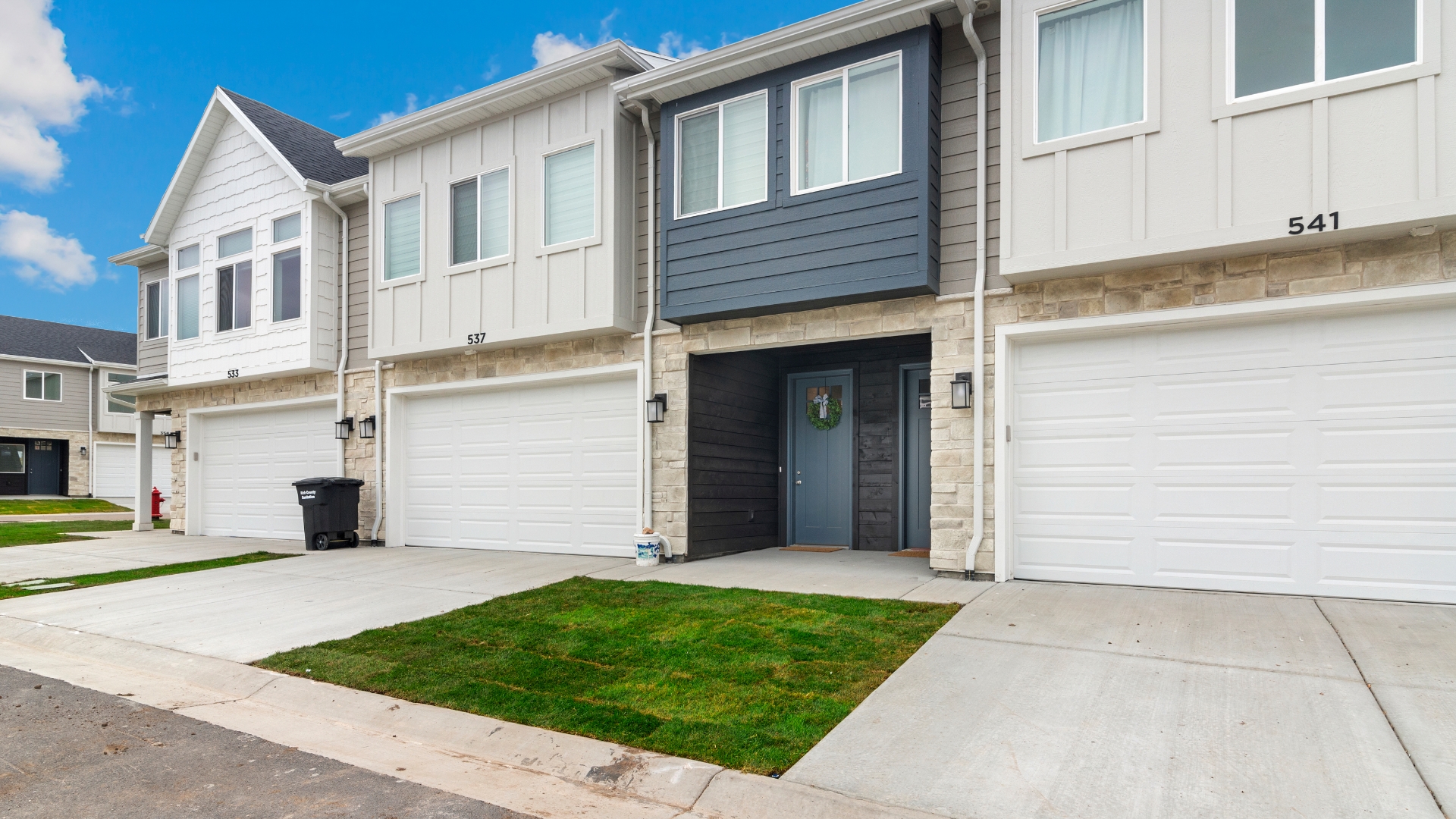
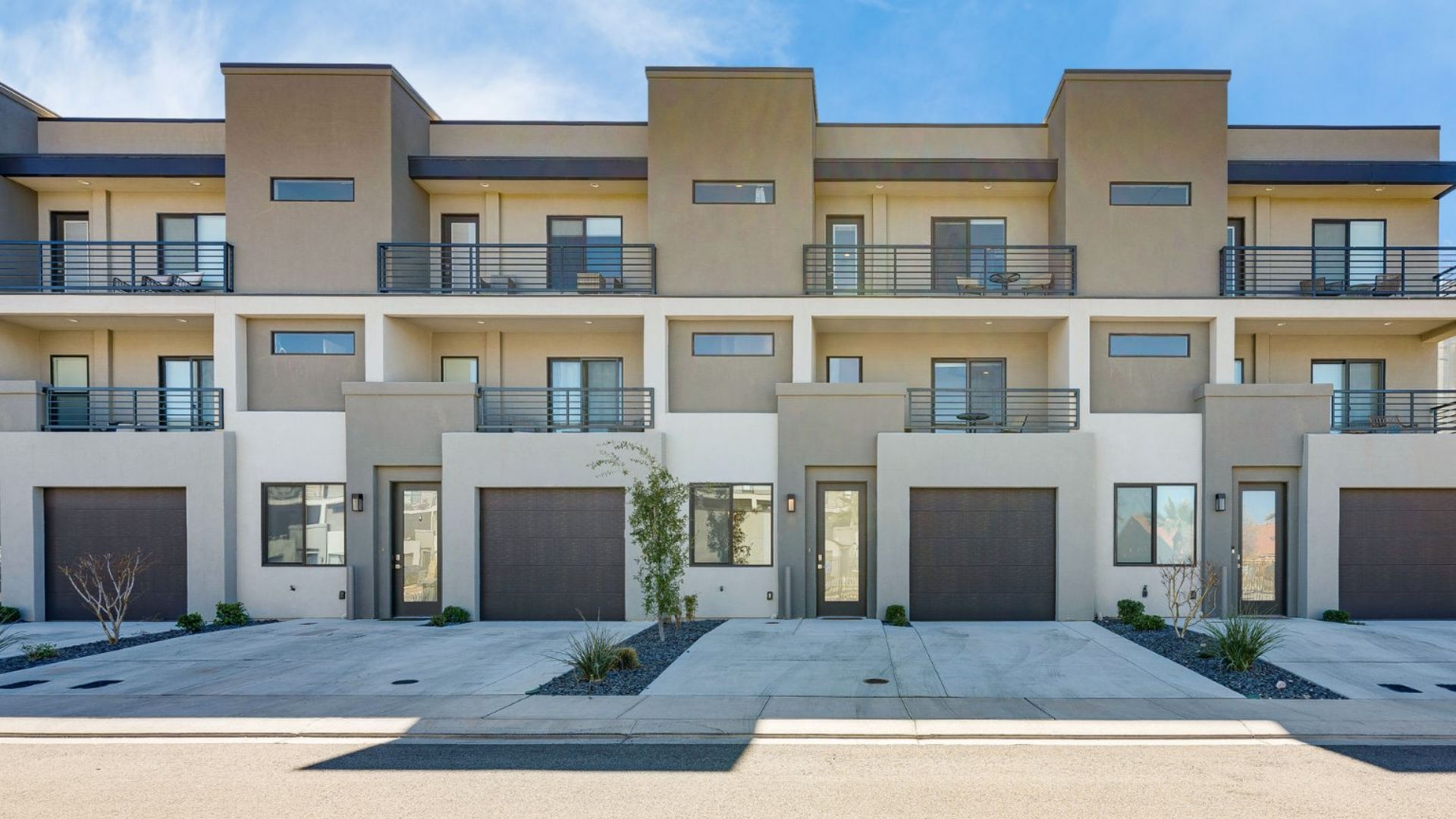
Many families want a vacation home they can return to year after year, but full ownership can bring more cost, upkeep, and unused space than they need. Shared ownership offers another path: several owners hold defined interests in one professionally managed home and share its use according to the property's documents and scheduling rules.
Learn how co-ownership works
The shared ownership meaning is simple: you own a defined interest in a vacation property, rather than merely buying access to it. That ownership may include equity, usage rights, and responsibilities, while the exact share, schedule, costs, and transfer terms depend on the property.
Understanding those details makes it easier to decide whether a shared home can support the way your family travels, gathers, and creates memories. Start with what the ownership interest represents and how it connects to the home itself.
Understanding Shared Ownership Meaning for a Vacation Home Shared ownership means two or more people hold current ownership interests in the same property rather than one person owning the entire home. In a vacation-home setting, that can combine a defined ownership interest with a practical way for families to share use, costs, and certain responsibilities. The exact rights depend on the property's title, governing documents, and operating arrangements.
For a family comparing a second home with a shared arrangement, the first question is not simply how often the home can be visited. It is what the family would own, how access would be scheduled, and which responsibilities would remain theirs. Shared ownership can be a fit when relatives want a recurring gathering place but do not need. Or do not want to carry, the full acquisition and operating burden of a home used by one household.
Ownership is different from access A booking right, vacation rental reservation, or membership can provide access without creating a property interest. By contrast, co-ownership involves current ownership interests held by two or more people. One common legal structure, tenancy in common, gives each owner a separate but undivided interest in the property, as explained by Cornell Law School's legal reference . The documents control the details, so families should not assume that every shared-home offering uses the same structure.
Fraxioned describes its model as deeded shares in furnished, professionally managed vacation properties . That approach combines equity ownership with a reduced share of acquisition and operating responsibilities, while leaving the home's use and management terms property-specific. Share sizes, annual usage, scheduling rules, and the scope of management should all be reviewed before choosing a property.
The practical meaning is straightforward: families may share a real vacation-home ownership interest, not merely purchase temporary stays. The decision still requires careful review of title, costs, expected use, access rules, and management. The goal is a clear fit for family time and ownership expectations, rather than an assumed financial outcome.
What Does a Shared Owner Actually Own? Answer capsule: A shared owner typically owns a defined legal interest in a specific vacation property, not merely a reservation package. That interest can include title rights, use rights, and rules for transferring or passing the share to heirs. The exact answer depends on the property's deed, ownership entity, operating agreement, and related documents.
Fraxioned offers deeded ownership shares in furnished, professionally managed vacation properties. In a property-specific structure, owners may hold their interests through an LLC or another legal arrangement. The deed and governing documents should make clear what the share represents, how decisions are made, and how owners access the home. Families considering this model can learn how co-ownership works before comparing a particular property.
A share is an interest in the property, not a particular room One common form of real-estate co-ownership is tenancy in common. Each owner has a separate but undivided interest in the property. Meaning the ownership is divided legally even though the home itself is not divided into privately owned rooms. Tenants in common may hold unequal shares, and unequal ownership does not automatically mean that one owner has exclusive rights to a specific part of the home. Use, scheduling, expenses, and management are controlled by the property documents.
That distinction matters when reviewing a listing. Ask whether your interest is deeded directly, held through a property-specific LLC, or documented another way. Then confirm what the share includes, how annual use is allocated, whether unused nights can be rented. And what happens if the property is sold or the ownership structure changes. Share sizes and usage can vary by property and share, so a general example should never replace the documents for the home you are evaluating.
What happens if an owner wants to transfer or leave a share? A co-owner's ability to transfer a share may be addressed in the governing agreement. In a tenancy in common, one owner's transfer generally does not eliminate another owner's interest. A tenancy in common also typically has no automatic right of survivorship. So an owner's share may pass under that owner's will rather than automatically going to the other co-owners. Review transfer restrictions, resale procedures, buy-sell provisions, and estate-planning consequences with a qualified real-estate attorney and tax or financial professional. Those professionals can explain how the property-specific terms apply to your family.
How Do Families Use and Schedule a Shared Vacation Home? Answer capsule: Families share a vacation home through a property-specific use plan that explains each owner's allocation, booking process, holiday rules, guest expectations, and responsibilities. The exact share size, annual usage, and scheduling terms vary by property, so the governing documents matter more than any universal promise about nights or access.
For a family, the value of shared ownership is often the ability to return to a familiar place with the people who matter most. Parents, children, and grandparents may coordinate visits around school calendars, work commitments, and family celebrations. A fair scheduling system turns that shared interest into a practical plan by showing when owners can request stays. How competing date preferences are handled, and whether certain dates rotate among owners.
Holiday access deserves particular attention. The property documents should explain how high-demand periods are allocated, whether requests are made in advance, and what happens when multiple owners want the same week. Families should also ask whether unused time can be released, exchanged, or rented, and under what conditions. Those rules are not automatically the same across properties or ownership models.
Guests are another important part of the conversation. Before purchasing, confirm whether owners may invite extended family or friends, whether occupancy limits apply, and who is responsible for communicating house rules. Clear expectations help preserve the home and reduce misunderstandings between co-owners.
Professional management can handle much of the operational work around reservations, turnovers, maintenance coordination, and day-to-day property needs. The scope still depends on the specific home and agreement. Review those inclusions carefully rather than assuming that every management plan covers the same services. For a closer look at allocation methods and competing date preferences, see how co-owners schedule vacation stays .
Which Costs and Responsibilities Should Buyers Expect? Answer capsule: Shared ownership costs are not limited to the purchase of a share. Buyers should evaluate the property's total ownership and operating responsibilities, then compare them with expected family use, access, upkeep, and the management scope promised for that specific home.
Start with the acquisition side of the decision. Review what the share represents, how ownership is documented, and which property-specific terms govern access and future decisions. Then look beyond the initial purchase. Ongoing responsibilities may include the home's ordinary operating costs, maintenance, insurance, taxes, association or HOA obligations where applicable, and other items described in the ownership documents. The exact categories and treatment vary by property, so a general estimate should never replace a review of the listing and governing documents.
Condition matters, too. Before choosing a home, ask what inspections or condition reports are available, what is included in the review process, and how repairs or replacements are approved and funded. Fraxioned's listings guidance recommends considering location and access, condition and inspections, total ownership costs, expected family use, and maintenance and management together. View current vacation-home listings and examine those questions at the property level.
Management can simplify the experience, but it does not make every responsibility disappear. Professional management may address day-to-day property needs, guest readiness, and coordination, yet buyers should confirm the precise scope for each home. Ask who handles routine maintenance, urgent repairs, vendor decisions, supplies, and owner communication. For more context, read about professional management for co-owned homes .
Finally, ask whether the home's location and access fit how your family actually travels. Whether the condition matches your expectations, and whether the total commitment makes sense compared with sole ownership or other alternatives. Clear answers create a more useful picture of shared ownership meaning than a headline purchase figure ever can.
How Is Shared Ownership Different From Renting or a Timeshare? Answer: Shared ownership can give families a deeded equity interest in a specific vacation property, while renting generally provides temporary use under a lease or reservation. Timeshare-style arrangements usually focus on the right to use accommodations under a program's rules, but the legal and financial details vary. The governing documents, not the label, determine what a buyer actually owns and can do.
A useful first step in understanding shared ownership meaning is to separate ownership from access. In a tenancy in common, for example, each owner holds a separate but undivided interest in the property. A leasehold, by contrast, gives someone the right to use property for a stated purpose and period. Fraxioned describes its model as deeded shares in furnished, professionally managed vacation properties, with the share size, usage, and management terms varying by property.
Key questions when comparing vacation-home arrangements Arrangement Ownership interest Use Responsibilities Questions to ask Shared equity ownership May include a deeded share or other defined equity interest. Use follows the property's scheduling and governing rules. Costs and day-to-day duties are allocated according to the documents and management arrangement. What is deeded? How are use, expenses, transfers, and resale handled? Renting Typically no ownership interest in the property. Use lasts for the period stated in the lease or reservation. The renter's duties and included services depend on the agreement. What is included, and what happens when the term ends? Timeshare-style access May provide a use right or program interest rather than an interest in a particular home; verify the documents. Use depends on program rules, calendars, and availability. Fees, maintenance obligations, and transfer rules vary. Is there property ownership, or only a right to occupy? What are the exit terms?
For a closer look at the practical distinctions, read shared ownership versus renting and fractional ownership versus timeshare . Families should review the specific offering's title, use schedule, expenses, management scope, and transfer provisions before deciding whether it supports the way they want to gather.
Which Shared Ownership Model Fits Your Family's Use? Answer: Choose Collective when your family wants owner access with the option to have unused nights rented through professional management. Choose Exclusive when the home should remain reserved for owners and your family does not want rentals. Both models should be evaluated around how your family plans to enjoy the property, not around an assumed financial return. Learn how co-ownership works before comparing specific property terms.
The right fit often starts with a practical question: when your family is not using the home, what do you want to happen? In Fraxioned's Collective model, owners may rent unused nights through professional management. That arrangement can help put otherwise unused time to work and may offset some operating costs, but rental activity, proceeds, and applicable terms are property- and program-specific. It is not a promise of passive income or a guaranteed financial outcome.
When might Collective make sense? Collective may suit families who want a recurring place for holidays, reunions, or extended weekends but expect some gaps in their annual calendar. The model preserves owner use while allowing unused nights to be rented according to the applicable management and scheduling rules. Ask how owner reservations are prioritized, how rental availability is determined, and how any rental-related costs or proceeds are handled for the specific home.
When might Exclusive be the better fit? Exclusive is reserved for owner use and does not permit rentals. That may appeal to a family that values privacy, predictable access, and a home kept entirely for personal gatherings. The tradeoff is that unused nights remain unused rather than being offered to renters. Review the property's scheduling, maintenance, and management terms carefully, since the exact responsibilities and access rules can vary.
In either model, compare expected family use with the full ownership arrangement, including location, access, ongoing costs, upkeep, and management. The strongest choice is the one that supports how your favorite people will realistically use the home.
What Should Families Ask Before Choosing Shared Ownership? Answer: Families should evaluate shared ownership as both a real-estate decision and a practical plan for spending time together. Before comparing homes, confirm the ownership documents, expected use, scheduling rules, full costs, management responsibilities, and options if your plans change.
Will this fit how our family actually travels? Discuss how often parents, children, and grandparents expect to visit, whether school holidays matter, and whether the location is convenient enough for repeat trips. Compare that pattern with the property's available access and view current vacation-home listings for a realistic sense of fit.Does the property work for our gathering style? Review bedrooms, common spaces, amenities, accessibility, nearby activities, condition, and inspection information. A beautiful home is not automatically the right home if it cannot comfortably support the people who will use it.What exactly would we own? Ask whether the arrangement provides a deeded share, an undivided interest, or another legal structure. Title documents identify the rights held by an owner, and a tenancy in common can involve separate but undivided interests. Have a qualified real-estate attorney review the documents, because the form of co-ownership may affect what happens after an owner's death. Review the basic tenancy-in-common definition , then rely on the property's documents.How are stays allocated? Ask how owners request dates, how peak periods and holidays rotate, what happens when requests conflict, and whether unused time can be rented. For more detail, read about how co-owners schedule vacation stays .What will we pay and handle? Request the complete purchase and ongoing cost schedule. Discuss maintenance, insurance, reserves, utilities, taxes, and management scope. Property-specific terms control, so do not rely on a universal price or assume professional management includes every responsibility.What happens if our family needs to transfer or exit? Ask about transfer restrictions, resale procedures, inheritance, timing, and fees. Do not assume appreciation, rental income, tax benefits, or resale proceeds are guaranteed.Finally, ask an independent attorney and, where appropriate, a tax professional to review the arrangement for your circumstances. A careful review helps your family choose a place that supports Your Favorite Place With Your Favorite People , not merely a share that looks attractive on paper.
Compare how shared vacation-home co-ownership works
Frequently Asked Questions What does shared ownership mean for a vacation home? Shared ownership means two or more buyers hold ownership interests in the same vacation property instead of one family owning the entire home. In Fraxioned's model, families purchase deeded shares in furnished, professionally managed properties, with the specific share, use rights, and obligations set by the property's documents.
Who owns the other share of a shared vacation home? The other shares are held by the property's other co-owners. Each owner has an interest defined by the governing title and ownership documents, while scheduling rules determine how owners coordinate stays. Review those documents carefully because ownership structures can affect use, transfer, and inheritance rights.
How does a family schedule time in a shared home? Co-owners use the property's scheduling system to request and allocate stays, including periods when several families may prefer the same dates. The process and annual usage vary by property and share, so ask how holidays, peak dates, cancellations, and exchanges are handled before choosing a home.
Is shared ownership a good fit for every family? It may fit a family that wants a recurring gathering place but does not expect to use or manage an entire second home. Compare your expected personal use, desired location and access, ongoing costs, maintenance responsibilities, and tolerance for coordinating with other owners before deciding.
How can an owner leave a shared ownership arrangement? Exit options depend on the ownership and management documents for that property. Ask whether and how a share can be transferred, what approvals or processes apply, and how an owner's estate is handled. Do not assume appreciation, rental income, or a particular resale result is guaranteed.
Ready to Explore a Vacation Home for Your Family? Shared ownership can be a practical way to create a consistent gathering place while matching your family's preferences for use, care, and location. Reviewing available homes is a helpful next step because each property has its own ownership details and terms.
Explore current vacation-home listings