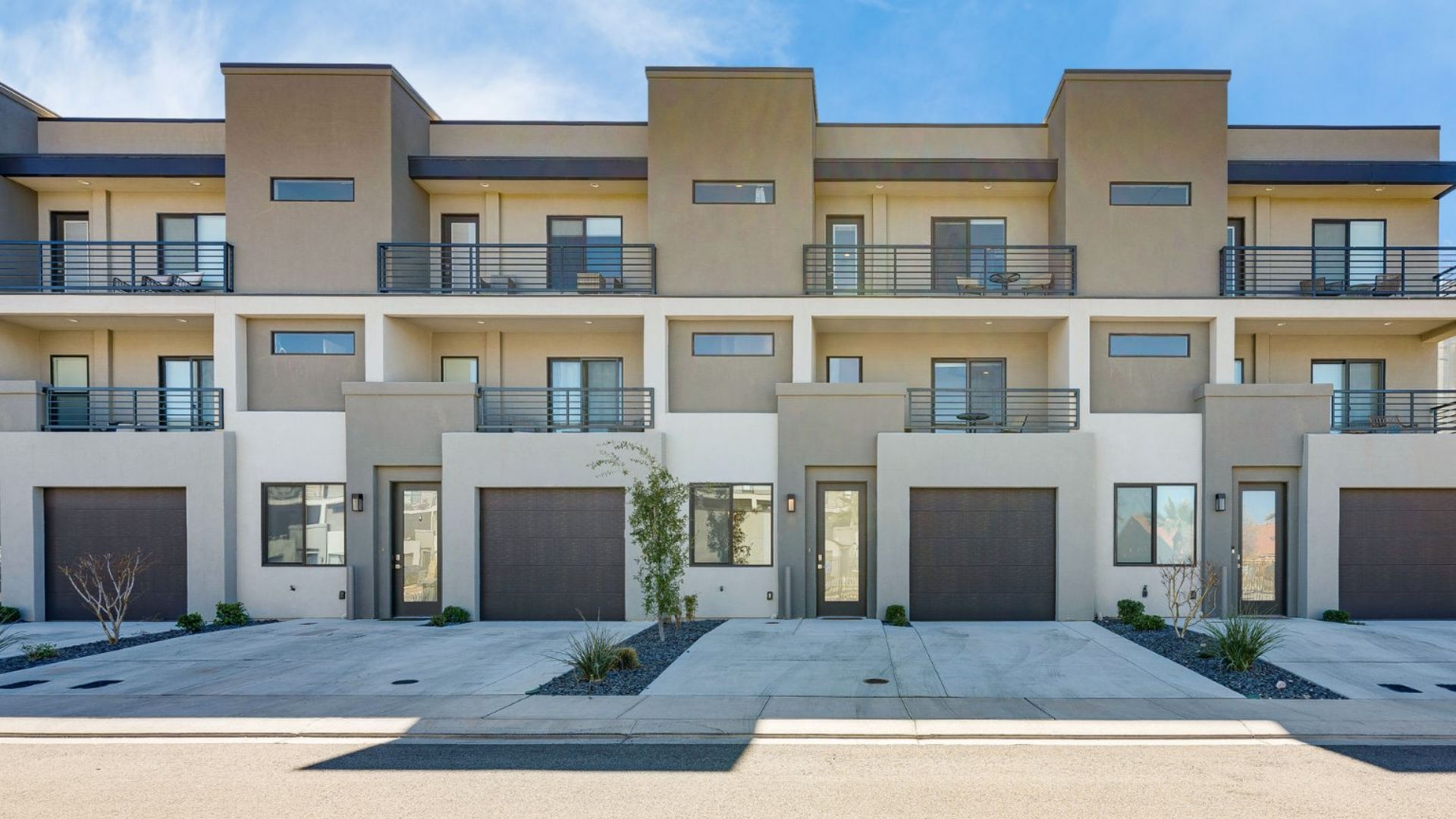
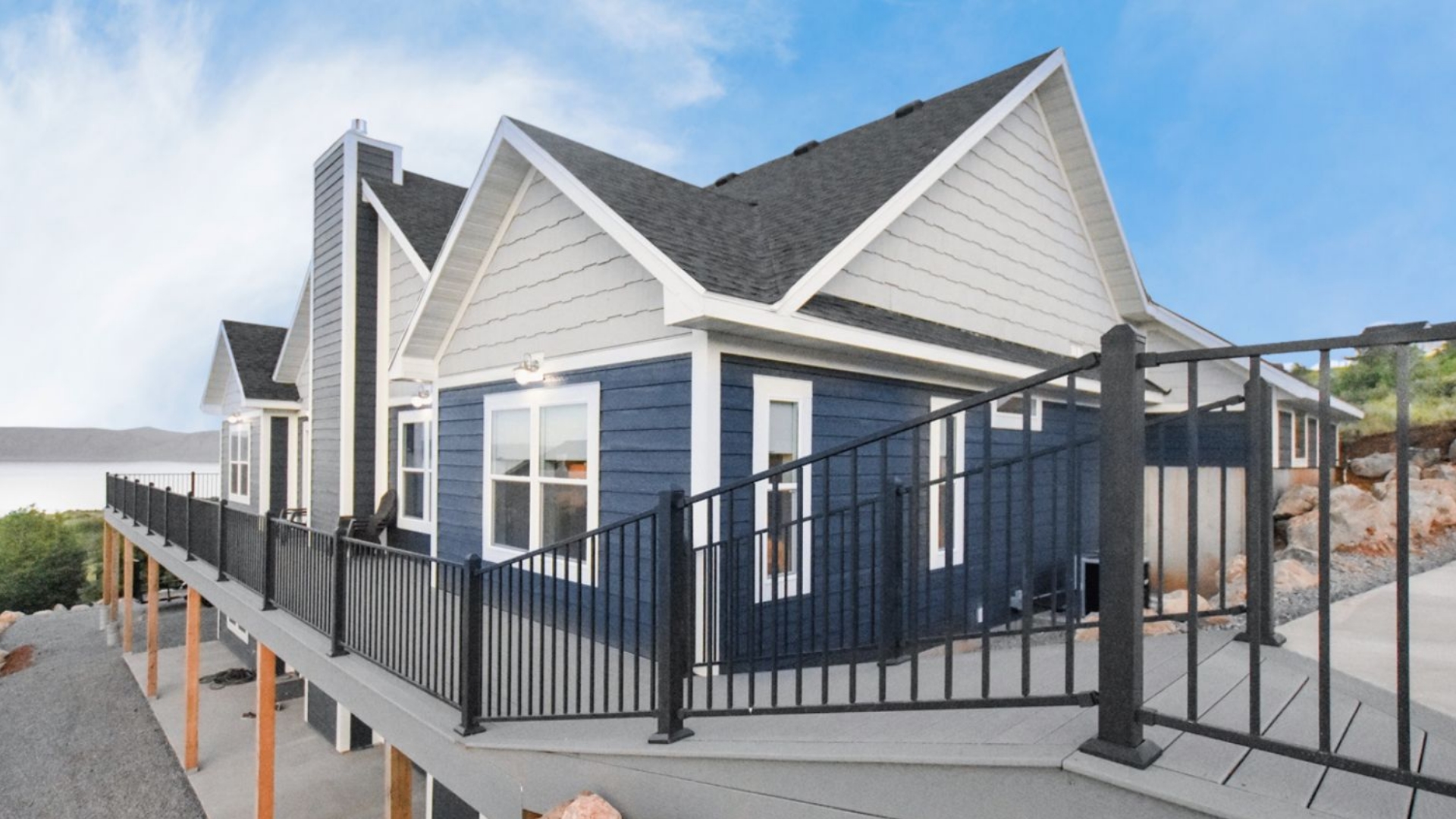
A lakeside cabin or mountain home offers a perfect place for family gatherings across many years. To buy these special homes, you must learn to follow a unique mortgage process.
Schedule a free consultation to explore vacation home mortgage options
A vacation home mortgage is a conventional home loan designed for buyers who want to purchase a secondary property for personal use and family getaways. To qualify for this loan, you typically need a down payment of 10% to 15%, a credit score of 620, and a low debt-to-income ratio. Because lenders view second homes as higher default risks than primary residences, conventional lenders enforce strict guidelines, and government-backed FHA or VA loans are unavailable. You must prove you can easily handle payments on both your primary mortgage and your new second-home loan at the same time. Ultimately, this specialized financing option helps your family purchase a wonderful legacy retreat where you can build cherished memories with your favorite people.
If you are ready to buy a second home, you probably want to know how this financing process differs from your primary residence. To help you get started, we will look at how a vacation home mortgage works and what it takes to qualify. First, here is how the process begins.
How a Vacation Home Mortgage Works A vacation home mortgage is a home loan used to buy a second home for family trips and getaways. Unlike a main home loan, these mortgages are only offered by private lenders. They also require a higher credit score, a larger down payment, and a lower debt-to-income ratio to qualify.
The Role of Private Lenders When you buy your main home, you can often use government-backed loans. These include FHA or VA programs that offer low down payments. But these special loans are not open for a second home. You must use conventional loans from private lenders to buy a vacation home. This means you will work with banks, credit unions, or mortgage firms rather than turning to federal backing. These lenders take on more risk when funding a second home, so they set strict rules to protect their funds.
Private lenders do not have the safety net of a government backup when they write these loans. For instance, the Federal Housing Administration (FHA) only backs loans for homes that owners live in full-time. Because of this, private banks must closely check your finances. They will look at your tax returns, your monthly income, and your current home loans to ensure you are a safe borrower.
Why Qualifying Is Harder Lenders know that if times get tough, people will pay their main mortgage first. Because of this, getting a vacation home mortgage is harder than getting a loan for your main house. Lenders look closely at your cash reserves, your debts, and your credit record. They want to make sure you have steady income to handle two house payments at once.
To qualify, you will need a strong credit score and a low debt-to-income (DTI) ratio. Most lenders want to see a credit score of 620 or higher. They also look for a DTI ratio below 43 percent. This limit matches safe lending rules from the Consumer Financial Protection Bureau . If your debts are too high compared to your monthly pay, lenders may turn down your request.
How Fractional Co-Ownership Simplifies the Process If a standard vacation home mortgage feels too heavy or complex, you have other options. Many families now choose co-ownership to get their dream second home without the massive debt. Through this model, you buy a deeded share of a fully furnished luxury home. You only pay for the share you use, which keeps your upfront costs and monthly fees low. It is a smart, transparent way to buy a luxury home without the stress of managing a sole mortgage on your own.
Vacation Home Mortgage Requirements: Down Payments, Credit, and Debt-to-Income To qualify for a vacation home mortgage, buyers must meet stricter guidelines than they would for a primary home. This includes making a higher down payment, having a higher credit score, and keeping a low debt-to-income ratio.
Why Vacation Home Standards Are Stricter Getting a vacation home mortgage is often harder than buying a main home. Lenders take on more risk with a second home, so they enforce tight rules. If you face hard times, you will likely pay your primary home loan first and let the second home go. This is why you must prove you have a strong financial path before you buy.
Lenders also check how you plan to use the property. Many banks use a minimum distance rule. The new home must be a set distance from your main house. This is often fifty miles or more to prove you will use the house for getaways. If the home is too close, lenders might class it as an investment property, which changes your loan terms.
Down Payment and Credit Rules A big difference you will find is the cash you need upfront. Buying a second home as a secondary residence often requires a ten or fifteen percent down payment. This is much higher than the three percent down payment you can often use for a main home. Review CFPB tips on how to determine your down payment to plan your budget. If you want to research more paths, you can look at common vacation home loan options that fit your needs.
Lenders also look closely at your debt-to-income (DTI) ratio and credit score. To get a loan for a getaway, most banks want a credit score of 620 or higher. Your DTI ratio should be 43 percent or lower to show you can handle two home loans. You can check the CFPB page on what is a debt-to-income ratio to see how banks figure this rate. A clean credit history and low debt are key to getting your loan approved.
How Loan Types and Guidelines Compare The rules for your loan depend on how you plan to use the property. Investment properties require higher down payments than vacation homes. They also come with higher interest rates. Lenders sort loans into distinct types, each with its own down payment, credit, and debt limits. The table below compares these typical loan guidelines to help you plan your next step.
Loan Type or Property Use Min Down Payment Typical Credit Score Max Debt-to-Income (DTI) Conventional Second Home 10% to 15% 620 or higher Up to 43% Fannie Mae Single-Unit 15% 620 or higher Up to 43% Fannie Mae 2 to 4 Units 25% 620 or higher Up to 43% Investment Property 25% 640 to 680 Up to 43%
Secondary Residence or Investment? How Your Use Shapes the Loan Lenders group a vacation home based on how often you stay there and whether you rent it out. This choice changes your loan terms, down payment, and rate, so you must know how your plans affect your costs.
The 14-Day Rental Rule If you rent the home, you must stay in it for at least 14 days each year. You can also stay for 10 percent of the days it is rented. This guideline from IRS Topic No. 415 helps decide if your home is a residence or a business. If you stay less than this, the property becomes an investment in the eyes of your lender.
When a home is treated as an investment, your vacation home mortgage will change. If you use the home as an investment, you will pay a higher rate. The down payment will also be much higher. Lenders see these loans as risky. You are more likely to stop payments on a rental if times get tough.
How Renting Affects Financing and Costs The way you use your second home affects your financing options and ongoing costs. If you use the home mostly as a rental, you will face different costs for your mortgage and your ongoing costs to own it. For example, some local areas have strict rules for short-term rentals. You may need to pay for special permits, higher property taxes, or business insurance.
Renting out a home also means you have to manage it. These tasks can add stress and eat up your free time. Many owners hire a team to handle guests, cleaning, and repairs. This cost to manage it can take a big bite out of your rental income. If you do not want this work, co-ownership can give you a turnkey family home with full-service care.
Why Local Knowledge Matters Local rules can make or break your plans to rent out a property. This is why working with a local lender and a local Realtor is so helpful. These experts understand the specific rules and trends in the local market. For instance, some towns in Utah do not allow short-term rentals in certain areas. A local expert will know these details and guide you to the right homes.
A local team also helps you find the right loan options. They can help you compare a second-home loan to an investment loan based on how you use it. If you plan to use the home mostly for family time, a second-home loan is often best. If you want to rent it out often, you will need an investment loan. Having local experts on your side ensures you choose the right path and avoid costly mistakes.
What Are My Financing Options for a Vacation Home? To buy a vacation home, you can choose from conventional loans, home equity options, or cash-out refinances. Because government-backed programs do not apply to second homes, you must work with a private lender to secure your funding.
Conventional mortgages and adjustable-rate loans A conventional fixed-rate loan is a common choice for a second home. This loan keeps your rate and monthly payment the same for the life of the mortgage. This fixed cost makes it easy to plan your family budget. Private lenders usually ask for a larger down payment and a higher credit score when you buy a second home.
You can also choose an adjustable-rate mortgage. This option often starts with a lower interest rate for a set number of years. After that time, the rate can change based on the market. This choice can save you money if you plan to keep the home for only a short time.
But you must remember that government-backed programs do not apply here. According to the U.S. Department of Housing and Urban Development , loans from the FHA or VA are only for primary homes. For a second home, you must get a private loan.
Home equity loans and HELOCs If you already own a primary home, you can use its equity to fund your new home. A home equity loan lets you borrow a lump sum of cash against your current home. You pay this loan back at a fixed interest rate over a set term. This is a simple way to get cash for a down payment or to buy the property in full.
Another way to tap your equity is a home equity line of credit. A home equity line of credit works like a credit card. You can draw funds as you need them during a set period and only pay interest on what you use. This freedom is great if you want to make repairs or buy furniture for your getaway.
If you are thinking about using a HELOC for a second home , you should weigh the pros and cons. Using your current home as security puts it at risk if you cannot pay. But it can also give you a lower interest rate than a standard vacation home mortgage.
Cash-out refinancing A cash-out refinance is a third way to use your home equity. With this choice, you replace your current primary mortgage with a new, larger loan. You then take the difference between the two loans in cash. You can use this cash to fund your vacation home or to make a large down payment.
This option is best when interest rates are lower than your current rate. It lets you keep all your home debt in one place. However, refinancing will reset your mortgage term, and you will have to pay closing costs. Make sure to talk with a financial advisor to see if this path is right for your family.
Vacation Home Mortgage vs. a Primary or Investment Loan: Key Differences Funding a second home comes with other rules, rates, and down payment tiers than a primary home or an investment property. These facts shape how you qualify and how much cash you must bring to the closing table.
When you plan to buy a second home, a vacation home mortgage will work in other ways than other loans. Lenders group these loans into distinct tiers based on how you will use the house.
Get started today and see how a vacation home mortgage compares with co-ownership
Down payment tiers Primary homes get the easiest terms. Vacation homes sit in the middle, while investment houses have the strictest rules. More equity helps protect the lender from risk if a buyer defaults on the loan.
When you buy a primary home, you can often get a loan with just 3% down. Lenders need more cash to back second homes and investment properties.
Primary home: often 3% to 5% down Vacation home: often 10% to 15% down Investment property: often 20% to 25% down Interest rate differences Interest rates vary by how you use the home. Primary loans have the lowest rates because lenders view them as safe. A vacation home mortgage often carries a slightly higher rate. This rate is often about 0.25% to 1% higher than a primary loan.
Investment homes have the highest rates of all. Because you do not live there, lenders view these loans as higher risk. If times get tough, owners often pay their primary mortgage first and let the other loans go.
Credit and qualifying rules Lenders are much more strict when you apply for a second home. Getting a loan for a vacation home is harder than getting a loan for your main house. They look at your score, cash reserves, and debts with extra care.
Your debt-to-income ratio (DTI) shows how much of your monthly income goes toward paying debts. For a primary home, some lenders accept a DTI as high as 45% or 50%. But second home lenders want a DTI of 43% or lower.
You will need a better credit score for a second home. Primary loans might accept a score in the low 600s. But you will need a credit score of 680 or higher to qualify for a vacation home. Lenders also want to see several months of cash reserves.
If you want a simpler path than a standard second home loan, you might consider co-ownership as another path. Buying a share of a home reduces your upfront cash needs and takes away the stress of a large solo mortgage.
How Much Does a Vacation Home Cost Beyond the Mortgage? Owning a second home involves running costs far beyond the monthly mortgage payment. From property taxes and high-risk insurance to management and upkeep, these recurring fees can add thousands of dollars to your annual budget.
Beyond the loan payment, vacation home ownership typically brings these recurring costs:
Homeowners insurance and property taxes Utilities, heating, and cooling year round Maintenance, repairs, and furnishings HOA fees and professional management Stricter Homeowners Insurance and Property Taxes When you buy a second home, you must plan for higher insurance costs. Mortgage lenders will always require you to carry homeowners insurance on your property. Your rates will vary based on where you buy. For instance, beachside homes cost more to insure because they face risk from storms and floods. Wind, water, and hail can cause major damage, so you will need a strong policy to protect your second home.
You can learn more about flood risk and flood plans from the FEMA website . You must also budget for local property taxes. These taxes vary by county and state, and they can rise over time. In some vacation towns, high property tax rates can add a large sum to your annual bills.
Maintenance, Repairs, and Utilities Keeping a vacation home in good shape takes constant work and money. Ongoing expenses like utilities, heating, and cooling run every month even when the home is empty. You must keep the power and water on to prevent pipe leaks or mold growth while you are away.
You must also set aside cash for routine maintenance and sudden repairs. Home upkeep often costs more in resort towns or remote areas. This is because local builders and supplies can be hard to find when you need them. Standard advice suggests saving one to two percent of the home value each year to cover these upkeep needs.
HOA Fees, Furnishings, and Management Many luxury vacation homes sit in areas with a homeowner association (HOA). These groups charge monthly or annual HOA fees to cover shared perks, landscaping, and road upkeep. You also need to fully furnish the property before your family can enjoy it. High-quality furniture, kitchenware, and linens add a large upfront cost.
If you plan to rent out the home when you are not there, you will likely need to hire a skilled property manager. Managers handle guest bookings and clean the home, but they charge fees that eat into your rental income. If you rent out your vacation home for more than 14 days a year, you must report that rental income. You can read the tax rules for renting vacation properties on the IRS website .
If you want to avoid these solo costs, you can look into co-ownership options. With fractional ownership, you only buy a share of the property. This means you only pay a small fraction of the upkeep and management costs, which makes owning a second home much easier to afford.
How Co-Ownership Changes the Vacation Home Financing Picture Co-ownership allows families to buy a fraction of a vacation property as deeded equity, lowering the need for a massive vacation home mortgage. By purchasing a 1/8 to 1/13 share, owners enjoy a fully managed luxury home at a fraction of the cost.
The Mortgage Burden vs. Fractional Shares Buying a second home can be a great way to bring your family together. But getting a standard shared ownership vacation home can be hard. As you plan, you must look at how second homes are treated under IRS home mortgage interest rules . A standard loan needs a big down payment and a high credit score. You also have to cover the full cost of the property yourself. This can put a heavy strain on your family budget. It also means you pay for a home you may only use a few weeks each year.
Fractional co-ownership changes this path. Instead of buying the whole house, you buy a share of it. You can purchase from a 1/8 to a 1/13 share of a luxury home. This model gives you true, deeded equity. But you only pay for the share you use. This structure can help you avoid a massive debt. You do not need to take on a giant mortgage alone. It makes owning a premium getaway much simpler for families who want a place to gather.
Professional Management and Lower Ongoing Dues Owning a second home also means dealing with maintenance. A sole owner must handle repairs, utilities, and care from afar. These tasks can be stressful and cost a lot of money. They can easily turn your dream retreat into a second job. In contrast, a co-owned home is fully furnished and professionally managed. A local team takes care of cleaning, yard work, and upkeep. You do not have to worry about a leaky pipe or mowing the lawn when you arrive.
This hands-off care also saves you money on operating costs. A sole owner might pay $25,000 to $60,000 each year in upkeep. But with this shared model, your annual operating dues are only about $2,000 to $8,000. You split these bills with the other owners. This setup keeps your costs low and clear. It lets you focus on having fun rather than doing chores.
A Focus on Family Memories and Deeded Equity This path is not about rental income or passive wealth. Most homes are only rented out to help offset running costs. Instead, the real value lies in building a lasting legacy. You get a beautiful, high-end place where your children and grandchildren can bond. It is about having your favorite place with your favorite people.
You can choose between two clear ownership models to fit your goals. The Collective model lets owners rent out their unused nights. The Exclusive model is reserved only for owners with no rentals allowed. Both options provide a hassle-free way to own real estate. You get the perks of a luxury home without the high cost or stress of a sole mortgage.
Contact our team today to explore co-ownership for your family getaway
Frequently Asked Questions Is it harder to get a mortgage for a vacation home? Yes, it is usually harder to get a loan for a second home. Lenders take on more risk when they fund a home you do not live in full-time. According to Bankrate , qualifying is tougher because of stricter credit and debt limits. You must prove you have the steady income to support two housing payments.
Are mortgage rates different for vacation homes? Yes, interest rates are usually higher when you buy a second home. Lenders charge more because they see these loans as a higher risk. If you face money troubles, you are far more likely to pay your main mortgage first. You can expect to pay about a half to one percent more in interest for a vacation home.
What is the typical down payment on a vacation home? For a vacation home, you will usually need a down payment of at least ten to fifteen percent. This is much higher than the three percent down payment you can often get for a primary home. Stricter rules from lenders mean you must put more cash down to secure the loan. Some lenders may even ask for twenty percent depending on your credit.
What is the best way to finance a vacation home? You can finance a vacation home with a conventional loan or by using a home equity loan on your primary home. Another smart path is to look at shared co-ownership options. Buying a deeded share of a home lets you avoid the heavy burden of a full mortgage. This approach gives you a luxury home for a fraction of the cost.
Are you ready to finance your perfect family getaway today? Putting off your vacation home purchase means missing out on precious family memories each year while real estate costs and mortgage rates continue to rise. If you start the buying process today, your brand new mountain cabin or luxury beach home will be ready for the upcoming summer holiday season. You can own a luxury vacation home with deeded equity without the heavy stress of constant home upkeep or paying a massive full sole mortgage.
Are you ready to find your favorite place with your favorite people?
Contact our team today to schedule a free consultation and start planning your family getaway