Choosing a vacation home can mean more than booking the same hotel each year. Families may consider points-based programs, private clubs, fractional real estate, or deeded co-ownership. And those options differ in what you own, how you schedule time, what you pay, and how you leave.
Vacation ownership properties are arrangements that provide recurring access to a vacation home or an equity interest in one, rather than a single hotel stay. The right choice depends on whether your family values flexibility, real estate ownership, turnkey management, or private use.
For families seeking a gathering place, the distinction between usage rights and deeded equity deserves close attention. A deeded share can provide a recorded interest in a professionally managed home, while other models focus primarily on access. Understanding that foundation makes the differences between vacation clubs, timeshares, fractional ownership, and co-ownership much easier to evaluate.
Explore fractional co-ownership
Start by looking at how vacation ownership works in practice, from the initial arrangement to scheduling and ongoing responsibilities.
What Is Vacation Ownership and How Does It Work? Vacation ownership is an umbrella term for arrangements in which people purchase recurring access to a vacation property. Or an ownership interest in the property itself, instead of paying the nightly hotel rate for every stay. The practical experience can range from reserving a condominium through a points program to holding a deeded share of a furnished vacation home.
The key question is whether you are buying use, equity, or a combination of the two. That distinction affects what you can reserve, how costs are structured, and what happens when you eventually leave the program.
How do usage-rights programs work? In a usage-rights model, the customer pays for the ability to use vacation accommodations under defined rules. Traditional timeshares commonly assign a particular week, season, or interval, while many modern vacation clubs use points. Points-based programs can allow members to vary the length, timing, or location of a trip, subject to availability and the program's reservation rules. Holiday Inn Club Vacations describes this shift toward points-based flexibility .
These arrangements generally do not give the buyer a deeded interest in the underlying real estate. The value is the access provided by the contract, so buyers should review expiration terms, annual dues, reservation windows, blackout dates, transfer rules, and exit options before committing.
How does equity-based ownership work? Equity-based models connect the buyer to the real estate itself. In deeded fractional co-ownership, each owner holds a recorded share of a specific property and receives usage rights according to the ownership agreement. The property is often managed for the owners, with scheduling, maintenance, cleaning, utilities, and HOA responsibilities coordinated through a professional management system.
This structure is different from purchasing points or a vacation interval. A deeded share represents an interest in a particular asset, while the actual usage schedule determines when each owner can enjoy it. For example, Fraxioned describes its model as deeded equity shares in fully furnished, professionally managed vacation properties. Any appreciation or resale outcome depends on the specific real estate and the terms of the ownership arrangement, so it should not be presented as guaranteed.
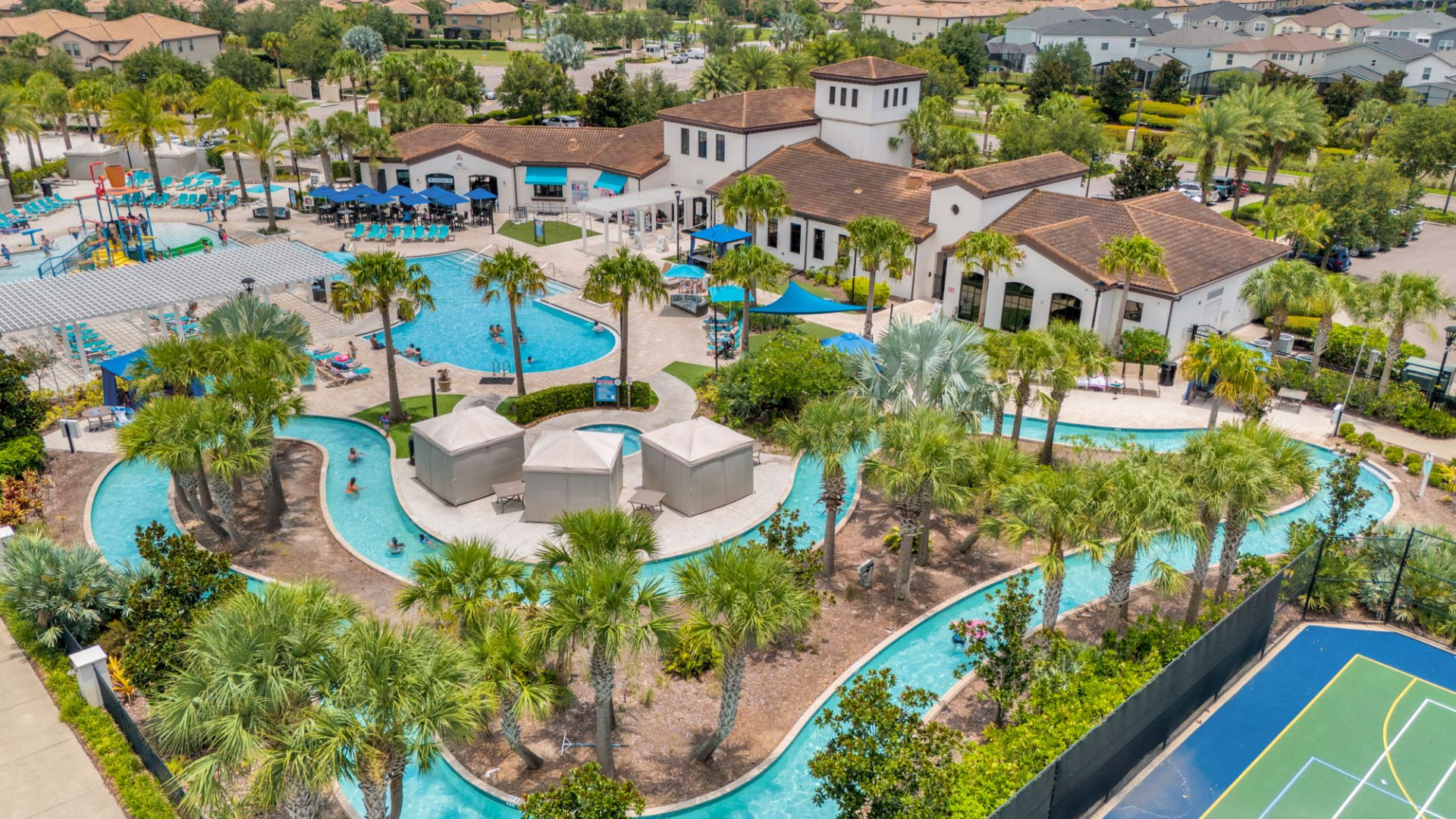
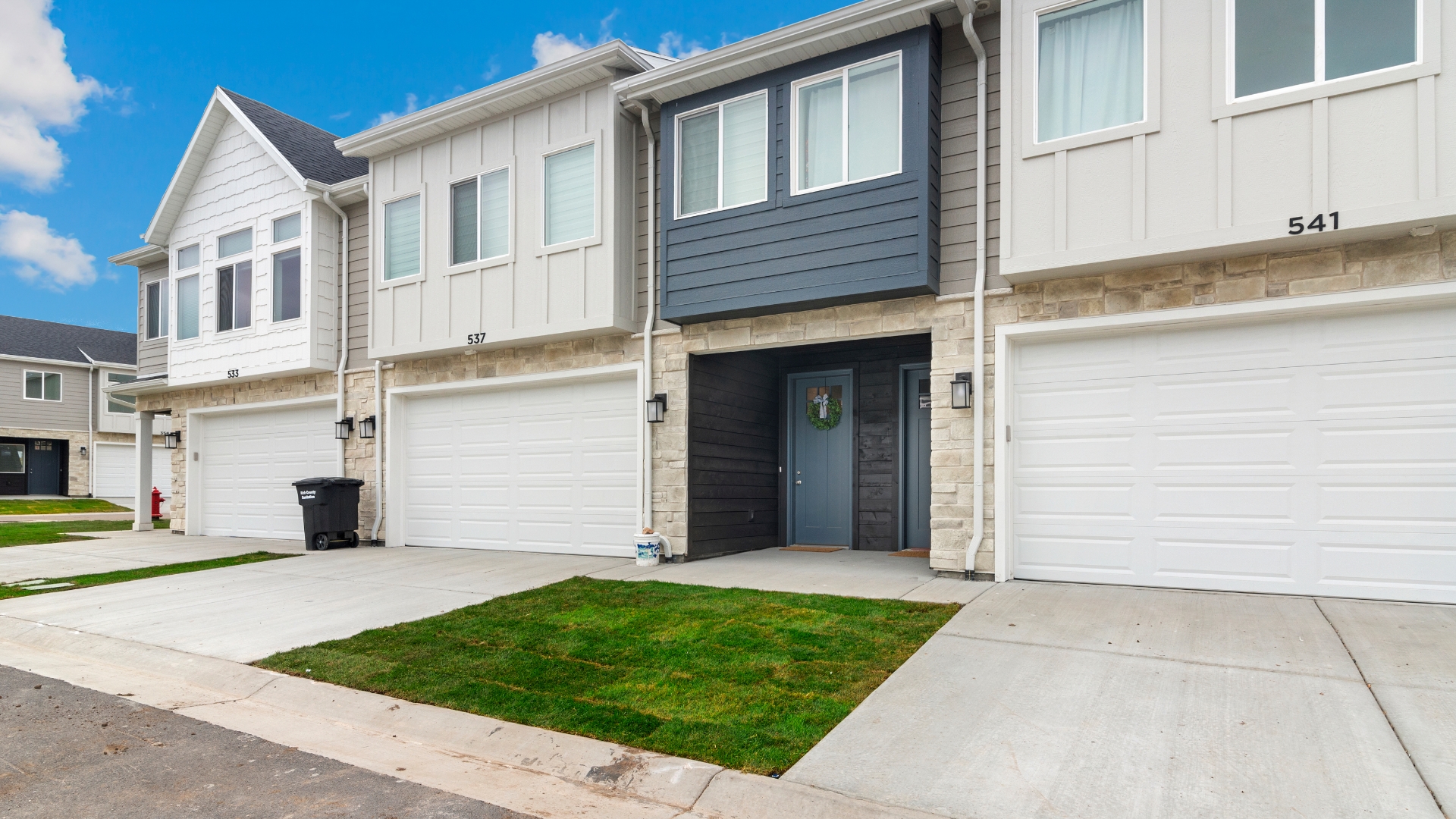
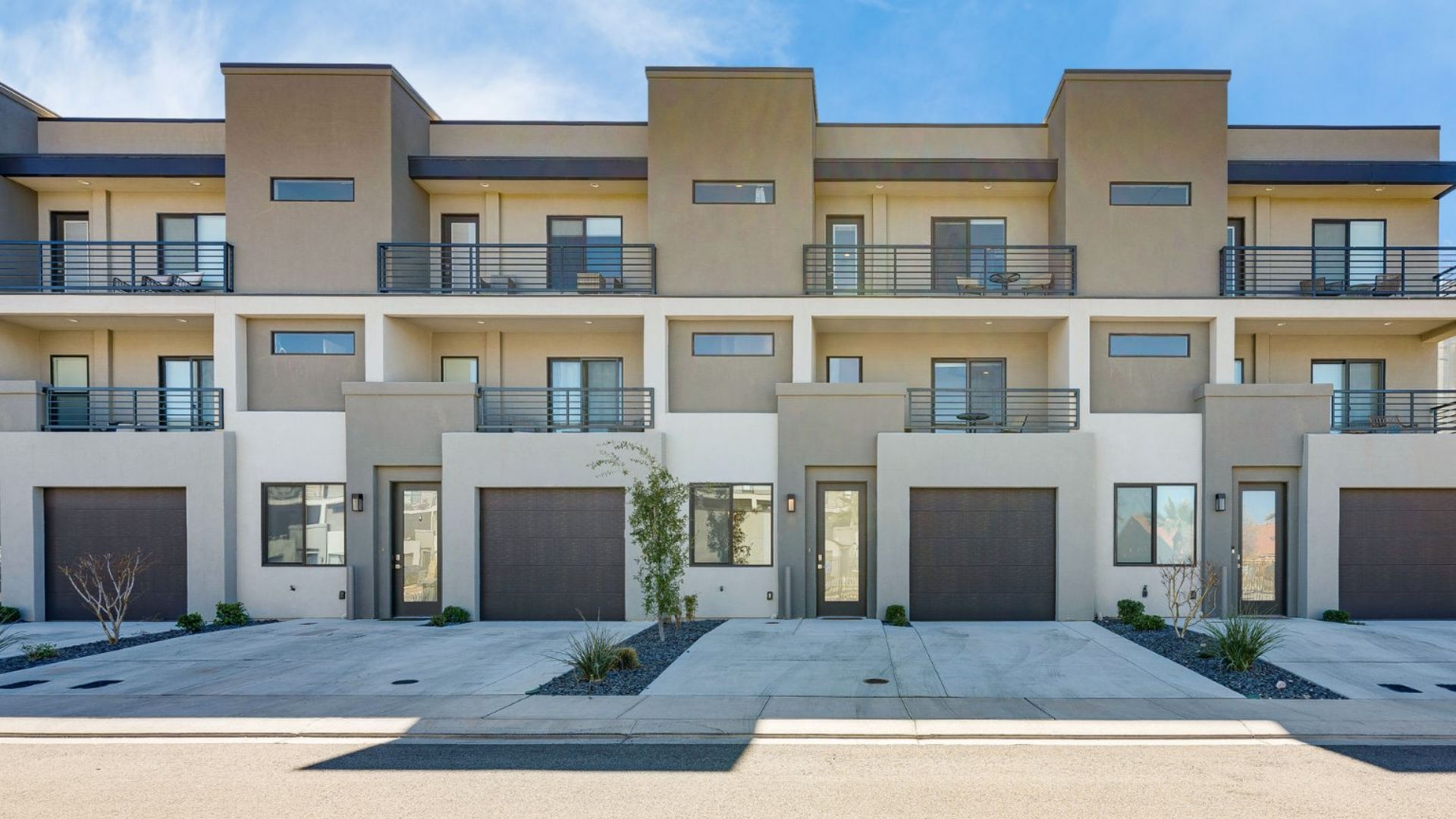
What type of property do owners use? Vacation ownership properties are often condominium-style units or residences rather than standard hotel rooms. That can mean more living space and residential amenities, such as separate bedrooms, a kitchen, and shared or private gathering areas. For families traveling together, those features may make recurring access feel more like returning to a familiar home than booking separate hotel rooms.
Before choosing a model, compare the ownership interest, reservation process, total costs, property standards, and exit terms. The right fit depends less on the label and more on whether the arrangement matches how often your household travels and how you want to use the space.
Timeshares vs. Vacation Clubs vs. Fractional vs. Deeded Co-Ownership How four common vacation ownership models differ. Model. How it works. Ownership interest. Costs. Flexibility. Exit. Timeshare You purchase the right to use a resort unit during defined dates or through a points-based program. The arrangement is designed around recurring vacation access, not possession of a particular home. Usually usage rights rather than a deeded interest in the underlying real estate. Points generally represent access within the program and are not the same as equity in a property. Purchase price, annual maintenance fees, and sometimes exchange or booking charges. Investopedia, citing ARDA, reports 1,541 U.S. timeshare resorts, 252,470 units, and an average price of about $23,940: Investopedia . Can provide access to multiple destinations, especially when points or an exchange network are included. Flexibility depends on availability, season, points, and program rules. Review resale restrictions, transfer procedures, continuing fees, and any restrictions on cancellation. A usage-rights contract does not automatically create a readily saleable real estate asset. Vacation Club You join a membership program that provides access to a resort network, often through points, a term-based membership, or booking privileges. Typically a contractual right to use participating properties, with no deeded equity in a specific home or parcel. Confirm the membership terms before signing. Common charges include an enrollment or membership fee, recurring dues, and reservation or exchange fees. The full cost depends on the contract and how often the membership is used. Often offers destination variety within its network. That variety can be useful for travelers who prefer different locations, but popular dates may require more points or earlier booking. Exit terms are contract-specific. Check whether the membership expires, can be transferred, or carries fees after the original purchaser stops traveling. Fractional Ownership Several owners share use of one vacation home, with each owner purchasing a defined fractional interest. Scheduling and management procedures coordinate access and upkeep. When structured as deeded fractional ownership, the buyer owns an interest in the real estate itself. That differs from a traditional usage-rights model and may provide appreciation potential tied to the specific property. Costs may include the share purchase, a proportional allocation of maintenance, utilities, insurance, property management, and HOA expenses. Review the operating budget and ownership documents. Use is connected to one home or a defined portfolio rather than a broad points network. The tradeoff is a more consistent home base, with scheduling rules that determine access. A sale or transfer is generally governed by the co-ownership agreement and the market for that particular property. Confirm resale procedures, transfer costs, and any rights of first refusal. Deeded Co-Ownership Owners purchase recorded shares in a fully furnished property and share its use through an agreed scheduling system. Professional management may coordinate maintenance, cleaning, utilities, and HOA responsibilities. Deeded equity is ownership of the underlying real estate, not simply permission to visit. Fraxioned describes shares ranging from 1/8 to 1/13, with potential appreciation tied to the property's value. See fractional co-ownership for the structure and responsibilities. Costs can include the share price, annual operating expenses, management, utilities, insurance, and HOA contributions. Ask for the complete ownership and expense picture, including how future major repairs are handled. Owners receive scheduled use of a specific home, creating a predictable gathering place. Some programs distinguish owner-only use from models that permit unused nights to be rented, so read the rules carefully. Owners can typically pursue a sale or transfer of their deeded share under the governing agreement. Value and timing depend on the property, market demand, and applicable transfer or buyback provisions.
Is Vacation Ownership Worth It for Your Family? Answer capsule: Vacation ownership can be worthwhile when your family will use the property consistently, values a dependable place to gather, and understands the full cost of ownership. It may be a poor fit if you prefer changing destinations, travel irregularly, or would struggle to plan usage far enough in advance.
The clearest comparison is not simply ownership versus a hotel bill. It is the value of having a recurring home base versus the flexibility of booking a different room, resort, or city for every trip. A vacation property can offer more room for parents, children, and grandparents to spend time together, along with the familiarity of returning to a place your family enjoys. Hotels, by contrast, make it easier to change plans and explore new destinations without managing an ongoing ownership commitment.
Start with how your family actually travels Review the past few years of travel before making a decision. How many nights did your household spend in vacation destinations? Do school calendars, work schedules, or family traditions make the same weeks attractive each year? Would relatives realistically join you, or does the idea work mainly in theory? Utilization matters because the value of an ownership arrangement depends heavily on whether owners use the space and amenities available to them.
Vacation ownership properties tend to work best for families that want a reliable, recurring gathering place. That can be especially meaningful for multi-generational families who want to create traditions without asking one person to purchase, furnish, and maintain an entire second home. Families who want a different destination each season may find a broad hotel or resort network more suitable.
Compare the complete cost, not just the entry price A responsible evaluation should include the purchase price, annual maintenance fees, utilities, and any other property or community charges. Depending on the structure, buyers may also need to consider financing costs, scheduling rules, travel expenses, and future resale conditions. A lower upfront price does not automatically make a program affordable if recurring costs are high or the family rarely uses it.
Sole ownership brings a different cost profile. One owner carries the full purchase, upkeep, furnishing, repairs, and management burden, even when the home sits empty. A professionally managed co-ownership arrangement can distribute those responsibilities among owners while preserving a defined interest in the property. That convenience should still be weighed against shared scheduling and the rules governing use.
There is no universal answer. The right choice depends on your travel pattern, desired level of flexibility, appetite for ongoing costs, and vision for family time. Treat the decision as a lifestyle and ownership comparison first, then review the agreement carefully before committing.
How to Choose the Right Vacation Ownership Properties The best choice starts with the property and ownership structure, not a sales presentation. Compare what you would actually own, how the home will be managed, how your family will use it, and whether the full cost is clear before you commit.
Start with the ownership interest Ask whether the arrangement gives you a deeded interest in the real estate or only a contractual right to use a property. Deeded fractional ownership represents equity in the underlying home, with appreciation potential tied to that specific asset. Usage-rights programs can provide access and scheduling flexibility. But they generally do not give you an ownership stake in the property or the same connection to its long-term value.
Review the deed, governing documents, resale process, and any restrictions on use. A provider should explain these items in plain language. Fraxioned's fractional co-ownership model is designed around deeded shares in furnished vacation homes, but every property and offering still deserves its own due diligence.
Evaluate the management promise A vacation home can be appealing until maintenance becomes another responsibility. Look for a defined management scope that explains who handles repairs, cleaning, utilities, HOA matters, furnishing standards, and scheduling. Turnkey service should be more than a slogan. Ask how maintenance decisions are approved, how costs are allocated, and what happens when an unexpected repair affects availability.
Professional management can make shared ownership practical for families who want a reliable gathering place without becoming part-time property managers. The broader shared ownership approach may also help you compare how different programs divide access, responsibilities, and operating expenses.
Test the fit for your family and budget Consider the home as a place your family will return to over many years. Does it offer enough bedrooms, common space, outdoor amenities, and privacy for parents, children, and grandparents? Is the destination convenient enough for the way your family actually travels? A beautiful property that is difficult to reach or too small for your usual group may not deliver lasting value.
Finally, request a complete cost picture. Include the purchase price, annual fees, utilities, HOA contributions, furnishing or reserve costs, taxes, and any transaction or resale charges. Compare those costs with expected use rather than assuming appreciation or rental activity. Browsing current property listings can help you assess location, home quality, and fit before evaluating a specific share. The strongest option is one that supports family memories today while offering a clearly documented long-term asset value.
What Makes a Property Suitable for Family Vacation Ownership? Answer: A suitable family vacation property combines a setting your family will genuinely use with an ownership model, management plan, and scheduling system that fit the way you travel. The goal is a dependable home base for time together, not a passive-income product.
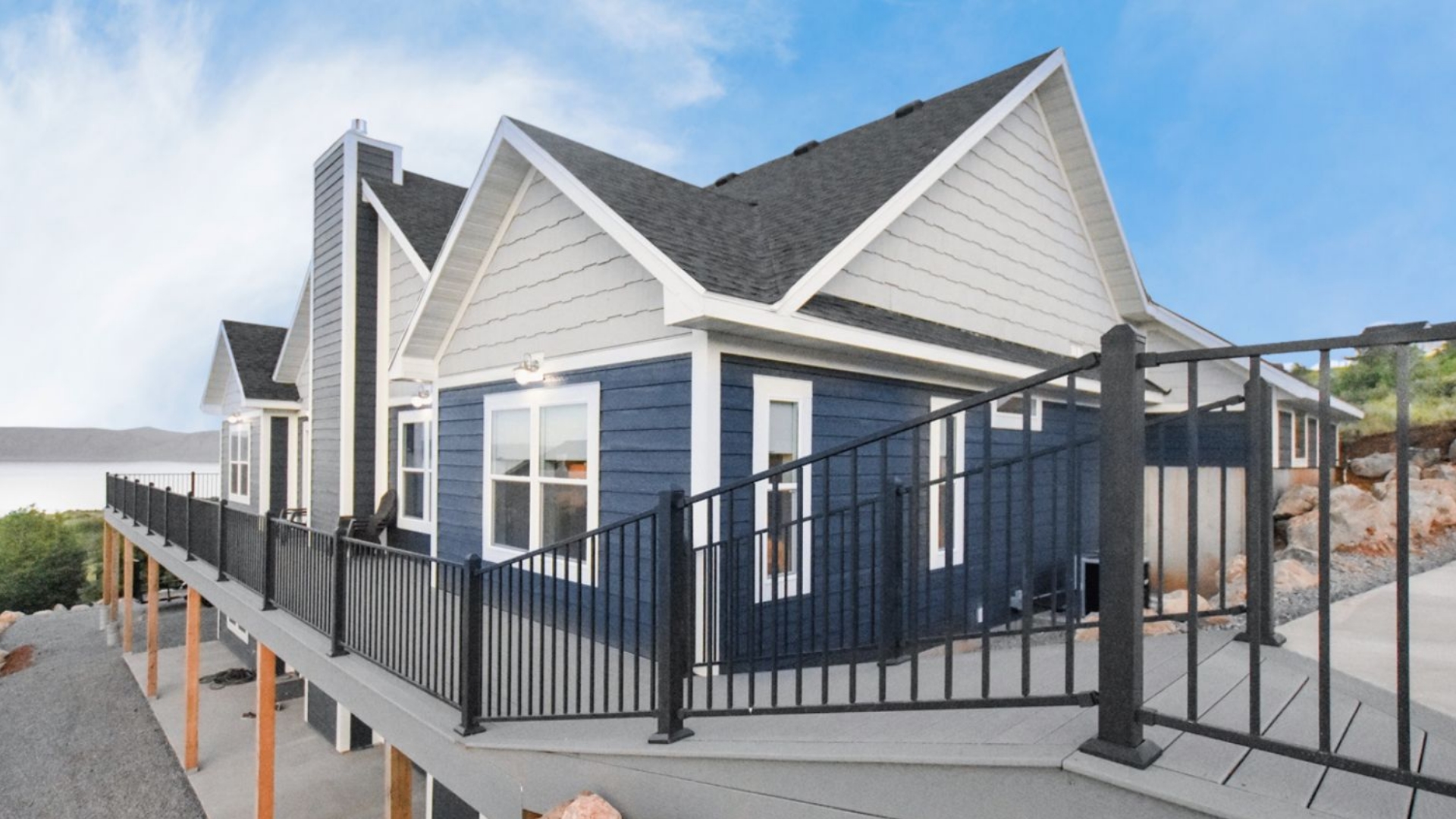
Start with the experience the property can support. Families may value room for multiple generations, a practical kitchen and living area, nearby activities, and a setting they will want to return to year after year. A deeded co-ownership structure can provide an equity interest in a fully furnished property while avoiding the cost and responsibility of owning an entire second home alone. Review the co-ownership model carefully so you understand the share, usage rights, expenses, and resale terms before making a decision.
Which ownership model fits your family? Fraxioned's two models are designed for different priorities. The Collective model permits owners to rent unused nights. That rental activity may help offset operating costs, and the model may be eligible for a 1031 exchange, subject to the owner's circumstances and professional tax advice. It should not be evaluated as a guaranteed income stream. The home's primary purpose remains personal use and family enjoyment.
The Exclusive model is reserved for owners and does not permit rentals. It may suit a family that wants a private retreat, consistent control over the home's atmosphere, and no guest turnover between owner stays. Neither model is automatically better. The right choice depends on whether your family prefers potential cost offset from unused nights or exclusive, owner-only access.
What should turnkey management include? Management is central to the value of family vacation ownership properties because the home should be ready when your family arrives. A turnkey arrangement can cover routine maintenance, cleaning, utilities, and HOA administration rather than leaving those tasks to individual owners. Confirm exactly what is included, how additional repairs are approved, and how shared expenses are allocated.
A centralized scheduling portal, such as myFRAX, also matters when several owners share one home. It gives owners a defined way to request and manage stays, reducing avoidable confusion around peak dates and family plans. Ask how reservations are prioritized, how far in advance owners can book, and what happens when demand exceeds availability.
Finally, assess the property and the operating rules together. A beautiful home in a destination your family rarely visits will not create much value. While a well-managed property that fits your traditions can become the gathering place you return to with your favorite people. Compare the model, usage pattern, total costs, and management responsibilities in writing before choosing.
Explore co-ownership and how it fits your family
Frequently Asked Questions How does vacation ownership work? Vacation ownership gives buyers recurring access to a vacation property or an ownership interest in the real estate. Some programs use points or scheduled usage rights, while deeded co-ownership gives each buyer a recorded share and a defined way to reserve time.
Is vacation ownership worth it for a family? It can be worthwhile when your family expects to use the property regularly and values dependable space, amenities, and a familiar gathering place. Compare the full cost, including the purchase price, ongoing fees, management, and travel needs, with the value you expect to receive from actual use.
How is deeded co-ownership different from a timeshare? The key difference is what you own. A traditional timeshare generally provides usage rights, while deeded co-ownership gives you a recorded equity interest in the underlying property. That distinction affects how the ownership may be transferred, sold, or valued, so review the legal documents before buying.
Are vacation ownership properties a good investment? They should be evaluated first as a way to enjoy a vacation property, not as a guaranteed investment or passive-income product. A deeded share may have appreciation potential tied to the specific home, but results depend on the property, market conditions, ownership costs, and your use. Ask for clear information about resale, fees, and any rental rules.
Ready to Explore Vacation Ownership? Choosing a vacation ownership model starts with understanding how access, equity, management, and family use fit together. Fraxioned can help you explore deeded fractional co-ownership and see whether it suits the way your family wants to spend time together.
Explore co-ownership and browse available properties