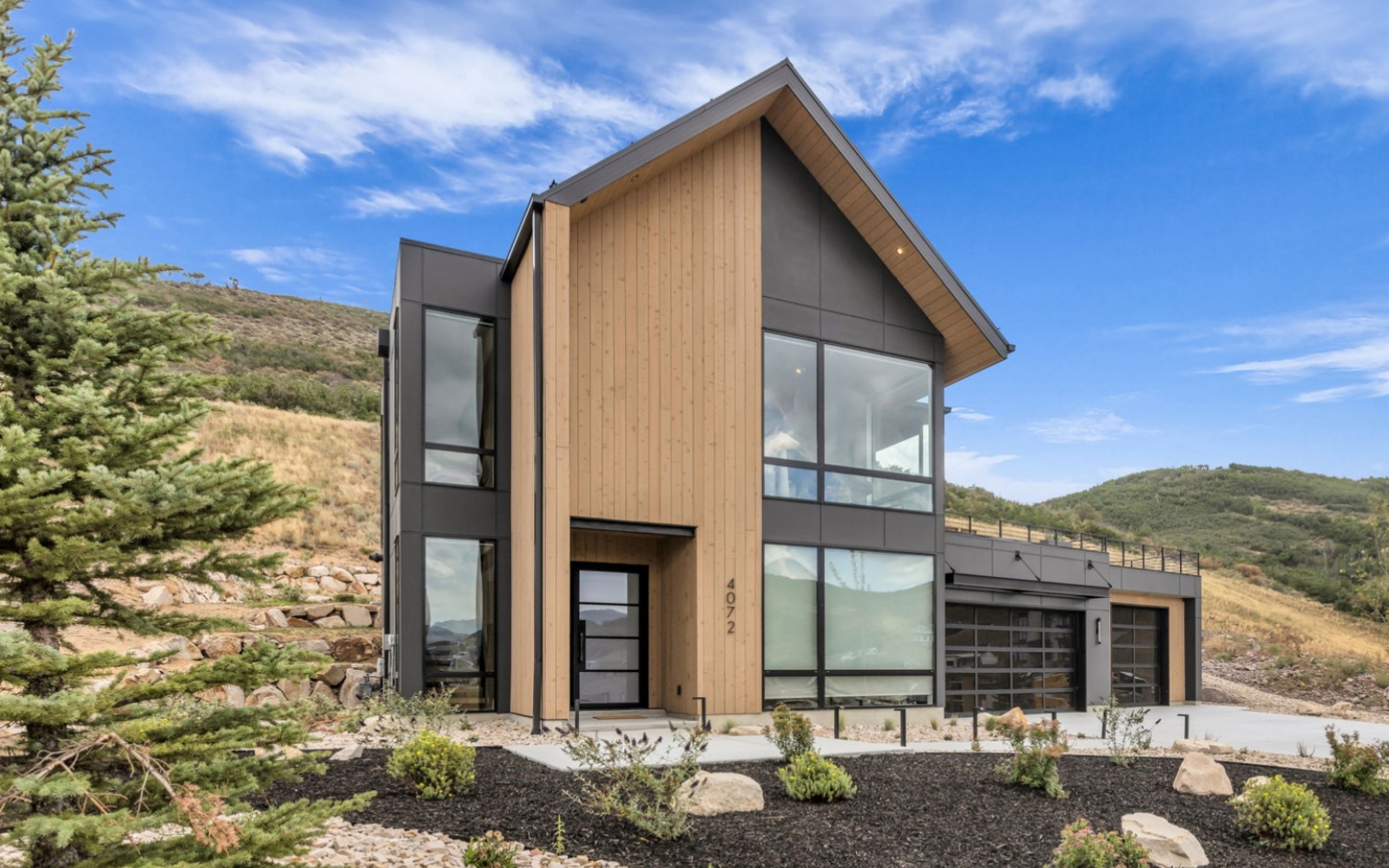
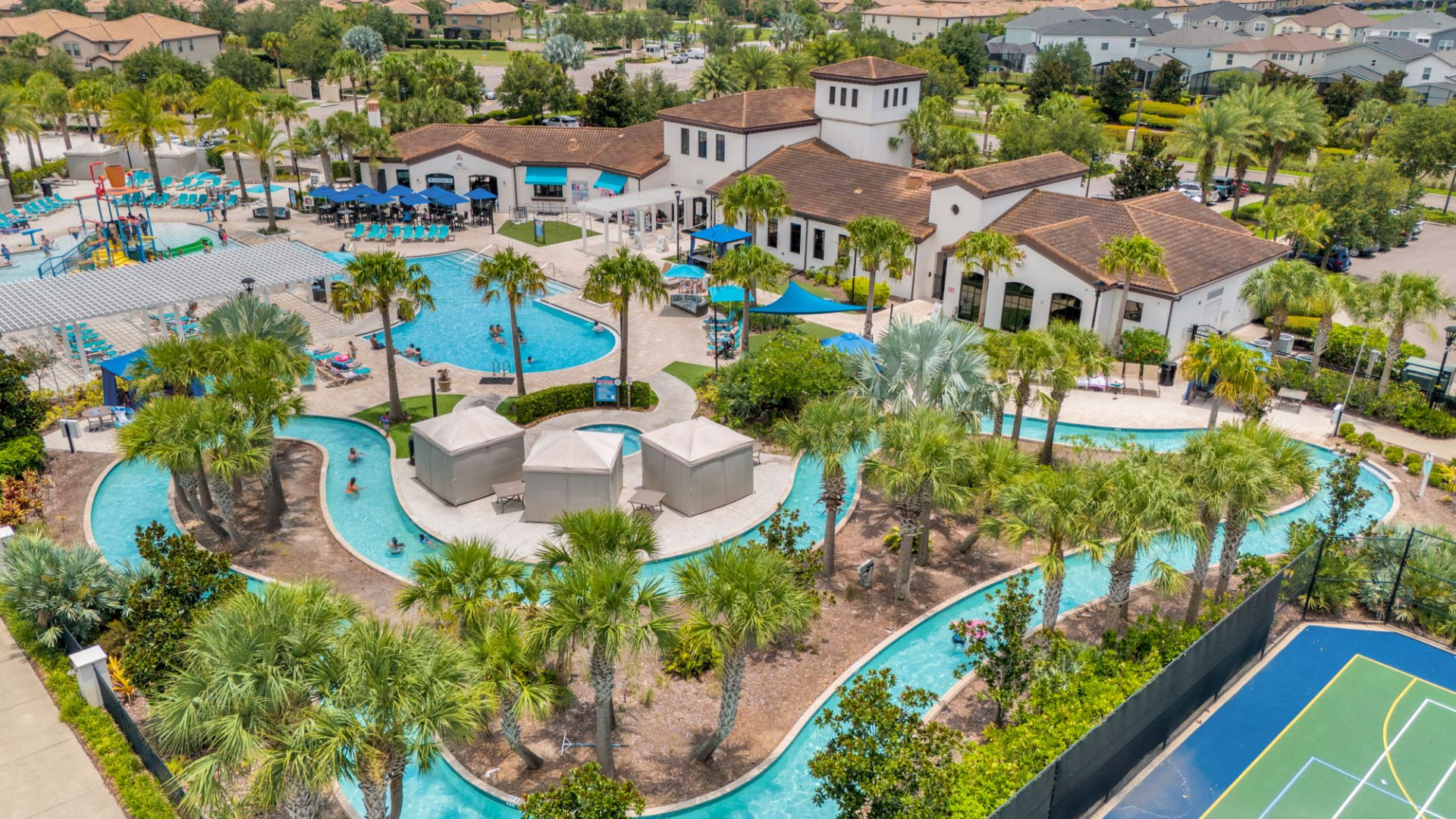
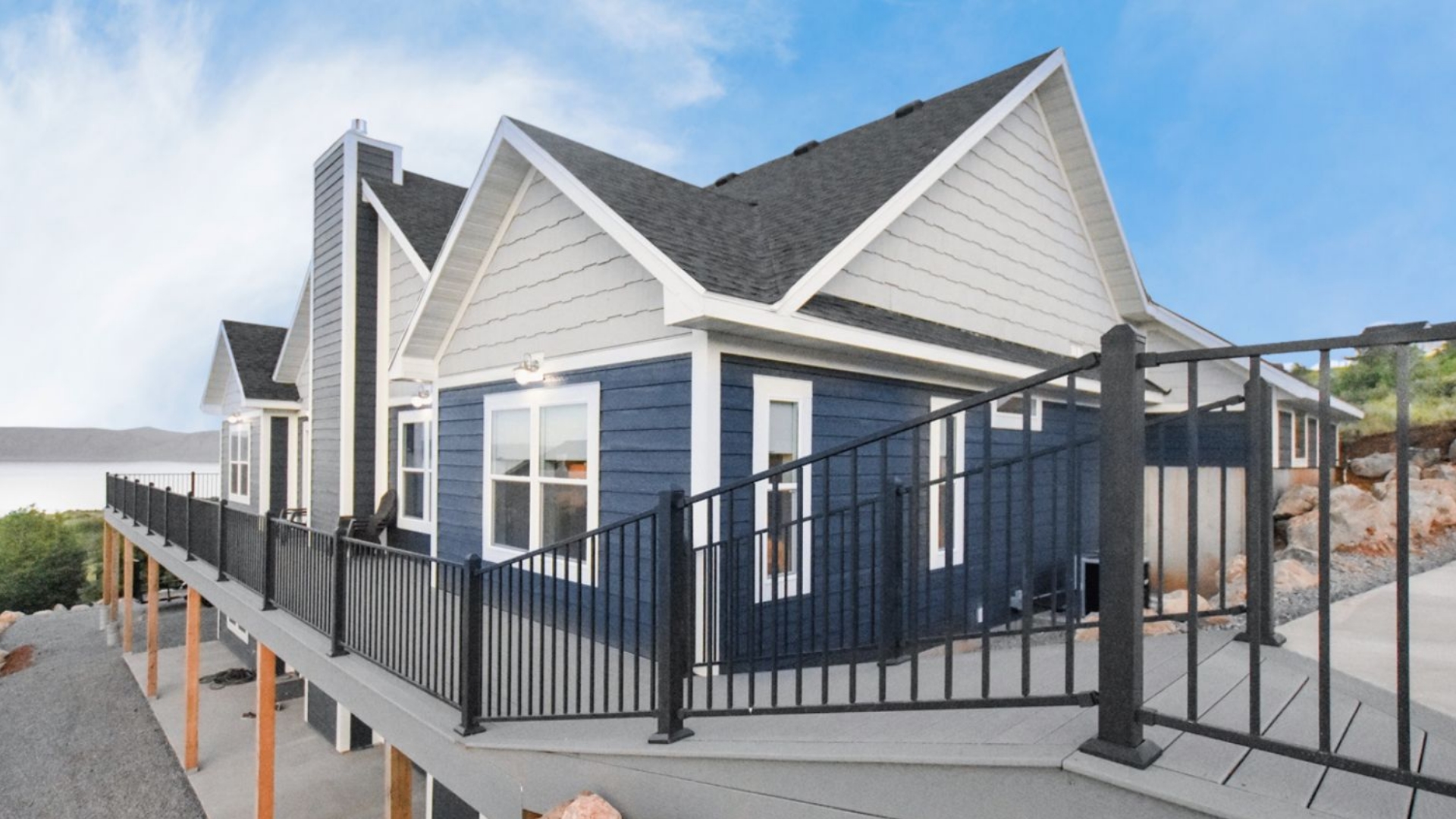
What is fractional ownership in real estate? It can let a family share a defined interest in a vacation home instead of buying and maintaining the entire property alone.
Learn how fractional home co-ownership works
Fractional ownership lets several buyers share a defined interest in one property. This guide explains what the buyer owns, how the arrangement works, and what it costs.
It also covers the questions families should ask before committing.
Short answer: Fractional ownership in real estate is a co-ownership arrangement in which multiple buyers hold a defined interest in one property. They may own directly or through an entity that holds the deed. Owners share costs, use, and responsibilities under written documents. The exact structure and expenses vary by property and jurisdiction.
For families, the appeal is both practical and personal. A professionally managed home can become a dependable gathering place for parents, children, and grandparents. It can do so without the full purchase price or upkeep burden of sole ownership. Fractional ownership is not simply a cheaper reservation product. It is an ownership model whose rights and obligations should be understood before signing.
What Is Fractional Ownership in Real Estate, Exactly? Fractional ownership in real estate is a form of shared property ownership. Instead of one buyer acquiring 100 percent of a vacation home, multiple buyers acquire defined interests. Those interests may be represented by direct deeded ownership, a tenancy-in-common interest, or membership in an LLC that owns the property.
The first distinction to make is between ownership and access. A rental reservation gives temporary use and ends when the stay ends. A membership or license may provide access under a contract without giving the holder a property interest. A true fractional arrangement can provide a documented equity stake, although the form of that stake depends on the governing documents.
Buyers should not rely on the word fractional alone. Review the deed, entity records, purchase agreement, operating rules, usage rights, and transfer provisions. These documents should explain what is owned and who may use the home. They should also cover cost allocation, decisions, and what happens when an owner wants to sell.
Fraxioned focuses on fully furnished, professionally managed vacation homes. Its model is designed around deeded equity through a property-specific LLC, with owners purchasing membership interests in the LLC that holds the home. That structure is specific to Fraxioned and its property documents. Other fractional offerings may use a different structure.
A share size affects both the purchase contribution and expected use. Fraxioned materials describe representative 1/8, 1/10, and 1/13 shares, with approximately 45+, 36+, and 28+ annual nights respectively. Those figures are program and property details, not a universal rule for fractional real estate. Confirm the exact allocation, peak-date policy, rollover rules, and guest permissions for the property under consideration.
How Are Fractional Real Estate Ownership Structures Set Up? Answer capsule: A fractional real estate structure explains who owns the property and who may use it. It also covers expenses, decisions, and transfers. Common approaches include an LLC that holds title and direct co-ownership such as tenancy in common. The documents, not the label, control the buyer's rights.
Property-specific LLC ownership With an LLC model, the company owns the deeded property and buyers own membership interests in that company. The operating agreement can address voting, expenses, reserves, use, transfers, and dispute procedures. This creates an administrative framework for a professionally managed vacation home. The buyer is purchasing an interest in the entity rather than receiving an individual deed in their personal name.
Fraxioned states that each property is held in its own LLC. Its ownership materials identify an LLC operating agreement, membership interest documentation, the property deed held by the LLC, usage-rights documentation, and an outline of financial responsibilities. A prospective owner should receive and review the actual documents for the specific home. An online description cannot replace legal or tax advice.
Tenancy in common In a tenancy-in-common arrangement, two or more people own interests in the real estate directly. The interests may be equal or unequal, depending on the agreement and local law. The documents should address use, expenses, repairs, sales, transfers, and what happens if an owner dies or stops meeting their obligations. Rules can vary substantially by jurisdiction, so buyers should consult a qualified real estate attorney.
Which documents should a buyer review? Request a complete document set and read it as one package. Key items may include:
The deed or entity ownership records showing what is held. The purchase agreement and membership or ownership certificate. The LLC operating agreement or co-ownership agreement. The usage calendar, booking rules, guest policy, and cancellation policy. The property-management agreement and service responsibilities. The operating budget, reserve policy, insurance information, and assessment rules. The resale, transfer, right-of-first-refusal, and dispute-resolution provisions. Pay close attention to the difference between routine management and major decisions. A manager may coordinate cleaning, vendors, and repairs, while owners may retain voting rights over large expenses, changes to the property, or a future sale. The agreement should make those boundaries easy to find.
What Does Fractional Ownership in Real Estate Cost? Co-owners generally contribute to the purchase of their interest and share the property's ongoing operating expenses. The exact amount depends on the property, share size, ownership structure, management arrangement, and budget. The purchase price is only one part of the cost analysis.
Common fractional ownership costs to review Cost area May include Question to ask Purchase Ownership interest, closing costs, and required deposits. What rights attach to the share? Operations Taxes, insurance, utilities, cleaning, and routine services. How are costs allocated? Reserves Funds for major repairs or replacements. Can an assessment be required? Management Vendor coordination, upkeep, guest support, and administration. Which services are covered?
Property taxes and insurance are often allocated proportionally or according to another formula in the governing documents. Utilities and cleaning may be handled through a shared budget or charged in a different way. The documents should explain late-payment consequences and the process for approving work that exceeds the ordinary budget.
Professional management reduces the day-to-day burden. It does not remove the owner's financial responsibility or the need for oversight. Ask how owners receive budgets, expense reports, reserve updates, and notices about special assessments. Clear reporting helps every owner understand where contributions go.
Fraxioned's Collective model may permit unused nights to be rented when the specific property and program terms allow it. The purpose is to help offset operating costs, not to present a guaranteed passive-income product. The Exclusive model is reserved for owner use and does not include outside rentals. Availability, permissions, and expense treatment must be verified for the specific property.
For more context, review Fraxioned's shared ownership model and current vacation home listings . Do not assume that pricing, dues, annual nights, financing, rental treatment, tax treatment, or appreciation will be identical across homes.
How Do Usage Rights and Scheduling Work? Answer capsule: Fractional owners reserve the home under shared booking rules. The schedule may set annual nights, advance booking windows, peak-period rotation, cancellation terms, and guest limits. A fair system should make availability visible, give owners a reasonable opportunity to use high-demand dates, and explain how conflicts are handled.
Scheduling is central to the ownership experience. A family may be comfortable sharing purchase costs but still need predictable access during school breaks, holidays, or a yearly reunion. Review how far in advance owners can book, whether peak dates rotate, and whether one owner can reserve consecutive nights. Ask whether unused nights roll over and how cancellations affect the annual allocation.
Fraxioned's stated scheduling approach includes equal access to holidays, rotation for major holiday weeks, first-come, first-served booking for regular periods, and advance booking windows. The exact rules should be confirmed in the documents for the home. A schedule that works for a ski condo may not work for a large summer lake house, so the property and the family calendar both matter.
Guest rules deserve equal attention. Owners may want to host adult children, grandchildren, friends, or extended family. Confirm whether guests can stay without the owner, how access is authorized, and who is responsible for damage or violations. Occupancy limits, community rules, and local regulations can also affect use.
Read this fractional ownership scheduling guide for more questions. The goal is not a system with no rules. The goal is a system that is clear, visible, and compatible with how your family travels.
How Does Fractional Ownership Compare With Full Ownership, Renting, and Timeshares? Fractional ownership can sit between renting and buying an entire vacation home. It may provide an equity interest and recurring use while dividing costs and responsibilities among owners. Renting offers flexibility without ownership. Full ownership offers maximum control, but one owner carries every cost and task. A timeshare usually centers on contractual use rights. The legal and economic details vary by program.
Comparing vacation-home access models Model What you receive Primary tradeoff Full ownership Control and use of the entire home. One owner carries all purchase and carrying costs. Fractional ownership A defined ownership interest and scheduled use. Owners share costs, decisions, and calendar rules. Renting Temporary access for a reservation. No equity or guaranteed access to one home. Timeshare Program-specific use rights or interest. Contract and reservation terms require close review.
Fractional ownership versus full ownership Sole ownership may suit a family that wants unrestricted scheduling, control over every improvement, or frequent use. It also means paying for the whole property when it is empty and carrying the management burden unless help is hired. Fractional ownership trades some control for shared cost and a defined schedule.
Fractional ownership versus renting Renting may be best for travelers who want a different destination every time or who dislike ongoing obligations. Fractional ownership can suit a family that wants a dependable gathering place and expects to return to the same area. The tradeoff is commitment. Owners must understand dues, rules, booking limits, and the exit process.
Fractional ownership versus timeshares The central question is what the buyer owns. A fractional arrangement may involve a deeded interest or membership in an LLC that owns the deed. A timeshare may provide contractual use rights instead. The specific contract controls. Fraxioned's guide to deeded fractional ownership versus timeshares explains the distinction in more detail.
Who Is Fractional Vacation-Home Ownership Designed For? Fractional ownership is worth considering for people who want recurring access to a shared gathering place but do not want to purchase and maintain an entire second home. It requires comfort with shared rules, scheduled use, ongoing costs, and careful document review.
For affluent families, a large fully furnished home can make multigenerational travel easier. Parents, adult children, and grandparents can gather under one roof, use shared living spaces, and build traditions in a familiar setting. The benefit is not simply the number of nights. It is having a place that feels consistent and workable for the family's routines.
Executives and business owners may value the turnkey aspect of professional management. Instead of coordinating vendors from another state, owners can rely on a management arrangement for routine upkeep while still reviewing budgets and major decisions. Convenience should be evaluated alongside the management fee, service standards, and owner responsibilities.
The model may be a poor fit for someone who wants last-minute access at any destination, refuses shared decision-making, or expects guaranteed financial returns. It may also be unsuitable when a buyer has not confirmed the total cost or does not understand the resale provisions. A lower purchase contribution does not eliminate ownership obligations.
Fraxioned's family-focused approach is built around accessible co-ownership, professionally managed homes, and flexible use. Its motto, "Your Favorite Place With Your Favorite People," reflects the lifestyle purpose of the model. Learn more about Fraxioned's family-focused approach , then evaluate each listing and its documents on their own terms.
What Should You Check Before Buying a Fractional Interest? Use a written checklist before making a decision. The most important questions concern ownership, money, access, management, and exit rights. If an answer is unclear, ask for the controlling document rather than relying on a sales explanation.
Confirm the ownership interest. Identify whether you receive a direct deeded interest or membership in an entity that owns the property.Review all costs. Add the purchase contribution to dues, taxes, insurance, management, utilities, cleaning, reserves, financing costs, and possible assessments.Map your real calendar. Compare annual nights, booking windows, holiday rotation, rollover rules, cancellation terms, and guest policies with your family's needs.Understand management. Confirm what the manager handles, which decisions require owner approval, how vendors are selected, and how performance is reported.Read transfer and resale rules. Look for notice requirements, buyer qualifications, rights of first refusal, fees, valuation rules, and timelines.Seek professional advice. Ask a qualified real estate attorney and tax professional to review questions that depend on the property and jurisdiction.Fractional ownership works best when the experience is transparent before the purchase, not merely convenient after it. The right arrangement should make the family's intended use easy to picture and the responsibilities easy to find in writing.
Explore family-focused fractional co-ownership
Frequently Asked Questions Do fractional owners receive a deed? Some fractional arrangements provide direct deeded ownership, while others provide an ownership interest in an LLC that holds the deed. Review the property documents to confirm which structure applies. A use-only contract is different from an equity ownership interest.
What costs do fractional co-owners share? Costs may include the purchase contribution, property taxes, insurance, utilities, cleaning, routine maintenance, management, and reserve funding. The governing documents should explain the allocation formula, payment schedule, reporting, and possible assessments for extraordinary expenses.
How are stays scheduled between co-owners? Owners typically follow a shared booking system with annual night allocations, advance booking windows, peak-period rules, and cancellation policies. The exact schedule varies by property. Ask how holidays rotate, how conflicts are resolved, and whether unused nights roll over.
Is fractional ownership the same as a timeshare? No. Fractional ownership may provide a deeded property interest or an ownership interest in an entity that owns the property. A timeshare often centers on contractual use rights. The distinction depends on the documents, so read the agreement instead of relying on the label.
Who is fractional vacation-home ownership a good fit for? It may suit families who want a recurring vacation home, shared costs, and professional management without owning the entire property. It requires comfort with scheduling, shared rules, ongoing expenses, and a careful review of ownership and resale documents.
See how shared ownership can fit your family's plans