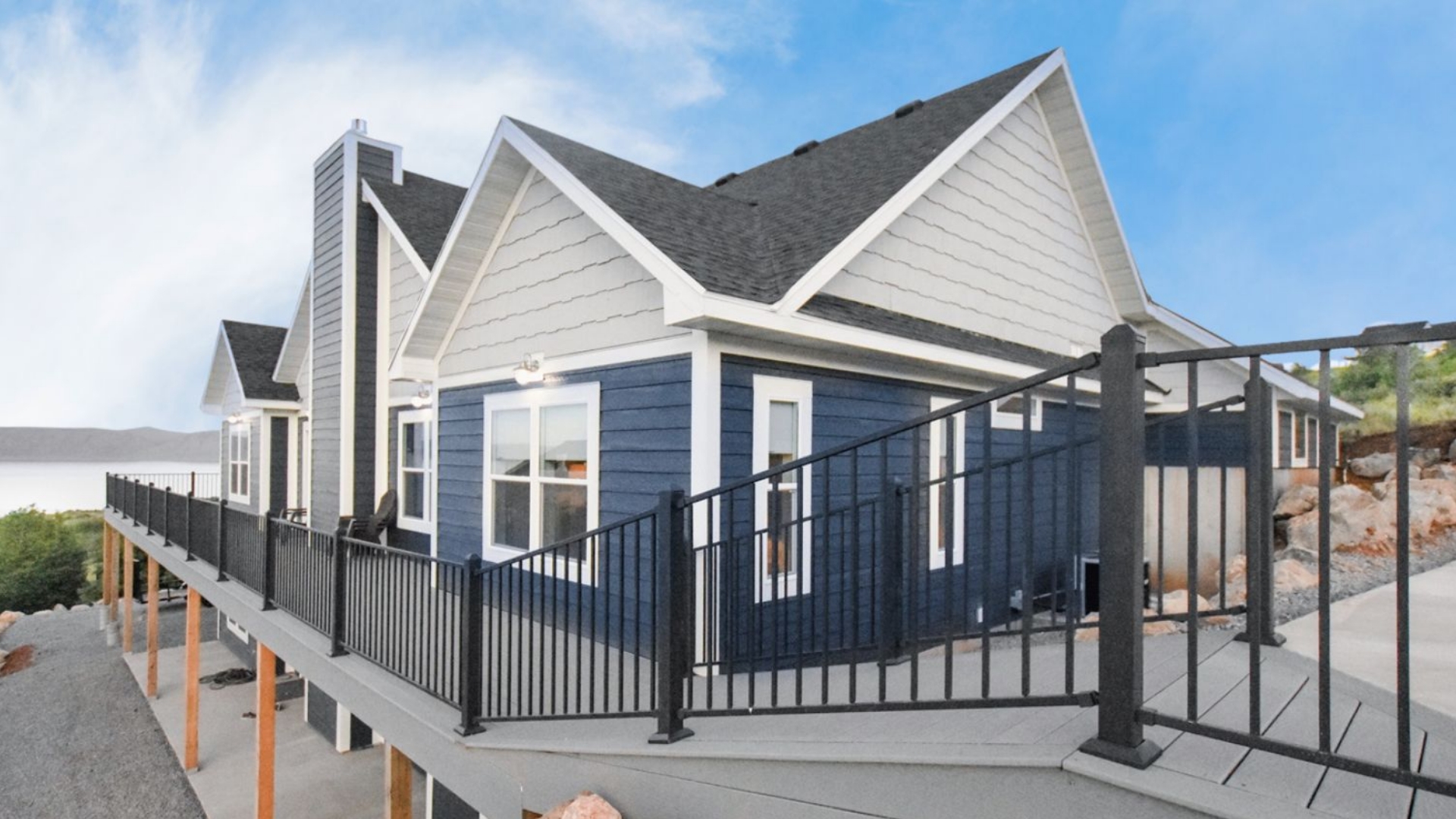
. . A shared vacation home can bring generations together, but its future becomes harder to discuss once someone is ready to move, reduce expenses, or step away. Families have more room to make thoughtful decisions when they talk about those possibilities while the home is still serving its purpose.
Learn how Fraxioned co-ownership can support your family's next chapter
Family vacation home exit planning helps co-owners agree on priorities, decision roles, likely transition scenarios. And the documents they need before a transfer, succession, buyout, or sale becomes urgent.
This is not a substitute for legal, tax, or estate-planning advice, and property-specific terms must be checked in the applicable operating agreement and entity documents. The goal is to create a shared starting point: what the home means to the family, who may need flexibility later, and how the group will revisit those choices over time.
Starting early matters because expectations about use, costs, responsibility, and family continuity can change long before ownership changes. A calm conversation now can reveal where the family agrees, where it needs more information, and which questions deserve professional guidance.
Why should families start exit planning before anyone wants to leave? Start while the family is getting along, because early planning turns a stressful departure into a shared decision process. When everyone still expects to enjoy the home together, co-owners can discuss what might change, who needs to be involved, and which questions require professional advice. That conversation is easier before a move, financial strain, changing priorities, or a family disagreement makes the topic feel personal.
Family circumstances rarely stay fixed for the entire life of a vacation home. One household may relocate, use the property less often, or decide that ongoing expenses no longer fit its plans. Another may want to preserve the home as a gathering place. Neither preference is automatically wrong, but the difference can create pressure if the family has never discussed how it would respond.
Early conversations reveal different expectations Ask each household what it hopes the property will provide over time. Is the priority regular family use, a place for future generations, flexibility during busy years, or a manageable way to share a professionally managed home? Then discuss what could prompt a change: reduced use, a new caregiving responsibility, a move, or simply a different vision for the family's time together.
This is not a request to predict the future. It is a way to identify assumptions while there is still time to compare them. A family that discovers different expectations can decide whether it needs clearer roles, a scheduled review, or advice about the documents governing its ownership. Each Fraxioned property is held in its own LLC, and the applicable operating agreement and entity documents control the relevant terms.
Planning early protects the relationship as well as the property Waiting until someone urgently needs to leave can compress conversations about timing, responsibility, and available choices. Planning earlier gives everyone space to listen, record open questions, and understand which options may be available under the specific agreement. It also helps distinguish a family preference from a right that the documents actually provide.
For a foundation in the ownership model before having these conversations, learn how co-ownership works . The goal is not to make a promise about a future outcome. It is to make sure the family enters shared ownership with a realistic understanding of its commitments and a habit of reviewing whether the arrangement still fits.
What should family vacation home exit planning cover? Answer: Family vacation home exit planning is a shared process for deciding what the family wants. Who participates in decisions, which future changes could require action, and where the governing documents answer those questions. It is not a promise that one outcome will apply to every owner or property.
Start with the family goal. Is the priority preserving a gathering place for the next generation, keeping use flexible. Reducing maintenance responsibilities, or creating a clear path for an owner who may eventually want to leave? Naming the goal helps the family evaluate options without treating every disagreement as a transaction.
Clarify people, roles, and decision authority List the current owners, the family members who use the home, and anyone who may become involved through succession or a change in circumstances. Then clarify who can make routine decisions, who must approve a major change. And when the family should bring in a neutral facilitator or qualified legal, tax, or financial professional. A conversation plan can support good decisions, but it does not replace the applicable agreement or professional advice.
Identify triggers and review the right documents Discuss the events that could change the arrangement: a shift in how often someone uses the home, affordability concerns, relocation, incapacity, death, or persistent disagreement. For a Fraxioned property, each home is held in its own LLC and owners purchase membership interests. The relevant operating agreement and entity documents may address use rights, financial responsibilities, voting, transfers, dispute resolution, and other procedures. Terms vary by property, so confirm what actually applies rather than assuming a right of first refusal, buyback, valuation method, or resale assistance is universal.
Keep a practical document list: the current operating agreement, entity records, ownership information, written family decisions. Contact details for relevant professionals, and a record of where updated versions are stored. Families seeking agreement-level background can review co-ownership exit rules , but that resource addresses mechanics. This planning step is about agreeing on priorities and responsibilities before those mechanics are needed.
Finally, set a review cadence. A brief annual conversation, and an additional review after a major family or financial change, can keep expectations aligned while the home remains a source of shared experiences.
Which family scenarios should the plan address? Answer: A useful family vacation home exit planning conversation prepares for changes in use, affordability, location, health, family relationships, and long-term succession. These are planning prompts, not predictions. The goal is to agree on how the family will revisit decisions before a stressful transition is already underway.
Changing use and affordability Start with the possibility that a family member's travel pattern changes. A new job, growing children, caregiving responsibilities, or simply different vacation priorities may affect how often someone wants to use the home. Discuss what should happen if an owner uses fewer nights, wants a different schedule, or no longer feels the arrangement fits.
Affordability can change as well. Ask how the family would respond if an owner could no longer comfortably meet their documented financial responsibilities. The answer may involve a conversation about timing, a transfer review, or professional advice. Do not assume that a buyout, rental arrangement, or payment adjustment is available. Check the applicable operating agreement and property documents.
Relocation, incapacity, and succession A move can make regular use less practical, while incapacity or death can leave other family members managing decisions during an emotional period. Families should identify who needs to be notified, which documents control, and who is authorized to act. Because each property is held in its own LLC and terms vary by property, review the relevant entity and operating documents with qualified legal and tax professionals.
Succession questions deserve a calm discussion before they become urgent. Is the next generation interested in continuing the shared experience? Would several heirs have different expectations? What information should their representatives receive? These questions do not replace estate planning, but they can show where the family needs coordinated advice.
Disagreement and changing priorities Even families with strong relationships may disagree about use, expenses, improvements, or whether to continue. Discuss how concerns will be raised, who handles routine decisions, and whether the documents provide a process for mediation or other dispute resolution. For background on property-specific exit terms, see the Fraxioned FAQ and review the applicable agreement rather than relying on a general assumption.
Record the questions, responsible people, and next review date. A short annual conversation can keep the plan aligned with the family's real circumstances and protect the shared purpose: Your Favorite Place With Your Favorite People.
How can families compare transfer, buyout, shared use, and sale? Answer: The best path depends on the family's goals, the owner's ability to continue participating, and the rights available under the property's governing documents. Compare the options before a transition is urgent, then confirm the selected path with the applicable operating agreement and qualified professional advice.
Family vacation home exit planning is less about choosing a universal "best" answer and more about matching a future scenario to a workable responsibility structure. A transfer may preserve the home within the family, while a buyout may simplify ownership when one person wants to step away. Continued shared use can work when everyone still values the home and can coordinate fairly. A sale or dissolution may be more appropriate when the group no longer shares the same priorities.
Questions to compare before choosing an ownership path Path Purpose Questions to ask Watch-outs Transfer to a family member Keep an ownership interest within the family. Who is prepared to take on the responsibilities, and what approvals or documents may be required? Eligibility, consent, financing, and entity terms may limit or shape the transfer. Buyout Allow one owner to leave while others continue. What process, timing, valuation method, and funding expectations apply under the relevant documents? A buyout right, first-refusal provision, timeline, or valuation approach should never be assumed. Continued shared use or stewardship Preserve shared access and family continuity. Can the group agree on use, expenses, maintenance decisions, and a way to revisit the arrangement? Unclear roles or changing availability can create friction even when the family still values the home. Sale or dissolution End the shared ownership arrangement when continuation no longer fits. What approvals, notice steps, buyer process, and closing responsibilities apply? Timing, market conditions, entity requirements, and sale procedures vary by property and program.
For each path, write down the trigger that could make it relevant, the person responsible for starting the conversation, and the documents that need review. Each Fraxioned property is held in its own LLC, and the applicable operating agreement and entity documents may define different rights and procedures. If the family eventually considers a sale, learn how to sell fractional ownership as a separate next step, while seeking advice suited to the family's legal and tax circumstances.
What should families document before a transition? Answer capsule: Families should record the documents they have, who can make decisions, what each person needs, which questions require professional advice, and when they will review the plan again. This creates a shared starting point without turning a family conversation into a legal template.
A useful record should make the next conversation easier to follow. Keep it factual and specific to the property. If the home is owned through an LLC, for example, the relevant operating agreement and entity documents may define important rights and responsibilities. Terms differ by property, so use the documents that actually govern the ownership rather than relying on a general checklist.
Identify the documents. Gather the ownership records, applicable operating agreement, entity documents, current budgets, use or scheduling policies, and any written family agreements. Note what is missing, outdated, or difficult to understand. Do not assume that a document from another property or an older arrangement applies to this home.Clarify ownership and authority. Write down who owns an interest, who is authorized to communicate with the manager or other owners, and how major decisions are expected to be made. Check the governing documents for any conditions involving a transfer, first-refusal right, buyback, or approval process. These provisions may exist, but they are not universal.Record goals and constraints. Ask what each person wants to preserve, such as family access, predictable costs, privacy, or a fair way to step away. Also record practical constraints, including changing use, affordability, relocation, or caregiving responsibilities. Separating shared goals from individual limits can reveal issues before they become disputes.Define questions for qualified professionals. Prepare a short list for the appropriate attorney, tax professional, financial professional, or estate-planning adviser. Questions may address authority, taxes, succession, valuation, liability, and the consequences of a proposed transfer. This article is educational, not legal, tax, or financial advice.Set a review date. Choose a recurring date to revisit contacts, documents, family circumstances, use patterns, budgets, and unresolved questions. A plan that reflects current information is more useful than a detailed record no one updates. For a separate question about fractional ownership resale value , review the relevant guide without treating resale expectations as the family transition plan.How can owners keep the plan workable over time? Answer capsule: Treat family vacation home exit planning as a living agreement about communication and preparation. Schedule a regular review, revisit the plan after major life changes, and confirm that the written documents still match the family's expectations.
A practical review can happen once a year, before a major use-season decision, or whenever ownership circumstances change. Discuss whether the home still serves the family's shared goals, whether everyone understands their responsibilities, and whether any owner expects a different level of use or flexibility. Advance conversations can reduce pressure later; J.P. Morgan Private Bank likewise emphasizes planning ahead for a family vacation home rather than leaving difficult decisions until a transition is urgent.
Use life changes as review triggers Do not wait for a dispute to reopen the conversation. A move, changing finances, reduced use, a change in family responsibilities, incapacity, or a death may require the owners to revisit expectations. These events do not dictate a particular outcome. They signal that the family should review its options and the applicable operating agreement and entity documents.
Keep people and documents aligned Assign someone to organize the annual discussion, record open questions, and confirm where current documents are stored. Because each property is held in its own LLC and terms vary, owners should check the relevant documents for use rights, responsibilities, transfer provisions, and dispute procedures. A neutral facilitator or qualified professional may help when family members have different priorities, but that person should clarify the conversation rather than promise a result.
For broader context, review this fractional vacation-home comparison , then explore vacation-home listings only after confirming that the ownership structure fits your family's goals and willingness to revisit them.
Explore Fraxioned co-ownership for a family gathering place built around shared ownership
Frequently Asked Questions When should a family start planning for a possible vacation home transition? Start while the home is working well and everyone can participate. Early conversations give family members time to clarify goals, responsibilities, and possible next steps before a change in use, affordability, health, or location creates pressure.
Which documents should we review before discussing a transfer or buyout? Gather the property operating agreement, entity documents, ownership records, use and expense rules, and any written family arrangements. Because each property may have different transfer, first-refusal, valuation, or dispute provisions, review the documents for that property rather than relying on a general checklist.
How can families discuss transfer, buyout, or continued shared use? Hold a structured conversation focused on the family member's goals, the home's future use, affordability, timing, and responsibilities. Compare possible paths without assuming that one outcome is required, and record questions that need review by the appropriate professionals.
What scenarios should a family include in its exit plan? Consider changes in travel patterns, relocation, affordability, incapacity, death, changing family priorities, and disagreement among owners. These are planning scenarios, not predictions. For each one, identify who should be contacted, which documents apply, and what decisions may require professional guidance.
Why might professional advice be necessary? Ownership structure, transfer terms, estate considerations, and tax consequences can vary by family and property. A qualified attorney, tax professional, or other adviser may help interpret the relevant documents and explain options, while the family retains responsibility for deciding what fits its goals.
. Ready to explore a family vacation-home path? If your family is thinking about how shared ownership could support future time together, learning about the model can help you decide whether it fits your priorities. Review the details, consider your family's preferred use and responsibilities, and compare the questions that matter before taking a next step.
Learn how Fraxioned co-ownership works for your family