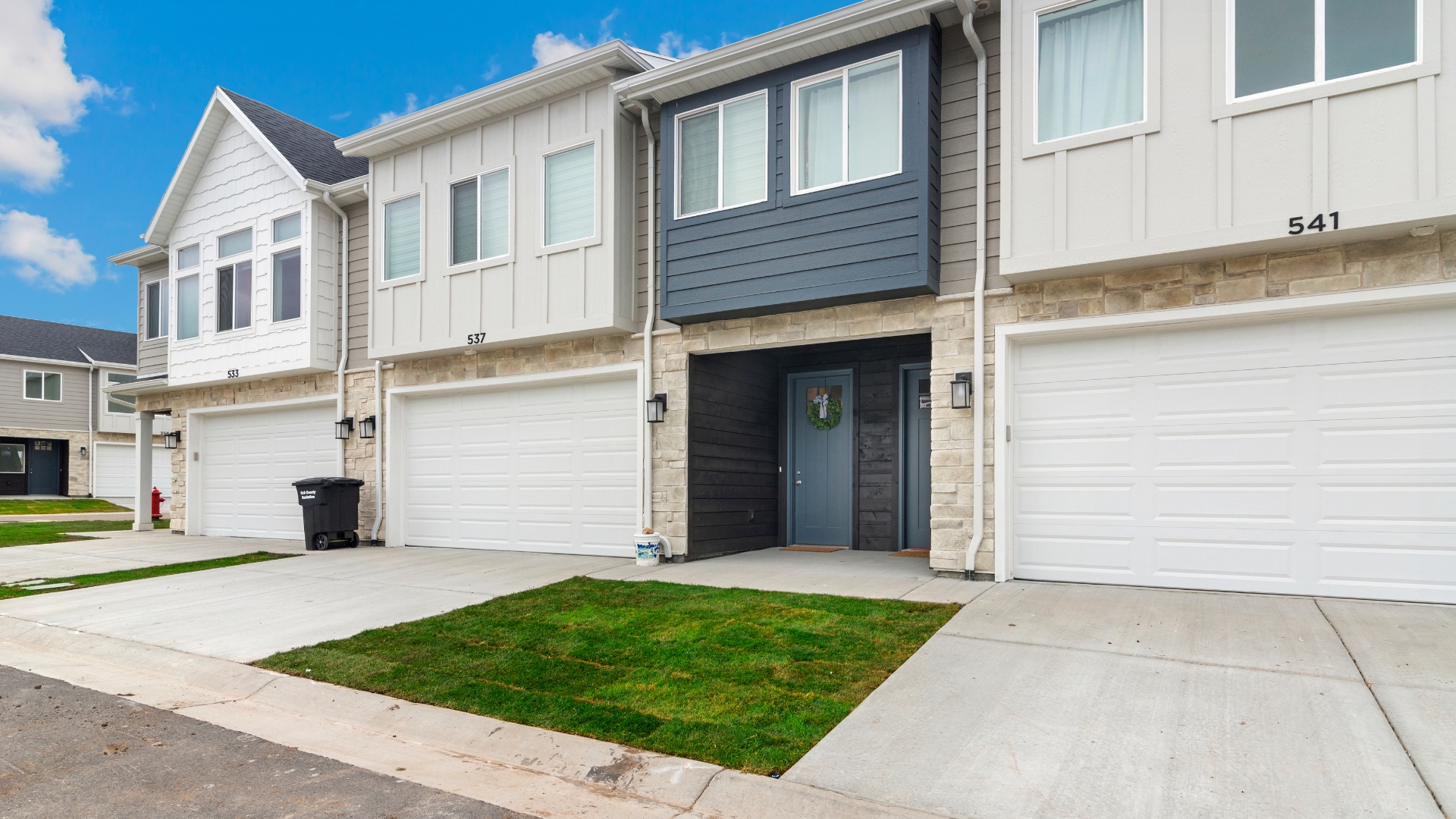
A fractional ownership property inspection should assess the home’s condition as carefully as a whole-home purchase, with added attention to shared spaces, maintenance responsibilities, and how findings affect co-owners. Use this checklist to understand what the inspection can show, which records to request, and what questions to resolve before deciding whether a home fits your family.
Explore available vacation homes
What should a fractional ownership property inspection cover? A thorough inspection reviews visible, accessible components of the home and identifies conditions that may merit repair or further evaluation. It is a snapshot, not a guarantee, and it does not replace document review or specialist assessments.
Before scheduling, ask the inspector to define the scope in writing. Confirm whether it includes the interior, exterior, installed systems, attached structures, and accessible common or owner-use areas. Ask how limitations will be recorded. If an area is locked, unsafe, concealed, or otherwise inaccessible, the report should make that clear rather than imply it was assessed.
Start with the structure and exterior Roof and drainage: Ask about visible wear or damage, drainage paths, gutters, downspouts, and signs of water entry. Roof access may be limited, so clarify whether observations were made from the ground, a ladder, or another vantage point.Foundation and grading: Note visible cracking, settlement concerns, and places where water appears to drain toward the home. Ask what merits monitoring and whether a qualified specialist should assess it.Exterior surfaces: Review siding, decks, balconies, stairs, doors, windows, sealants, and finishes. In a vacation home, changing weather and periods without occupancy make it useful to ask about visible signs of moisture or deterioration.Site features: Identify retaining walls, walkways, fences, drainage structures, and other features that may have separate maintenance needs or ownership responsibility.Check major systems and safety features Heating and cooling: Ask which equipment was operated, what responded normally, and whether visible components showed concerns. Seasonal conditions may prevent testing every mode.Electrical: Ask about the service panel, accessible outlets, fixtures, and visible wiring. A home inspection is not the same as a specialist electrical evaluation.Plumbing: Check accessible fixtures, visible supply and drain lines, water pressure, and evidence of leaks. Ask about unusual odors, stains, or slow drainage.Water heating and ventilation: Ask about visible condition and operation, including kitchen and bathroom exhaust where accessible.Life safety: Ask what was observed about smoke and carbon monoxide alarms, railings, stairs, and other visible safety items. Verify applicable local requirements separately.To make the scope concrete, ask for a written list of included components, excluded areas, and conditions that cannot be tested. For example, a seasonal system may be visible but not fully operable under the conditions on inspection day. A detached shed, private storage space, or owner-controlled amenity may also fall outside the standard scope unless access and arrangements are made. Agreeing on these limits early helps prevent a report from being treated as broader than it is.
How should shared spaces and family use shape the inspection? Inspect the parts every owner depends on, not only the rooms that make the strongest first impression. Consider how the home functions for your usual group, mobility needs, and the seasons when your family expects to visit.
Walk through kitchens, living and dining areas, bedrooms, bathrooms, laundry, storage, and entrances. Operate doors, windows, cabinets, appliances, and fixtures where the inspector permits. Record visible wear, missing components, or damage and ask whether it appears to be routine upkeep or a reason for closer review. Think beyond appearance: a large gathering may rely on adequate seating, practical traffic flow, sufficient bathrooms, and safe access between indoor and outdoor spaces.
Ask whether decks, pools, hot tubs, recreation features, parking, and other amenities are part of the inspection scope. Clarify whether shared facilities are inspected directly or only viewed from accessible areas. Consider whether the layout works for children, older relatives, or anyone who may need fewer stairs or easier access. Ask how any finding in a shared area will be documented and who is expected to coordinate follow-up under the particular ownership arrangement. Think through a real visit rather than an abstract floor plan. Where will relatives gather for meals? Can someone reach a bathroom without navigating stairs? Is there a clear path from parking to the entrance when carrying luggage? Are storage locations practical for the group’s activities? These are not substitutes for technical inspection, but they help your family connect observed conditions to the way you expect to use the property.
For context on the homes being considered, review Fraxioned’s property listings and its co-ownership overview . A listing describes a property; it is not a substitute for independent inspection or document review.
Which records should buyers request alongside an inspection? The report describes observed physical condition at a point in time. Property records can add context about maintenance, recurring problems, and how future work may be handled. Request material relevant to the specific home and ownership structure rather than assuming every property has the same records.
Available maintenance and repair history, with dates and descriptions of significant work. Information about known water intrusion, system replacements, or recurring service calls. Current property condition disclosures and applicable warranties or service records. Relevant association or co-ownership documents describing maintenance duties, shared areas, decision-making, and owner notices. Recent specialist reports, such as roof, pest, sewer, or environmental assessments, if available and relevant. Documentation for equipment or amenities that may need periodic servicing, where available. When reviewing records, look for patterns and missing context. Several service calls for the same system raise a different question from a single routine maintenance visit. A dated repair invoice may identify the contractor and work performed but not prove that no further issue exists. If a record uses unfamiliar technical language, ask for clarification or the underlying report rather than interpreting it from a brief summary.
Ask who can authorize repairs, how owners are informed, and how expenses are allocated under the governing documents. Responsibilities differ by property. The Arizona Department of Real Estate property buyer checklist offers general consumer prompts for evaluating a home or land; it does not replace local requirements or professional advice. Michigan’s home inspections and property checklist also offers a practical way to record and compare observations during home visits.
How can you turn inspection findings into useful follow-up? Sort observations by urgency, uncertainty, and relevance to your plans instead of treating every report note as equally serious. Ask the inspector to explain the evidence and the limits of the observation; then determine whether further evaluation is appropriate.
Locate and clarify the observation. Ask where it is, what was seen, and whether the report includes a photograph or other supporting detail.Understand the concern. Ask whether it relates to function, safety, moisture, normal wear, or a condition that could not be fully evaluated.Separate routine upkeep from specialist review. Some notes may call for ordinary maintenance. Others may warrant a licensed trade professional or specialist. Follow the report’s recommendation and use a qualified person for that assessment.Ask about timing. If a follow-up is needed, find out what should be evaluated before making a decision and what can reasonably be monitored later. Do not guess at repair costs based only on an inspection note.Connect the finding to shared ownership. Determine who can approve the work, how owners participate in the decision, and how the applicable documents address shared costs.Revisit your family’s criteria. Consider whether unresolved concerns affect safe use, planned gatherings, accessibility, or your comfort with the property’s responsibilities.For example, a report noting a stain near a window does not by itself establish whether there is active leakage. Ask whether the inspector saw elevated moisture or other evidence, whether the area was accessible, and whether a specialist should investigate. Similarly, a system that did not operate during a visit may need a qualified technician to determine why. Keep the report, follow-up questions, and any later assessments together so everyone involved is working from the same information.
A practical way to manage follow-up is to create a simple issue log. Give each item a location, report page or photo reference, question, person responsible for answering it, and status. Separate observations that need immediate clarification from items that can be monitored or discussed with the ownership group. This prevents a long report from becoming a vague list of worries and makes it easier to confirm that important questions were answered before a decision.
Area What to ask Useful follow-up Roof, exterior, drainage What was visible, and were any areas inaccessible? Ask whether a roofing or drainage specialist should evaluate further. Heating, electrical, plumbing Which components were tested, and what did not operate as expected? Seek qualified trade evaluation when recommended. Shared spaces and amenities Were they included, accessible, and documented? Confirm scope, responsibility, and follow-up in the applicable documents. Maintenance history Are records available for recurring issues or significant work? Request relevant records and resolve material questions before proceeding. Uncertain finding What evidence supports the observation and what remains unknown? Request clarification or a separate specialist assessment.
When a specialist assessment is recommended, ask what the specialist will examine, whether the original inspector’s concern is within that professional’s scope, and what access or records are needed. Keep conclusions distinct: a general inspector’s note identifies a concern, while a specialist may be better placed to diagnose a particular system. If the findings conflict, seek clarification from the professionals rather than choosing whichever answer seems most reassuring.
What can an inspection not tell you about fractional ownership? An inspection is not a valuation, a prediction of future repair costs, a warranty, or legal advice. It cannot establish that every defect has been found, predict how a system will perform later, or tell you whether an ownership arrangement suits your family.
Review the deed and other applicable ownership documents with appropriate professional guidance. Confirm how use rights, maintenance decisions, shared expenses, and property-specific arrangements work. Fraxioned’s fractional ownership FAQs can help with general questions, while the terms for a particular home should be verified directly.
In particular, do not infer a maintenance obligation from the physical location of an item alone. A roof, exterior stair, appliance, or shared amenity may be handled under property-specific arrangements. Ask where the governing documents define responsibility, how routine work differs from major work, and what happens if owners need to make a decision about an unexpected issue. The inspection helps establish what is observed; it does not assign the cost or authority for follow-up.
How can families prepare for the inspection visit? A little preparation makes it easier to get clear answers and compare what you learn with the family’s needs. Share your priorities with the inspector in advance, but let the inspection remain independent and evidence-based.
Choose your decision questions. Identify the issues that matter most: safe gathering areas, sleeping arrangements, access, system condition, or maintenance history.Ask about access. Confirm that the inspector can enter the relevant rooms and areas. Arrange permission for spaces controlled by an association or manager.Bring a simple observation list. Note the room or system, the report reference, your question, and who will follow up. Avoid relying on memory after a detailed walkthrough.Keep responsibilities distinct. The inspector evaluates physical condition within the agreed scope. Ownership documents and qualified legal or financial advice address different questions.Share the outcome appropriately. If several family members are deciding together, distribute the same report and record unresolved questions so discussion is based on the actual findings.Before the visit, collect the questions that matter to different family members and group duplicates. One person may focus on the kitchen and gathering space; another may be concerned about stair access or sleeping arrangements; someone else may want to understand maintenance records. Agree on which questions require the inspector’s observation and which belong to the property manager, seller, or document reviewer. This keeps the walkthrough focused and avoids asking an inspector to answer legal or financial questions outside the inspection.
During the visit, take notes by location and ask permission before taking photographs or testing components yourself. Let the inspector lead the examination. At the end, ask which observations are most important to understand, what areas could not be assessed, and whether a written report will include photographs and recommendations. After receiving it, compare notes against the report so personal impressions do not replace the documented findings.
When reviewing the ownership context, you can also read Fraxioned’s explanation of co-ownership , explore Utah vacation home options , and browse its Heber property information . These resources help you understand the offering and locations, but do not replace an independent assessment of a specific home.
What should you decide after reviewing the report? Use the inspection as one part of a broader decision, not as a simple pass-or-fail label. Summarize the conditions that matter, what remains uncertain, and what additional information would change your decision.
Before moving forward, check that the report’s scope and exclusions are clear, significant findings have an appropriate next step, and the ownership documents explain who handles any shared work. If an issue is material, consider whether you need a specialist report or advice from a relevant professional before deciding. A home can have maintenance needs and still suit a buyer, but that judgment should reflect verified details and the family’s priorities—not assumptions about future costs or responsibilities.
One useful decision summary has three columns: confirmed condition, unresolved question, and action needed. For instance, “visible ceiling stain” may be the confirmed observation, “is moisture active?” the open question, and “obtain a specialist assessment” the next action if appropriate. Another item might be “deck accessible and usable during visit,” with a separate question about who maintains it under the ownership documents. This format distinguishes evidence from interpretation and makes follow-up easier to share with co-owners.
Also consider how uncertainty affects your comfort with the purchase. If the report has a clear scope, the material questions have credible answers, and the relevant documents explain shared responsibilities, you may have a sounder basis for weighing the home against your family’s priorities. If major areas were inaccessible or an important system needs diagnosis, pause long enough to determine whether additional access or specialist work is possible. The inspection does not make the decision for you; it helps identify what is known, what remains open, and which next step would be useful.
To continue your research, see the co-ownership financing information and answers to common ownership questions . Financing availability and terms may depend on the property or program, so confirm details for the home you are considering.
For families comparing homes, keep the same assessment questions for each property. Note differences in access, visible condition, included amenities, available records, and any follow-up recommendations. A consistent set of questions makes a comparison more useful than relying on which home felt most appealing during a short visit.
Discuss a property with the Fraxioned team
Frequently Asked Questions Should I hire an independent inspector? Ask who selected and pays the inspector, what independence means in the transaction, and whether you may arrange your own inspection. Confirm access, scope, and timing before relying on a report.
Should the inspector evaluate every co-owned area? Ask which areas are included and whether shared amenities or restricted spaces are accessible. If an area is excluded, request the reason and determine whether a separate assessment is appropriate.
Does a clean inspection mean there will be no future repairs? No. An inspection reflects visible conditions at the time of the visit and has limitations. Systems can fail later, and concealed or inaccessible conditions may not be identified.
What should I do if the report recommends specialist review? Ask what concern prompted the recommendation and arrange evaluation by an appropriately qualified professional if it affects your decision. Clarify responsibility and next steps under the relevant transaction and ownership documents.
A careful inspection, clear records, and a sound understanding of shared responsibilities help families decide whether a vacation home fits the way they hope to gather and use it.