When deciding how to choose a fractional ownership share size, start with a family question, not a fraction: how often will you really use a shared vacation home, and what do you want those visits to feel like? A larger share may suit households planning more time at one property; a smaller share may fit families who want a few intentional trips without taking on more ownership than they expect to use. The right answer depends on your household’s travel rhythm and the specific home’s ownership and use plan.
Talk with Fraxioned about your family’s plans
What does share size actually change? A fractional share is an ownership portion of a property. Fraxioned offers deeded ownership shares in fully furnished, professionally managed vacation homes, with share sizes that include 1/8, 1/10, and 1/13. The fraction gives you a starting point for understanding your portion of ownership; it does not, by itself, answer every practical question about access, costs, or scheduling.
Usage is one important consideration. Fraxioned’s materials describe annual use ranging from 28 to 45 or more nights, depending on share size. Do not assume that a particular fraction always means an identical number of nights at every home. Ask for the specific property’s current schedule, how nights are allocated, and whether the published use figure includes any conditions or limitations.
Ownership details also matter. Confirm the deed, ownership entity or structure, recurring dues, expenses, and rules for transferring or selling a share in the documents for the home you are evaluating. These details can vary by property or program. The Fraxioned ownership FAQs can help you identify questions to raise, but use the actual property documents to confirm the answers.
How many nights would your household use in a normal year? Start with a realistic calendar rather than an idealized one. Families often overestimate how many trips they can fit around school, work, caregiving, sports, and other commitments. Look at the past two or three years and mark the trips you actually took, including their length and season. Then note which visits could reasonably happen at the same destination year after year.
Separate likely stays from possible stays. A long weekend that your family has taken consistently is stronger evidence than a hypothetical week that would require several relatives to coordinate schedules. Include travel time: a home that is easy to reach may support more frequent short trips, while a distant destination may suit fewer, longer visits. Those patterns help define the scale of share that deserves closer review.
Make a simple annual-use estimate in three columns:
Reliable trips: visits your household has taken regularly or can already place on the calendar.Likely additions: trips that fit your current routines but depend on coordination.Wish-list visits: appealing ideas without a clear date, traveler group, or travel plan.Use the first column as your baseline. Treat the second as a possible upside, not a promise. The third can help you compare destinations, but it should not justify choosing a larger share unless the family can explain how those visits would happen. This keeps the decision grounded in expected use rather than best-case enthusiasm.
For example, imagine one household that reliably takes two long weekends and one school-break trip each year, and another that expects to visit monthly during a particular season. Neither household can select a share from that description alone, but the patterns point to different questions. The first should check whether a smaller allocation can accommodate the few trips that matter most. The second should examine whether the home’s use plan can support repeated visits in the preferred season. In both cases, confirm the relevant dates and rules for the specific property.
Also ask whether the people who expect to use the home are the people making the ownership decision. If grandparents, adult children, or other relatives may join some trips, discuss how they would coordinate dates and expenses. A share size should fit the household’s actual plan for participation, not an informal assumption that every relative will travel whenever invited.
Who will travel, and what kind of gathering are you planning? Count the people who are likely to travel together, but also consider how the group changes from trip to trip. A couple may use the home for a quiet weekend, while a school break brings children, grandparents, or adult siblings. The home’s capacity and layout should suit the gatherings you value—not just the largest possible reunion.
Fraxioned homes are designed for family gatherings, and property capacities differ. Compare the guest count, bedrooms, bathrooms, sleeping arrangements, and shared spaces for the particular listing. A larger share does not make an undersized home work for a reunion, and a spacious home does not automatically mean your household needs the largest available ownership portion. Review the actual home and the share offering together.
It can help to ask each regular traveler what a successful visit means. One person may prioritize school-break weeks; another may want shoulder-season weekends, outdoor space, or room for several generations to cook and spend time together. Write down the top two or three shared priorities before comparing available options. If household members disagree about the type or frequency of trips, resolve that difference before treating a share size as the solution.
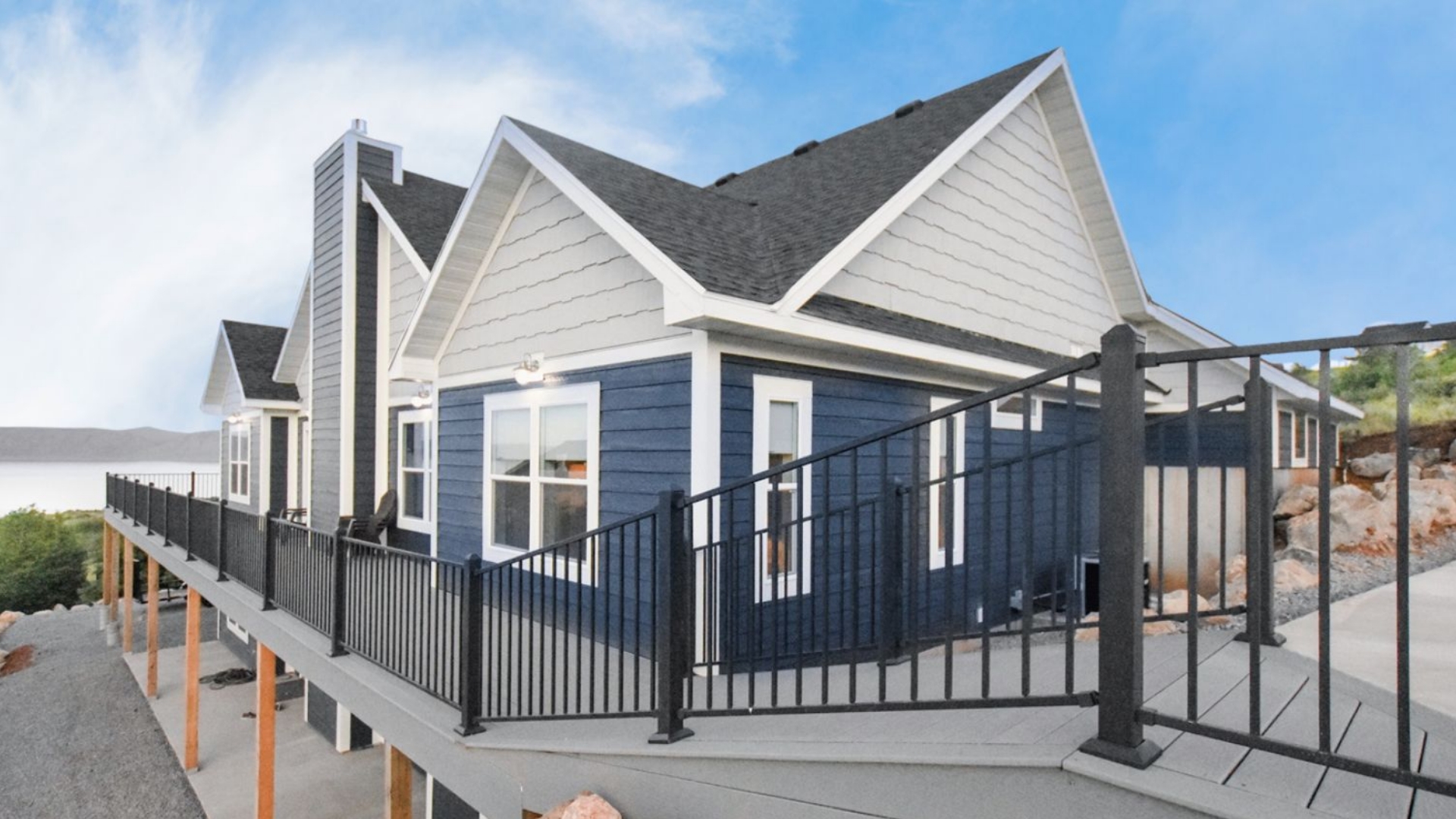
Explore the available vacation-home listings with those group needs in mind. For example, compare a home’s sleeping capacity and location against your likely travel party, not against the biggest group you might host once. Individual pages such as The Ascent in Park City and Lake Escape illustrate how property-specific details can shape the decision; verify current availability and terms directly.
How should you compare 1/8, 1/10, and 1/13 shares? Compare the available fractions as different levels of participation, then check the terms for the home rather than relying on assumptions about the numbers. A larger fraction is a greater percentage of the property, but the exact relationship between share, usage, expenses, and booking arrangements should be confirmed for that offering. The table is a planning aid, not a promise about a particular property’s annual nights, costs, or booking priority.
Share example What the fraction represents Family planning question What to verify for the home 1/8 12.5% ownership portion Would we reliably use a comparatively larger portion of the available family time? Annual use, calendar rules, recurring dues, and other ownership obligations 1/10 10% ownership portion Does a middle-sized portion better fit our realistic trip plan? How the share maps to use and expenses in this property’s documents 1/13 About 7.7% ownership portion Would a smaller portion cover the visits we can actually plan? Annual use, any minimums or limits, and the costs associated with the share
The percentages are simple fractions; they are not a substitute for the offering documents. Do not infer that the use allocation or annual expense is calculated by multiplying a displayed number by the fraction. Ask for a written, property-specific explanation of how ownership, use, dues, maintenance, and any other charges are determined. If an item is unclear, request an example for a typical year and ask whether it can change.
Then compare the options using the same household assumptions. If your reliable plan is two long weekends and one week, do not compare that plan with a larger share’s maximum advertised use as if every night will be convenient or equally valuable. Consider when you want to go, who can travel, and whether the booking process makes your preferred dates workable. A fraction only helps if its real use fits the family’s calendar.
When reviewing dates, be precise about what “available” means. Ask whether a listed night is an owner-use night, whether travel or preparation days affect the stay, and how changes or cancellations are treated. These are not details to infer from an annual night total. Ask for examples of how a family with your preferred season would request dates, and compare the examples with the written schedule policy.
Which seasons and dates matter most to your family? Annual night totals can hide a mismatch in timing. A household may want one spring break week and several summer weekends, while another prefers winter visits. Record your must-have periods, flexible periods, and dates you would be willing to skip. If your ideal trips all cluster around the same holidays or school breaks, confirm how those dates are handled before choosing any share.
Ask whether use is scheduled through a rotation, booking windows, or another system, and request the current written rules. Do not assume a larger share automatically guarantees every high-demand date or that all owners can choose freely at any time. Learn how far ahead owners can plan, what happens when requests overlap, and whether the policy differs for holidays or particular seasons. Scheduling details are specific to the home and program.
A useful exercise is to mark the calendar with three colors: dates your family needs, dates you would prefer, and dates you can use flexibly. If the first category dominates the year, compare that demand with the actual allocation process. If most dates are flexible, a smaller share or a home with a different seasonal pattern could be worth considering. Think through a difficult year, too: a work change, a child’s new schedule, or a family caregiving need could reduce travel. You do not need to predict every change, but a choice that only works when the calendar is perfect may feel restrictive. Ask how the written use rules handle nights you cannot use, and do not assume they can be carried forward or exchanged unless the applicable terms say so. For destination context, review places such as the Bear Lake and Garden City area or St. George and decide which season’s activities genuinely fit your family.
How do ownership costs fit your expected use? Share size is not only a night-count decision. Build a complete cost picture for each option, including the purchase amount and recurring dues, plus any property-specific charges described in the documents. Ask what the dues cover, how they are set, when they are due, and how planned maintenance or unexpected repairs are handled. Confirm whether cleaning or other stay-related charges apply. The point is to compare the actual obligation with the visits your household expects—not to divide a headline price by an optimistic number of nights.
Request a sample annual owner statement or a written breakdown where available. Check whether costs are fixed, variable, or subject to change, and ask how owners are informed about changes. Do not assume expenses rise or fall in a straight line with the fraction; the governing documents and property plan determine what applies. A smaller portion can still be a poor fit if the total commitment is uncomfortable, while a larger portion may be reasonable only if its use and costs match your family’s plans. Compare offers over the same period and use the same categories. For example, do not compare one option’s purchase figure with another option’s purchase figure plus estimated annual dues. Write down one-time and recurring amounts separately, then note what remains uncertain. That makes it easier for several family decision-makers to discuss the real trade-off instead of focusing on a single headline number.
Financing, if offered, is not universal and may be specific to a property or program. Review the relevant terms rather than treating financing as guaranteed. Fraxioned’s co-ownership financing information is a starting point for questions, not a promise of eligibility or approval. This guide is focused on choosing a share size, not on mortgage qualifications; keep those decisions separate and evaluate any financing with the provider and an appropriate adviser.
What should you verify before deciding? Once one or two share sizes look plausible, use a document-first checklist. Ask the team to show how each answer applies to the specific home, rather than relying on a general description. If you need help reviewing a real estate transaction, you can also consult a qualified professional; the National Association of Realtors is a professional association with consumer information.
Ownership: What legal interest does the share convey, and what documents establish it?Use: How many nights are associated with this share, and what conditions apply to that number?Scheduling: How are dates requested and allocated, including holidays and high-demand weeks?Costs: What is due at purchase and each year, what is included, and what charges can vary?House rules: Who may stay, what guest or use rules apply, and how are property standards maintained?Exit and transfer: What do the documents say about resale, transfer, or other ways ownership may end?Model: Is the home Collective, where owners may rent unused nights through professional management, or Exclusive, reserved for owner use without rentals?That last distinction matters even if rental income is not the reason you are buying. Fraxioned describes Collective and Exclusive as different ownership models. Check which one applies and read its specific terms. Do not assume rental availability, proceeds, tax treatment, appreciation, a buyback, or an exit outcome; these are property- or program-specific matters that require direct verification.
For additional context about how Fraxioned presents its approach, read about the co-ownership model and browse co-ownership opportunities . Treat marketing pages as an introduction and the signed, current documents as the authority for the specific transaction. If the family’s choice depends on a detail that is not in writing, pause and ask for clarification before moving ahead.
How can your family make a confident choice? Use a short decision process instead of trying to identify a universally perfect fraction. First, agree on the family’s reason for owning: frequent short stays, a few longer gatherings, or a dependable place for multiple generations to meet. Second, define the reliable annual travel plan and the dates that matter most. Third, compare the actual homes and their share offerings against that plan.
Next, score each candidate on four dimensions: expected use, fit with preferred dates, suitability for your typical group, and comfort with the documented costs. You can use a simple low, medium, or high rating; the exercise is meant to expose trade-offs, not produce a scientific score. If one share looks attractive only because of uncertain future trips, label that assumption clearly and decide whether the family is still comfortable if those trips do not happen.
Finally, review the written details together. Ask each decision-maker to name one reason the option fits and one unresolved concern. A good match should make sense to the people who will share the commitment, not just to the person most excited about the destination. Fraxioned’s family-focused events and experiences may help you learn more about the properties, while the team can answer questions about a specific offering .
Compare current homes and share options
Frequently Asked Questions Does a larger fractional share always mean more vacation nights? A larger fraction represents a larger ownership percentage, but do not assume it produces a specific number of nights or a guaranteed booking pattern. Review the current use allocation and scheduling rules for the particular home and share.
How do I decide between a smaller and larger share? Begin with trips your family can realistically take, then consider preferred seasons, the number of travelers, and the costs in the property documents. A smaller share may fit a limited, dependable visit plan; a larger share deserves consideration only when its added use and obligations align with your household’s needs.
Can the share size be chosen separately from the property? Available fractions and terms depend on the specific offering. Compare the share choices attached to the home you are considering, and confirm whether the property’s capacity, location, use plan, and costs suit your family before focusing on the fraction alone.
Should I count on renting unused nights to justify a larger share? No. Fraxioned Collective allows owners to rent unused nights through professional management, while Exclusive is for owner-only use with no rentals. Confirm which model applies and review its terms; do not make the share-size decision depend on rental income that has not been verified.
Ask Fraxioned about the share terms for a specific home
The best share size is the one whose documented ownership, expected use, and family travel rhythm fit together without relying on trips or terms you cannot confirm.