When you start looking at properties, it’s easy to focus on the purchase price. But the true cost of owning a second home in Florida involves much more than just the sticker price. Ongoing expenses like property taxes, hurricane insurance, and regular maintenance are significant factors that need to be part of your budget from day one. Understanding this complete financial picture is the key to sustainable ownership. In this guide, we’ll explore all the costs involved, discuss smart financing strategies, and look at modern ownership models that can make a luxury property more accessible by sharing these expenses.
Key Takeaways Budget for Florida's Unique Costs : Plan for more than the purchase price; remember to include higher insurance rates for hurricane and flood risk, property taxes, and ongoing professional maintenance.Understand the Rules Before You Buy Consider Co-Ownership for a Hassle-Free Experience : This modern approach makes luxury homeownership more attainable by splitting costs and includes professional management, handling everything from maintenance to rental logistics so you can simply enjoy your vacation.Breaking Down the Costs of a Florida Second Home Dreaming of a Florida escape is one thing, but understanding the financial reality is what makes it possible. Beyond the sticker price, owning a second home in the Sunshine State comes with a unique set of costs. Getting familiar with these expenses upfront helps you plan effectively and find a path to ownership that fits your budget, whether you're buying a home on your own or exploring a more modern approach like co-ownership. Let's walk through the key financial pieces you’ll need to consider.
Down Payments and Mortgages When you’re buying a second home, lenders typically expect a larger down payment than they would for your primary residence. You should be prepared to put down between 20% and 30% of the home’s purchase price. This is because lenders view a second home as a slightly higher risk. You may also find that interest rates are a little higher for the same reason. Planning for this larger initial investment is a crucial first step. Exploring different financing options can also help you understand what works best for your financial situation and make your dream home more attainable.
Property Taxes and Ongoing Expenses One of the nice financial perks of Florida is its lack of a state income tax, which can be a great benefit. However, it's important to understand how property taxes work for a second home. The Homestead Exemption, which provides a tax break for primary residences, doesn't apply here. This means you'll be taxed on the full assessed value of the property. These ongoing costs, along with utilities and general upkeep, are a significant part of the budget. With a co-ownership model , these annual expenses are split among the owners, making the financial responsibility much more manageable.
Insurance and Hurricane Coverage Insurance is a major expense for any Florida homeowner, and it’s something you’ll want to budget for carefully. Homeowners' insurance can be costly, sometimes averaging around $11,000 per year, especially for homes near the coast. Because Florida is prone to hurricanes and tropical storms, you’ll almost certainly need separate flood insurance as well. These policies are essential for protecting your property. When ownership is shared, the cost of these comprehensive insurance plans is also divided, which significantly reduces the annual financial burden on each owner.
Where to Buy Your Florida Second Home Florida’s coastline is incredibly diverse, offering a different version of paradise depending on where you look. From the polished, serene communities in the southwest to the lively, family-focused energy of Orlando, the right spot for your second home really comes down to the kind of memories you want to make. Are you dreaming of quiet mornings on a golf course, action-packed days at theme parks, or lazy afternoons with your toes in the sand?
Choosing a location is the most exciting part of the process. Think about your ideal vacation day and what you want right outside your door. Each region has a distinct personality, so let’s explore some of the most popular areas to find the perfect fit for you and your family.
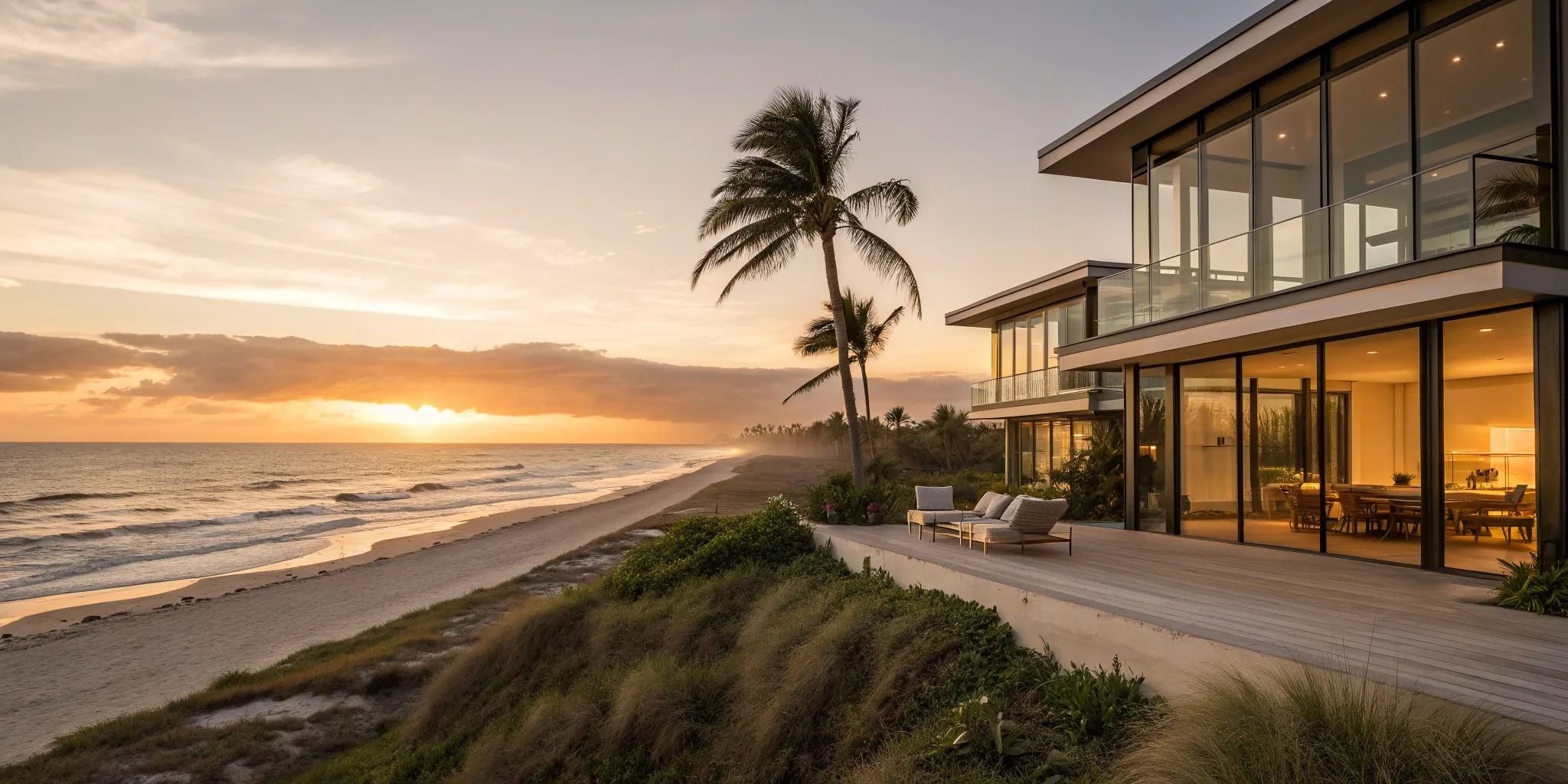
Southwest Florida's Luxury Markets If your vision of Florida involves tranquil Gulf waters, upscale dining, and a more relaxed pace, Southwest Florida might be your perfect match. This region, which includes sought-after areas like Naples and Sarasota, is a favorite for “snowbirds” looking to trade harsh winters for year-round warmth and sunshine. The lifestyle here is polished yet comfortable, with a focus on golf, boating, and enjoying the calm coastal environment. While these luxury markets can have a higher price point, co-ownership makes owning a beautiful home in these exclusive communities much more attainable, letting you enjoy the lifestyle without the full financial commitment.
The Florida Keys and Coastal Hotspots For those who live for the water, the Florida Keys and other coastal hotspots offer an unmatched lifestyle centered around boating, fishing, and beach-going. The Keys have a unique, laid-back island vibe that feels a world away from the mainland. Life here moves at a slower pace, dictated by the tides and the sunset. Along the Gulf Coast, you’ll find vibrant beach towns perfect for anyone who wants to spend their days on the water. These areas are ideal for creating an active, sun-soaked retreat where the ocean is your playground and every day feels like a true getaway.
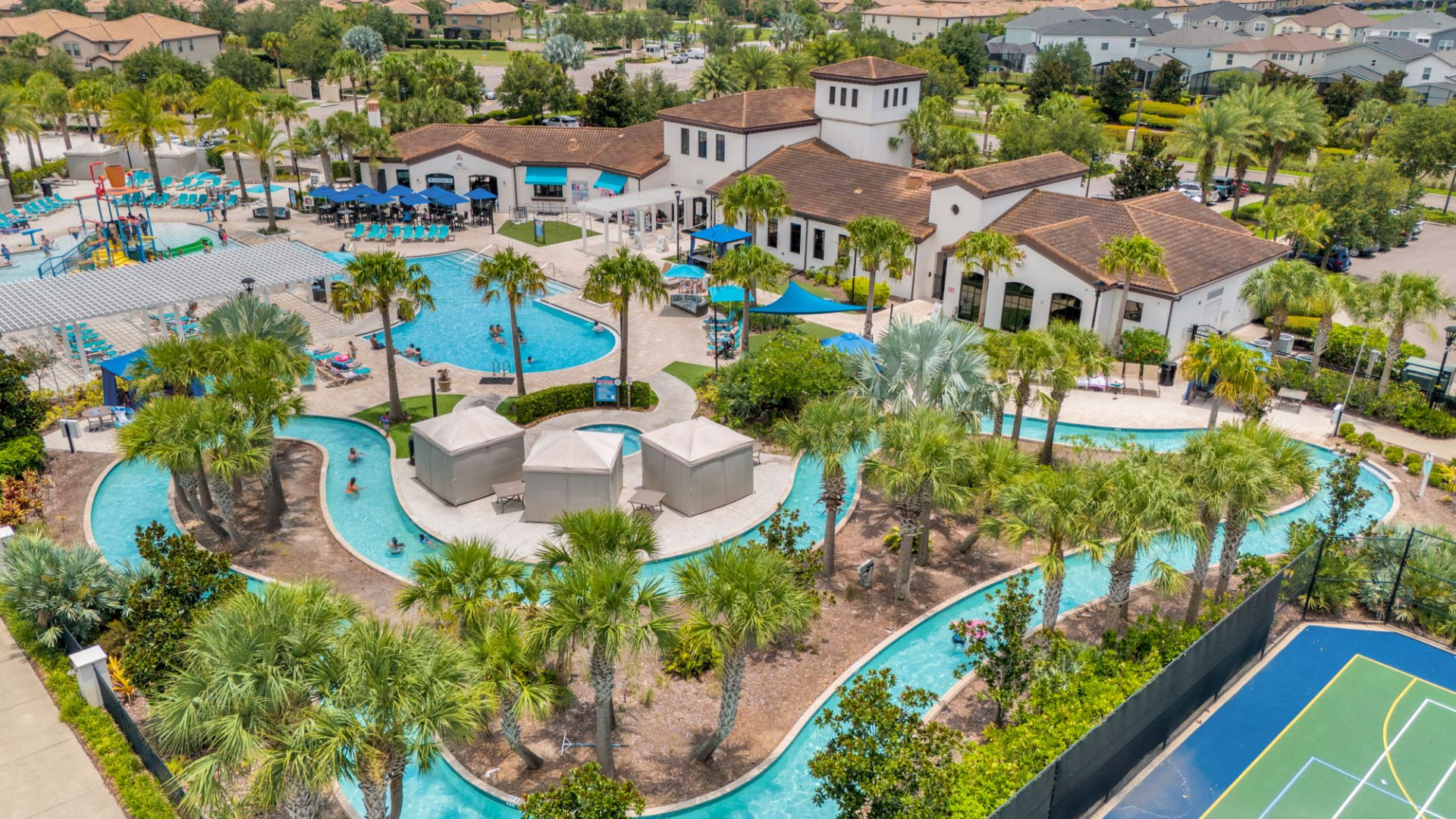
Orlando and Central Florida's Appeal Central Florida is the ultimate destination for families. With Orlando at its heart, this region is synonymous with world-class theme parks and endless entertainment. A second home here means having a comfortable home base for creating unforgettable family memories, year after year. Beyond the parks, the area is filled with beautiful lakes, top-tier golf courses, and great shopping and dining. It’s a fantastic choice if you’re looking for a place that offers non-stop fun for all ages. The constant demand from tourists also makes it a popular spot for vacation homebuyers looking to offset ownership costs through rentals.
Up-and-Coming Panhandle Communities Don’t overlook the Florida Panhandle, also known as the Emerald Coast. This region is famous for its stunning sugar-white sand beaches and a more relaxed, Southern charm. Communities along Scenic Highway 30A, like Seaside and Rosemary Beach, offer a picturesque setting with a strong sense of community. The Panhandle often provides a more budget-conscious entry into the Florida market without sacrificing beauty or lifestyle. It’s a wonderful option for buyers who want a laid-back atmosphere where they can unwind and enjoy some of the most beautiful beaches in the country. You can explore a variety of Florida listings to see what’s available in this charming region.
How to Finance Your Florida Getaway Once you’ve found a place that feels like your own personal paradise, the next step is figuring out the finances. Luckily, you have several paths you can take to make your Florida dream home a reality. From traditional routes to more modern approaches, let’s look at the most common ways to fund your getaway.
Traditional Mortgages Getting a mortgage for a second home is a bit different than for your primary residence. Lenders often see a second home as a slightly higher risk, so the requirements can be stricter. You should be prepared for a higher down payment, usually in the 10% to 20% range, and potentially a higher interest rate. It’s a good idea to find a lender who has plenty of experience with second home financing to help you find the best terms. They’ll be familiar with the nuances and can make the process feel much smoother.
Co-Ownership and Fractional Ownership If the cost of whole ownership feels out of reach, co-ownership is a fantastic alternative. This approach allows you to split the purchase price and ongoing expenses with other people, making a luxury property much more accessible. A specific type of co-ownership, known as fractional ownership , is where you buy a share of a home that gives you a set amount of time there each year. A management company handles all the upkeep, from cleaning to repairs, so you can just show up and relax. It’s a hassle-free way to get all the benefits of a vacation home without the full financial weight.
Using Home Equity or Cash If you’ve built up equity in your primary home, you can put it to work. A Home Equity Line of Credit (HELOC) or a Home Equity Loan can be a great way to finance your second home , and these options often have lower interest rates than a traditional second mortgage. Of course, if you have the funds available, paying with cash is the most straightforward option. Buying a home outright means you won’t have to worry about monthly mortgage payments or interest, giving you more financial freedom to simply enjoy your new Florida retreat.
The Pros and Cons of Florida Home Ownership Owning a home in Florida can feel like securing your own personal piece of paradise, but it’s wise to look at the full picture before you start packing your flip-flops. The Sunshine State offers an incredible lifestyle, but it also comes with a unique set of responsibilities. Understanding both the bright spots and the potential hurdles is the key to making a decision that truly fits your family’s goals. It’s about weighing the dream of a sunny escape against the practical realities of homeownership in a popular, and sometimes unpredictable, coastal state. Let's break down what you can expect.
The Perks of Owning a Florida Home The most obvious benefit is having a personal warm-weather getaway whenever you need it, especially if you’re escaping colder northern winters. Beyond just the sunshine, owning a home here means creating a consistent and comfortable spot for family vacations and lasting memories. On the financial side, Florida offers some attractive advantages. The state has no state income tax, which can be a significant benefit for long-term planning. While you shouldn't buy a home purely as an investment, it’s worth noting that Florida’s real estate market has historically seen strong appreciation, meaning your property could grow in value over time. These lifestyle and financial benefits make a compelling case for putting down roots.
Potential Challenges to Consider While the perks are plentiful, there are challenges to keep in mind. Florida’s popularity means housing prices can be high, especially in desirable coastal areas. You’ll also be responsible for all the upkeep and repairs, which can be tricky to manage from afar. The state’s climate brings other considerations, too. Hot, humid summers require a reliable HVAC system, and the risk of hurricanes is a serious factor. This environmental reality leads to higher insurance costs, particularly in coastal and flood-prone zones. It's essential to research hurricane preparedness and factor the significant cost of homeowners and flood insurance into your budget before making a commitment.
Renting Your Florida Home: The Legal Side One of the great things about owning a second home is the ability to rent it out when you’re not there, helping to offset some of the operating costs. It’s a practical way to make your property work for you. However, before you list your home on a rental site, it’s important to understand the rules and regulations that come with being a landlord in the Sunshine State. Florida has specific requirements for short-term rentals, and local communities often have their own set of rules. Getting a handle on the legal side of things from the start will save you headaches down the road and ensure everything runs smoothly.
For those who prefer a more hands-off approach, co-ownership can simplify this process, as the property management team typically handles the complexities of renting, but if you're going it alone, here’s what you need to know.
Short-Term Rental Licenses If you plan to rent your property more than three times a year for periods of less than 30 days at a time, Florida requires you to get a vacation rental license. This license is issued by the Florida Department of Business and Professional Regulation (DBPR). Think of it as a business license specifically for short-term rentals. On top of the state requirement, your city or county may have its own licensing or registration rules. It’s essential to check with local authorities to make sure you have all the necessary permits in place before welcoming your first guests. Staying compliant from day one is key to a stress-free rental experience.
Local Zoning and HOA Rules Beyond state licenses, your specific neighborhood has a big say in whether you can rent out your home. Many Florida cities have strict zoning ordinances that regulate or even prohibit short-term rentals, especially in residential areas. It’s crucial to research these local laws before you even make an offer on a property. If the home is part of a homeowners’ association (HOA), you’ll also need to read the community’s covenants and restrictions carefully. Some HOAs have rules about the minimum length of a rental period or may not allow rentals at all. Getting this information upfront will prevent you from buying a home with rental plans that you can’t legally carry out.
Tax Obligations and Deductions Renting out your home also has tax implications. Generally, if you rent your property for more than 14 days in a calendar year, you’ll need to report that rental income to the IRS. You may also be required to collect and pay state and local tourist or "hotel" taxes on the rental fees you charge. The good news is that you can also deduct a portion of your expenses, such as mortgage interest, property taxes, maintenance costs, and insurance. The rules can get a bit complicated, so it’s a great idea to consult with a tax professional who can guide you through your specific obligations and help you maximize your deductions.
Managing Your Property from Afar Owning a second home in Florida is a dream, but managing it from a distance can feel like a full-time job. Between coordinating lawn care, scheduling cleaners, and worrying about what a tropical storm might do, the logistics can quickly overshadow the joy of ownership. Your vacation home should be a place of rest and connection, not another source of stress on your to-do list. The goal is to arrive at your getaway and immediately relax, not spend the first few days dealing with maintenance issues that piled up in your absence.
Putting a solid management plan in place is key to a truly stress-free experience. Whether you’re hours away or across the country, you need reliable people on the ground to look after your property. This means finding trustworthy professionals to handle everything from routine upkeep to unexpected repairs. It’s about creating a system that protects your home and gives you peace of mind, so you can focus on what matters: making memories with your family. Exploring different ownership structures, like co-ownership , can also simplify this process, as professional, hands-on management is often built right into the model, removing the burden from your shoulders entirely.
Property Management Solutions If you’re managing the property yourself, hiring a professional property management company is one of the most effective ways to protect your home. These companies act as your local point person, handling everything from routine inspections and maintenance to coordinating cleaning services between visits. For a lighter touch, a "home watch" service can perform regular check-ins to ensure everything is secure, the AC is running, and there are no signs of leaks or pests. This ensures your home is always guest-ready, so your vacation can start the moment you walk through the door.
Hurricane and Flood Protection Florida’s beautiful coastline comes with the responsibility of preparing for hurricane season. When you’re not there to personally board up windows, having a plan is essential. This includes installing storm shutters and ensuring you have the right insurance coverage, as standard policies often don’t include flood damage. It’s a good idea to look into specific flood insurance policies, especially for coastal properties. Many newer homes are built to stricter codes with storm-resistant materials, which can offer both better protection and peace of mind when you’re watching the weather from afar.
Seasonal Maintenance Needs Florida's tropical climate means year-round maintenance is a must. The humidity can lead to mold and mildew if not properly managed, pests are a constant consideration, and landscaping can quickly become overgrown. These tasks require consistent attention. Many owners find that buying in a community with a Homeowners Association (HOA) helps, as the HOA often handles common area maintenance and sets standards for property upkeep. With a co-ownership model , all of these seasonal and routine maintenance tasks are typically handled for you, taking the guesswork and hassle out of the equation.
What Influences Your Property's Value? Even if your main goal is creating family memories, it’s smart to understand what makes a property valuable. Several key factors come together to determine a home's worth in the dynamic Florida market. From the neighborhood you choose to the amenities it offers, each element plays a role. Thinking about these factors helps you make a confident choice and ensures your getaway spot is a place you'll love for years to come. It’s not about turning a profit, but about making a sound decision for your family's future enjoyment.
Location and Market Trends In real estate, location is everything, and that’s especially true in a state as diverse as Florida. It’s no surprise that coastal areas with beach access are consistently in high demand, which is reflected in their value. The specific city or even the neighborhood can make a big difference in your experience and the property's long-term appeal. Beyond just the address, it's helpful to look at market trends. Florida's real estate market has seen significant growth, showing a strong and sustained interest in the Sunshine State. Keeping an eye on these trends can give you a better sense of the desirability of the available properties you’re considering.
Key Property Features and Amenities The home itself is just as important as where it’s located. Think about the lifestyle you envision for your getaways. Do you want the space and privacy of a single-family home, or the low-maintenance ease of a condo with shared facilities? Amenities can significantly add to your enjoyment and the property's overall desirability. Features like a private pool, a modern kitchen, or access to a community fitness center make a house feel more like a resort. This is where co-ownership shines, as it often makes high-end amenities more accessible than they might be with sole ownership.
Economic and Tourism Factors Broader economic factors also play a part in a property's value. Florida's lack of a state income tax makes it an attractive place for many people to own property, which helps sustain demand across the state. This favorable tax environment is a nice perk for second-home owners. Tourism is the lifeblood of many Florida communities, and a steady stream of visitors keeps local businesses thriving and ensures the area remains vibrant and well-maintained. This energy contributes to the location's appeal and can help offset operating costs if you decide to rent out your unused time, which is a common practice for many owners.
Common Mistakes to Avoid When Buying in Florida Buying a second home in Florida is an exciting step toward creating lasting memories, but it’s easy to get swept up in the dream and overlook some practical details. A little foresight can help you avoid common slip-ups that many new buyers face. From underestimating costs to navigating local regulations, being prepared will make your experience much smoother. Let’s walk through some of the key mistakes to watch out for so you can focus on what really matters: enjoying your new getaway.
Sidestepping Buyer Pitfalls Buying a second home is a major financial step, and it’s important to go in with your eyes wide open. Prices can vary dramatically across the state, with coastal areas typically commanding higher prices. Beyond the initial purchase, you’ll need a solid plan for managing the property from afar. Think about how you’ll keep your home safe when you’re not there—will you need security cameras or someone to check in? You'll also need to handle repairs and upkeep, which can be a challenge from another state, especially if you decide to rent it out. Thinking through these logistics ahead of time will save you a lot of stress down the road.
Uncovering Hidden Costs The sticker price is just the beginning. It’s the ongoing expenses that often catch new owners by surprise. Be sure to factor in recurring costs like property taxes, HOA fees, and regular maintenance. Homeowners insurance, in particular, can be a significant expense in Florida due to the risk of hurricanes. In some coastal areas, insurance can average around $11,000 per year, and you may need separate flood insurance on top of that. These hidden costs can add up quickly, so it’s crucial to build them into your budget from day one to get a realistic picture of what ownership truly entails.
Following Local Rules and Expert Advice Florida has specific rules for homeowners, especially if you plan to rent out your property. For instance, if you rent your home more than three times a year for less than 30 days at a time, you’ll likely need a special business license. Local zoning laws and HOA rules can also add another layer of complexity. To make sure you’re on the right track, it’s always a good idea to talk to financial and real estate experts who understand the local market. Their guidance can help you understand the long-term financial side of your purchase and ensure you’re following all the necessary regulations.
Related Articles Frequently Asked Questions What's the biggest financial surprise I should prepare for when buying a second home in Florida ? Beyond the down payment, the most significant financial aspect to plan for is the combination of ongoing carrying costs. It’s not just one thing, but the total of property taxes (which are higher without the primary resident exemption), homeowners insurance, and potential flood insurance. These annual expenses, especially insurance in coastal areas, can be quite substantial, so getting firm quotes early in the process will give you a much clearer picture of your yearly budget.
How is co-ownership different from a traditional timeshare? This is a great question because the two are fundamentally different. With co-ownership, you are buying a deeded share of the actual property, meaning you own a real asset. A timeshare, on the other hand, typically only gives you the right to use the property for a set amount of time each year without any actual ownership of the real estate itself. Co-ownership offers the financial benefits and equity of owning property, just shared among a small group of people.
Do I have to rent out my property to help cover the costs? Not at all. While many owners choose to rent out their unused time to help offset annual operating expenses like taxes and maintenance, it's completely optional. The primary goal of owning a vacation home is for you and your family to enjoy it. The ability to rent is simply a flexible perk that can make ownership more financially comfortable, not a requirement.
How can I realistically manage a property during hurricane season if I live far away? Managing a home from a distance, especially during storm season, is all about having a solid plan and reliable people on the ground. Many owners hire a professional property management or home watch service to handle storm preparations, like putting up shutters and conducting post-storm inspections. In a co-ownership arrangement, this entire process is typically managed for you, which removes the stress and logistical challenges from your plate entirely.
I love the idea of a home in a place like Sarasota, but the prices seem high. Are there ways to make it more affordable? Absolutely. This is precisely where a model like co-ownership becomes so valuable. It makes owning a home in a premium, high-demand market much more attainable. By splitting the purchase price and all the associated costs with a few other owners, you get to enjoy the luxury lifestyle and beautiful location for a fraction of what it would cost to buy the home on your own. It’s a practical way to make an otherwise out-of-reach dream a reality.