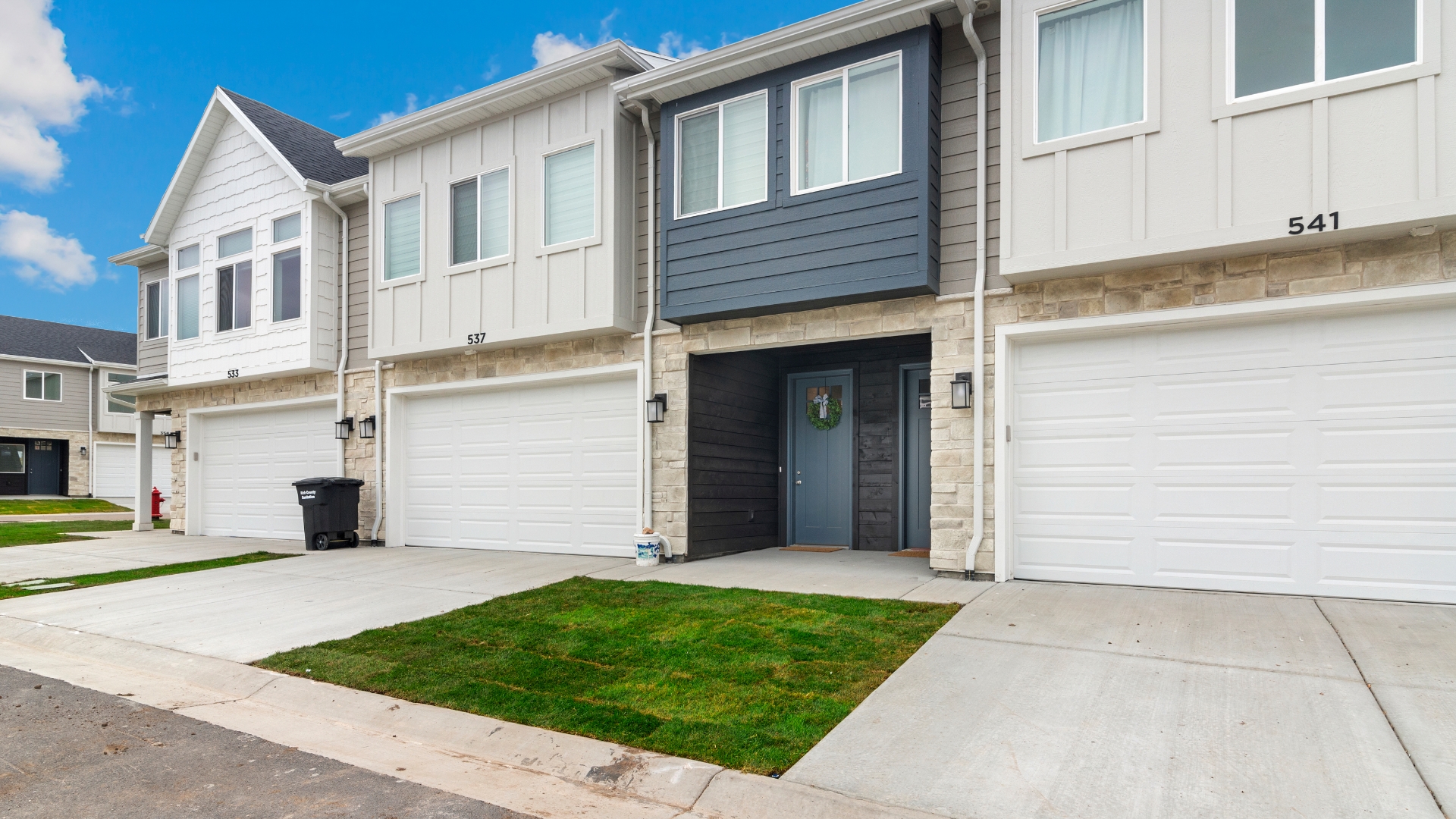
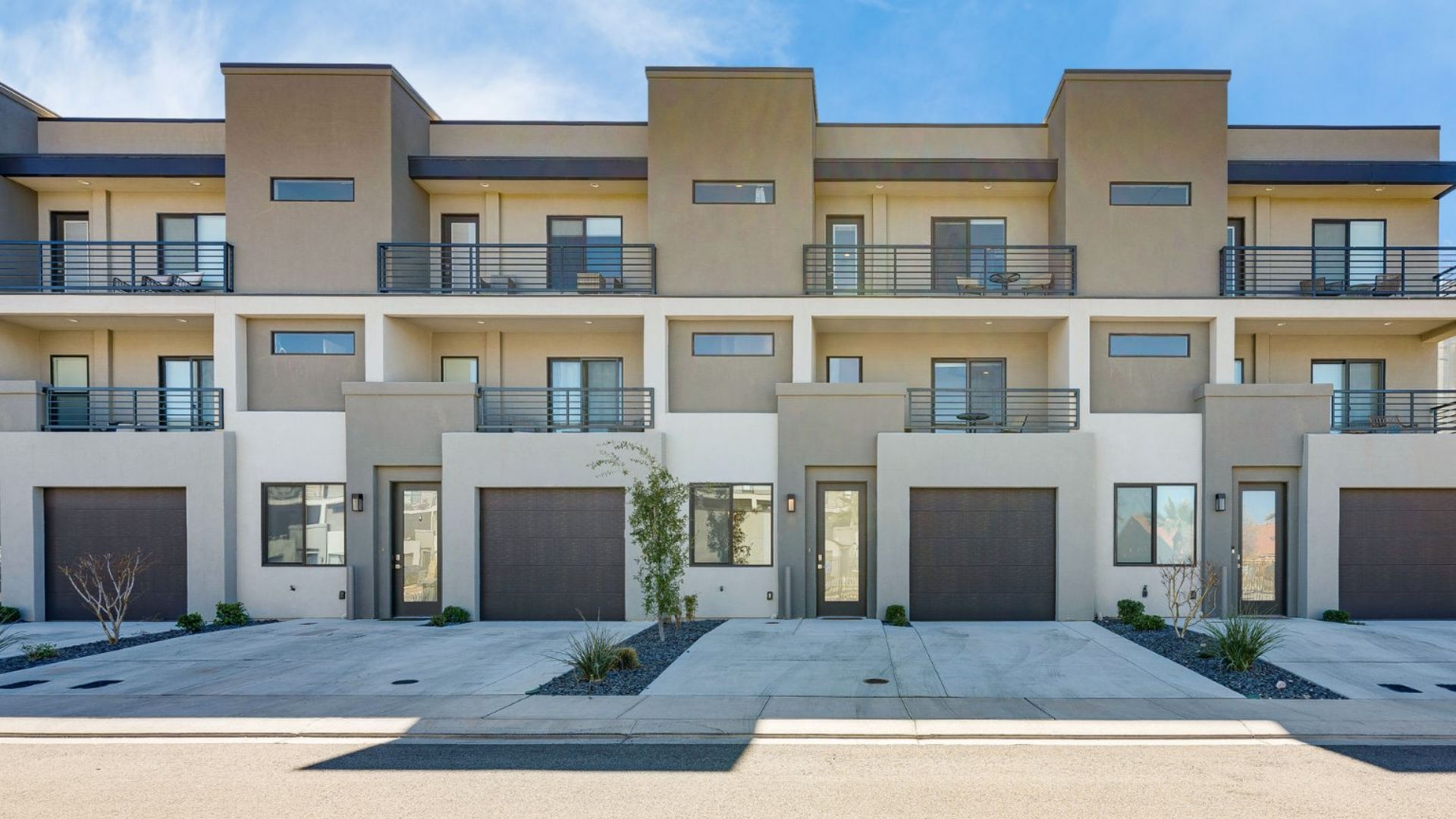
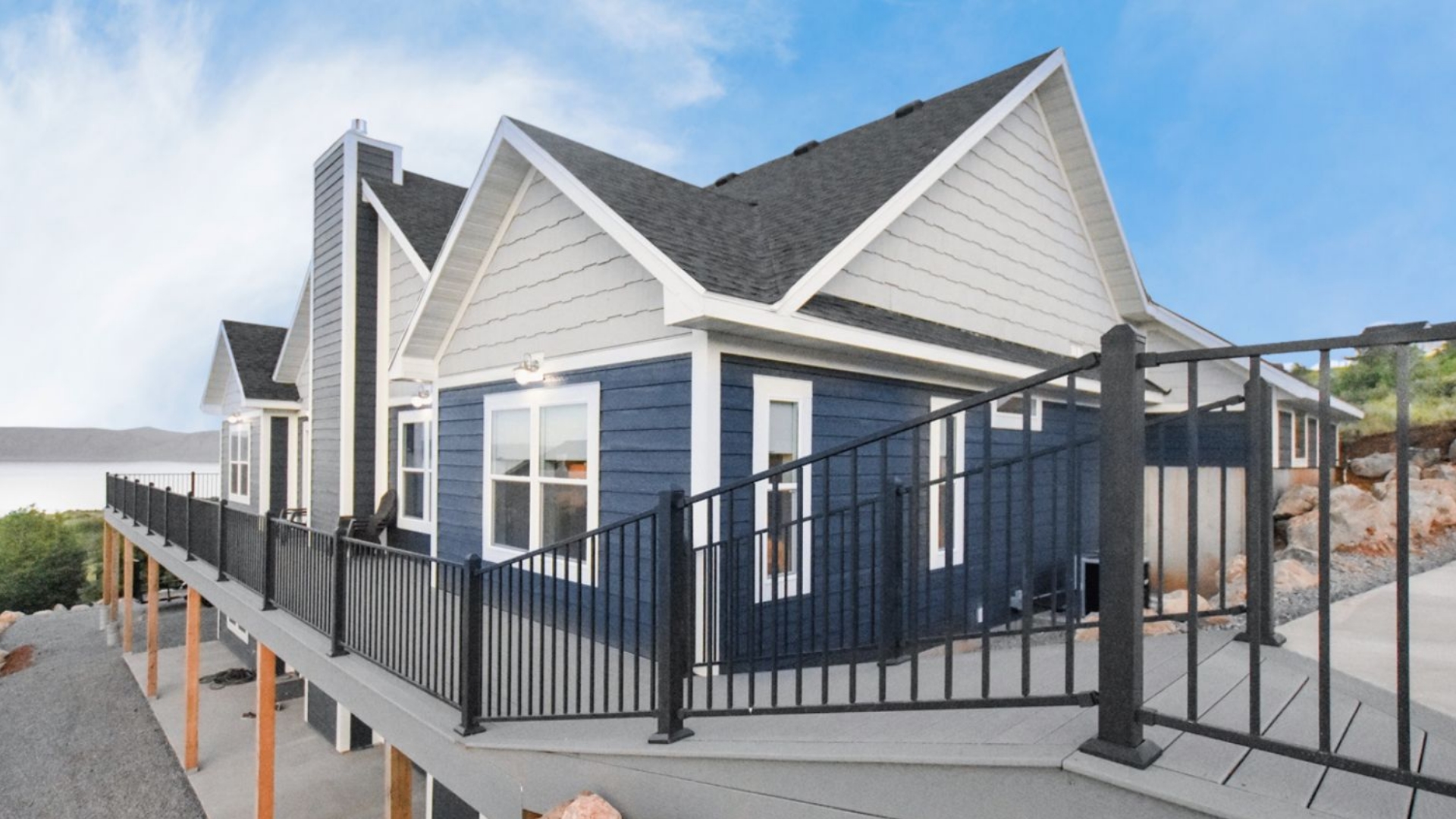
We all have that picture in our minds: a beautiful home in a favorite destination, a place where family and friends can gather year after year. The reality of owning that home, however, often involves more than just idyllic weekends. It means dealing with unexpected repairs, managing upkeep from afar, and footing a massive bill for a property that sits empty much of the year. Co-ownership bridges the gap between the dream and the reality. It allows you to own a piece of that perfect getaway without the logistical burdens. The entire structure is governed by a shared ownership lease , a clear agreement that handles the details so you can focus on making memories.
Key Takeaways Make homeownership more affordable : Shared ownership lowers the financial barrier by letting you buy a percentage of a home, which means a smaller down payment and shared monthly operating expenses.Understand your rights and responsibilities : Your lease is the most important document; it details the rules for everything from maintenance and repairs to how you can sell your share, so it's essential to review it carefully.Not all shared ownership is the same : A traditional lease for a primary home usually prohibits renting, but modern co-ownership models for vacation homes are built for flexibility, often allowing you to rent out unused time to offset your costs.What is a Shared Ownership Lease? Think of a shared ownership lease as a stepping stone to owning a home. It’s a unique arrangement that lets you buy a portion of a property and pay rent on the part you don't own. This model is designed to help people get onto the property ladder when buying a home outright isn't quite within reach. Instead of purchasing 100% of the home with a traditional mortgage, you buy a share—typically between 10% and 75%—and a housing association owns the rest.
The legal document that outlines this entire arrangement is the shared ownership lease. It details your rights, your responsibilities, and the rules of the road for everything from paying your monthly costs to eventually selling your share. It’s different from a standard rental agreement because you are a homeowner with equity in the property. It’s also different from traditional ownership because you share ownership with another party, which comes with its own set of guidelines. Understanding this lease is the first step to figuring out if this path to homeownership is the right fit for you.
How Does Shared Ownership Work? The process is fairly straightforward. First, you secure a mortgage to purchase your initial share of the home. For example, you might buy a 25% share of a property. For the remaining 75% that you don't own, you’ll pay a reduced rent to the housing association. This means your monthly payments are a combination of your mortgage payment and this rental fee.
Over time, you have the option to buy more shares of the property. This process is called "staircasing," and it allows you to gradually increase your ownership stake. As you buy more shares, the amount of rent you pay decreases because the housing association’s share gets smaller. The ultimate goal for many is to staircase all the way to 100% ownership, at which point you stop paying rent altogether and own the home outright.
Shared Ownership vs. Traditional Homeownership One of the most important things to understand is that even with a shared ownership lease, you are considered a homeowner, not a tenant. You have a long-term lease, often for 99 years or more, which gives you security and the rights of ownership for your share. You’re building equity and can decorate and make the space your own, just like any other homeowner.
The main difference lies in the shared responsibilities and the terms laid out in your lease. While a traditional homeowner is solely responsible for everything, a shared owner has a formal relationship with the housing association. It’s a legal agreement that protects both you and the housing association, ensuring everything is clear from day one.
Clearing Up Common Misconceptions A common question is whether you can rent out your shared ownership home. Generally, the answer is no. These properties are intended to be your primary residence, not an investment property to generate rental income. The lease will almost always include a clause that prevents you from subletting the entire home. You may be able to rent out a spare room, but you’ll need to check your specific lease and get permission from the housing association first.
If having the flexibility to rent out your property is important to you, the path to achieving that is by buying more shares . Once you staircase to 100% ownership and become the sole owner, the restrictions on subletting are typically lifted, giving you the same freedoms as a traditional homeowner.
Key Terms to Know in Your Shared Ownership Lease Diving into a shared ownership lease can feel like learning a new language. It’s filled with specific terms and clauses that you won’t find in a standard rental agreement. But don’t let the legal jargon intimidate you. Understanding these key terms is the first step to confidently navigating your home-buying journey. Think of this as your personal glossary for the most important concepts in your lease.
Getting comfortable with this language will help you ask the right questions and fully grasp your rights and responsibilities as a shared owner. A lease is a long-term commitment, so it’s worth taking the time to understand exactly what you’re signing. We’ll walk through the most common terms you’ll encounter, from how you can buy more of your home over time to the rules around selling it later on. By the end of this section, you’ll have a much clearer picture of how a shared ownership agreement is structured.
"Staircasing": Buying More of Your Home Over Time One of the most unique features of shared ownership is "staircasing." This is simply the process of buying more shares of your property over time. You might start by owning 40% of your home, and through staircasing, you could later buy another 10%, bringing your total ownership to 50%. As you buy more shares, the amount of rent you pay to the landlord on their portion decreases. The ultimate goal for many is to staircase all the way to 100% ownership. Once you own the entire property, you no longer have to pay any rent, and the home is fully yours.
How Your Rent is Calculated and Reviewed With shared ownership, your monthly payment has two parts: your mortgage on the share you own and the rent on the share you don't. It’s important to know that the rent portion isn’t fixed forever. Your lease will outline a process for an annual rent review. Typically, the increase is tied to a measure of inflation, like the Retail Price Index (RPI), plus a small, fixed percentage (often 0.5% to 2%). This means your rent will likely go up each year, so it’s a good idea to factor that into your long-term budget from the start.
The Rules for Selling Your Share When you decide it’s time to move on, the process for selling a shared ownership home has a few extra steps. If you don’t own 100% of the property, your lease will require you to give your landlord the first opportunity to find a buyer. This is often called a "right of first refusal." The selling price isn’t just a number you pick; it will be determined by an independent valuation from a qualified surveyor. This ensures the price is fair and reflects the current market value, protecting both you and the landlord.
Who Can Live There: Occupancy and Sub-letting Shared ownership leases usually have strict rules about who can live in the property. Generally, you are not allowed to sub-let your entire home. These rules are in place to ensure the program helps people find a place to live, not to create rental investment opportunities. However, the rules are often more flexible when it comes to having a lodger. If you want to rent out a spare room to a paying guest while you are still living in the home, that is typically permitted. Always check your specific lease to understand the exact rules around occupancy before making any plans.
Understanding the Mortgage Protection Clause This clause might sound complicated, but its purpose is simple: it helps you get a mortgage. A mortgage protection clause is a safety net for your lender. It gives them more security when lending on a shared ownership property, which can otherwise be seen as complex. The clause ensures that if you run into serious financial trouble, the lender can work with the landlord to manage the situation without losing their investment. Because this protection is in place, more lenders are willing to offer mortgages for shared ownership homes, making your path to ownership a little smoother.
Your Responsibilities as a Shared Owner Owning a home, even a share of one, is an exciting step. It also comes with a set of responsibilities that are important to understand from the start. While you get to enjoy all the perks of homeownership, you also take on a role in the property's upkeep and financial health. Think of it less like being a renter and more like being a partner in the property.
Your specific duties will be laid out in your lease agreement, but most shared ownership models include responsibilities for maintenance, service charges, insurance, and following rules about how the property can be used. Getting familiar with these areas will help you have a smooth and enjoyable experience as a co-owner. It’s also why it’s so important to understand the details of your specific agreement, as some modern approaches to co-ownership are designed to handle many of these tasks for you.
Keeping Up the Property: Maintenance and Repairs In most shared ownership agreements, you are considered the homeowner when it comes to upkeep. This means you’re typically responsible for all maintenance and repairs inside your home, from fixing a running toilet to servicing the furnace. Depending on the lease, this responsibility can also extend to the exterior of the property. It’s a good idea to set aside a budget for these potential costs, just as you would if you owned the home outright. Before signing, be sure to clarify what the service charge covers versus what falls under your personal home maintenance checklist. This ensures there are no surprises when something needs fixing.
Understanding Service Charges Service charges are regular fees paid to the property manager or housing association for the maintenance of communal areas and services that benefit all residents. This can include things like landscaping, cleaning hallways, or servicing an elevator. A key detail that often surprises new shared owners is that you are usually responsible for paying the full service charge, not just a percentage based on the share you own. The reasoning is that you benefit from 100% of these shared services, regardless of your ownership stake. Always ask for a detailed breakdown of what the service charge covers so you know exactly where your money is going.
Getting the Right Insurance Coverage While the building itself is usually insured through the service charge, that policy doesn’t cover your personal belongings. It’s your responsibility to get your own contents insurance policy to protect your furniture, electronics, and other valuables from events like theft or fire. It’s also wise to have liability coverage, which protects you if someone is accidentally injured in your home. In a shared property, it’s a good practice for each owner to have their own insurance. This creates a clear line of responsibility and prevents complicated situations if an accident or damage occurs, ensuring everyone’s interests are protected.
Making Changes: Rules on Modifying and Subletting One of the joys of owning is making a place your own, but in a shared ownership property, you can’t just start knocking down walls. Your lease will have specific rules about making alterations. You’ll almost always need written permission from the property manager or housing association before starting any significant work. Similarly, many traditional shared ownership programs have strict rules against subletting the entire property. This is often to ensure the homes are used by owners, not rented out for profit. However, models designed for vacation homes, like the one offered by Fraxioned , often have different rules that allow you to rent out your unused time to help offset ownership costs, offering greater flexibility.
The Financial Side of Shared Ownership Let's talk about the numbers. Understanding the financial side of co-ownership is the best way to feel confident and prepared as you find your perfect vacation home. The beauty of this model is its transparency and predictability. Unlike sole ownership, where you're on the hook for every surprise expense, co-ownership is all about sharing the costs and responsibilities. This approach makes owning a luxury property more accessible and keeps the focus on what truly matters: enjoying your time there.
From the initial purchase to ongoing monthly costs, everything is clearly outlined. You’ll know exactly what your share costs and what to budget for operating expenses that keep the home in pristine condition. This shared financial structure means you get all the perks of a high-end vacation home without the full financial weight. It’s a practical, straightforward way to own a slice of your favorite destination, allowing you to build memories without breaking the bank. We’ll walk through what to expect for upfront payments, monthly contributions, and long-term planning.
What to Expect for Upfront Costs and Deposits Your main upfront cost is the purchase price of your share. Instead of buying the entire property, you purchase a fraction—for example, 1/8th of the home—which gives you a corresponding amount of time to use it each year. Think of it like a traditional home purchase, just on a smaller, more manageable scale. In addition to the share price, there are closing costs, which cover things like title transfer and legal paperwork. The good news is that these costs are also split among the co-owners, making them significantly lower than what you’d pay if you were buying the home on your own. We can also connect you with financing options specifically designed for co-ownership.
A Breakdown of Your Monthly Expenses Once you’re a co-owner, your monthly expenses are predictable and shared. Instead of a mortgage payment covering the entire property, you’ll contribute a monthly amount that covers your portion of the home’s operating costs. This includes essentials like property taxes, insurance, utilities, property management, and routine maintenance. A portion of this monthly fee also goes into a reserve fund for future repairs, so there are no surprises when it’s time to replace the roof or update an appliance. This collaborative approach to co-ownership ensures the home is always beautifully maintained and that costs remain fair and transparent for everyone involved.
The Costs of Increasing Your Ownership Share As your lifestyle changes, you might decide you want to spend more time at your vacation home. Many co-ownership agreements allow you to purchase additional shares from other owners if they decide to sell. The cost of an additional share is based on its current market value, not the original purchase price. So, if the property's value has increased, the share price will reflect that. Buying more shares is a great way to increase your access to the property over time, giving you more weeks to create memories with family and friends. You can always check our FAQ page for more details on how this process works.
Planning for Rent Increases and Long-Term Costs While you don't pay "rent" in a co-ownership model, it's smart to plan for gradual increases in the shared operating costs over time. Just like with any home, expenses such as property taxes, insurance premiums, and utility rates tend to rise with inflation. A well-managed co-ownership will account for this in its annual budget. The home’s reserve fund is also crucial for long-term planning, as it sets aside money for significant future projects. You can easily track the budget, review expenses, and see financial reports through the owner portal, ensuring you always have a clear picture of the property's financial health. The myFRAX Portal keeps all this information organized and accessible.
The Pros and Cons of a Shared Ownership Lease Shared ownership is a fantastic way to own a vacation home, but it’s smart to look at the full picture before you jump in. Like any major purchase, this model has its own set of benefits and drawbacks. Understanding them will help you decide if it’s the right fit for you and your family. The details of a shared ownership lease can differ quite a bit from a traditional home loan, and the rules for a primary residence are often stricter than those for a modern vacation property.
Thinking through these points will give you a clear-eyed view of what to expect. We’ll walk through the most common pros and cons, so you can feel confident about your decision. The goal is to find a path to ownership that aligns with your vacation dreams, your budget, and your lifestyle. Let’s get into the specifics.
Pro: A More Accessible Path to Owning a Home For many of us, the dream of owning a beautiful vacation home in a place we love can feel just out of reach. The biggest hurdle is often the price tag. This is where shared ownership really shines. Instead of buying an entire property, you purchase a share of it. This significantly lowers your upfront costs, from the down payment to the closing fees.
Because you’re only financing a fraction of the home’s value, the mortgage is smaller and more manageable. This approach makes it possible to own a piece of a luxury property that might otherwise be unaffordable. It’s a practical way to start building memories in your dream destination without the financial strain of sole ownership. You get all the perks of a high-end home—the stunning views, the great amenities—for a fraction of the cost.
Pro: Increase Your Ownership Stake Over Time One of the flexible features of many shared ownership agreements is the ability to buy more of the property over time. This process is often called "staircasing." It means you can start with a smaller, more affordable share and gradually increase your ownership stake as your finances allow.
As you purchase more shares, you own more of the home. In traditional shared ownership models, this also means the rent you pay on the portion you don't own goes down. Eventually, you might even staircase your way to 100% ownership. This option gives you a clear path to grow your asset without having to make a huge financial commitment all at once. It’s a great feature for anyone whose income or savings might grow in the future.
Con: Restrictions on Renting Out Your Property Traditional shared ownership leases, which are typically for primary homes, often come with strict rules about renting. In most cases, you aren't allowed to sublet the entire property because it’s intended to be your main residence, not an investment for generating rental income. This can be a major drawback if you were hoping to make money from your home.
However, this is where modern co-ownership models for vacation homes are different. They are specifically designed with flexibility in mind. Many, including Fraxioned, allow you to rent out the time you’re not using the home. This is a huge advantage, as it provides a way to offset your annual operating costs. You can manage your stays and rentals easily through an owner portal, giving you control over your schedule.
Con: Complex Resale Rules and Lease Details When it’s time to sell your share, the process isn't always as simple as listing it on the open market. Most shared ownership agreements include a clause that gives the other owners or the management company the "right of first refusal." This means you have to offer your share to them before you can sell it to an outside buyer.
While this might sound complicated, it’s designed to protect the property and the interests of all co-owners. The selling price is typically determined by an independent valuation to ensure it’s fair. It’s a different process than a traditional sale, but it can also provide a pool of potential buyers right away. Just be sure to read your agreement carefully so you understand the exact steps you’ll need to follow when you decide to sell. You can usually find these details in the company’s FAQ section .
Selling Your Shared Ownership Home: How it Works When you decide it’s time to sell your share of the home, the process is a bit different from a typical property sale. Since you co-own the property with a housing association, there are a few extra steps designed to ensure the sale is fair and straightforward for everyone. It’s helpful to think of this not as a set of restrictions, but as a clear roadmap to follow. Understanding the process from the start can make the entire experience feel much less daunting.
The main difference is that you can't immediately put your home on the open market. The structure is there to give the housing association a chance to help find the next owner, often someone who is also looking for an affordable way to get on the property ladder. This keeps the home within the shared ownership scheme. The process involves a formal valuation and a set timeline, which brings a level of predictability to the sale. Let’s break down exactly what you can expect at each stage.
Understanding the "Right of First Refusal" Before you list your home, you need to offer your share to the housing association first. This is a standard clause in most shared ownership leases and is called the "right of first refusal." It simply means they get the first chance to either buy your share back or find a suitable buyer from their waiting list. This step helps them maintain the community and ensure the property continues to help others who can benefit from the shared ownership model. It’s a key part of the agreement that keeps the process orderly and fair for all parties involved in the property.
How Your Home's Value is Determined One thing to know is that you don’t set the asking price for your share. Instead, an independent surveyor will assess the property to determine its full market value. The price of your share is then calculated based on this professional valuation. While it might feel strange not to name your own price, this step ensures complete impartiality. It protects you from undervaluing your share and protects the next buyer from overpaying, making sure the price is a true reflection of the home’s current worth in the local market.
The Timeline and Rules for Marketing Your Share Once the valuation is done and you’ve formally told the housing association you want to sell, a specific timeline begins. They will have a set period, usually around eight weeks, known as the "nomination period." During this time, they will market your share to their list of eligible buyers. If they find a buyer within this window, the sale moves forward with that person. If the nomination period ends and they haven't found a buyer, you are then free to sell your share on the open market with an estate agent, just like you would with any other home.
Shared Ownership vs. Other Co-Ownership Models The term "shared ownership" can mean different things, and the structure can vary quite a bit. While the shared ownership lease we've been discussing is a specific program, often for primary homes, other models are designed for different goals, like owning a vacation property. Understanding these distinctions will help you find the right fit. Let's look at how traditional shared ownership compares to fractional ownership and explore a modern approach designed to make owning a vacation home simpler.
Traditional Shared Ownership vs. Fractional Ownership Think of traditional shared ownership as the DIY approach. In this setup, a group of people, often friends or family, buy a property together. Everyone's name is on the title, and you're all collectively responsible for everything from paying the bills to fixing a leaky faucet and figuring out who gets the house for the holidays. While it offers a lot of control, it also means you have to manage all the logistics and potential disagreements.
Fractional ownership, on the other hand, introduces more structure. In this model, you purchase a deeded share of a property, giving you true real estate ownership. A key difference is that a professional management company typically handles all the maintenance, cleaning, and scheduling. This allows you to simply show up and enjoy your time there. The rules for selling your share are also clearly defined from the start, making the process much more straightforward.
A Modern Approach: Vacation Home Co-Ownership with Fraxioned We’ve taken the best elements of fractional ownership and tailored them specifically for the vacation home experience. Our approach to co-ownership is all about maximizing enjoyment and minimizing hassle. With a Fraxioned home, ownership is limited to a small group, ensuring you have ample and exclusive access to the property to create lasting memories. You own a real, deeded share of the home, but you leave the property management, maintenance, and upkeep to our dedicated team. It’s a model designed to give you all the benefits of a private vacation home without the typical burdens and at a fraction of the cost.
Is a Shared Ownership Lease Right for You? Deciding to buy a home, even a share of one, is a big step. It’s exciting, but it’s also a decision that deserves careful thought. Shared ownership can be a fantastic way to enjoy the benefits of a beautiful home without carrying the entire financial weight, but it’s important to make sure it aligns with your lifestyle and financial goals. This isn't just about finding a property; it's about finding the right ownership model for you.
Before you start browsing stunning listings and dreaming of your next getaway, it’s helpful to take a moment for a personal gut-check. Think about what you truly want from a property. Are you looking for a place to create lasting memories with family and friends? Do you want the pride of ownership and a place to call your own, but with more flexibility and fewer responsibilities than traditional ownership?
To help you figure out if this path is the right one, let’s walk through a few key areas. We’ll look at the general eligibility requirements, create a financial readiness checklist, and share some practical tips to help you feel confident in your decision.
Checking Your Eligibility and Income First things first, it’s important to understand who shared ownership is designed for. Generally, this model is for people who plan to use and enjoy the home themselves—what’s often called an "owner-occupier." While some modern co-ownership models allow you to rent out your unused time to help offset costs, the primary goal isn't to operate a full-time rental business. It’s about having a personal stake in a place you love.
From a financial standpoint, you’ll need to show that you can comfortably handle the costs. This typically means having a stable income and a good credit history to qualify for a mortgage on your share. Lenders and co-ownership companies want to ensure you can manage your portion of the mortgage, property taxes, and monthly operating fees without financial strain.
A Financial Readiness Checklist Feeling financially prepared is key to enjoying your new vacation home. When you buy a share, you’re typically purchasing between 1/8 and 1/13 of the property’s value. You’ll need a down payment for your portion and will likely get a mortgage to cover the rest. Beyond the initial purchase, you’ll have monthly expenses. These include your mortgage payment, plus a share of the home’s operating costs, like property management, maintenance, utilities, and taxes.
Before moving forward, ask yourself:
Have I saved enough for a down payment on my desired share? Does my monthly budget comfortably accommodate the mortgage payment and estimated operating costs? Am I prepared for potential, albeit shared, costs of unexpected repairs? Thinking through these questions will give you a clear picture of the financial commitment. You can also explore financing options specifically designed for co-ownership to see what works for you.
Tips for a Smooth Purchase Process Once you’ve decided that co-ownership is a good fit, you can take a few steps to make the buying process as smooth as possible. Start by carefully reviewing the legal agreements. Look for a "mortgage protection clause," which is a standard provision that protects your lender’s interest and is often required for financing. This clause ensures that if one owner defaults, it doesn’t negatively impact the others.
Also, make sure you fully understand the rules around renting out your property. Before you plan to rent out any of your allotted time, you’ll need to follow the specific guidelines set by the ownership group. Getting clear on these details upfront prevents any surprises later. Finally, don’t hesitate to ask questions. Working with realtors and legal professionals who have experience with co-ownership can make all the difference. For more detailed answers, a good FAQ page is a great resource.
Related Articles Frequently Asked Questions How is this different from a timeshare?
What happens if another co-owner damages the property or misses a payment? You are protected from these situations. The home is owned by a property-specific LLC, and each owner is a member. This structure insulates you from the financial actions of other owners. Our professional management team handles all billing and maintenance. If an issue arises, we address it directly with the responsible owner, so you can simply relax and enjoy your home without worry.
How does scheduling work? Will I get to use the home when I want to? The scheduling system is designed to be fair and simple for everyone. You book your stays in advance through our owner portal. The system uses a rotating priority model that ensures every owner gets a chance to book holidays and other popular dates over time. With only a small number of owners per home, you’ll find there is plenty of time available to create memories throughout the year.
Can I really rent out my unused time to help with costs? Yes, you absolutely can. While the primary purpose of the home is for you and your family to enjoy, we understand that life gets busy. Our model is built with flexibility in mind. You are welcome to rent out your scheduled time to help offset the home's operating costs. This gives you a practical way to manage your ownership expenses without turning your vacation home into a full-time job.
Am I responsible for all the maintenance and repairs? Not at all—and that’s one of the best parts of this model. While you are a true homeowner, you can leave the upkeep to us. All the routine maintenance, from landscaping to cleaning the gutters, is handled by our professional management team. These costs are covered by the shared monthly operating fees, so you can arrive at a pristine, well-maintained home every time without ever having to lift a finger.