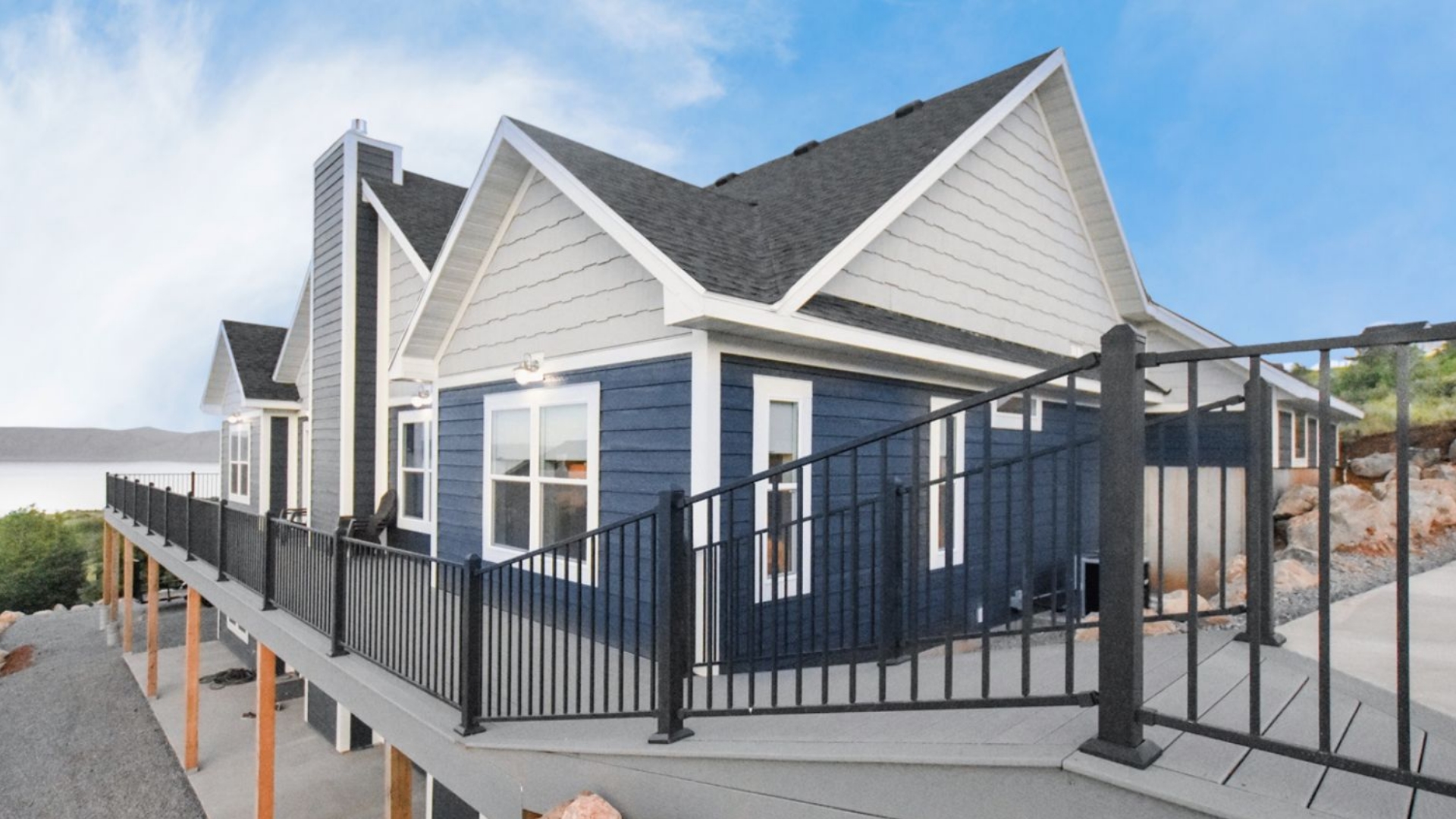
A vacation home can become the place where birthdays, holidays, and ordinary weekends turn into family traditions. Financing one, however, requires a different conversation than financing a primary residence. Lenders typically look closely at your income, existing housing costs, intended use, down payment, and ability to carry the property even when it is not occupied.
A vacation home mortgage loan finances a property used by the owner for part of the year, usually with stricter underwriting, a larger down payment, and potentially higher interest than a primary-home mortgage. A deeded fractional share can offer another ownership path by spreading the purchase and ongoing costs among multiple titled owners.
The right starting point is understanding what lenders mean by a vacation home, how that classification affects the loan, and where personal use fits into the approval process. From there, you can compare traditional financing with a co-ownership structure designed around meaningful time in a professionally managed home.
What Is a Vacation Home Mortgage Loan? A vacation home mortgage loan is financing used to purchase a second home that you plan to occupy for part of the year. Unlike a primary residence, the property is usually a place for personal retreats, holidays, and family time rather than your everyday address. Lenders typically view a second home as a higher-risk loan. So they may require a larger down payment and charge a higher interest rate than they would for a primary-home mortgage. Bankrate explains these differences in its overview of vacation-home financing.
Learn how co-ownership works
For a family considering a mountain retreat, beach house, or gathering place near relatives, the loan is only one part of the ownership decision. You also need to understand how the home will be used, who will maintain it. And whether the monthly payment fits comfortably alongside your primary mortgage and other obligations.
Fixed-rate mortgages A fixed-rate mortgage keeps the interest rate and principal-and-interest payment consistent for the life of the loan. That predictability can make long-term planning easier, especially when you are budgeting for recurring family trips and other ownership costs. Your total housing expense may still change if property taxes, insurance, or association fees change, but the loan's scheduled principal-and-interest payment remains stable.
Adjustable-rate mortgages An adjustable-rate mortgage, or ARM, typically starts with a fixed rate for an initial period and then adjusts according to the loan terms and a market index. It may offer a lower starting payment, but future payments can rise when the rate resets. Ask the lender about the adjustment schedule, rate caps, index, margin, and worst-case payment before choosing this structure.
Mortgage classification also depends on how the property is used. A second home generally must be occupied by the owner for part of the year and not rented for most of the year. That distinction matters because a property intended primarily as a rental may require different underwriting and loan terms. The classification and tax treatment of vacation homes can also vary with personal use and rental activity, so confirm the details with your lender and tax professional.
How Does a Vacation Home Mortgage Loan Differ From a Primary Home Loan? The biggest difference is how the lender evaluates risk. A primary residence is usually the home a borrower depends on every day. A vacation property is discretionary, so a lender may assume that the borrower would prioritize the primary mortgage if finances became strained. That risk assessment can lead to less favorable terms for a vacation home mortgage loan.
For example, lenders typically ask for a larger down payment on a vacation home than on a primary residence. Bankrate reports that a second-home buyer may need at least 10% down. While an investment property may require at least 20%, depending on the property and the borrower's financial profile. A larger down payment gives the lender more equity protection and may also reduce the loan amount and monthly payment. Review current vacation-home lending considerations before assuming that one percentage applies to every borrower.
Why can the interest rate and approval standard be higher? Interest rates may also be higher because second-home mortgages are viewed as riskier than primary-home loans. In a financial setback, owners are generally more likely to default on a second home than on the residence where they live. The property's location, insurance costs, and exposure to extreme weather can further influence the lender's pricing and requirements.
Qualification is not based only on the proposed property's payment. Underwriters verify that documented income can support both the existing primary-home obligations and the new vacation-home payment. They also review the borrower's total debt-to-income ratio, which includes all monthly debt payments. As a result, a household that qualifies comfortably for a primary residence loan may need stronger income. Lower existing debt, or additional reserves to qualify for a second property.
What remains similar? The basic loan choices can look familiar. Depending on the lender and the borrower's goals, a vacation home mortgage loan may use either a fixed-rate or adjustable-rate structure. The difference is not that every vacation-home loan uses a special format. It is that the lender applies a more conservative view of affordability, occupancy, and repayment risk. Comparing the full cost, rate structure, down payment, and reserve requirements helps families decide whether borrowing for a whole vacation home fits their plans.
What Are the Requirements for a Vacation Home Mortgage Loan? Qualifying for a vacation home mortgage loan usually requires a stronger financial profile than buying a primary residence. Lenders are assessing not only whether you can afford the new payment. But also whether your finances can support two homes if income changes or the property sits unused for part of the year.
Exact standards vary by lender, property, and loan program. These are the requirements buyers commonly need to prepare for:
Down payment: Plan for at least 10% in many second-home scenarios, with 20% or more often preferred. A larger down payment can strengthen the application and may help you avoid private mortgage insurance (PMI), depending on the lender and loan structure. Vacation-home loans may require more cash upfront than primary-residence mortgages. Bankrate outlines common second-home down-payment expectations .Credit score: Second-home lenders often look for a higher credit score because they view the property as a greater risk than your primary residence. A score around 680 or higher is commonly recommended for favorable terms, although approval and pricing depend on the full application, not one number.Debt-to-income ratio: Your DTI ratio includes the proposed vacation-home payment alongside your primary mortgage, car loans, student loans, credit-card minimums, and other recurring debts. Many lenders cap DTI near 45% or lower. Reducing monthly obligations or increasing documented income may improve your borrowing capacity.Documented ability to repay: Federal ability-to-repay rules require lenders to assess whether a borrower can reasonably make the payments before issuing a mortgage secured by a dwelling, including a vacation home. Expect to provide income, employment, asset, debt, and tax documentation. Federal Reserve guidance explains the ability-to-repay standard .Qualifying property: For standard second-home financing, the property generally must be suitable for year-round occupancy, even if your family plans to use it seasonally. The lender may also review its condition, location, insurance availability, and intended use. A home designed primarily as a rental or one that cannot reasonably be occupied year-round may require a different loan category. NCUA guidance describes the year-round-occupancy expectation .Personal-use intent: Lenders distinguish a family retreat from an investment property. A second home is generally occupied by the owner for part of the year and not rented for most of the year. Be prepared to explain how you will use the property and to review any rental restrictions before applying.Before comparing the best second home mortgage rates , gather your income records, current debt obligations, available cash, and an honest estimate of the home's ongoing costs. That preparation gives lenders a clearer picture of affordability and helps your family compare a full-home purchase with other ownership structures.
Can You Use a Vacation Home Mortgage Loan for a Rental Property? Sometimes, but the answer depends on how the property will be used and how the lender classifies it. A home you occupy during part of the year and do not rent out for most of the year may qualify as a second home. A property purchased primarily to generate rental income is more likely to be treated as an investment property. That distinction can affect the loan terms, underwriting requirements, and documentation you need. Tax rules for vacation homes should also be reviewed with a qualified tax professional.
How occasional rentals affect second-home status Occasional rentals do not automatically prevent a home from being financed as a second home. The practical test is whether you genuinely use the property personally for part of the year and whether it is not rented for the majority of the year. Lenders may ask about your intended occupancy, rental plans, property location, and access to the home. You should describe the arrangement accurately rather than assuming that a second-home application can support an investment-property business plan.
Personal-use vacation homes are generally easier to finance than properties intended mainly for rental investment. Investment-property loans can involve different down-payment expectations, reserve requirements, interest rates, and income documentation. The lender may also evaluate projected rent differently from ordinary household income. These details vary by lender, so ask for the classification and underwriting assumptions in writing before choosing a loan.
What happens when you rent the home? Rental activity can create tax-reporting obligations even when it is limited. Under the commonly cited 14-day rule, renting the vacation home for more than 14 days during the year generally means you must report the rental income. With potential deductions governed by the applicable tax rules. The exact treatment can depend on personal-use days, expenses, and other facts, so keep accurate records and consult a tax adviser. See the IRS guidance on renting residential and vacation property for current federal information.
Fraxioned takes a different approach from a rental-yield product. In the Collective model, owners may rent unused nights, but rental income is intended to help offset operating costs, not serve as passive income. If your priority is a personal family retreat with occasional cost-sharing, explain that purpose to the lender and compare it with the requirements for an investment-property loan. The right financing structure should reflect how you actually plan to use the home.
How Do You Finance a Deeded Fractional Share? Financing a deeded fractional share starts with understanding what you are purchasing: an ownership interest in real estate, not simply scheduled access to a property. Multiple owners share title to the home and contribute to its purchase and ongoing costs. That structure can make a luxury family gathering place more accessible than buying the entire property alone, while still giving each owner a genuine equity position.
Start with the ownership structure Review the deed, co-ownership agreement, usage rights, expenses, and transfer rules before comparing loan products. Deeded fractional ownership generally grants an undivided interest in the real estate, which is legally different from a temporary right-to-use contract. The legal framework should clearly explain how title is held, how decisions are made, and what happens if an owner wants to sell. Because the exact protections depend on the documents, have an attorney and tax professional review them before committing. Cornell's overview of fractional ownership describes the importance of distinguishing shared title from other usage arrangements.
Calculate the smaller purchase amount and full carrying cost A fractional share reduces the amount one family must finance because the purchase price is divided among co-owners. Research on shared-equity arrangements recognizes this as a collaborative path to ownership, rather than conventional financing for one buyer carrying the entire property cost. Fraxioned shares are commonly structured as 1/8, 1/10, or 1/13 interests. Build the budget around more than principal and interest: annual dues typically range from $3,000 to $8,000 per share and cover expenses such as maintenance. Utilities, HOA costs, taxes, and professional management. Keep a reserve for personal travel and other household obligations as well.
Compare cash, HELOC, and available financing options Families may use cash, a HELOC strategy, or limited in-house financing, depending on the share, their liquidity, and the program terms. A conventional vacation home mortgage loan may not fit every fractional structure. So ask exactly what collateral secures the financing, whether the arrangement is debt or shared equity, and how payments affect title. Non-debt shared-equity structures can offer a different route from standard mortgage products, but they still require careful review of fees, transfer rights, and default provisions. Explore financing your co-ownership vacation home before choosing an approach.
Understand appreciation and resale before you sign Deeded ownership can allow an owner to participate in appreciation according to the share owned, although the outcome depends on the property's performance and the governing documents. Owners generally can resell a fractional interest subject to the co-ownership agreement, including any notice, pricing, or transfer requirements. Ask how a resale is handled, what costs apply, and how the home is maintained between visits. The goal is a transparent plan for enjoying a well-managed family home now while preserving flexibility later, not a promise of investment returns.
With the structure, total cost, financing source, and exit rules in view. Families can evaluate whether a deeded share supports the way they actually want to spend time together.
Fractional Co-Ownership vs. Financing a Whole Vacation Home Choosing between a whole vacation home and a deeded fractional share is not only a question of lifestyle. It also changes the amount of capital you commit, the financing path you may use, and the costs you carry between family visits. A traditional vacation home mortgage loan can make sole ownership possible, but lenders generally view second homes as higher-risk than primary residences. That can mean stricter underwriting, a larger down payment, and potentially higher rates.
Fractional co-ownership approaches the same goal by dividing the real estate interest, purchase cost, and ongoing upkeep among several owners. The comparison below highlights the practical differences.
Whole vacation home financing compared with deeded fractional co-ownership Consideration Whole vacation home Deeded fractional co-ownership What you own The entire property and all associated responsibilities. An undivided, deeded equity interest in the property, with defined usage rights. Purchase price / share size You fund the full purchase price. You purchase a defined share, commonly 1/8, 1/10, or 1/13, reducing the individual capital commitment. Financing path A second-home mortgage, subject to lender rules, documented income, and property eligibility. Share-specific options may include cash, a HELOC, or limited in-house financing, depending on the offering and buyer profile. Down payment Lenders frequently expect at least 10% to 20%, depending on the property and borrower profile. Bankrate outlines common second-home down-payment expectations . Calculated against the smaller share purchase rather than the full home price, with terms determined by the selected financing arrangement. Monthly costs Mortgage, insurance, taxes, utilities, maintenance, and management are yours to coordinate and pay. Annual dues of approximately $3,000 to $8,000 per share can cover maintenance, utilities, HOA costs, taxes, and professional management. Confirm current property-specific figures before purchasing. Flexibility You control the calendar, but you also carry the home even when it is unused. Usage is scheduled among co-owners, while professional management handles day-to-day care. Resale You may sell the complete property, subject to market conditions and transaction costs. You may generally resell the deeded share, subject to the co-ownership agreement and its transfer rules.
Neither structure is automatically better. Whole ownership offers maximum control. While fractional ownership can make a professionally managed family gathering place more accessible without requiring one household to finance and maintain the entire property. Fraxioned ownership is deeded equity, not a temporary right to use a home, and the legal documents should be reviewed carefully before signing.
Explore financing your co-ownership vacation home
What Should Families Budget for Beyond the Mortgage Payment? A vacation home mortgage loan is only one part of the ownership budget. Families should estimate the full annual cost of keeping the home comfortable, insured, compliant, and ready for the next visit. Looking beyond principal and interest makes it easier to compare a whole-home purchase with a professionally managed shared-ownership model.
Property taxes and insurance: Property taxes vary by location, while homeowners insurance can be materially more expensive in markets exposed to hurricanes, wildfires, flooding, or other extreme weather. Location and environmental risk can affect both insurance costs and the mortgage terms a lender offers. Bankrate explains how these risks can influence vacation-home financing .Maintenance and replacements: Plan for routine servicing, cleaning, landscaping, repairs, and larger items such as appliances, HVAC equipment, or furnishings. A home that sits vacant still needs regular oversight, and deferred maintenance can become more expensive than scheduled upkeep.HOA and operating charges: Community dues, utilities, internet, furnishings, and local services may sit outside the mortgage payment. Ask for a complete fee schedule before making an offer, including whether special assessments are possible.Management: Professional management adds a cost, but it can protect owner time and help preserve the property's condition. Consistent management is also associated with stronger long-term resale value and owner satisfaction, according to the Texas Real Estate Research Center. Review the management considerations before choosing a structure.How do shared-ownership fees change the calculation? With deeded fractional ownership, many recurring expenses are bundled into annual dues rather than paid independently by one family. Fraxioned's knowledge materials place typical annual dues at approximately $3,000 to $8,000 per share, depending on the property and program. These dues may cover maintenance, utilities, HOA costs, property taxes, and professional management. Confirm the exact amount, inclusions, reserve policies, and assessment rules for the specific home. Understanding the benefits of shared ownership also means understanding its trade-offs: you share costs and responsibilities, but you have less unilateral control over timing, improvements, and spending decisions.
What tax rules should owners review? Mortgage interest on a second home may be deductible when the property qualifies as a qualified residence, but federal limits and individual circumstances matter. Rental use can change the analysis. If a vacation home is rented for more than 14 days during the year, the owner generally must report rental income and follow different rules for allocating expenses. Tax treatment depends on the ownership and use pattern, so families should consult a qualified tax professional before relying on a deduction or rental strategy. Rentals should not be treated as guaranteed income; for many family-focused ownership models, they are intended only to help offset operating costs.
Explore how financing works for a shared-ownership vacation home
Frequently Asked Questions Can I use a vacation home mortgage loan for a short-term rental? Possibly, but the lender will distinguish a personally used second home from an investment property. A second home generally must be occupied by the owner for part of the year and not rented for most of the year. If you expect rental income to be central to the purchase, ask the lender about investment-property underwriting before applying. Rental activity can also change your tax reporting obligations.
What is the minimum down payment for a vacation home loan? Many lenders look for at least 10% down on a second home, while investment properties may require at least 20%, according to Bankrate . The final amount depends on your credit, income, reserves, property type, and lender guidelines. Budget for closing costs and ownership expenses separately.
Does my debt-to-income ratio affect eligibility? Yes. Lenders review your total debt-to-income ratio, including the existing primary mortgage, the proposed vacation-home payment, and other monthly debts. Strong income, cash reserves, and manageable obligations can make the application more resilient. Especially because a second home is generally viewed as a higher-risk loan than a primary residence.
Do I need special credit requirements for a vacation home mortgage? Usually, you should expect stricter credit and reserve requirements than with a primary-residence mortgage. Lenders may seek a higher credit score and evidence that you can carry both homes through unexpected expenses or periods of reduced income. Ask each lender for its current minimums rather than relying on a general benchmark.
Can I finance a deeded fractional share? It depends on the ownership structure and financing provider. In a deeded fractional arrangement, each owner holds an interest in the real estate, rather than only a temporary right to use it. That shared title can make the purchase more accessible because the buyers share the acquisition and maintenance costs. But the lender must approve the legal documents, resale terms, and payment structure.
Ready to Explore Financing for Your Family's Vacation Home? Understanding the loan process can help you evaluate a vacation home mortgage loan with greater confidence and see how ownership may fit your family's plans. Fraxioned offers a clear place to review financing information for a deeded co-ownership vacation home, so you can take the next step at your own pace.
EXPLORE FINANCING