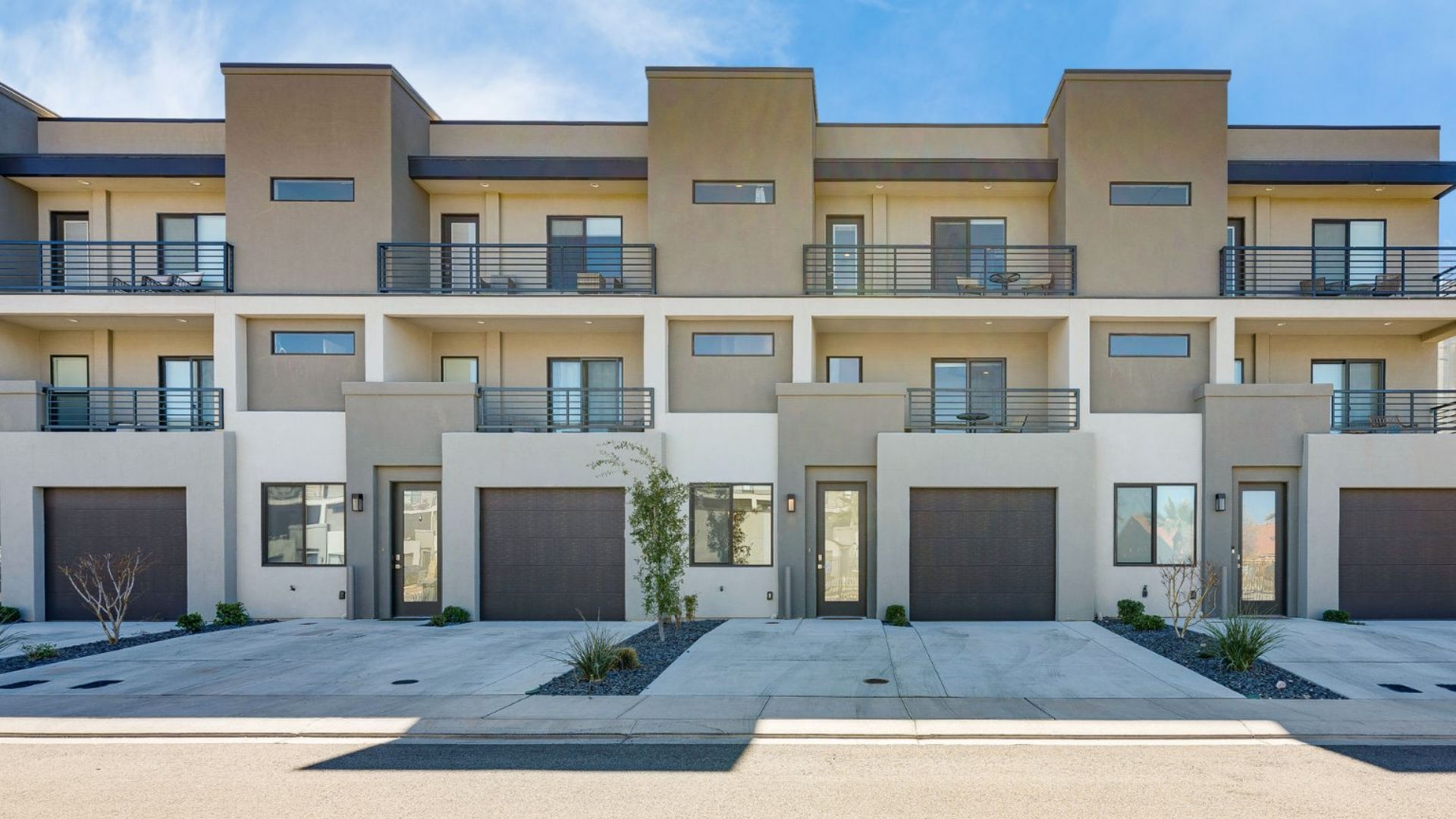
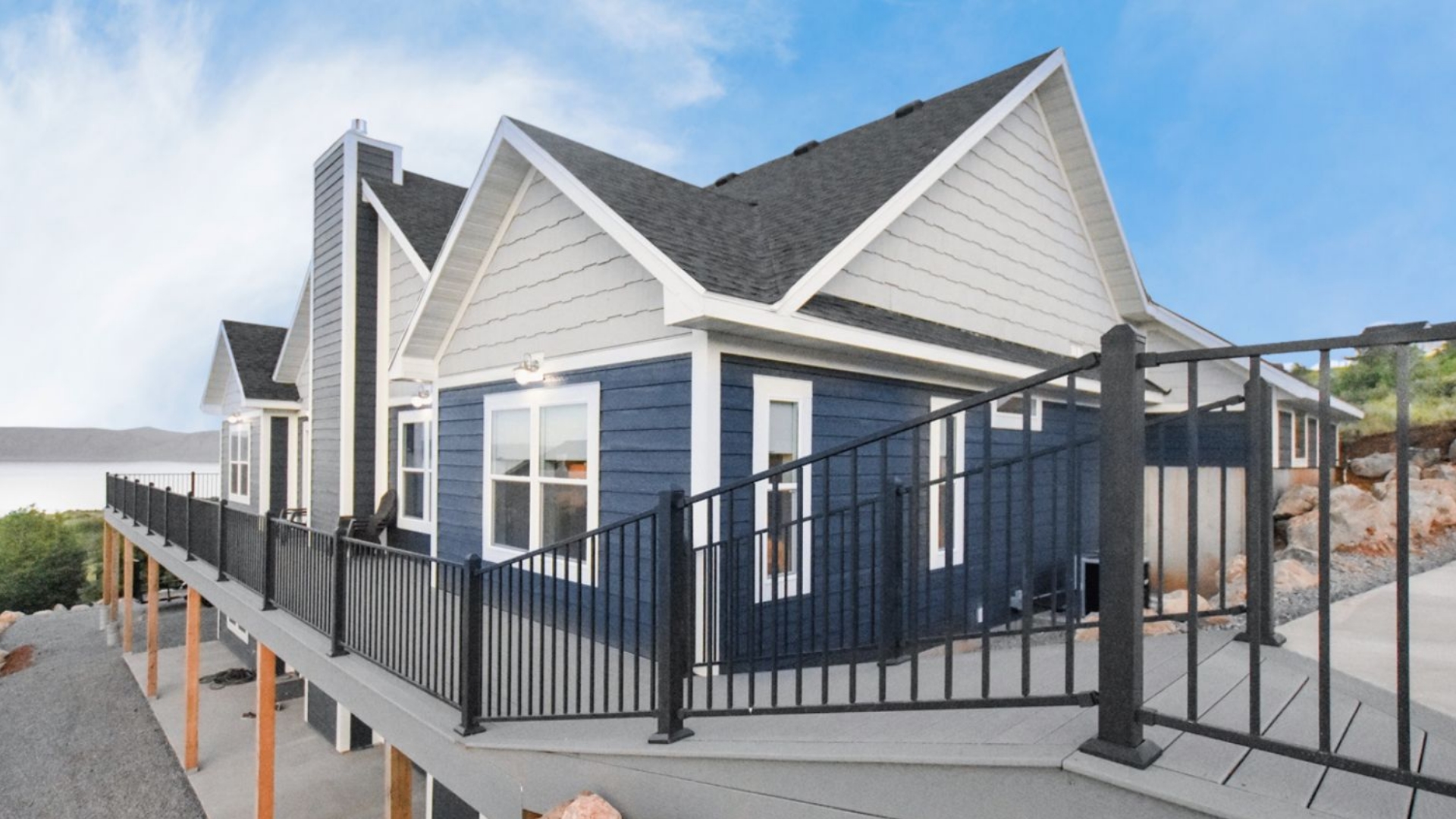
Buying a vacation home starts with a practical question: how will you use it when you are not there? A beach house, mountain retreat, or lake property can serve very different goals, from regular family gatherings to occasional personal escapes. The right search becomes clearer when you define the location, access, upkeep, and flexibility your household actually needs.
Explore how Fraxioned co-ownership can make a family vacation home easier to own.
When comparing vacation homes for sale, look beyond the asking price. Consider whether the destination fits your long-term plans, how the property will be maintained. What local rules allow, and whether full ownership or deeded fractional co-ownership better matches your budget and expected use.
Some buyers want a private second home they can shape themselves. Others prefer a professionally managed, fully furnished property with shared costs and scheduled access. Understanding the types of homes available is the first step toward comparing those choices on equal terms.
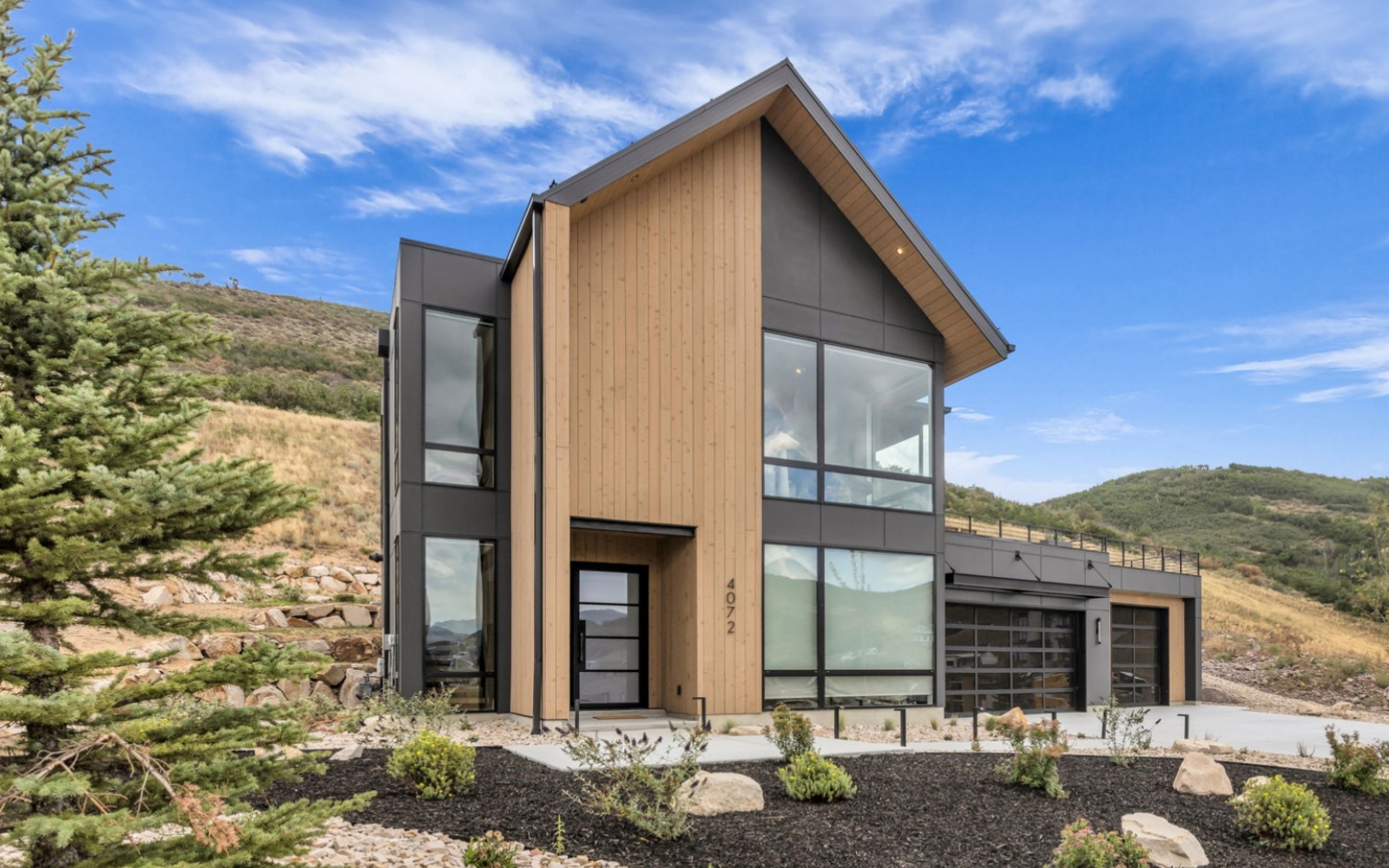
What Kinds of Vacation Homes Are For Sale? When comparing vacation homes for sale , start with the setting that supports how your family actually wants to spend time together. The right choice is less about checking a destination box and more about matching the home, travel pattern, and surrounding community to your long-term use.
Common categories include:
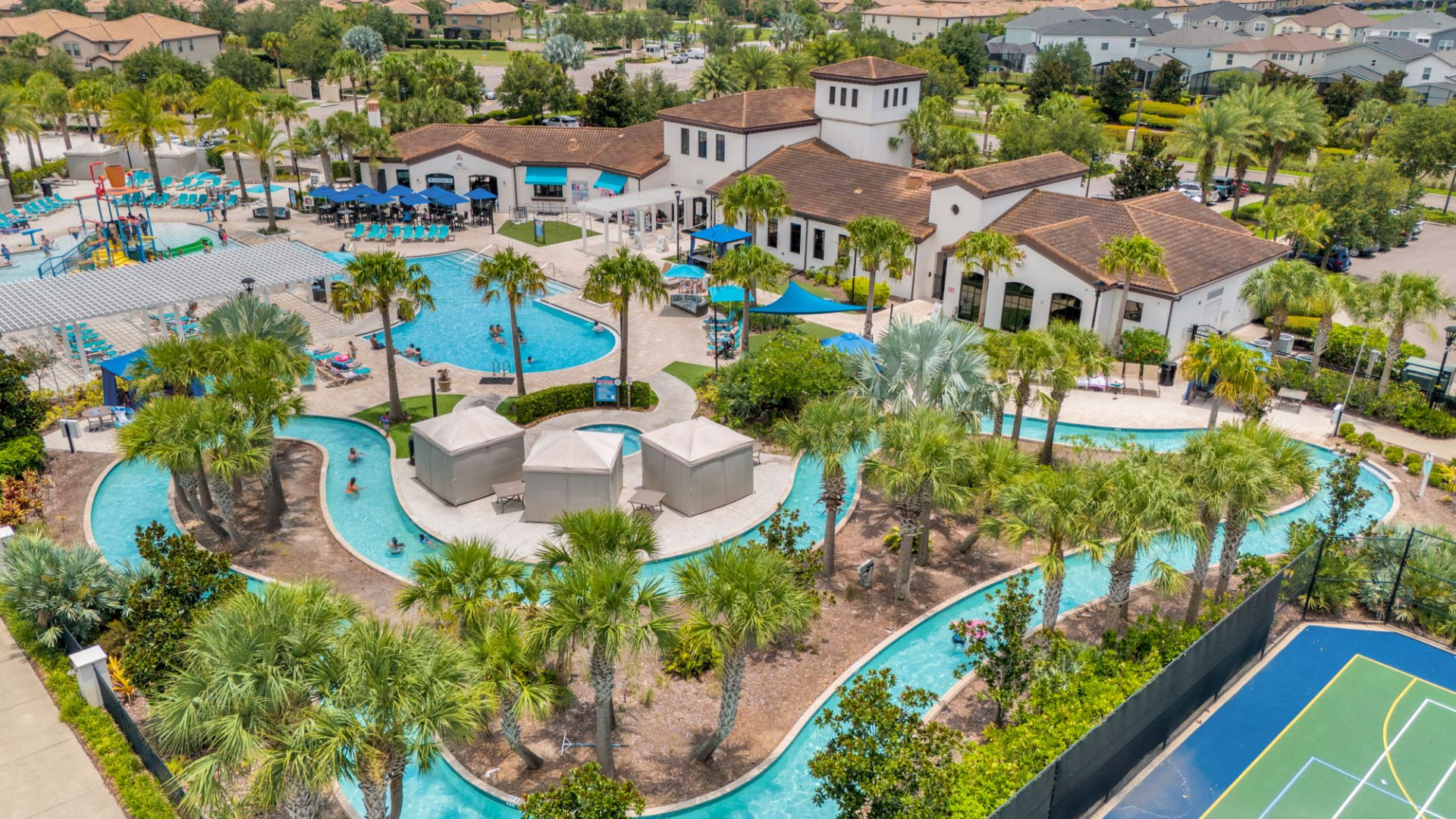
Waterfront and beach homes: These offer direct access to beaches, bays, or ocean activities. Look closely at weather exposure, insurance requirements, and how comfortable the area feels outside the main season.Lake homes: A lake setting can work well for boating, swimming, fishing, and slower family weekends. Consider shoreline access, water-level changes, road conditions, and the distance to everyday services.Mountain homes: Mountain properties appeal to families who want hiking, skiing, scenic views, or a cooler retreat. Travel time, winter access, and the availability of maintenance professionals matter as much as the view.Coastal homes: Coastal communities may combine beaches with restaurants, cultural attractions, and established services. Compare flood exposure, storm resilience, and the destination's appeal during quieter months.Destination communities: Planned communities and resort areas may provide amenities, recreation, and organized services. Review any community rules, fees, and limits on owner use before committing.Location is often the most important factor affecting a vacation home's value, especially when the property is close to water, mountains, or recreational attractions. That does not mean the most popular location is automatically the best fit. It means the location should support the experiences your household expects to repeat. Zillow's overview of vacation-home value factors also underscores why buyers should evaluate the setting, not only the house itself.
Use your intended schedule as a filter. A home for frequent multi-generational gatherings may need accessible bedrooms, shared living space, and an easy drive from relatives. A future retirement property may call for healthcare, services, and year-round community life. Vacation homes are also evaluated by rental potential, maintenance demands, and proximity to leisure, so be clear about which factors matter most to your household before browsing listings.
Finally, visit a promising area during both peak and off-peak seasons. This reveals changes in traffic, noise, weather, service availability, and the overall rhythm of the community. A New York Times buying guide recommends seeing both sides of the calendar before making a decision.
How Do You Compare Vacation Homes Before You Buy? The best comparison considers how a vacation home will serve your family, what ownership requires year-round, and which local rules may limit use or rentals.
A beautiful view is only the starting point. Compare each property against the experience you want to create, whether that means easy beach weekends, quiet lake gatherings, or a mountain base for several generations. Then test the practical details that determine whether the home remains comfortable and manageable after closing.
Key factors when comparing vacation-home locations Location type Cost considerations Availability and maintenance Rental rules to check Waterfront Insurance and upkeep may reflect exposure to storms, flooding, salt, or moisture. Plan for seasonal weather, exterior wear, and reliable access during peak periods. Confirm local permits, occupancy limits, and any community restrictions before assuming rentals are allowed. Lake Review shoreline, dock, road, and community fees alongside the purchase price. Ask about seasonal access, water-related maintenance, and service availability. Check county zoning, HOA rules, and whether rental activity changes required permits or fees. Mountain Budget for steep-site access, weather-related repairs, utilities, and possible road costs. Winterization, snow access, heating systems, and emergency response deserve close attention. Verify zoning and rental limits, particularly in communities with occupancy or parking rules. Resort community HOA fees may cover amenities such as pools, fitness centers, or gated security, but assess the association's financial stability too. Shared amenities can simplify use, while HOA rules may shape renovations, guests, and upkeep. Read governing documents for minimum stays, rental caps, registration requirements, and owner-use limitations.
Check the rules before you fall in love with the view Before making an offer, analyze local zoning laws, HOA restrictions, and property-management requirements. A destination may look ideal for occasional family use yet prohibit short-term rentals or impose rules that make your intended schedule impractical. Request the HOA budget, reserve information, meeting minutes, insurance details, and governing documents. Fees are easier to evaluate when you understand what they cover and whether the association is financially prepared for major repairs.
Confirm turnkey readiness and remote access Ask whether the property is truly turnkey: fully furnished, equipped, and ready for immediate use. For remote homes, verify utilities, internet connectivity, road access, trash service, local contractors, and proximity to emergency services. These details affect both spontaneous family stays and the cost of managing the home from a distance.
Use the due-diligence period carefully During due diligence, arrange a thorough inspection of structural components and verify the home's condition before closing. Review inspection findings with local professionals who understand the destination's climate. This step can reveal costs and constraints that photographs, listing descriptions, and a brief vacation visit will not show.
What Does It Really Cost to Own a Vacation Home? The purchase price is only the starting point. The full cost of owning a vacation home includes the mortgage, property taxes, insurance, utilities. Routine upkeep, and the costs of keeping the property secure and usable when you are away. Building a realistic annual budget before making an offer helps you evaluate the home as a place for family time, not just as a listing price.
Look beyond the mortgage payment Most lenders classify a vacation property as a second home rather than a primary residence. That classification can bring different qualification requirements and potentially higher interest rates, so ask your lender how the property will be underwritten before comparing monthly payments. Also account for the down payment, closing costs, furnishings, repairs, landscaping, cleaning, and travel to the property.
Insurance deserves particular attention. Coverage for a vacation property can cost more than coverage for a primary home, especially in coastal areas exposed to hurricanes or in flood-prone locations. Confirm what the policy covers, whether flood or wind coverage is separate, and how deductibles would affect your budget. Review the factors that can affect vacation-home insurance before you rely on a quoted premium.
Account for taxes and ownership obligations Property taxes may differ from what you pay on your primary residence. In some states, homestead exemptions do not apply to second homes, which can make the annual tax bill higher than expected. HOA dues may add another recurring expense, particularly in communities with pools, fitness facilities, gated security, or other shared amenities. Review the HOA budget and reserve planning, not just the current dues.
Utilities and upkeep can also be less predictable when a home sits vacant between visits. A local manager may charge for inspections, winterization, groundskeeping, emergency response, or repairs. If you plan to rent unused time, remember that rental revenue may offset some operating costs, but it can also increase wear and maintenance needs. Do not treat projected rental income as guaranteed.
Understand the tax picture before you buy Tax treatment depends on how you use the property, where it is located, and whether you rent it. A tax professional can help you understand rental-income reporting, eligible write-offs, depreciation rules, and the difference between personal and rental use. Professional advice is especially important when comparing sole ownership with an affordable luxury second home through a shared-ownership structure. The right comparison is the complete cost of ownership for the way your family will actually use the home.
Should You Buy a Vacation Home or Rent One? The right choice depends less on what looks attractive in a listing and more on how your family will use the property. Use this framework to weigh the control and equity of ownership against the flexibility of renting, without assuming rental revenue will cover the cost.
Start with your family's actual rhythm Buy when you want a dependable gathering place for recurring holidays, school breaks, or multi-generational time together, and you are prepared to carry the home through quiet periods. Rent when your destination, dates, or group size changes often. Seasonality can affect both maintenance needs and rental demand, so review the property's busy and slow seasons before making a decision. Destination seasonality can shape a vacation home's maintenance and rental potential .
Confirm what ownership really lets you do Do not assume you can rent out unused nights. Some destinations have strict short-term rental bans, while local zoning, HOA rules, permits, and insurance requirements may impose additional limits. A vacation rental is commonly defined by jurisdiction-specific law. For example, North Carolina describes it as residential property rented for leisure or recreation for fewer than 90 days by someone whose permanent residence is elsewhere. Check the rules for the exact property and municipality before treating rental access as part of your plan. Second-home buying guidance from NerdWallet reviews the ownership and rental rules to understand before you close.
Review existing bookings before you sign If the home has been operated as a vacation rental, request every existing agreement and the dates covered. In North Carolina, sellers must disclose existing vacation rental agreements before entering a sales contract. And a buyer may have to honor agreements ending within 180 days after the transfer is recorded. The exact rule varies by location, but the principle is universal: understand whether current guests, managers, or contracts affect your first months of ownership. North Carolina's real estate commission explains vacation-rental disclosure and transfer requirements .
Price the lifestyle, including the wear Renting keeps repairs, furnishing decisions, and many ownership obligations outside your household. Owning gives your family more control, but rentals can increase wear and tear and lead to more frequent updates and repairs. Rental income may offset some operating costs, but it should not be treated as guaranteed income or the deciding reason to buy. If your priority is a family home rather than a rental operation. Compare the emotional value of having your own place with the time and expense required to maintain it.
How Do You Manage a Vacation Home You Own? Owning a vacation home means managing a property even when you are hundreds of miles away. Between visits, someone must coordinate cleaning, inspect for leaks or storm damage, handle repairs, maintain the grounds, and prepare the home for changing weather. If guests use the property, the workload also includes responding to questions, arranging access, and resolving problems quickly.
The work continues when no one is staying there Seasonal maintenance can be easy to underestimate. A home in a cold-weather destination may need winterization, while a coastal or humid property may require regular checks for moisture, storm damage, and security issues. Professional managers can oversee winterization, security checks, and groundskeeping while the owner is away, according to Bankrate . Those services are especially valuable when local contractors, emergency services, or routine vendors are difficult to reach from home.
What a property manager can handle A management company can take responsibility for the operational details of a vacation home. That typically includes handling cleaning schedules, guest communications, routine repairs, and preventative care so an owner does not have to coordinate each task from a distance.
Scheduling professional cleaning and restocking essentials between stays. Coordinating minor repairs, inspections, landscaping, and preventative maintenance. Managing guest questions, arrival instructions, check-in, and check-out. Monitoring the home and responding to urgent issues when the owner is not present. Some professional management services provide automated check-in and check-out, professional cleaning, and 24/7 guest support, as described by Vacasa . That convenience comes at a cost, so compare management fees, included services, response times, and repair-markup policies before choosing a provider. Also confirm who approves larger expenses and how often the home is inspected.
For buyers comparing vacation homes for sale , the practical question is not only whether the property fits their family. It is whether they want to own and coordinate this ongoing system themselves. Pay a manager to operate it, or consider an ownership structure where maintenance responsibilities and costs are shared.
Co-Ownership: Own a Vacation Home Without the Full Burden For families who want a reliable gathering place without carrying every cost and responsibility alone, fractional co-ownership offers a different path. Instead of buying an entire property, owners hold a deeded equity share in a fully furnished, professionally managed luxury vacation home. Fraxioned shares are typically structured in 1/8 to 1/13 interests, creating a more accessible way to own a home sized for family time.
Each owner receives usage rights through a scheduling system that lets them reserve time based on their needs and availability. That structure matters for families who want to plan birthdays, holidays, and extended visits without coordinating around a short-term rental market. The goal is simple: Your Favorite Place With Your Favorite People , with a clear process for sharing the home.
What you own is different from a timeshare Co-ownership should not be confused with a timeshare. A timeshare generally provides a right to use a property for designated periods, while fractional co-ownership is built around deeded real estate equity. Depending on the governing documents and market conditions, an owner may have a share that can be resold and may participate in the property's appreciation. Those outcomes are not guaranteed, so buyers should review the ownership documents, costs, resale process, and usage rules carefully.
Shared ownership may be organized through a co-ownership trust or an LLC, providing a legal framework for managing the property and defining each owner's rights. Review the details of the Fraxioned co-ownership model before deciding whether the structure matches your family's plans.
How shared costs reduce the maintenance load Sole ownership means one household absorbs the mortgage, utilities, upkeep, repairs, furnishing, and management decisions, even when the home sits unused. In a fractional model, common costs are shared among owners, while professional management handles the practical work. That can remove much of the maintenance burden without turning ownership into a passive-income product.
Fraxioned's Collective model may allow owners to rent unused nights to help offset operating costs. It is not presented as rental yield or guaranteed income. The Exclusive model is reserved for owner use and does not include rentals. To compare the structure with other options, explore shared ownership of a vacation home and consider whether scheduled access, shared expenses, and professional care fit the way your family actually travels.
See whether a fractional co-ownership share fits your family's vacation-home goals.
Frequently Asked Questions What kind of vacation home should you buy? Choose a property that fits how you expect to use it, including the location, size, access, maintenance demands, and whether it supports family gatherings or future retirement plans. Visit the area in both peak and off-peak seasons before deciding, so you can evaluate its year-round appeal and available services.
How much does it cost to own a vacation home? Budget for more than the purchase price and mortgage. Property taxes, insurance, utilities, routine upkeep, furnishings, management, and potential HOA fees can all affect the true cost. A lender may treat the property as a second home, with different qualification requirements or rates than a primary residence. Ask a tax professional to review your specific situation before buying.
What should you inspect before buying a vacation home? Use the due diligence period to evaluate the structure, roof, systems, utilities, access, furnishings, and deferred maintenance. Also review zoning rules, HOA restrictions, insurance requirements, and property-management options. If the home is remote, confirm that internet service, emergency access, and local repair support meet your needs.
Can you buy a vacation home without buying the whole property? Yes. Fractional co-ownership allows multiple owners to share the cost of one professionally managed home while holding deeded equity in their shares. A governing structure and scheduling system define usage rights and responsibilities. This differs from a timeshare because the ownership interest is tied to real estate, not only to a right to use a property. See Fraxioned's co-ownership model for details.
Ready to Explore Fractional Co-Ownership? If you want a vacation home that supports meaningful time with family without taking on every responsibility alone, fractional co-ownership may be worth considering. Review the available options and see whether the ownership structure, home, and usage model fit your plans. To explore fractional co-ownership listings, contact the Fraxioned team to view available homes and discuss your next step.