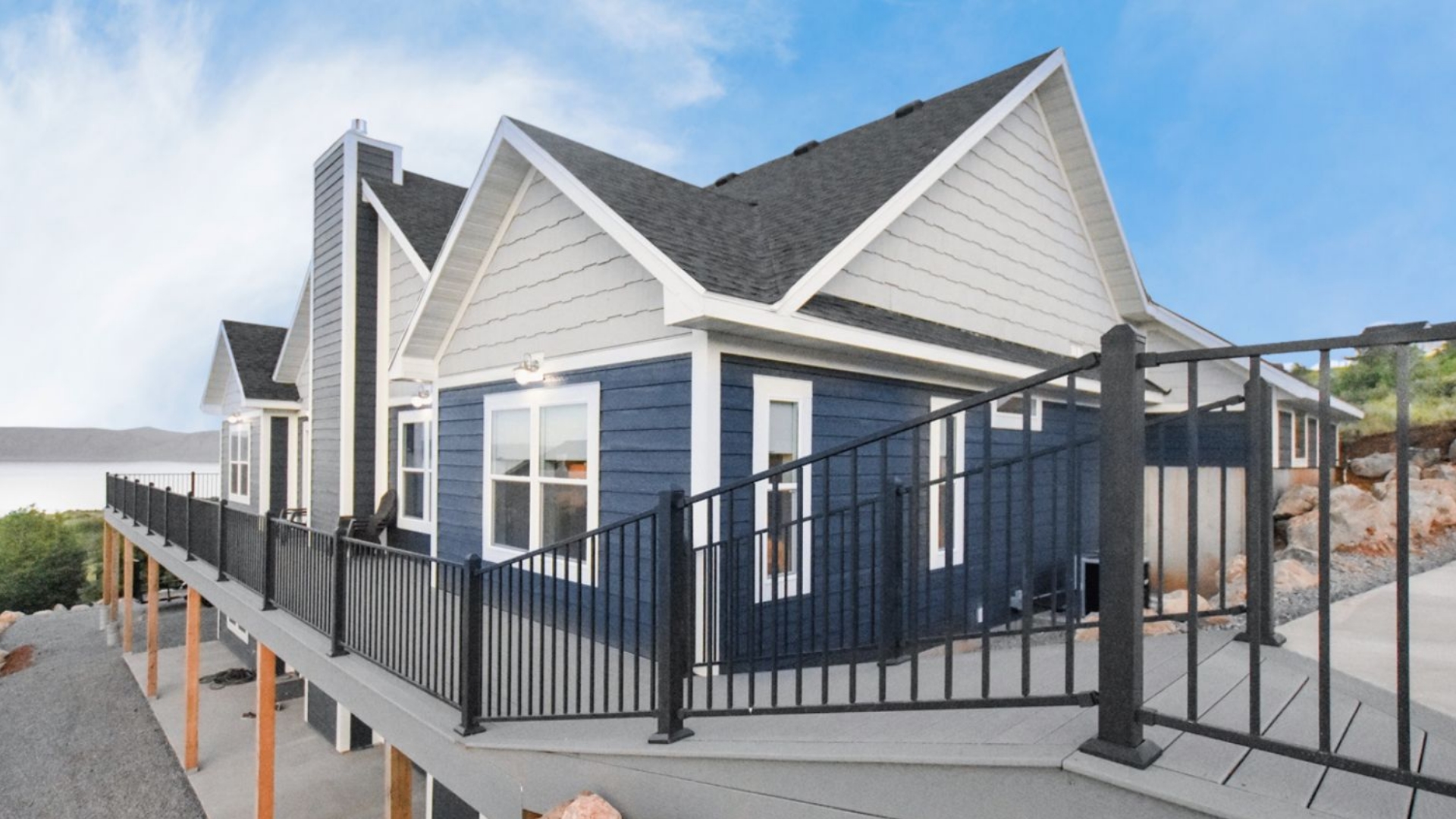
A second home is a place for making memories, but most families only use their vacation property for a few weeks each year. This reality creates a disconnect: you pay 100% of the costs for a home that sits empty over 80% of the time. It’s an inefficient model that makes many people wonder how to afford a luxury second home in a way that actually makes sense. Instead of paying for a whole home you only partially use, a better solution is to match your ownership to your lifestyle. This guide explores a modern co-ownership model that lets you buy a share of a property, so you only pay for the time you need, making the entire experience more practical and financially sound.
Key Takeaways Budget for the Full Picture : Owning a second home involves more than the mortgage, so plan for stricter financing requirements like a larger down payment and factor in recurring costs such as property taxes, insurance, and upkeep to understand the true financial commitment.Make Ownership Affordable Through Co-owning Prioritize Enjoyment with Managed Ownership : A modern co-ownership model removes typical homeowner headaches, as professional management handles all maintenance and cleaning while a fair digital scheduling system makes booking your stays simple, letting you focus on relaxing.What Does a Luxury Second Home Really Cost? Dreaming of a mountain retreat or a lakeside cabin is the easy part. Figuring out how to make it a reality is where things get a little more complex. When you start looking at luxury properties, the sticker price is just one piece of the puzzle. To get a clear picture of affordability, you need to understand all the financial requirements that come with buying a second home. Lenders view a vacation property differently than a primary residence, so the qualifications are often stricter. This means higher down payments, stricter credit score requirements, and a closer look at your overall financial health.
Thinking through these numbers isn't meant to be discouraging. Instead, it’s about preparing yourself so you can move forward with confidence. Knowing what lenders expect helps you set realistic goals and explore different paths to ownership. For many families, a modern approach like co-ownership makes more sense once they see the full financial picture of sole ownership. Before we get into the ongoing expenses, let's first break down the initial financial hurdles you’ll need to clear to get approved for a loan.
The Down Payment: How Much You'll Need When you bought your primary home, you might have been able to put down less than 10%. For a second home, the expectations are higher. Lenders typically require a down payment of 10% to 25% of the purchase price. Why the bigger number? From a lender's perspective, a second home is a higher risk. If you were to face financial hardship, you would likely prioritize payments for your primary residence over your vacation home. A larger down payment reduces their risk and shows you have a serious financial stake in the property. Understanding your financing options early on can help you plan for this significant upfront cost.
Your Credit Score and Income Your credit score is a key factor in any loan application, but it’s especially important when financing a second home. Lenders will look for a strong credit history to feel confident in your ability to manage two mortgages. While you might get approved with a score in the mid-600s if you have a large down payment, you’ll get much better interest rates with a score of 700 or higher. A great score demonstrates that you are a reliable borrower. Lenders will also verify that you have a stable and sufficient income to comfortably cover both your current living expenses and the costs of a new property without stretching your budget too thin.
What Lenders Look for in Your DTI Ratio Another important metric for lenders is your debt-to-income (DTI) ratio. This number represents the percentage of your gross monthly income that goes toward paying your monthly debts. These debts include your current mortgage, car loans, student loans, credit card payments, and, of course, the proposed mortgage for your second home. Most lenders want to see a DTI ratio of 45% or less, with some preferring it to be under 36%. This shows them that you can handle the additional financial responsibility without becoming overextended. You can find answers to more financial questions on our FAQ page .
Beyond the Sticker Price: The Hidden Costs of a Second Home When you find a vacation home that feels just right, it’s easy to get swept up in the excitement. You can already picture the family holidays and weekend getaways. But before you move forward, it’s smart to look past the listing price and understand the full financial picture. The total cost of owning a second home goes far beyond the mortgage, and being prepared for these additional expenses is key to a happy ownership experience.
Thinking about these ongoing costs isn’t meant to discourage you; it’s about making an informed choice so your vacation home remains a source of joy, not stress. When you know what to expect, you can budget with confidence and ensure the property truly fits your lifestyle. Many of these expenses, like property taxes and routine maintenance, are predictable and can be planned for annually. Others, like unexpected repairs, require a bit of a cushion in your budget. From taxes and insurance to the cost of simply getting there, these recurring expenses are a normal part of ownership. Let’s break down what those hidden costs typically include so you can plan ahead and make your dream a sustainable reality.
Taxes and Insurance First up are property taxes. Just like with your primary residence, you’ll pay annual property taxes on your second home. In some areas, the tax rate for a non-primary residence or vacation property can be higher, so it’s a good idea to check the local regulations. You’ll also need a robust homeowners insurance policy. Insurers often consider vacation homes a higher risk since they’re vacant more often, which can lead to a more expensive premium compared to your primary home’s policy. These two costs are significant and will be part of your annual budget for as long as you own the home.
Upkeep, Utilities, and HOA Dues Your second home comes with its own set of monthly bills. You’ll have recurring costs for utilities like electricity, water, gas, and internet. Then there’s the general upkeep. Think about lawn care, pool maintenance, pest control, and cleaning services, especially if you aren’t there to handle it yourself. It’s also wise to set aside funds for unexpected repairs, like a leaky roof or a broken appliance. If your home is part of a planned community, you’ll likely have Homeowners Association (HOA) dues, which cover the maintenance of shared amenities and common areas.
Getting There and Enjoying Your Stay How will you get to your home away from home? The cost of travel is an important, and often overlooked, expense. Whether you’re driving or flying, you’ll want to factor in the cost of gas, flights, and potential car rentals for every trip you plan to take. If you live far away, you might also need to hire a property manager to keep an eye on things and handle any issues that arise. While some owners rent out their homes to help offset these costs, it’s best to view that as a bonus, since rental income is never guaranteed.
How to Finance Your Luxury Second Home Figuring out how to pay for a second home can feel like the biggest hurdle, but you have more options than you might think. From traditional mortgages to more creative approaches, there’s a path that can fit your financial picture. Understanding these options is the first step toward making your vacation home dream a reality. Let’s break down the most common ways to finance a luxury property so you can find the right strategy for you and your family.
Conventional vs. Jumbo Loans When you start looking at mortgages, you’ll likely hear about conventional and jumbo loans. A conventional loan is the most common type of mortgage for a primary or second home. Lenders typically want to see a down payment of at least 10%. However, if you can put down 20% or more, you can often secure a better interest rate and avoid paying private mortgage insurance (PMI). For higher-priced luxury properties, you may need a jumbo loan, which is a mortgage that exceeds the federal conforming loan limits . Because these loans carry more risk for lenders, they usually come with stricter credit and income requirements.
Using Your Current Home's Equity One of the most powerful tools you might already have is the equity in your primary residence. If you’ve been paying down your mortgage or if your home's value has increased, you can tap into that value to help fund your second home. A popular way to do this is with a cash-out refinance , where you take out a new, larger mortgage on your current home and receive the difference in cash. You can also consider a home equity loan or a home equity line of credit (HELOC). These options allow you to borrow against your home’s value, giving you the cash you need for a down payment on your vacation property.
Exploring Alternative Financing If a conventional or jumbo loan isn’t the right fit, don’t worry. There are other paths to explore. For example, eligible military members and veterans can look into VA loans , which sometimes offer favorable terms. Other creative strategies include seller financing, where the owner of the property finances the purchase for you, or a lease-to-own agreement. You could also consider bringing on a co-borrower to share the financial responsibility. While these alternatives can open doors, they sometimes come with higher interest rates or different terms, so it’s important to weigh the pros and cons carefully before committing.
Myths About Financing a Luxury Home, Busted When you start dreaming about a second home, it’s easy to make a few assumptions about the financial side of things. The process can feel a lot like buying your primary residence, but there are some key differences that can trip you up. Let’s clear the air and bust a few common myths about financing a luxury vacation home so you can move forward with confidence.
Myth #1: "You Can Always Get a Conventional Loan" It’s easy to assume that the same loan you used for your first home will be available for your second. While you might use a conventional loan, you’ll find that some of the most common government-backed options are off the table. Programs like FHA and VA loans are typically not available for second homes because they are designed to help people buy a primary residence . This means you’ll likely be looking at a different set of financing products that are specifically geared toward vacation properties, which often come with their own unique requirements and terms.
Myth #2: "The Purchase Price Is Your Biggest Expense" If only the sticker price were the end of the story. While the purchase price is certainly the largest single number you’ll see, it’s far from your only expense. When you buy a second home , you also need to budget for a whole host of other costs. Think about property taxes, which can be higher for a second home, as well as insurance, regular maintenance, utilities, and even the cost of traveling to and from your property. These recurring expenses are a significant part of the total cost of ownership and should be carefully factored into your budget from day one.
Myth #3: "Your Financing Options Are the Same Everywhere" You might think that a loan is a loan, but lenders don't see all properties the same way. From a lender’s perspective, a second home is a bit riskier than a primary residence. Because of this, you’ll likely find that the requirements to purchase your next property are stricter. For example, you’ll probably need a credit score of 680 or higher, with the best rates reserved for those with scores over 700. Lenders will also want to see that your total debt is less than 43% of your income and that you have enough cash saved to cover several months of mortgage payments for both of your homes.
How to Budget for Your Second Home Figuring out the financial side of a second home is a huge part of the process. It’s more than just saving for a down payment; it’s about creating a realistic, long-term plan that accounts for all the expenses, both obvious and hidden. Buying a second home is a big financial step, so understanding all the costs and options is important. A solid budget will give you the confidence to move forward and ensure your vacation home remains a source of joy, not stress. It’s the practical foundation that makes all the fun family memories possible. When you have a clear financial picture, you can relax and truly enjoy your time away. This isn't about limiting your dream; it's about making it sustainable. Let's walk through how to create a budget that works for you, plan for those inevitable surprise costs, and explore smart ways to make ownership more affordable without turning it into a second job.
Create a Second Home Budget First things first, let's get all the numbers on the table. A good rule of thumb from financial experts is that your total housing costs for both your primary residence and your second home should ideally be between 28% and 36% of your gross monthly income. To see where you stand, add up your current mortgage or rent, then add the estimated monthly payment for your new vacation home. This simple calculation will give you a clear picture of what you can comfortably afford without stretching yourself too thin. From there, you can start exploring your financing options and see how they align with your overall budget.
Plan for the Unexpected The sticker price is just the beginning. When you own a second home, you also need to account for the ongoing costs that come with it. Don't forget property taxes, which can sometimes be higher for second homes, and insurance, which is also often higher for a property that isn't occupied year-round. You’ll also have utilities, regular maintenance, and even travel costs to get to and from your getaway. If the property is part of a community, you'll likely have HOA fees, too. Thinking about these expenses ahead of time helps you build a comprehensive budget and prevents any unwelcome financial surprises down the road.
Offset Costs by Renting Out Your Home One of the smartest ways to make second home ownership more manageable is to rent out the property when you aren't using it. This isn't about turning your vacation home into a full-blown investment property; it's about generating some revenue to help cover your mortgage, HOA fees, and other operating costs. With a co-ownership model , this becomes even easier. For example, if an owner isn't using their allotted time, Fraxioned allows them to rent out their share. This provides a practical way to offset expenses while ensuring your beautiful home doesn't sit empty. It’s a flexible solution that makes the dream of a luxury vacation home a reality for more families.
A Smarter Way to Own: The Rise of Modern Models If the traditional path to owning a second home feels out of reach, you’re not alone. The high costs and constant upkeep can turn a dream into a source of stress. But what if there was a way to enjoy all the benefits of a luxury vacation home without the full financial weight? A new approach to ownership is making this possible.
Modern models are changing the game by allowing you to share the costs and responsibilities of a property. This isn't about timeshares; it's about true real estate ownership, just structured in a more intelligent and affordable way. By splitting the property with a small group of co-owners, you get the keys to a stunning home for a fraction of the price, turning the question from "How could I ever afford this?" to "When should we go?"
What Is Fractional Ownership? Fractional ownership is a straightforward way to own a luxury property without the luxury price tag. Instead of buying an entire home yourself, you purchase a share of it. With a company like Fraxioned, this co-ownership model means you can buy a share, typically from 1/8 to 1/13, of a premium vacation home. You get a deeded interest in the property, just like in a traditional purchase, but your financial commitment is significantly lower. This approach makes owning a beautiful second home a realistic goal, not just a distant dream. It’s a practical solution for families who want a dedicated getaway spot to create memories for years to come.
How Shares and Ownership Work The financial logic behind fractional ownership is simple: divide the costs to multiply the benefits. By splitting the home's purchase price among several co-owners, your initial investment becomes much more manageable. But it doesn't stop there. All the ongoing expenses that come with homeownership, like property taxes, insurance, maintenance, and utilities, are also shared. This division of costs dramatically reduces the financial burden on each owner. Instead of one person shouldering every bill, the responsibility is spread across the group, making the dream of a second home sustainable in the long run. This structure can also make securing financing more accessible than trying to qualify for a jumbo loan on your own.
Scheduling Your Stays with Ease One of the first questions people ask about co-owning a home is, "How do we decide who gets to use it and when?" Modern fractional ownership solves this with smart, user-friendly technology. Owners use a dedicated digital platform, like the myFRAX Portal , to schedule their stays. This system is designed to be fair and flexible, ensuring every owner gets equitable access to the property throughout the year. You can plan your vacations well in advance or book a spontaneous trip if the home is available. It removes the hassle and potential conflicts of manual scheduling, replacing it with a transparent process that puts you in control of your vacation time.
Fractional vs. Traditional Ownership When you own a second home the traditional way, you’re not just the owner; you’re also the full-time property manager. That means finding a plumber for a leak, coordinating lawn care, and dealing with any number of unexpected issues, often from a distance. Fractional ownership offers a completely different experience. A professional team handles all the maintenance, repairs, cleaning, and management. This means you can arrive at your vacation home and immediately start relaxing. The beds are made, the house is clean, and everything is in working order. It’s a truly hassle-free approach that lets you focus on what matters: enjoying your time away with family and friends. You can find more answers to common questions in this detailed FAQ .
Is Fractional Ownership the Right Fit for You? Fractional ownership is a fantastic solution for many, but it’s wise to consider if it truly aligns with your family’s vacation style and financial goals. This model is designed for those who prioritize creating lasting memories in a beautiful, familiar place without the immense responsibilities of sole ownership. It’s about maximizing enjoyment and minimizing stress. If you dream of a luxury getaway spot but the thought of year-round maintenance and steep costs feels overwhelming, co-ownership might be the perfect path for you. Let's walk through what this looks like in practice.
Is This Model a Good Fit for Your Family? If your family loves the idea of a dedicated vacation home but can't justify the price of buying one outright, this model is worth a serious look. Fraxioned’s approach to co-ownership allows you to purchase a share of a luxury property, typically between 1/8 and 1/13. This significantly lowers the financial barrier, making dream homes accessible. This is ideal for families who plan to use a vacation home for several weeks a year and want a consistent, high-quality experience. It’s less about owning a property and more about owning the time to make memories there.
What to Expect When You Co-Own When you co-own a home, you share the purchase price and the operating costs with a small group of other owners. The best part? You don't have to worry about the upkeep. All maintenance, repairs, and cleaning are handled professionally by Fraxioned, so you can arrive and immediately start relaxing. Scheduling your stays is simple and fair. Owners use a transparent digital platform, the myFRAX Portal , to book their time at the property. This system ensures everyone gets to enjoy the home throughout the year, removing the hassle of coordinating with other owners yourself.
A Quick Look at Tax Considerations While you should always consult a tax professional for personal advice, it’s helpful to know how co-ownership can work financially. One of the practical benefits is the ability to rent out your allotted time if you’re unable to use it. This isn't designed to be a source of passive income, but it can be a smart way to offset your share of the operating costs , like property taxes and utilities. This flexibility helps make ownership even more sustainable, ensuring your vacation home remains a source of joy, not a financial strain.
How Fraxioned Makes Luxury Co-Ownership Hassle-Free If you’ve ever dreamed of a luxury vacation home but felt overwhelmed by the price tag and responsibilities, you’re not alone. The great news is that modern ownership models are making that dream more accessible than ever. Fraxioned was created to solve this exact problem, offering a path to owning a beautiful second home without the traditional barriers.
Our approach to co-ownership is designed to be simple, transparent, and completely hassle-free. We handle the complexities so you can focus on what matters: making memories with your loved ones. From managing costs to handling maintenance and scheduling, we’ve thought through every detail to create a seamless experience for our owners. Let’s walk through how it works.
Understanding the Costs One of the biggest hurdles to buying a second home is the cost. With Fraxioned, you purchase a share of a luxury property, typically 1/8, instead of the whole thing. This immediately brings the upfront cost down to a fraction of the total price, making it possible to own a stunning home you might not have considered otherwise. But the savings don't stop there. All the ongoing expenses, like property taxes, insurance, and utilities, are shared among the co-owners. We roll these into a single, predictable monthly fee, so you never have to worry about surprise bills. It’s a straightforward and transparent way to budget for your vacation home, giving you all the joys of ownership without the financial strain.
Enjoy Professional Management and Flexible Stays Imagine arriving at your vacation home to find it perfectly clean, with everything in working order, every single time. That’s the reality with Fraxioned. We handle all the property management, from routine maintenance and repairs to landscaping and housekeeping. You’ll never have to spend your precious vacation time fixing a leaky faucet or coordinating with contractors. Scheduling your stays is just as easy. Our fair and equitable scheduling system, managed through the myFRAX Portal , allows you to book your time in advance. And if your plans change or you can't use all your allotted weeks, you have the option to rent them out. It's a great way to help offset your ownership costs, making your vacation home even more affordable.
How to Get Started With Fraxioned Getting started is simpler than you might think. The first step is to browse our listings and find a home that captures your heart. Once you’ve found a property you love, our team will walk you through the rest of the process. We’re here to answer all your questions and ensure you feel confident every step of the way. We also understand that everyone's financial situation is different. That’s why we offer flexible financing options to help you purchase your share. Our goal is to make luxury home ownership a reality for more families. You can own a beautiful place to gather and relax without tying up all your capital, giving you the freedom to enjoy your life and your new home.
Related Articles Frequently Asked Questions What is the biggest mistake people make when budgeting for a second home? The most common oversight is focusing only on the mortgage payment. The total cost of ownership includes many other recurring expenses like property taxes, insurance, utilities, and regular maintenance. These can add up quickly and cause financial stress. With a co-ownership model, all of these operating costs are shared among the owners and consolidated into a single, predictable monthly fee, which makes budgeting much simpler and more transparent.
Is fractional ownership just a fancy name for a timeshare?
How do I know if I can afford a share in a luxury home? The financial entry point is much lower because you are only buying a fraction of the property, not the entire home. This means your down payment and loan amount are significantly smaller. Beyond the initial purchase, all the ongoing costs are split among the co-owners. This shared financial responsibility makes owning a luxury property much more attainable and sustainable for many families.
What happens if I can’t use all of my scheduled time for the year? We understand that life happens and plans can change. If you find you have weeks you can't use, our model gives you the flexibility to rent them out. This provides a practical way to help cover your share of the home's operating costs for the year. It’s a great feature that ensures your ownership remains a benefit, not a burden, even when your schedule is unpredictable.
How is scheduling handled between owners? Does it get complicated? It’s actually very simple and designed to be fair for everyone. All scheduling is managed through our easy-to-use owner portal, myFRAX. The system uses a rotating priority system to ensure every owner gets equitable access to holidays and peak season dates over time. You can plan your stays far in advance or book a last-minute trip if the home is free, all without the hassle of coordinating directly with other owners.