Planning regular family getaways can raise a practical question: do you want a guaranteed place to visit. Or an ownership structure that gives you lasting control over a property? The answer depends on what you actually receive, what you continue to pay, and how easily you can change plans later.
See how deeded fractional co-ownership works
In simple terms, what is a timeshare is a contract that gives multiple buyers the right to use a vacation property during defined periods, rather than sole ownership of the home itself. Those rights may come with an upfront purchase price, annual maintenance fees, scheduling rules, and limited resale flexibility.
That distinction matters for families comparing a resort-based vacation product with a second home or deeded fractional ownership. Before choosing a path, it helps to understand how time is allocated, which costs remain after purchase, and what the contract says about use, changes, and exit options.
What Is a Timeshare and How Does It Work? A timeshare is a vacation-use arrangement in which multiple buyers share access to a property during defined periods, rather than one household using it whenever it chooses. The contract sets out when and how an owner can use a residence, resort unit, or network of properties, along with the fees and rules that apply.
The term "timeshare" was coined in the United Kingdom in the early 1960s, and the first reported U.S. timeshare was established in 1974 in Fort Lauderdale, Florida. Historical accounts of the timeshare model describe how the concept developed by dividing vacation use across multiple participants.
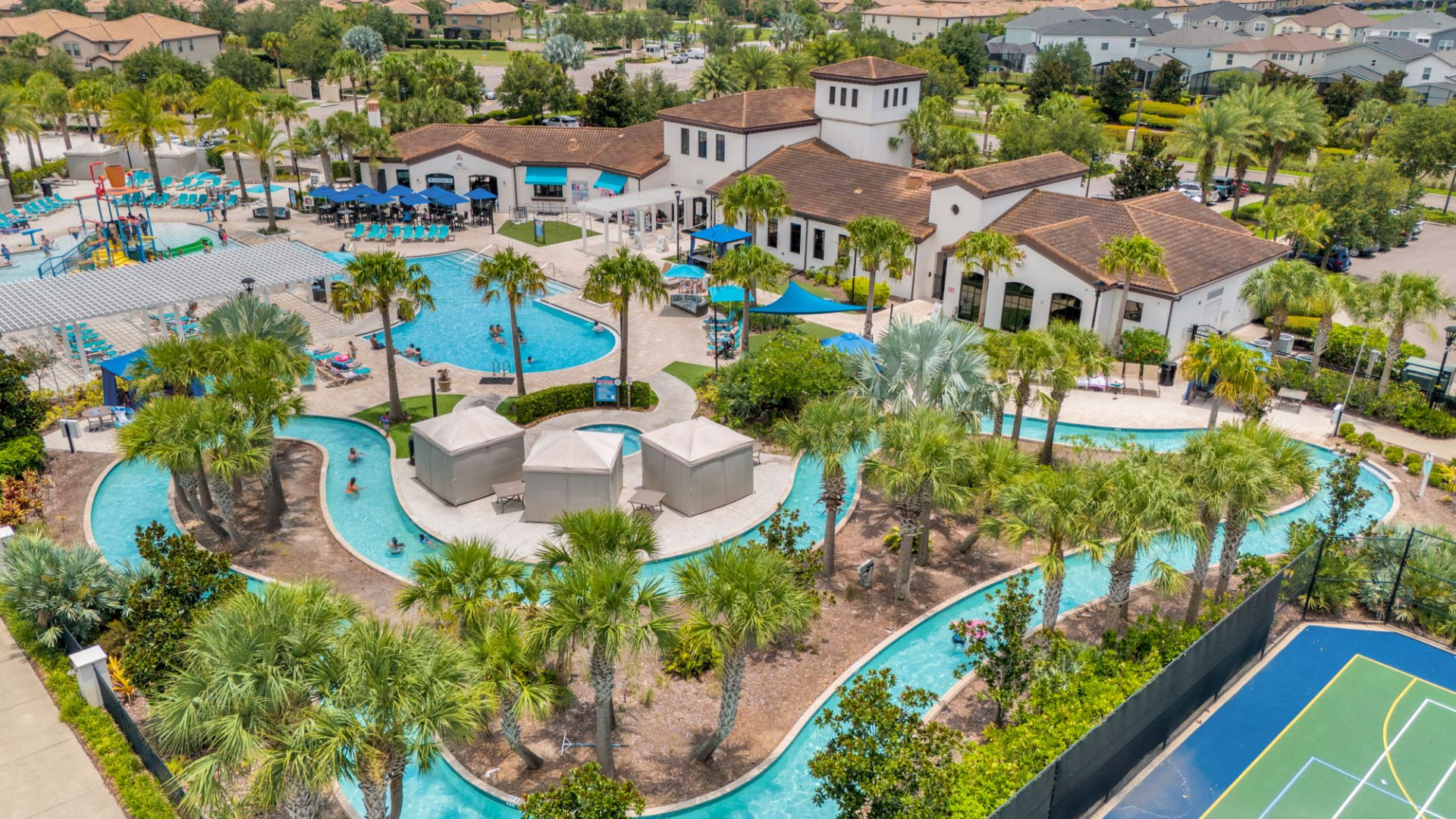
How the shared-use model works A timeshare divides a property's available use into recurring intervals. For example, a resort unit may be divided into fractional interests, with each participant receiving access to particular weeks or another schedule. Some time is typically reserved for repairs and upgrades, so the property can be maintained between stays.
Usage rights are usually governed by a contract. That agreement may specify the dates available to each owner, reservation procedures, exchange options, guest rules, and the owner's responsibility for ongoing charges. In practical terms, the buyer is purchasing a defined way to use vacation accommodations, not unrestricted possession of a second home. Chase explains timeshare access rights and contracts in similar terms.
Common timeshare structures Timeshares can be organized in several ways. The contract and local law determine the exact rights, so buyers should read the governing documents carefully.
Deeded ownership: The buyer receives a deed or recorded interest connected to a specific interval or property. The deed does not necessarily provide the same control or flexibility as owning an entire vacation home.Right-to-use: The buyer receives contractual access for specified periods, but not a deeded interest in the real estate. The right may end when the contract term expires.Point-based programs: The buyer receives points that can be exchanged for stays based on destination, season, unit size, and availability. The points create a reservation system, not unlimited access.These structures share the same central idea: vacation use is divided among multiple participants. They also carry continuing obligations, including maintenance or operating fees, which help fund upkeep, utilities, insurance, and management.
What Does a Timeshare Really Cost? A timeshare can cost much more than the advertised purchase price. The full commitment usually includes an upfront purchase, recurring maintenance fees, and possibly financing costs, so the contract matters as much as the sales price.
Initial purchase price According to Wise, the average initial timeshare purchase price is approximately $23,940. That figure is a broad average, not a quote for every resort or ownership type. Location, season, unit size, availability, and the number of usage rights can all affect the price. Treat the advertised figure as the starting point for your review, not the total cost of the arrangement.
Annual maintenance fees Owners generally pay an annual maintenance fee after the initial purchase. Wise reports an average of about $1,000, while the amount and future increases depend on the specific program. These fees fund the ongoing operation of the property:
Property upkeep and repairs Utilities and facilities Insurance Management services These costs are contractual and continue even when you skip a trip. A timeshare owner should ask how fees are calculated, when they are due, and whether special assessments can be charged.
Total cost over time To understand the real cost, look beyond the first year. Add the purchase price to every expected annual fee over the period you realistically expect to use the timeshare. Then account for travel to the property, exchange or booking fees, taxes, and any charges listed in the agreement. The result may be very different from the price presented during a sales conversation.
This long-term view also helps you compare the arrangement with alternatives such as booking a vacation rental when you want to travel. Research from the University of Southern Queensland found that the economic case for treating timeshare ownership as an investment was not supported by its analysis. Evaluate it as a way to secure planned vacation use, not as a promise of financial return.
Financing can increase the commitment If you finance the initial purchase, interest and loan fees increase the amount paid over time. Ask for the cash price, financed price, annual percentage rate, payment schedule, and total repayment amount in writing. Confirm whether maintenance fees remain due while the loan is outstanding, and review cancellation, transfer, and resale terms before signing.
The clearest answer to "what is a timeshare" includes both the access it provides and the financial obligations attached to that access. A careful review of the complete contract can help you decide whether the usage fits your family's plans and budget.
What Are the Hidden Risks of Timeshare Ownership? A timeshare can make a familiar vacation destination feel more accessible, but the contract may create long-term obligations without giving you a corresponding asset. The main risks are limited flexibility, mandatory ongoing fees, a difficult resale process, and little evidence that the purchase should be treated as an appreciating financial asset.
Resale can be harder than the sales presentation suggests Many buyers assume they can sell later if their travel plans change. In practice, the secondary market is often oversaturated, and selling a timeshare can be notoriously difficult. Some owners may have to accept a substantial loss or give up the interest simply to stop paying future fees. That makes the exit terms and resale process important questions to ask before signing a contract.
Be especially cautious of anyone promising a quick buyer, guaranteed resale price, or upfront-fee solution. Those offers are separate from the original timeshare decision and should be independently investigated.
Fees continue even when you do not travel Timeshare owners generally remain responsible for annual maintenance fees, which fund expenses such as property upkeep, utilities, insurance, and management. These charges are typically payable whether or not you use your allocated time. A missed trip, changing family schedule, or health issue does not automatically remove the obligation.
Review every recurring fee, not only the initial purchase price. Ask how fee increases are determined and whether special assessments are possible. Confirm what happens to unused time, exchanged reservations, and late payments. Fixed access may not fit real family life A defined week or points allocation can work for households that travel consistently and plan well in advance. It can be less convenient when school calendars, work demands, caregiving, or family priorities change. Data cited from ARDA indicates that 60% of timeshare owners said they were committed to taking a vacation in 2025, compared with 39% of other travelers. That stronger commitment may simply reflect how the model is designed for regular vacation planning. Read the cited travel context .
It is a vacation commitment, not a proven wealth strategy Academic analysis has not supported the idea that timeshare ownership is a viable economic investment. It also challenges the premise that capital gains will make up for the purchase and ongoing costs. That does not mean a timeshare has no personal value. It means buyers should treat it as a structured way to access vacation time, compare options, and avoid assuming appreciation.
Understanding these tradeoffs helps families decide whether the obligations match how they actually want to spend time together.
Timeshare vs. Fractional Ownership: What Is the Difference? The central difference is that a timeshare generally provides a contractual right to use a property, while deeded fractional ownership conveys an equity interest in the real estate. That distinction affects what you own, how you schedule time, what may happen at resale, and how you evaluate ongoing costs.
When asking what is a timeshare , it helps to separate vacation access from property ownership. A timeshare may give several buyers defined intervals, points, or other usage rights at a resort or vacation property. A deeded fractional model instead divides ownership of a specific home among a small group of owners, with each owner holding a recorded share and corresponding usage rights.
Timeshare and deeded fractional ownership compared Consideration Timeshare Deeded fractional ownership Ownership and rights Often a right-to-use contract or points-based arrangement. The agreement controls when and where the buyer can stay. A recorded share of a specific property, accompanied by defined usage rights and shared responsibility for the home. Equity Many timeshares do not provide equity in the underlying real estate. An academic analysis found the case for timeshares as an economic investment was not supported. Provides real property equity. The share may have appreciation potential, although value is never guaranteed and depends on the property and market. Usage flexibility Use is governed by fixed intervals, reservation rules, points, or an exchange system. Flexibility varies by contract and availability. Owners share a scheduling system for a particular home. The structure can provide more direct access and flexibility, subject to the co-ownership agreement. Resale Resale depends on demand for the contract, resort, and available inventory. The buyer is not generally reselling an equity share in a home. The owner may transfer or sell the deeded interest, subject to the property's market, governing documents, and any applicable transfer process. Annual fees Owners typically pay recurring maintenance fees for upkeep, utilities, insurance, and management, whether or not they use all of their allotted time. Owners contribute to the operating and management costs of the shared home. The amount and covered services depend on the property and ownership agreement.
These categories are useful starting points, but contracts vary. Review the ownership documents, scheduling rules, fee obligations, transfer provisions, and exit terms before committing. For a closer look at how a timeshare works , compare the legal structure rather than relying on sales language alone. Fraxioned's guide to deeded ownership vs timeshare usage rights explains why a deed and a usage contract are not interchangeable.
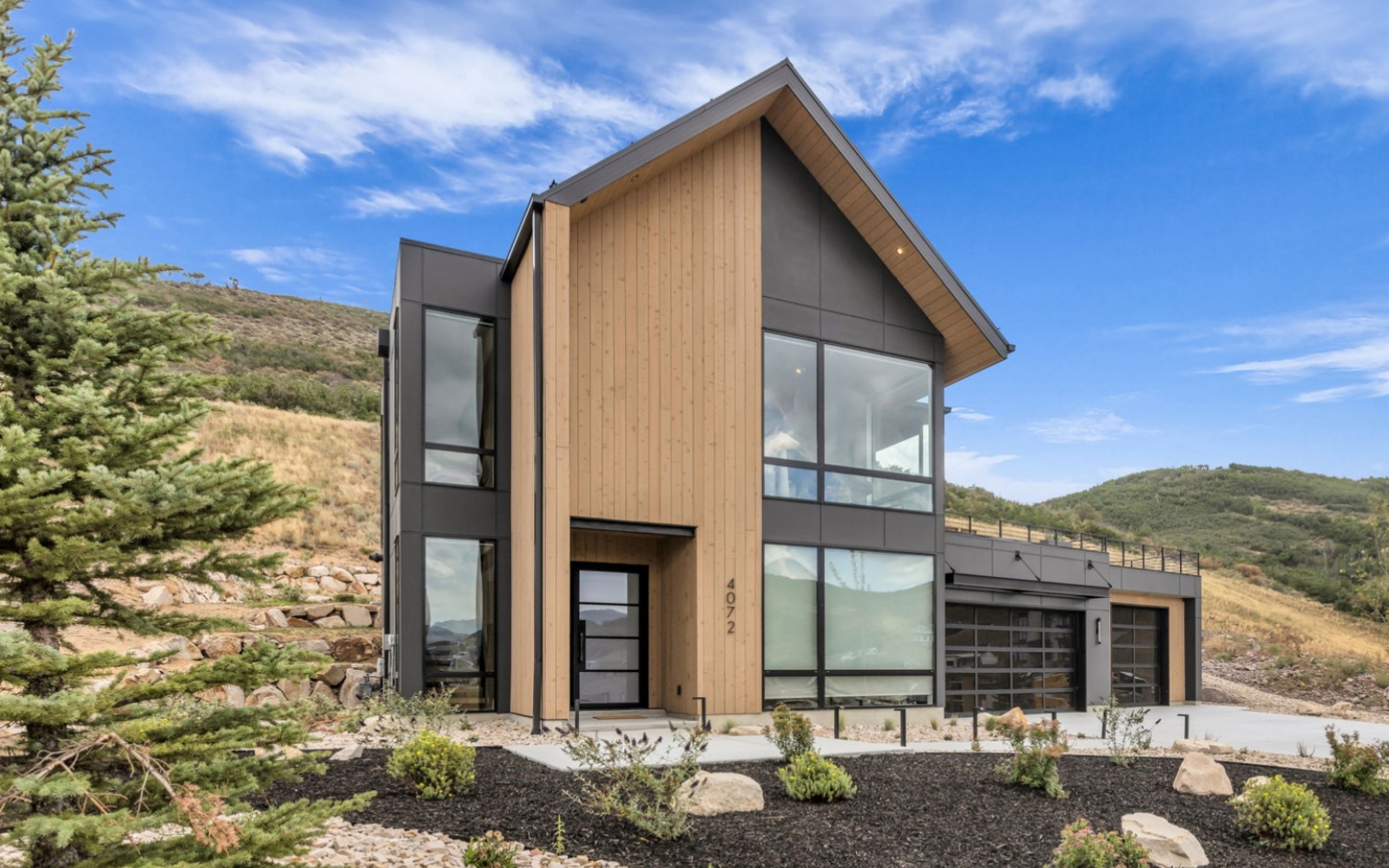
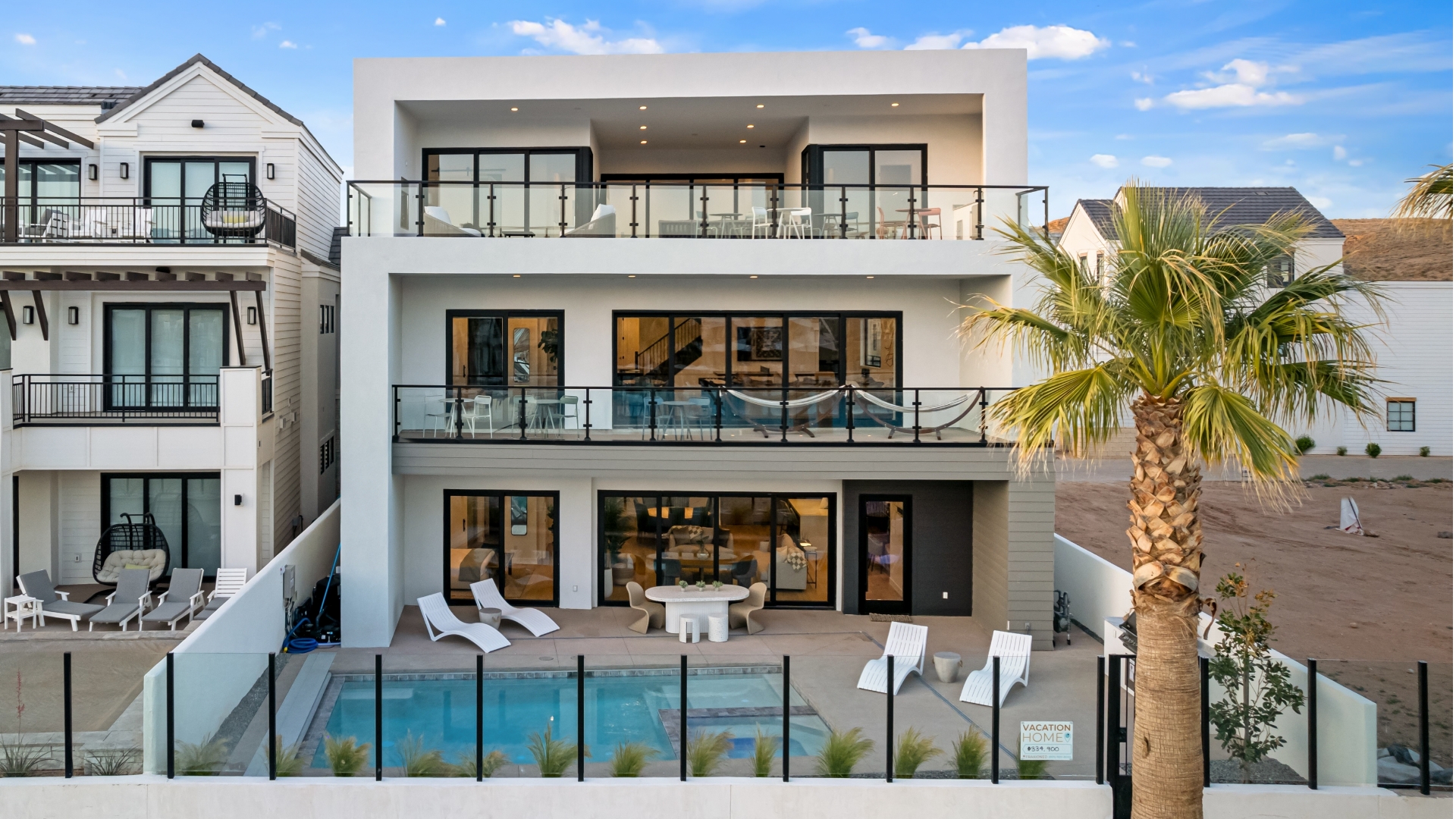
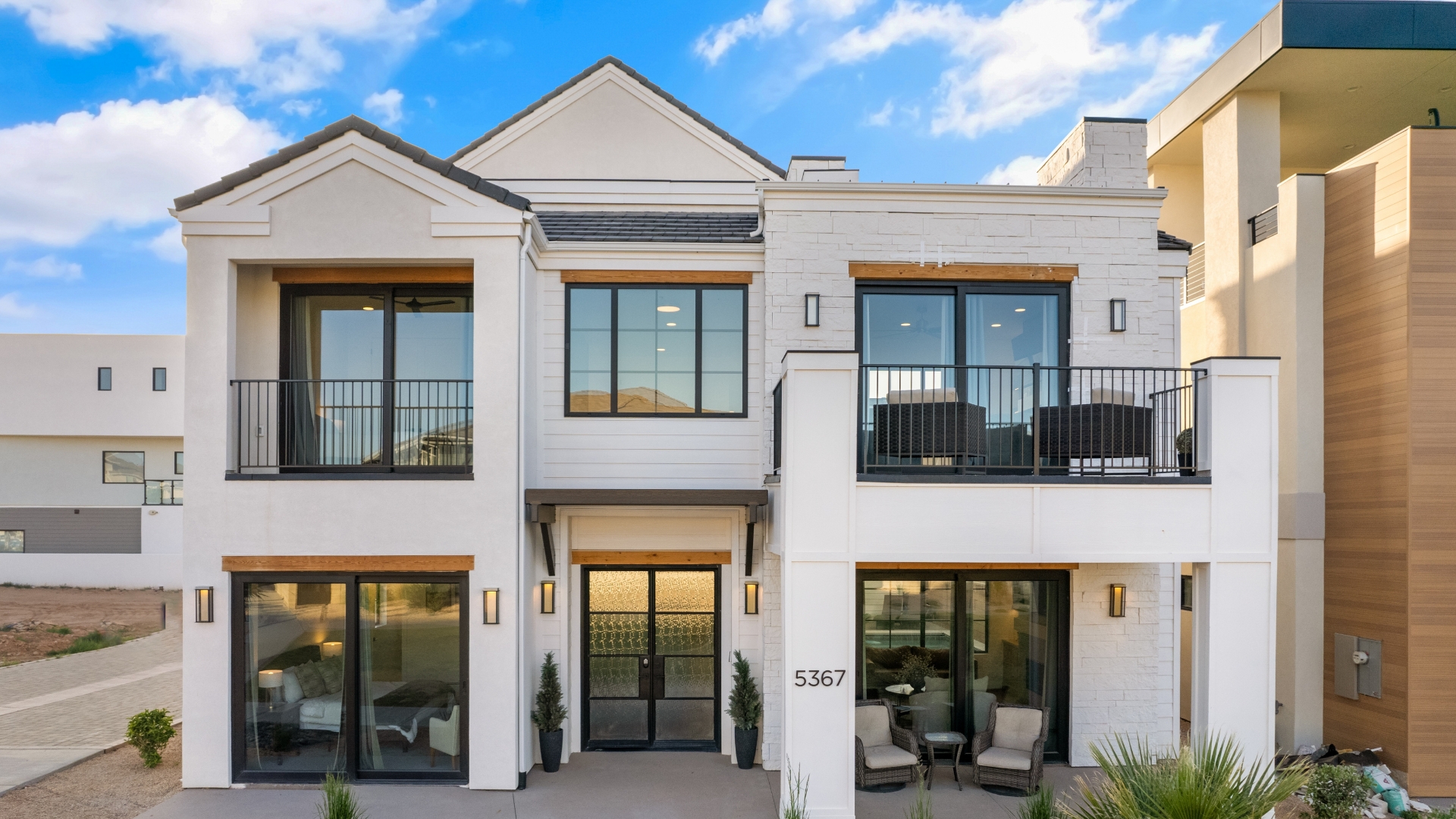
How to Own Vacation Time a Smarter Way A smarter approach can combine the comfort of a vacation home with a level of ownership that matches how your family actually travels. Deeded fractional co-ownership gives families a defined share of a professionally managed property. Along with scheduled usage and an ownership interest, rather than access governed only by a right-to-use contract.
For families who want a place to gather across generations, the distinction matters. A timeshare generally provides the right to use accommodations during certain periods, but it does not give you a deeded share of the real estate. With fractional co-ownership, the property is divided into larger, deeded interests. Fraxioned shares range from 1/8 to 1/13, with approximately 28 to 45 or more nights of annual usage depending on the share and property.
Start with the ownership right. Review whether the arrangement gives you deeded equity in a specific home or only permission to use lodging. Deeded ownership may also offer appreciation potential because you own an interest in the underlying property. That is different from presenting the arrangement as an investment. The practical purpose is a beautiful, reliable place for your family to spend time together.Match the share to your family's calendar. A larger share may provide more annual nights. While a smaller share can be a better fit for families who want a gathering place without taking on the cost and upkeep of a full second home. Thoughtful scheduling helps parents, children, and grandparents plan meaningful stays rather than competing for occasional availability.Choose the access model that fits your priorities. Fraxioned's Collective model allows owners to rent unused nights to help offset operating costs. The Exclusive model is reserved for owner use, with no rentals. Understanding this choice upfront makes it easier to select an ownership experience that aligns with privacy, flexibility, and the way your family wants to use the home.Understand the management structure. Professional management can handle routine maintenance, home care, and operational details that often make sole ownership burdensome. Fraxioned is designed for families who want the experience of a turnkey vacation home without carrying the full cost of a property that may sit vacant for much of the year. You can learn more about how co-ownership works before comparing available properties.The result is not a timeshare dressed up with new terminology. It is a different ownership structure built around shared use of a real vacation home. If you are still sorting through the terminology, this guide to fractional ownership versus a timeshare explains the distinction in more detail. It keeps the focus where it belongs: creating more opportunities for your favorite place with your favorite people.
Ready to see whether a deeded share fits your family's plans? Contact the Fraxioned team to compare properties and scheduling options, or reach out online to speak with an advisor directly.
Frequently Asked Questions What is a timeshare and how does it work? A timeshare gives multiple buyers the right to use a vacation property during defined periods. Depending on the contract, the arrangement may assign a specific week, provide access through a points system, or establish another schedule. The buyer pays the purchase price and remains responsible for recurring charges under the agreement, even when the property is not used.
What are the main disadvantages of a timeshare? The main disadvantages can include a substantial upfront cost, mandatory maintenance fees, limited scheduling flexibility, and a difficult resale process. A timeshare can also lose value over time. So buyers should evaluate it as a way to plan vacations rather than assume the arrangement will function like an appreciating home.
Is buying a timeshare a good investment? Generally, a timeshare is better understood as a vacation expense than as an investment. Its value is tied primarily to the use it provides, while ongoing fees continue whether or not you travel. Anyone considering one should compare the full cost with other ways to secure vacation time and should not rely on appreciation or resale proceeds.
What is the difference between a timeshare and fractional ownership? Many timeshares provide contractual usage rights without equity in the underlying property. Deeded fractional ownership, by contrast, gives owners an equity interest in a specific home, along with defined usage rights. The ownership structure, scheduling rules, expenses, and resale terms depend on the program, so buyers should review those details before choosing either option.
Can you actually sell a timeshare? You can try to sell a timeshare, but resale is often difficult because the secondary market is crowded. Some owners struggle to recover their original purchase price and may still owe maintenance fees while waiting for a buyer. Be cautious of anyone promising a guaranteed resale or requesting a large upfront fee to list the timeshare.
Ready to Explore a More Direct Path to Ownership? If you want a vacation place built around flexible use and shared responsibility. With time for the people that matter most, learning how deeded fractional co-ownership works can help you compare your options clearly. Talk to our team to ask questions and explore whether a Fraxioned home fits the way your family wants to spend time together.