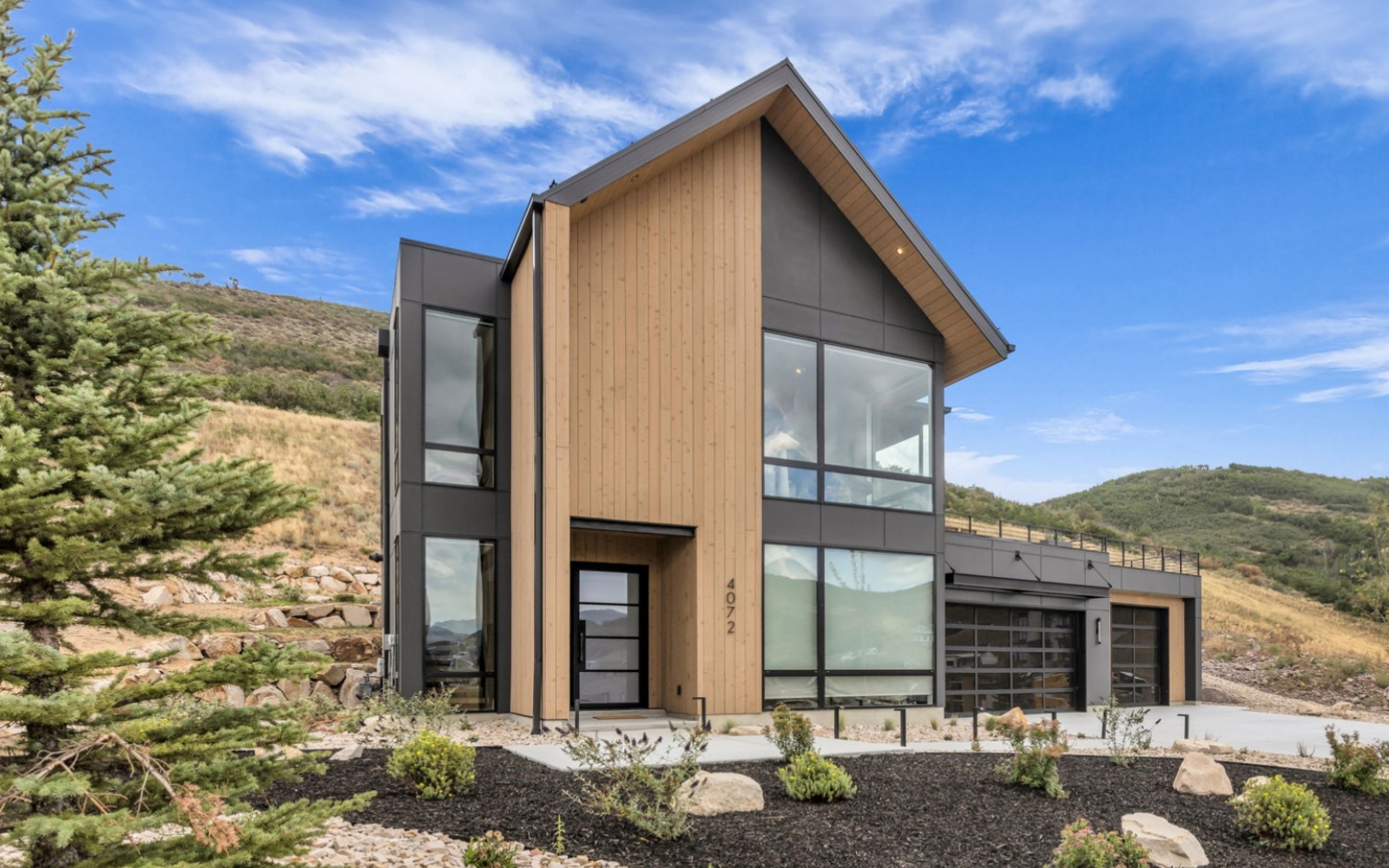
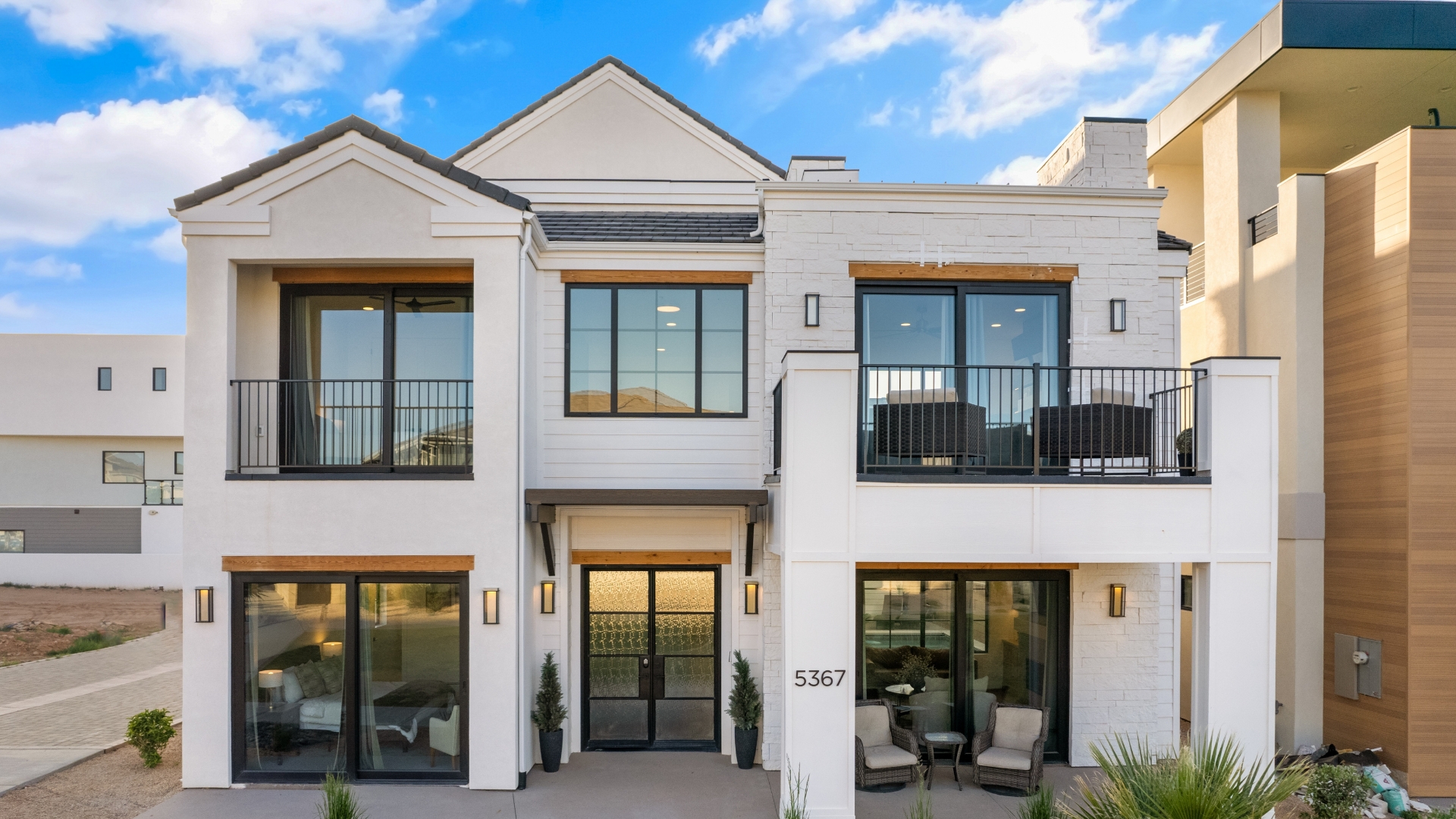
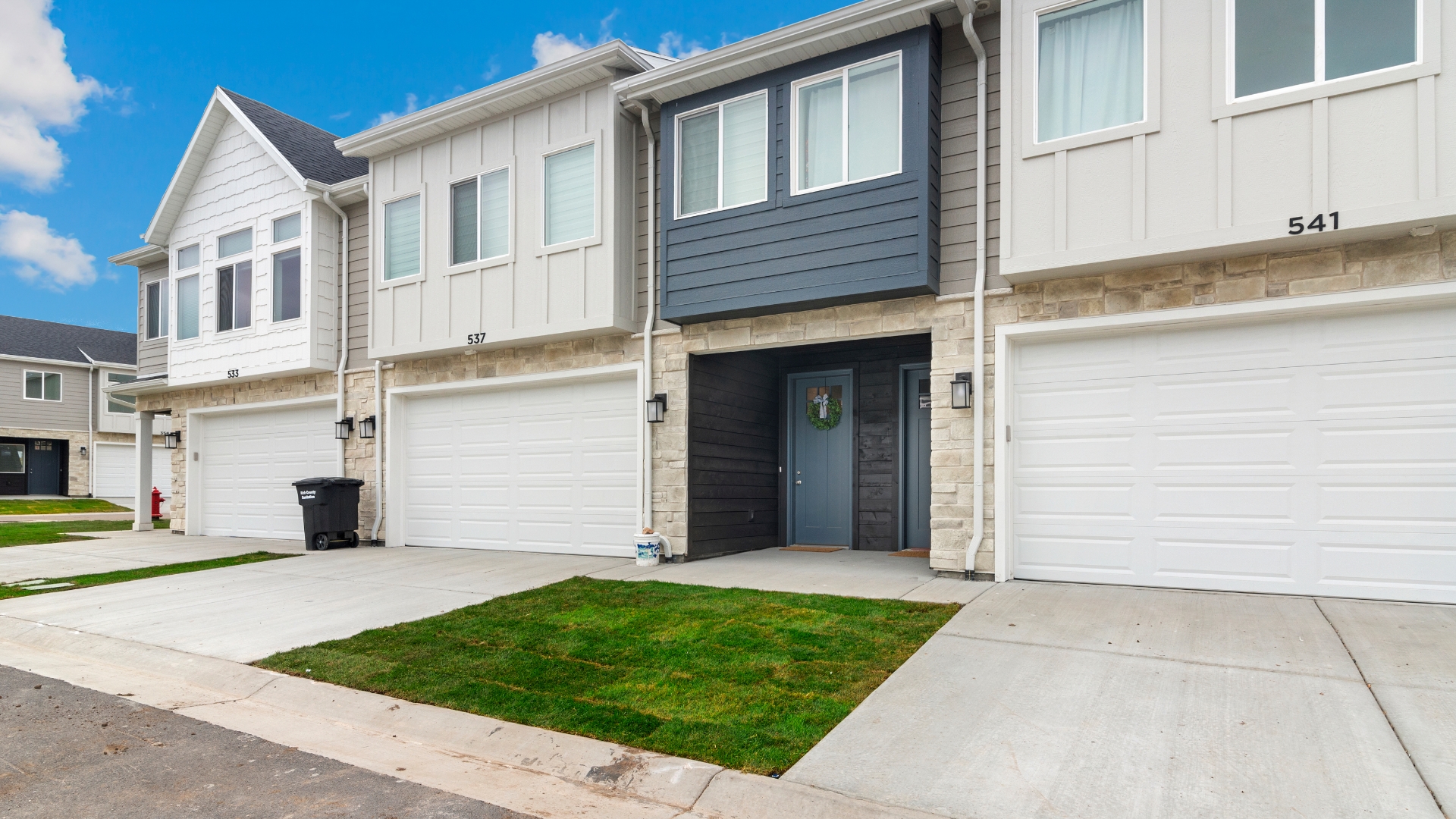
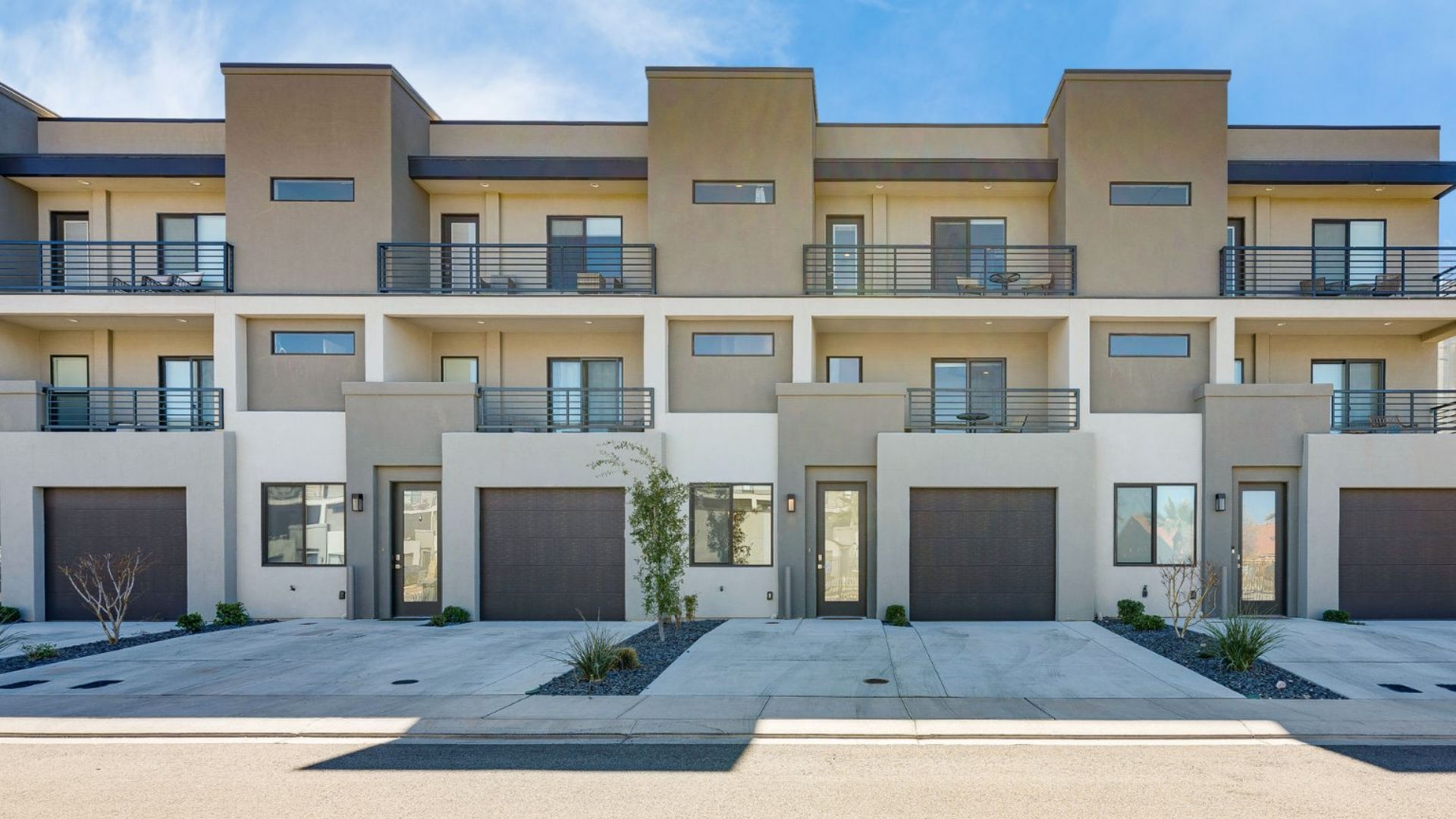
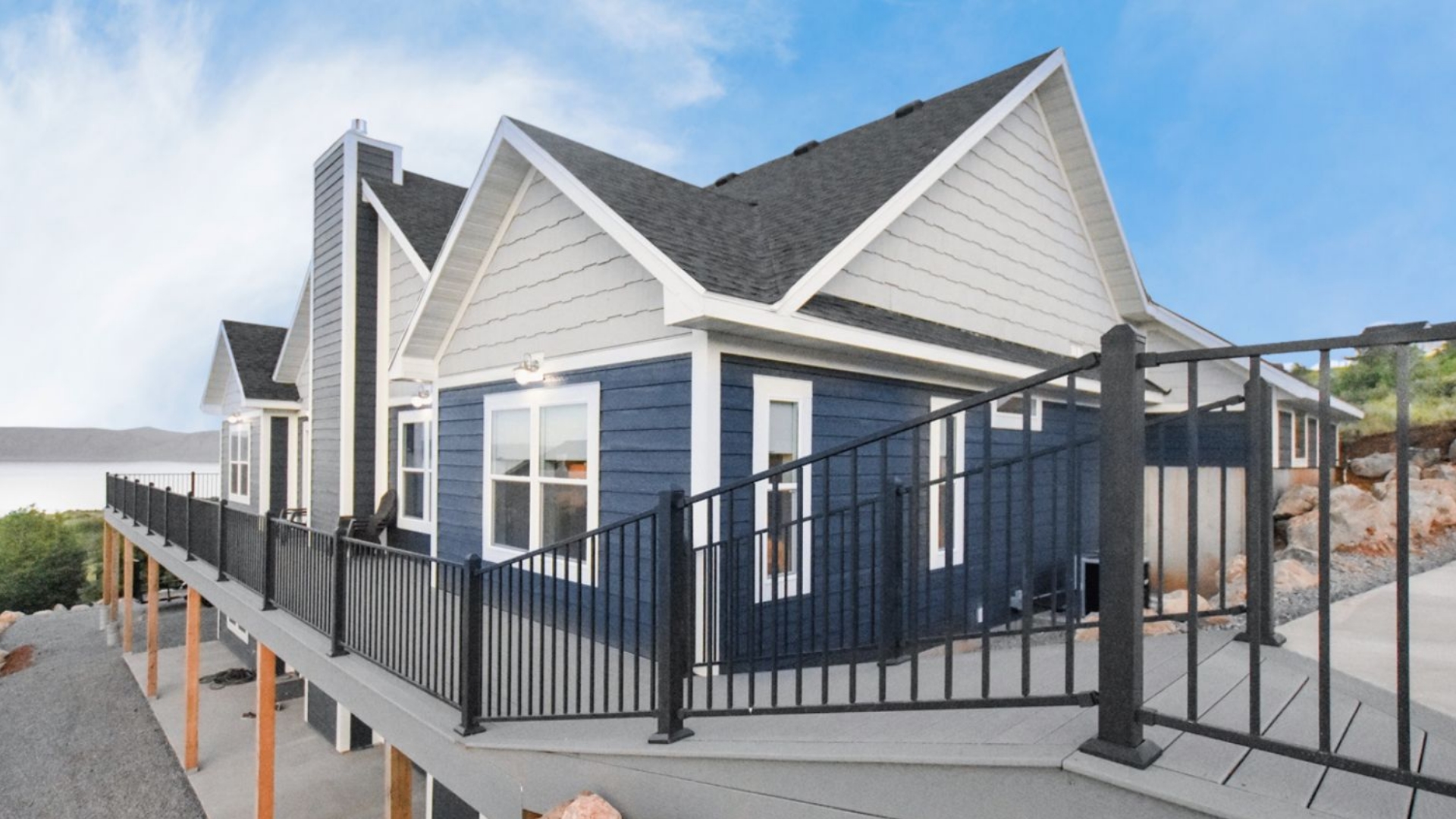
A vacation home is more than just a building; it’s a backdrop for your family’s most cherished memories. It’s the place you return to for holidays, reunions, and quiet weekends away. When deciding how to secure that special place, the co-ownership vs timeshare question becomes critical. One path gives you a true home base where you can establish traditions and build a legacy, while the other offers a more temporary, hotel-like experience. This article will explore how each model impacts that feeling of belonging. We’ll look at what it means to have a real stake in a property versus simply having access to one.
Key Takeaways Own a Real Asset , Not Just TimeCo-ownership provides you with a deeded, legal share of the property itself , a tangible asset you can sell or pass down. In contrast, a timeshare only gives you the right to use a space for a specific period, without any actual ownership.Know Where Your Money Goes : The financial structure of co-ownership is straightforward: you buy a sellable share of a home and split the actual operating costs with a few other owners. Timeshares involve paying for access and are often burdened by escalating annual fees and a resale value that typically declines.Choose Your Level of Control : As a co-owner, you have a direct say in your property and benefit from high standards maintained for a small group of owners. With a timeshare, a large corporation makes all the decisions, which can affect property upkeep and your overall experience.Let's Talk Co-Ownership: What Is It, Really? The term "co-ownership" might sound a bit formal, but the idea behind it is actually pretty simple and intuitive. At its core, co-ownership is about sharing true, legal ownership of a vacation home with a small group of other people. Imagine buying a stunning cabin or a beach house with a few other families. You all get to enjoy the property, create lasting traditions, and build memories, but you also share the costs and responsibilities. This approach makes owning a luxury vacation home much more attainable. Instead of one person shouldering the entire mortgage, property taxes, and upkeep, everything is divided among the owners.
This isn't just about splitting bills, though. It’s about a smarter way to own. Most people don't use their vacation homes year-round, so why pay for it 365 days a year? With co-ownership, you get to enjoy the home for the time you'll actually use it. And unlike other vacation models, this is real ownership. You're not just buying "time"; you're buying a real estate asset. It’s a practical and flexible way to get all the perks of having a second home, like a familiar place to return to year after year, without the traditional headaches and full financial weight.
The Legal Side of Ownership So, what does it mean to be a "real" owner? With co-ownership, you purchase a deeded fraction of a specific property. This isn't a membership or a voucher for a vacation week. You are a legal owner of the real estate, and your name is recorded on the property deed, just as it would be if you bought a home by yourself. This is the fundamental difference that sets co-ownership apart. You hold a tangible asset, which means you can benefit from any potential appreciation in the property's value over time. It’s your property, plain and simple.
What You Share: Responsibilities and Perks One of the best parts of co-ownership is that you're in it together. All the owners share the responsibilities of maintenance, management, and general upkeep. This means you don't have to spend your vacation fixing a running toilet or coordinating lawn care. With a professional team managing the details through a dedicated portal like myFRAX , the experience becomes truly hassle-free. The shared model also means you get to enjoy some serious perks. You have a beautiful, well-maintained home to return to, and you can build equity as the property value grows. It’s about creating a legacy and a special place for your family to gather for years to come, without the typical burdens of sole ownership.
Different Ways to Co-Own a Property Co-ownership isn't a one-size-fits-all concept. Legally, it can be structured in a few different ways, such as joint tenancy or tenancy in common, each with its own rules. However, a modern and increasingly popular approach is fractional ownership. This model is specifically designed for vacation homes, dividing the property into shares (typically from 1/8 to 1/13). Each share corresponds to a certain amount of time you can use the home each year. Fraxioned simplifies this process by fractionalizing the property into an LLC, and you purchase a percentage of that LLC. This structure provides a clear, simple, and legally sound way to co-own a luxury property.
And What's a Timeshare, Anyway? You’ve probably heard the term "timeshare" before, and it’s easy to see why it gets confused with co-ownership. On the surface, they sound similar: both models let you enjoy a vacation property without footing the entire bill yourself. But that’s pretty much where the similarities end. At its core, a timeshare isn’t a form of property ownership at all. It’s more like a long-term vacation club membership or a prepaid rental that you commit to for years, or even a lifetime.
Think of it as pre-booking the same hotel room for the same week, every single year. You pay a large sum upfront for the right to use the space for your allotted time, plus annual fees for upkeep. But you don't actually own any part of the building, the land it sits on, or the furniture inside. This fundamental difference impacts everything from your rights and responsibilities to the long-term value of your purchase. Because you're not an owner, you don't get a say in major decisions, and you don't build any equity. Understanding this distinction is the first step in figuring out which option truly fits your family’s vacation style and goals. Let's break down what a timeshare really involves.
How Timeshares Are Structured When you buy a timeshare, you are purchasing the right to use a property for a specific amount of time each year, which is usually a week or two. You pay an initial fee to join and then annual maintenance fees to keep your spot. The key thing to remember is that you don't own any part of the property itself. You’re buying time, not title. This is often called a "right-to-use" arrangement. The developer or resort company retains full ownership of the physical asset. The Federal Trade Commission offers guidance for consumers considering this model, as the contracts can be complex.
The Big Difference: Your Ownership Rights This is the most important distinction between a timeshare and co-ownership. With a timeshare, you only own the time you spend there, not the property. Because you aren't a deeded owner, you don't have a say in how the property is managed, maintained, or if it gets sold. You can't make changes to the decor or decide on upgrades. You’re essentially a recurring guest with a long-term reservation. This means you don't build any equity in the property, and you won't benefit if its value increases over time. Your purchase is for personal use and memories, not for a tangible asset.
Know the Rules: Timeshare Restrictions Flexibility isn't always a strong suit for timeshares. Most agreements lock you into a specific week and location every year. While some systems offer points or exchanges that let you swap your week for a different time or place, these can be complicated to use and often come with extra fees and limited availability. This rigidity can become a problem if your family's schedule changes or you simply want to explore a new destination. You're committed to that specific arrangement, which might not fit your lifestyle five, ten, or twenty years down the road. It’s important to understand the terms before signing any agreement.
Which Option Gives You True Ownership? When you’re deciding between co-ownership and a timeshare, the most important question is often the simplest: What do I actually own? The answer reveals the fundamental difference between these two models. One gives you a real stake in the property, while the other offers something more like a long-term reservation. Understanding this distinction is key to choosing the path that aligns with your family’s goals for creating lasting vacation memories.
True ownership means having your name on the deed, sharing in the property's potential appreciation, and having the freedom to pass it down or sell it. It’s about owning a piece of a place, not just paying for access to it. Let's look at how co-ownership and timeshares stack up when it comes to what you get for your money.
Why Co-Ownership Means Deeded Ownership With co-ownership , you purchase a deeded fraction of a specific property. This isn't just a membership or a right to visit; you are a legal owner of the real estate, and your name is recorded on the property deed alongside the other co-owners. Think of it like buying a house with a few family members or friends. You own a tangible asset, a real share of the home itself. This legal structure gives you the security and rights that come with property ownership, just on a shared basis. It’s a straightforward approach that makes owning a luxury vacation home more accessible.
The Right to Use vs. The Right to Own This is where timeshares differ significantly. When you buy a timeshare, you are typically purchasing the right to use a property for a set amount of time each year. You don't actually own the property itself. It’s more like a prepaid, long-term vacation plan. You’re paying for access, not equity. While this can work for some, it’s important to know that you aren’t buying a real estate asset. You’re buying time. With co-ownership, you own a part of the home 365 days a year, even when it’s not your turn to use it, because you have a real ownership stake.
Thinking Long-Term: Value and Appreciation Because you own a real asset, your share in a co-owned property can increase in value over time, just like any other piece of real estate. If the property value goes up and you decide to sell your share, you could see a return. This makes it more than just a vacation spot; it’s a part of your family’s portfolio. You can browse our listings to see the types of high-quality homes involved. In contrast, timeshares are generally not seen as financial assets. They are focused on providing usage rights, and their value often decreases over time, making them difficult to resell.
A Look at the Financials: Co-Ownership vs. Timeshares When you’re thinking about a vacation home, the numbers matter. Both co-ownership and timeshares promise a place to get away without the cost of buying a whole house, but their financial paths are very different. It’s not just about the initial price tag; it’s about what you’re actually buying and what costs you can expect down the road.
With co-ownership , you are purchasing a tangible asset: a real, deeded share of the property. Think of it like buying a house with a few other families. You share the costs, but you also share in the ownership. A timeshare, on the other hand, typically sells you time, not property. You’re buying the right to use a resort or unit for a specific period each year. This fundamental difference shapes everything from ongoing fees and resale value to your ability to build equity. Understanding these financial distinctions is key to deciding which model truly fits your family’s goals for the future.
Breaking Down the Costs: Upfront and Ongoing The initial investment for both options can seem similar, but what you get for your money is worlds apart. When you enter a co-ownership agreement, your upfront cost buys you a legal stake in the property. You become a part-owner, and your name is on the deed. Ongoing costs are transparent and directly related to running the home, such as property taxes, insurance, and utilities, all split among the owners.
With a timeshare, your initial payment buys you access. The ongoing costs are usually bundled into an annual maintenance fee set by the resort management company. These fees cover the upkeep of the entire resort, not just your unit, and can often increase annually without much input from you. It’s important to look at the complete financial picture, including how ongoing costs are determined and managed.
Beyond the Sticker Price: Maintenance and Hidden Fees One of the biggest financial complaints about timeshares revolves around maintenance fees. These fees are mandatory and can rise unexpectedly, yet you have little to no say in how that money is spent. Because a single timeshare unit can have up to 52 owners per week, your individual voice gets lost in the crowd.
Co-ownership operates on a much smaller, more transparent scale. With far fewer owners for a single home, typically between two and twelve, everyone has a clearer understanding of where their money is going. Costs for maintenance, repairs, and management are shared, and decisions are often made collectively by the ownership group. This structure helps keep costs predictable and ensures the property is maintained to the standards of the people who actually own it. You can find more details about how these costs are managed in our FAQ .
Planning Your Exit: Resale Value Your vacation plans might change over the years, so it’s smart to think about an exit strategy from the start. This is where co-ownership and timeshares diverge dramatically. Selling a timeshare is notoriously difficult. The market is often flooded with listings, and many owners end up selling for a fraction of their original purchase price, if they can sell at all. The timeshare company’s rules can also add hurdles to the process.
Selling your share of a co-owned property is much more like selling a traditional home. Because you own a deeded piece of real estate, you can sell your share on the open market. While market conditions always play a role, you have the potential to sell your share for what you paid or even see it appreciate in value. This gives you flexibility and control over your asset.
Can You Build Equity? Building equity is a key benefit of owning real estate, and it’s a major advantage of co-ownership. As the property value increases over time, so does the value of your share. This means your vacation home can be more than just a place for making memories; it can also be a sound part of your financial portfolio. You’re investing in an asset that has the potential to grow.
A timeshare, however, is not a real estate investment. Since you’re only buying the right to use the property, you don’t build any equity. The value of a timeshare almost always decreases over time, much like a car driving off the lot. If building long-term value is important to you, the distinction is clear. Co-ownership allows you to enjoy your vacation home while holding an asset that can appreciate.
How Much Say Do You Actually Get? When you own a piece of a vacation home, you want it to feel like yours. A big part of that feeling comes from having a say in what happens with the property. The level of control you have is one of the most significant differences between co-ownership and a timeshare. It shapes everything from how the home is decorated to how well it’s maintained over the years. Let's look at who really calls the shots in each model, so you can understand what to expect.
Your Voice in Co-Ownership With co-ownership, you are a true owner, not just a guest. You purchase a deeded share of the property, which means your name is on the title just like in a traditional home purchase. This legal status gives you and the other co-owners a real voice in major decisions about the home. While a professional management company, like Fraxioned, handles all the day-to-day details like cleaning and repairs, you have a say in bigger matters. This structure ensures the property is cared for according to the owners' collective wishes, protecting the shared space you all love and enjoy.
Who's in Charge with a Timeshare? With a timeshare, the story is different. You’re typically buying the right to use the property for a certain amount of time each year, but you don’t have an ownership stake in the actual real estate. The developer or resort company that sold the timeshare usually retains control over the property. They manage everything from top to bottom, and individual timeshare holders have very little, if any, influence over decisions. Since their business model is focused on selling units, there isn't always a strong incentive to maintain the property to the highest standards once everything is sold.
Maintaining Quality: Who Manages the Property? Everyone wants their vacation spot to be in great shape every time they visit. In a co-ownership model , all owners share a vested interest in keeping the home pristine. Professional management handles all the maintenance and repairs, so you never have to worry about fixing a leaky faucet or scheduling a landscaper. This service is accountable to you and the other owners. In a timeshare, you pay a fixed annual maintenance fee, but you have no control over how that money is spent. The quality of upkeep is left entirely in the hands of the resort operator, which can be a gamble.
Let's Clear Up Some Common Myths Timeshares have been around for a long time, and they come with a lot of baggage and misconceptions. It’s easy to get them confused with modern co-ownership , but they are fundamentally different. Let's break down some of the most common myths about timeshares so you can see the full picture. Understanding these differences is key to making a choice that truly fits your family’s vacation style and long-term goals.
Myth: "Owning" a Timeshare One of the biggest points of confusion is the idea of "owning" a timeshare. In reality, most timeshare agreements don't grant you any actual ownership of the property. Instead, you're buying the right to use the property for a specific amount of time each year, usually just a week or two. You won't have a deed with your name on it, and you won't build any equity. True co-ownership , on the other hand, means you own a real, deeded share of the property, just like you would with a traditional home.
Myth: Guaranteed Rental Income Timeshares are sometimes presented as a smart financial move, with the promise that you can easily rent out your allotted time for a profit. The reality is often quite different. The timeshare market is saturated, and their value tends to go down over time, not up. This makes them a challenging asset to profit from. The goal of renting out your unused time in a co-owned home is typically to help offset operating costs, not to generate passive income. It’s about making ownership more sustainable, not turning it into a business venture.
Myth: Timeshares Are Always Flexible Flexibility is a common selling point for timeshares, but the structure can be surprisingly rigid. Many plans lock you into the same week at the same location year after year. While some point-based systems exist, they can be complicated and competitive to use, making it difficult to book the vacation you actually want. This lack of freedom is a major drawback for families whose schedules and travel preferences change over time. When you co-own a home, you have more control over scheduling your stays throughout the year in your own property.
Myth: Getting Out is Easy Perhaps the most damaging myth is that you can easily sell your timeshare if you no longer want it. Unfortunately, owners often find it extremely difficult to get out of their contracts. The resale market is flooded with listings, and many people end up selling at a major loss just to escape the escalating annual maintenance fees. Because you don't own a tangible asset, you're simply trying to sell a contract, which can be a tough proposition. Our FAQ page explains how selling a deeded share of a co-owned property works, which is a much more straightforward process.
Weighing Your Options: A Side-by-Side Comparison Making the right choice for your family’s vacations comes down to understanding what you’re actually buying. Both co-ownership and timeshares offer access to incredible properties, but the models are fundamentally different. One gives you a tangible asset, while the other provides a service. Let's break down the key distinctions so you can feel confident in your decision. By looking at the benefits and drawbacks of each, you can see which path aligns with your family’s goals for creating lasting memories.
The Upside and Downside of Co-Ownership The biggest advantage of co-ownership is that you are buying real estate. You get a deeded fraction of the property, making you a legal owner. This isn't just a piece of paper; it means you hold a real asset that can appreciate over time. You have the freedom to sell your share whenever you choose, potentially gaining equity just like you would with a primary residence. The main consideration is that you share the home with other owners. This means scheduling your stays in advance, but with a professional management system in place, this process is simple and ensures everyone gets to enjoy the home fairly.
The Good and Bad of Timeshares Timeshares are becoming a less common choice for vacationers, and it’s important to understand why. With a timeshare, you aren’t buying property; you’re buying the right to use a property for a set amount of time each year, usually a week or two. You don't own any part of the home itself. While this might seem straightforward, the downside is significant. Timeshares typically lose value over time and can be very difficult to sell. You also have little to no control over the property or rising annual maintenance fees, which you are locked into paying for the life of the contract.
What's Best for Your Family's Future? Choosing between these options really depends on what you want for your family long-term. If you love returning to the same destination and want to build a legacy, co-owning a second home is a fantastic way to do it. You get all the joys of homeownership in a place you love, but at a fraction of the cost and without the headaches of solo management. If your goal is simply to prepay for vacations at various locations without any ownership stake, a timeshare might seem appealing. However, for those who want a true home away from home and a tangible asset, the co-ownership model offers a much clearer path to building family wealth and memories.
How to Choose the Right Fit for Your Family Deciding on the right vacation property model is a personal choice that hinges on what your family values most. It’s not about finding a one-size-fits-all answer, but about understanding your own habits, goals, and dreams for the future. To figure out whether co-ownership or a timeshare aligns with your vision, it helps to ask a few direct questions about how you see your family spending its precious time off.
Think about your ideal vacation. Is it returning to a familiar, beloved spot where you can build traditions, or is it exploring a new destination every year? Consider your financial comfort zone. Are you looking for something that holds its value over time, or are you simply pre-paying for future hotel stays? And what about the experience itself? Do you want the pride and comfort of a true second home, or are you okay with a more standardized, hotel-like environment? Answering these questions honestly will point you in the right direction and help you make a choice you’ll be happy with for years to come.
How Often Will You Vacation? Your travel style is a great starting point. If your family loves the idea of having a go-to getaway spot, a place that feels like your own, then co-ownership is likely a great fit. With this model, you purchase a deeded fraction of a specific property. It’s a real asset, a home base where you can leave a few personal items and return to year after year. This is perfect for families who want to establish roots in a favorite location, whether it’s a ski town or a lakeside retreat. If you prefer variety and want to visit a different resort each year, a timeshare’s network might seem appealing, but it comes at the cost of that true sense of belonging to one special place.
What Are Your Financial Goals? Let’s talk about the money side of things. A major difference between these two models is that co-ownership is an investment in real estate. You own a tangible share of the property, which can appreciate over time. If you decide to sell your share down the road, you stand to gain from any increase in the home’s value. This makes it a financially sound way to enjoy a luxury vacation home. Timeshares, on the other hand, are typically considered a prepaid vacation expense, not an asset. They are notoriously difficult to resell and often lose value, making them a less stable financial choice. Exploring financing options can also make co-ownership more accessible than you might think.
How Important is Quality and Control to You? Think about the quality of your vacation experience. Because co-ownership involves a small group of dedicated owners, the properties are usually maintained to a much higher standard. These homes often feature high-end finishes, quality furniture, and better amenities, simply because everyone involved has a vested interest in keeping the place beautiful. You can see the difference when you browse through property listings . In contrast, timeshare units can feel impersonal and show more wear and tear due to high turnover and a management structure that doesn't answer directly to a small group of owners. With co-ownership, you get the pride and comfort of a home that is truly cared for.
Creating a Legacy for Your Family A vacation home is more than just a place to stay; it’s a place where memories are made. Co-ownership fosters a deep sense of connection to a property, allowing your family to establish traditions in a place that genuinely feels like your own. It’s the setting for future holiday gatherings, summer reunions, and quiet weekend escapes. This creates a lasting legacy that can even be passed down to the next generation. This feeling of permanence and belonging is something a timeshare, with its rotating schedule and impersonal feel, simply can't replicate. It’s the difference between booking a room and coming home.
The Modern Way to Co-Own Your Dream Vacation Home Co-ownership has evolved far beyond a simple handshake agreement between friends. Today’s approach combines the best parts of owning a second home, like building equity and making lasting memories, with the ease of a professionally managed property. It’s a smart, streamlined way to get that dream vacation spot without the traditional headaches or the full financial weight. With a modern co-ownership model, you get true, deeded ownership in a stunning home, a clear and fair system for scheduling your stays, and a dedicated team to handle all the upkeep.
This isn't about finding a group of people and figuring it all out yourselves. Companies like Fraxioned have created a complete framework that makes everything simple. You can browse beautiful listings , find a home you love, and purchase a share that fits your lifestyle and budget. From there, all the details of property management, from cleaning to repairs, are taken care of. You just get to focus on what matters: showing up, relaxing, and enjoying your home away from home. It’s the accessibility and freedom that make this a perfect fit for so many families.
Flexible Shares, Full Service When you enter into a co-ownership agreement, you are purchasing a deeded fraction of a specific property. This means you are a legal owner of real estate, and your name is recorded on the property deed, just as it would be if you bought a home on your own. Instead of buying the whole house, you buy a share, typically ranging from 1/8 to 1/13. This share corresponds to a certain number of weeks you can use the home each year. The co-ownership model makes owning a luxury property much more accessible, and because it’s a real asset, you can sell your share in the future.
Enjoy Your Home, We'll Handle the Rest One of the biggest perks of modern co-ownership is that it’s completely hassle-free. All the tedious aspects of homeownership, like maintenance, repairs, and cleaning, are handled by a professional management team. You don’t have to worry about finding a plumber or mowing the lawn. The home is professionally cleaned between every stay, so it feels fresh and welcoming the moment you walk in the door. You can easily schedule your stays and manage your ownership details through a simple owner portal, like the myFRAX Portal . This full-service approach means you can spend your vacation time actually vacationing, not working on a house.
Use It or Rent It: The Choice is Yours Flexibility is at the heart of co-ownership. You have a set amount of time to use your home each year, and what you do with it is up to you. You can use all your weeks for family getaways, invite friends to join you, or even lend your time to loved ones. If you have a trip planned elsewhere and can’t use your allotted time, you have the option to rent it out. This is a great way to offset some of the property’s operating costs, like utilities and property taxes. This model is ideal for people who love visiting the same destination and want a familiar, comfortable place to call their own.
Related Articles Frequently Asked Questions Is this just a modern version of a timeshare? Not at all, and this is the most important difference to understand. With co-ownership , you are buying a real, deeded piece of property, not just time. Your name is on the title, you build equity, and you own a tangible asset. A timeshare, on the other hand, typically only sells you the right to use a property for a week or two each year. It's more like a long-term vacation club membership than actual homeownership.
What happens if I want to sell my share of the home? Selling your share is a straightforward process, much like selling any other piece of real estate. Because you own a deeded part of the property, you can list your share for sale on the open market at any time. You set the price, and you benefit from any appreciation in the home's value since you purchased it. This gives you a level of freedom and financial control that simply doesn't exist with most timeshare contracts.
How is scheduling managed to make sure it's fair for all owners? Scheduling is handled through a simple and equitable system, managed by a professional team via an owner portal. The system is designed to rotate access to holidays and peak seasons, ensuring every owner gets a fair chance to book prime dates over time. This removes the stress of coordinating with other owners directly and makes planning your getaways easy and predictable.
What are the typical ongoing costs I should expect? The ongoing costs are transparent and directly related to the actual expenses of running the home. These include things like property taxes, insurance, utilities, and professional management fees. All of these costs are divided among the small group of co-owners, making them predictable and much lower than if you owned the home by yourself. There are no surprise resort fees or hidden charges.
Do I have to find the other co-owners myself? No, you don't have to assemble your own group. We handle the entire process of bringing together the small group of co-owners for each home. You simply find a property you love and purchase the share that works for you. This professional framework makes the process simple and secure, allowing you to enjoy the benefits of co-ownership without the logistical challenges.