Many people use the terms "timeshare" and "co-ownership" interchangeably, but that’s a common mistake that can lead to a lot of confusion and frustration. The reality is, they represent two completely different approaches to vacationing. The conversation around co ownership vs timeshare is critical because it highlights the difference between owning a real estate asset versus simply buying the right to use a property. One builds equity and offers flexibility, while the other often depreciates and comes with rigid rules. To help you cut through the noise, we’re breaking down exactly what you get with each model, so you can see which path truly leads to the hassle-free vacation home you’ve been dreaming of.
Key Takeaways Choose Real Ownership Over Rented Time Prioritize Flexibility for Your Lifestyle : The co-ownership model is built for freedom, allowing you to schedule stays throughout the year with a small group of fellow owners. Timeshares typically operate on a rigid system, locking you into specific weeks that may not always fit your life.Demand Transparency and Control : With co-ownership, you have a voice in how your home is managed and see exactly where your money goes for operating costs. Timeshare fees are often opaque, can rise unexpectedly, and leave you with little to no say in property decisions.Think of co-ownership as buying a vacation home with a small group of people. Instead of shouldering the entire cost and responsibility of a property yourself, you share it. But this isn't just a casual agreement between friends; it's a formal ownership structure where you purchase a real, deeded share of the property. This means you own a tangible asset—a piece of the house itself, not just the right to use it for a week or two.
This model is designed for those who want the authentic experience of a second home—a familiar place to return to year after year—without the full financial commitment or the headaches of year-round maintenance. You get the pride of ownership and a true home away from home, shared with a few other families who value it just as much as you do. It’s a practical approach to making luxury vacation homeownership attainable and enjoyable.
How the Ownership Structure Works With co-ownership, you are buying a legal interest in the property. Your name is on the title, just as it would be if you bought a home on your own. This is a key distinction: you own equity. The property is typically held in an LLC, and each co-owner purchases a membership interest in that LLC, which corresponds to a fraction of the home. This structure simplifies management and protects all the owners. Because you own a real estate asset, your share has the potential to appreciate in value over time, and you can sell it whenever you choose. It’s a modern, streamlined way to experience co-ownership with clarity and legal protection.
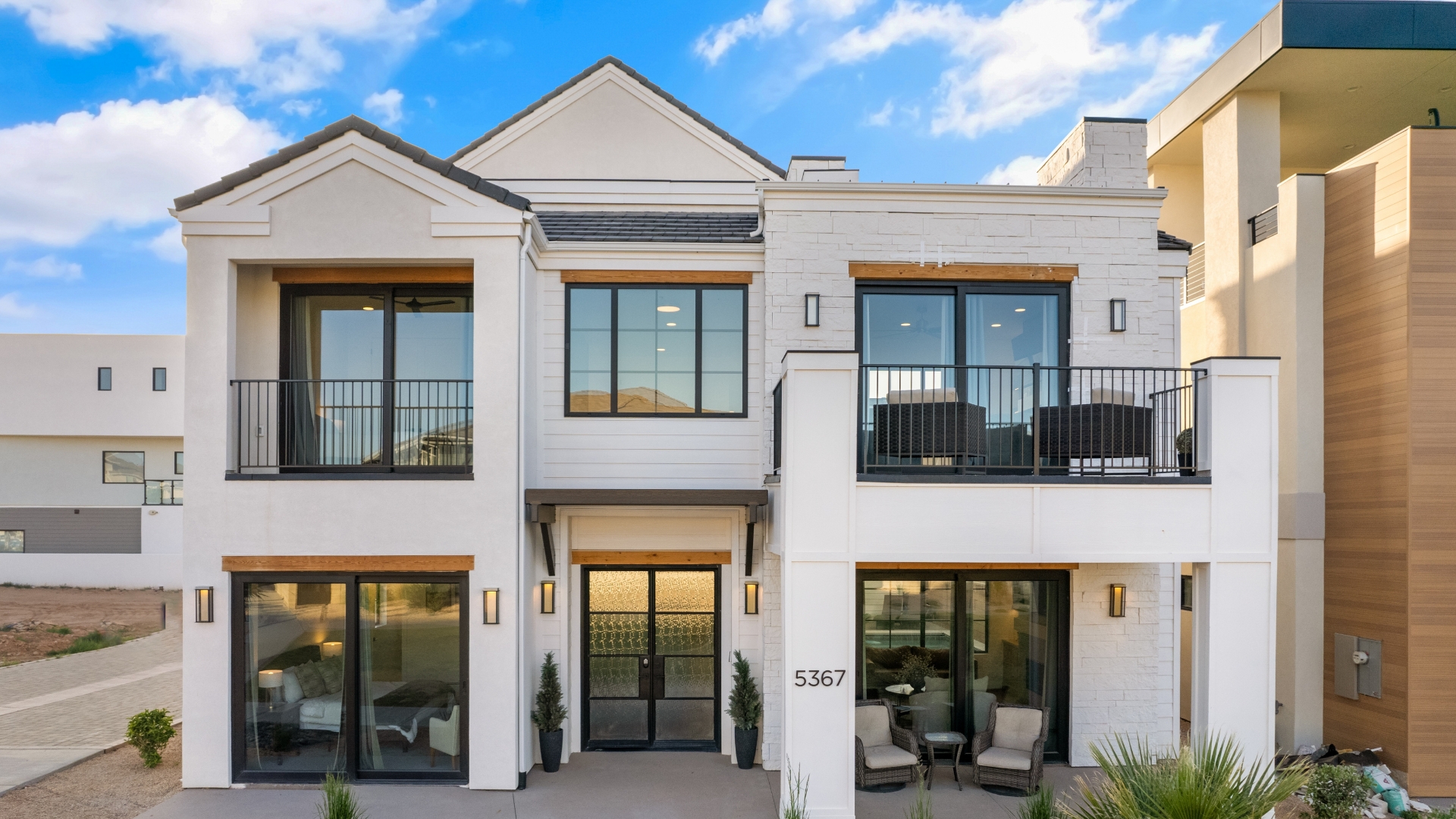
Co-Ownership in Practice In practice, co-ownership feels like having your own private getaway. Since you’re sharing the home with a small, vetted group of owners, there’s a shared sense of respect for the property. It’s not a revolving door of anonymous renters. You’ll find your favorite coffee mug in the cabinet and your kids’ board games in the closet. Scheduling your stays is done collaboratively among the owners, often through a simple and fair system. While some owners choose to rent out their unused time to help offset operating costs, the primary focus is on personal enjoyment and creating lasting memories in a space that truly feels like your own. You can see the types of beautiful homes that are perfect for this shared model.
The Fraxioned Model At Fraxioned, we handle the complexities so you can focus on relaxing. We help you find the right property and ownership group, and then we take care of all the details, from legal paperwork to professional property management. This includes everything from cleaning and maintenance to managing bills and scheduling. Our goal is to remove the typical hassles associated with owning a second home. Through the myFRAX Portal , owners can easily manage their stays, communicate with the property manager, and view expense reports. We provide a fully managed, transparent experience that makes owning a luxury vacation home simple and stress-free.
What is a Timeshare? When you think of shared vacation properties, the word "timeshare" is probably the first thing that comes to mind. It’s a model that’s been around for decades, often associated with large resorts in popular tourist destinations. At its core, a timeshare is a form of ownership where multiple people share the rights to use a property. However, the key word here is use .
Unlike owning a home, a timeshare typically gives you the right to vacation at a property for a specific period each year, usually one week. You’re essentially pre-paying for your future vacations at a specific location. You don't own a piece of the building or the land it sits on; you own a slice of time. This distinction is the most critical one to understand when comparing it to other models. While it can seem like an accessible way to secure a yearly vacation spot, the structure of the agreement comes with its own set of rules and limitations that are very different from actual property ownership. It’s less about owning a second home and more about buying into a vacation program.
How Timeshare Agreements Work When you sign a timeshare agreement, you are buying the right to use a vacation property for a short, specific amount of time each year. This is almost always one week. The agreement might be structured as a "fixed week," meaning you get the exact same week every single year. Or, it could be a "floating week," which allows you to reserve a week within a certain season, though your preferred dates aren't always guaranteed. The important thing to remember is that you don't own the property itself and therefore don't build any equity. You're purchasing time, not a tangible asset.
The fundamental difference between a timeshare and co-ownership comes down to what you actually own. In a timeshare, you buy the right to use a property. With co-ownership , you are buying a real, deeded share of the property itself. You are a true owner. This also affects the number of people involved. A single timeshare unit can have 52 different owners—one for each week of the year. Co-ownership, on the other hand, involves a small, intimate group of owners (typically 8-13) who share one home, making it feel much more like your own private getaway.
Comparing Usage Rights Flexibility is another major point of difference. With a timeshare, you are often locked into that same week or a limited set of weeks every year. Life changes, but your vacation schedule might not be able to change with it. Timeshare owners have very little control over scheduling beyond their allotted time and often face restrictions. Co-ownership is built for more flexibility. Scheduling is managed among a small group of owners, allowing you to book stays throughout the year based on availability. This gives you the freedom to plan both spontaneous weekend trips and longer family vacations.
Comparing the Costs: Co-Ownership vs. Timeshare When you’re looking at vacation properties, the price tag is always a major factor. Both co-ownership and timeshares present a more accessible price point than buying a second home outright, but how they structure their costs is worlds apart. Understanding these financial differences is key to deciding which path is right for you and your family. Let’s break down what you can expect to pay, both at the beginning and over the long term.
Upfront Costs With a timeshare, the initial price you pay often has little to do with the property's actual value. A large chunk of that cost—sometimes as much as 40% to 60%—goes directly toward covering the company's aggressive sales and marketing efforts. You’re essentially paying a premium for the sales pitch, not for a tangible piece of real estate.
Co-ownership works differently. The upfront cost is your share of the home's market value. You and a small group of other owners are buying the property together, so the price reflects its true worth. This is about acquiring a real asset, not just the right to use a space. By splitting the cost, you can own a piece of a beautiful, high-end home that might otherwise be out of reach.
Ongoing Expenses Every property comes with recurring costs, but how they’re managed varies greatly between these two models. Timeshare owners pay annual maintenance fees that often cover more than just upkeep. These fees can include profits for the resort developer and can increase without much warning or explanation. As an owner, you typically have very little say in how that money is spent, which can lead to frustrating and unpredictable expenses down the road.
In a co-ownership arrangement, the ongoing fees are transparent and directly cover the home's operating expenses. This includes property taxes, insurance, utilities, cleaning, and professional management. The costs are passed through to the owners without a markup, and everyone has visibility into the budget. It’s a straightforward system designed to simply maintain the home you all share and love.
Equity and Resale Value This is perhaps the most significant financial difference. When you buy into a co-ownership, you are purchasing real property. You own a deeded share of the asset, which means you build equity. If you decide to sell, you can list your share on the open market, just like you would a traditional home. Well-maintained properties in desirable locations often hold their value and can even appreciate over time.
Timeshares, on the other hand, are not a real estate investment. They are widely known for depreciating rapidly, and the resale market is practically nonexistent. Many owners find it impossible to sell their timeshares, sometimes resorting to paying companies to take the contract off their hands. With a timeshare, you’re buying vacation time; with co-ownership, you’re buying a valuable asset.
Booking and Flexibility: How Do They Compare? How you plan and use your vacation time is a huge factor when choosing a property. The experience of booking a spontaneous getaway versus being locked into the same week every year is worlds apart, and this is where co-ownership and timeshares really diverge. One offers the freedom you’d expect from owning a home, while the other operates on a much more rigid system. Let's look at how scheduling works for each to see which approach fits your lifestyle.
Scheduling Your Stays with Co-Ownership With co-ownership, you get the flexibility that comes with true ownership. Instead of being assigned a specific week, you and the other co-owners use a modern, equitable system to schedule your stays. Fraxioned’s myFRAX Portal is a perfect example of this. It allows you to book stays throughout the year, ensuring everyone gets fair access to holidays and peak seasons. Because you share the home with only a handful of other families, there’s far more availability. This means you can plan trips in advance or grab a last-minute opening, giving you the freedom to use your home when it works for you.
Understanding Timeshare Booking Rules Timeshare booking systems are typically much more restrictive. Many operate on a "fixed week" model, meaning you get the exact same week every year, whether it’s convenient or not. Others use a "floating week" system, but you’re often competing with dozens of other owners for desirable dates. Want to swap your week? It’s often a complicated process involving extra fees and third-party exchange companies, with no guarantee you’ll get the time you want. This lack of flexibility is a common frustration for timeshare owners who find their vacation options limited by a rigid system.
Which Model Offers More Flexibility? When it comes to flexibility, co-ownership is the clear winner. The entire model is built around providing the authentic experience of homeownership, which includes the freedom to use your property when you want. The co-ownership structure gives you more control not just over scheduling, but also over how the home is maintained. This extends to your exit strategy, too. A co-owned share is a real estate asset you can sell on the open market, giving you financial flexibility. Timeshares, on the other hand, are notoriously difficult to sell, often locking you into a commitment that’s hard to escape.
The Pros and Cons of Each Model Choosing between co-ownership and a timeshare comes down to understanding what you get with each model. Both offer access to a vacation property, but the ownership structure, costs, and long-term value are completely different. Let's look at the advantages and disadvantages of each so you can see which one aligns with your goals for a vacation home.
The Upside of Co-Ownership The biggest advantage of co-ownership is that you are buying a real estate asset, not just vacation time. With a co-ownership model , you purchase a deeded share of the property, which means you build equity just like you would with your primary home. As the property value appreciates, so does the value of your share. This approach gives you the feeling of a true home-away-from-home, complete with more control and a personal touch. Because you’re one of only a few owners, the property feels like your own private retreat, professionally managed for a seamless experience.
What to Consider with Co-Ownership While co-ownership is more accessible than buying a vacation home outright, it does require a larger upfront investment than a timeshare. You’ll also be responsible for your share of the home’s actual operating costs, which cover things like property taxes, insurance, and professional management. However, these fees are transparent—you can see exactly where your money is going to maintain and improve the property. This shared financial responsibility also tends to create a stable ownership group, as everyone is invested in the home’s long-term value. You can learn more about how monthly operating costs are managed.
The Upside of Timeshares Timeshares appeal to people who want to secure vacation time without the responsibilities of homeownership. The main draw is a lower upfront cost compared to buying a whole or fractional property. You are essentially pre-paying for the right to use a property, often a condo-style unit in a large resort, for a set period each year—usually one week. The booking process is often handled by a large management company, which can make planning feel straightforward. For those who prefer a resort environment and don't see their vacation spot as a financial asset, a timeshare can seem like a simple solution.
Common Timeshare Downsides The most significant drawback of a timeshare is that it’s not a real estate investment and typically loses value over time. A large percentage of the initial price—sometimes up to 60%—goes toward sales and marketing costs, not the property itself. This is a key reason why timeshares are notoriously difficult to sell , with many owners unable to find a buyer or having to sell for pennies on the dollar. Unlike co-ownership, where you own a tangible piece of property, a timeshare is simply a right-to-use product that depreciates quickly, much like a car.
How is the Property Managed? When you’re not at your vacation home, you want peace of mind knowing it’s being well cared for. The management structure is one of the most significant differences between co-ownership and timeshares, directly impacting your experience, costs, and control over the property. While both models typically involve a management company, the relationship between that company and the owners is worlds apart.
In a co-ownership model , the management company works for the owners. Think of it as a partnership. The company handles all the hands-on work—like cleaning, landscaping, and repairs—so you can simply arrive and relax. But the big decisions remain with you and your fellow owners. This setup ensures the property is maintained to the standards of the people who love it most: the owners themselves.
Who Manages a Co-Owned Property? In a co-ownership arrangement, a dedicated property management company is hired by the owners to handle the day-to-day upkeep. Because there's a small, consistent group of owners for a single home, there’s a shared sense of pride and responsibility. Everyone is invested in keeping the home in pristine condition.
This approach combines the best of both worlds. You get the professional, hassle-free service that takes care of everything from stocking the pantry to fixing a leaky faucet, but you don't give up your authority. The management company reports to the owner group, ensuring transparency and alignment with your expectations for the home.
Management in a Timeshare Model Timeshare properties are managed very differently. A single, large management company typically runs the entire resort or complex, which can include hundreds of units and thousands of members. With so many people cycling through a property each year—often 52 different occupants per unit—it’s hard to maintain a true sense of home. The property can feel more like a hotel than a personal retreat.
This large-scale operation means management is less personal. The company's primary goal is to manage a massive portfolio, and individual owner preferences often take a backseat. The sheer number of "owners" means there's little personal connection to the property, which can sometimes be reflected in its overall condition and care.
Your Level of Control and Input Your level of influence as an owner is where the two models truly diverge. With co-ownership, you have a real voice. Owners collectively have control over major decisions, including the budget for maintenance and upgrades. If the management company isn't meeting your standards or you feel the fees are too high, the owner group has the power to find a new one. You can find more details on how this works in our FAQ section .
In a timeshare, you generally have little to no say in how the property is managed. The management company operates independently, setting maintenance fees and making decisions about renovations without needing your approval. This lack of control can be a major point of frustration, as you're often locked into paying for services and fees you have no influence over.
Which Option Provides Better Long-Term Value? When you’re thinking about a vacation home, you’re probably picturing morning coffee on the porch and evenings spent with family, not spreadsheets and financial statements. And that’s exactly how it should be. But taking a moment to understand the long-term financial picture is what ensures your special place remains a source of joy, not a source of stress down the road. It’s about making a smart choice today so you can focus on making memories for years to come.
The financial structures of co-ownership and timeshares are fundamentally different, and those differences have a huge impact on the overall value you get. With one, you’re buying a tangible piece of property; with the other, you’re essentially pre-paying for vacation time. This distinction affects everything from the potential for your property to gain value to how easily you can sell it if your life plans change. Let’s break down what your money is actually doing in each scenario, so you can feel confident in your decision and get back to dreaming about those mountain views.
Potential for Appreciation With co-ownership , you are buying a deeded share of the property. It’s a real asset, just like your primary home. Because you own a piece of the real estate, you stand to benefit if the property's value goes up over time. Well-maintained homes in desirable locations tend to appreciate, and as an owner, you have a say in how the property is cared for, helping protect its value.
A timeshare, on the other hand, typically gives you the right to use the property, but not true ownership of the asset itself. You're buying time, not equity. Because of this structure, timeshares rarely gain value and often lose a significant portion of their purchase price immediately. Your share in a co-owned home is a tangible asset that can grow, while a timeshare is more like a long-term vacation prepayment.
Selling Your Share: Exit Strategies Life happens, and your vacation needs might change. When it’s time to move on, your ability to sell is a critical factor. Selling your share of a co-owned property is a straightforward process because its value is tied to the home's current market price. You can sell your share on the open market, just like any other piece of real estate. Often, the other co-owners have the first option to buy, which can make for a quick and simple sale.
Selling a timeshare is notoriously difficult. The resale market is flooded with listings, and many have little to no value. Some owners find it impossible to sell and even resort to paying companies to take the timeshare off their hands to escape the annual fees. With co-ownership, you have a clear exit strategy and a real asset to sell, giving you much more flexibility and control.
Calculating the Total Cost of Ownership Understanding the full cost is about more than just the initial price. With co-ownership, the ongoing fees are transparent and go directly toward the actual costs of running the home—things like property taxes, insurance, utilities, and professional management. As an owner, you have visibility into the budget and a voice in how funds are used. You can find more details about these costs in our FAQ .
Timeshare maintenance fees are a different story. They often include profits for the resort developer and can increase unpredictably year after year, with owners having little say in the matter. A large portion of a timeshare's initial price—sometimes up to 60%—also covers marketing and sales commissions, not the property's intrinsic value. This is a major reason why they are so difficult to resell later.
Red Flags to Watch For When you’re exploring options for a vacation home, doing your homework is the best way to protect your time and money. Understanding the fine print helps you spot a great opportunity and steer clear of a bad one. A transparent company will make it easy for you to find answers, while a complicated or high-pressure process should make you pause. Think of it as gathering all the pieces of a puzzle before you start putting it together. A clear picture of ownership rules, costs, and exit strategies from the very beginning ensures you’re making a choice that truly fits your family’s goals for years to come.
What to Look for in a Co-Ownership Agreement A solid co-ownership agreement is your roadmap for a smooth ownership experience. It should be straightforward and answer all your questions without needing a lawyer to translate it. Look for an agreement that clearly outlines scheduling systems, how maintenance and repairs are handled, and what the process is for selling your share down the road. A key feature of a healthy co-ownership model is owner control. You and the other owners should have a say in how the property is managed and the ability to make changes if a management company isn’t meeting your expectations. This structure fosters a true sense of shared ownership among a small group of people who love and use the home.
Avoiding Common Timeshare Traps Timeshares often come with high-pressure sales presentations and promises that don't always hold up. A major red flag is a price that seems disconnected from the property's actual market value. In many timeshare models, a huge portion of the cost—sometimes up to 60%—goes directly to marketing, not into the property itself. This makes it incredibly difficult to resell later. Many owners find their timeshares have little to no resale value and get stuck with escalating annual maintenance fees for a property they can't get rid of. The Federal Trade Commission even has warnings about the difficulties of canceling a timeshare contract , so be wary of any deal that feels rushed or too good to be true.
How to Do Your Homework on Any Property Before you commit to any property, dig into the details. Start by researching its true market value to ensure the price you’re paying is fair. With co-ownership, the purchase price is directly tied to the home’s value, not inflated by marketing costs. Next, look into the property management company. Are they reputable? Do they have a good track record for maintaining homes to a high standard? Finally, understand your exit strategy. Unlike a timeshare, a co-owned property is a real estate asset. You should have a clear and simple path to sell your share whenever you choose, just like you would with a traditional home, and benefit if the property has appreciated in value.
Which Vacation Model Fits Your Lifestyle? Choosing between co-ownership and a timeshare comes down to what you truly want from your getaways. It’s not just about finding a place to stay; it’s about creating the right kind of vacation experience for you and your family for years to come. Are you looking for a true home away from home, a place that feels like your own? Or do you prefer the amenities and structure of a resort? Answering these questions honestly will point you in the right direction. Think about your long-term goals, your budget, and how you envision spending your precious time off. This decision shapes not just your vacations, but also your financial future and sense of ownership.
Consider Your Vacation Style Do you dream of returning to a familiar, personal space where your favorite coffee mugs are waiting in the cupboard? If so, co-ownership might be your perfect match. It’s about owning a share of a private home, giving you that comforting feeling of arrival every time you visit. You get the privacy and unique character of a real house. On the other hand, if you enjoy the bustling environment of a large resort with on-site restaurants, daily housekeeping, and planned activities, a timeshare could be more your speed. A timeshare gives you the right to use a unit within a larger complex, offering a more standardized, hotel-like experience. It’s less about creating a personal retreat and more about accessing resort amenities.
Evaluate Your Financial Picture Your financial approach to vacations plays a huge role here. With co-ownership, you are buying a real estate asset. You receive a deeded share of the property, which means you own a piece of the home itself. This share can be sold or passed down to family, and it has the potential to appreciate in value along with the property. A timeshare is different; you’re typically buying the right to use the property for a set amount of time each year. It’s more of a prepaid vacation plan than a property purchase. While there are options for financing both, co-ownership is fundamentally about building equity in a tangible asset, whereas a timeshare is an ongoing vacation expense.
A Simple Framework for Making Your Decision To simplify your choice, ask yourself one key question: Do I want to own a piece of a home, or do I just want to prepay for my vacation time? If the pride of ownership, the potential for building equity, and having a say in your property are important to you, co-ownership is the clear winner. You can browse real listings and see the kind of beautiful, private homes you could actually own. If you’re simply looking for a straightforward way to lock in vacation time at a resort and aren’t concerned with owning an asset, a timeshare might suffice. Consider what feels right for your family’s future and the kind of memories you want to create.
Related Articles Frequently Asked Questions What happens if my plans change and I need to sell my share ? Selling your share in a co-owned home is a straightforward process because you own a real asset. You can sell it on the open market at its current value, just as you would a traditional property. We find that often, one of the other co-owners is interested in purchasing the share, which can make for a very simple transition. This provides a clear and flexible exit strategy, which is a world away from the experience of trying to sell a timeshare that has lost its value.
Can I rent out my time if I can't use it all? Yes, you have the flexibility to rent out some of your scheduled time. Many owners choose to do this to help offset the home's annual operating costs, like property taxes and utilities. However, the primary purpose of the home is for the enjoyment of the owners. It’s designed to be a personal retreat for you and your family, not a full-time rental property generating passive income.
Are the monthly operating costs fixed, or can they change? The monthly fees cover the actual costs of running and maintaining the home, so they are not fixed. These expenses include things like property taxes, insurance, utilities, and professional management, which can fluctuate from year to year. The key difference is that all costs are passed through to the owners transparently, without any markup. You have full visibility into the budget and a say in how your money is spent to care for the property you co-own.
How do you make sure scheduling is fair for everyone, especially on holidays? Scheduling is managed through an equitable system that ensures every owner gets fair access to the home throughout the year, including popular holidays and peak seasons. Our myFRAX Portal uses a rotating priority system for booking, so the person who gets first choice for Christmas one year won't have it the next. Because you're sharing with a small group of owners, there is far more availability and flexibility than you would find in a typical timeshare system.
What if one of the other owners isn't respectful of the home? This is a common concern, and it's addressed in a few ways. First, the home is professionally managed, which includes thorough cleaning and inspections after every stay. Any damage is documented and addressed immediately. The ownership agreement also outlines rules and responsibilities for all owners. Ultimately, because everyone is a true owner with a financial stake in the property's value, there is a powerful, shared incentive to keep the home in beautiful condition.