Buying a timeshare often begins with a free lunch and ends with a lifelong financial obligation. While sales presentations promise a cheap way to secure family vacations, the actual long-term expenses tell a different story.
See how true equity co-ownership could fit your family before you sign anything.
Knowing how much is a timeshare begins with a typical developer purchase price of $24,170, which is only the starting point of your actual costs. The Federal Trade Commission reports that owners must also pay annual maintenance fees that average between $1,000 and $1,500 each year. On top of those yearly fees, you must pay closing costs, high interest loans, and mandatory annual club dues. Because these contracts lose value quickly and are hard to sell, buyers rarely get their money back when they want to leave. In contrast, true equity co-ownership lets you own a share of a real luxury home while building potential value for your family over time.
Before you sign any papers, you need to know the full financial cost and how these long-term expenses can impact your family budget over time. We will start by exploring How Much Is a Timeshare, Really? to uncover the true cost of these properties, and the path begins with
How Much Is a Timeshare, Really? Buying a timeshare from a developer costs about $24,170 on average, plus $300 to $500 for closing fees. But the true cost of timeshares is much higher when you add ongoing annual fees and factor in a very low resale value.
Developer purchase prices The main cost of a timeshare is the upfront price you pay to a resort developer. If you are wondering how much is a timeshare , the upfront price is only the first step. According to published data, the average buy price for a timeshare directly from a developer is about $24,170 .
This figure represents a typical range, as luxury spots or busy weeks can cost much more. For example, peak summer weeks in a busy beach town will cost far more than a winter week in a mountain resort. Developers often offer free gifts or dinner vouchers to get you to sit through a high-pressure sales pitch. These marketing costs are built directly into the final buy price, making the entry fee much higher than it needs to be.
Closing and setup costs When you sign the contract, you will face other upfront fees that are not part of the base price. Closing costs for buying a timeshare often range from $300 to $500 on top of the initial buy price. These fees cover paperwork, title searches, and other resort setup tasks. While these fees seem small compared to the main price, they must be paid in cash at the time of sale.
Upfront financing and loans Most buyers do not have $24,000 in cash ready to spend on a vacation plan. Resorts often offer in-house loans to help you buy the share. But these loans come with very high interest rates, often ranging from 17.9% to 20% APR. This means you end up paying thousands of dollars extra over the life of the loan.
The resale value trap Many buyers think of their timeshare as a real estate asset that they can sell later. In truth, resale values are usually much lower than what you pay the developer because there is too much inventory on the market. Because of this massive supply, many owners struggle to even give their shares away for free.
Unlike real estate, a timeshare is not an asset that gains value over time. The second you sign the contract, the value of your share drops. If you look at online sites, you will see owners listing their timeshares for as little as one dollar just to escape the ongoing fee burden. This makes it crucial to research timeshare ownership costs before signing any contract.
What Fees Do Timeshare Owners Pay Every Year? Timeshare owners must pay yearly maintenance fees that often average between $1,000 and $1,500. On top of this, you may face ongoing costs for property taxes, yearly club dues, and monthly loan payments. To fully see timeshare ownership costs , you must look beyond the buy price to these recurring fees. Knowing how much is a timeshare means looking at the total bill each year.
Annual maintenance fees Each year, resorts charge a fee to manage the property. This cost is required, and you must pay it even if you do not visit the resort that year. According to the Federal Trade Commission , these annual fees often average between $1,000 and $1,500. They pay for things like lawn care, cleaning, and pool upkeep.
These fees do not stay the same over time. According to the Maryland Attorney General , maintenance fees tend to rise each year. This means your yearly bill will likely grow each year you own the unit. Over ten years, these rising fees will add thousands of dollars to your total costs.
Yearly mortgage and tax costs Many buyers do not pay for their timeshare in full at the start. If you finance the buy, you must pay a monthly mortgage. This is a major part of planning your monthly budget. These loans often carry high interest rates that make the unit far more expensive over time. The loan payment can last for years and adds a steady cost to your budget.
Deeded timeshares also require you to pay local property taxes. Even if you pay off your loan, you still owe these taxes to the local town. These taxes are billed on top of your yearly maintenance fees. Together, these costs create a lasting financial burden that you must pay every single year.
Exchange company membership costs Most owners want to visit other places rather than the same resort every year. To do this, you must join an exchange company. These networks allow you to trade your week for a stay at a different property. This gives you more choices for your family trips. But these services are not free.
You must pay yearly membership fees to stay active in these exchange networks. Every time you swap your week, you also pay a booking fee. These extra costs can add hundreds of dollars to your annual travel budget. When planning your trips, you must count these exchange fees as part of your ongoing timeshare costs.
What Hidden Costs Do Timeshare Owners Face? A timeshare sales pitch focuses heavily on the retail sticker price. But when looking at the true cost of timeshares , the upfront purchase price is just the beginning. Deeded timeshares force you to pay a monthly mortgage unless you pay in full at the start. These loans also come with high interest rates, as noted by the Maryland Attorney General . You must also budget for closing costs and exchange-company fees that keep adding up year after year.
High-interest financing and closing fees Buying a timeshare directly from a resort is rarely paid in cash. Most buyers use financing to cover the purchase, but this path is highly expensive. Published ranges show that timeshare loans often carry high interest rates of roughly 17.9% to 20% APR. Because these are personal loans rather than standard home mortgages, the rates stay very high. Over a ten-year term, these interest payments can easily double your total cost.
On top of the mortgage, you must pay closing costs when you buy. These initial fees typically range from $300 to $500, according to the Maryland Attorney General . These costs cover the paperwork and deed filing for your unit. While a few hundred dollars may seem small, it is another upfront cash expense. You must pay this before you can even book your first stay.
The cost of exchange memberships and scheduling Many timeshare buyers believe they can easily swap their week for a stay in another city. But to do this, you must join an exchange company. These networks are not free. You must pay annual membership fees on top of your standard timeshare costs. Once you are a member, you also pay a transaction fee every time you request a swap. If your trade does not go through, you may still lose those credits.
These fees are a key part of timeshare ownership costs . If you do not pay the exchange fees, you are locked into your single home and week. This means you lose the freedom the sales pitch promised. When you add up the membership dues and booking fees, swapping your vacation dates becomes a major yearly expense.
Unplanned assessments and exit expenses Even after you pay your regular fees, you can face sudden bills called special assessments. If a storm damages the resort or the pool needs a major rebuild, the board can charge all owners to cover the work. These bills are required and can range from hundreds to thousands of dollars. You have no say in when they occur, but you must pay them to keep your membership active.
If these rising costs make you want to walk away, exiting is not easy. Selling a timeshare on the resale market is very hard. If you try to give it back to the developer or use an exit firm, you will face high transfer and paperwork fees. Because of these traps, smart buyers often look for alternatives to expensive timeshares that offer true value instead of endless fees.
A Complete Timeshare Cost Breakdown Knowing the true cost of timeshares before you buy helps you avoid long term debt. Buying a timeshare involves high upfront costs, rising yearly fees, and almost no resale value.
Upfront Costs of Buying a Timeshare If you are looking at understanding how much a timeshare costs , you must start with the starting price. The average purchase cost of a timeshare from a developer is about $24,170 according to the Federal Trade Commission . You will also need to pay closing fees. These closing fees often run from $300 to $500 when you sign the contract.
Many buyers do not pay cash up front. Instead, they take out a loan from the developer. This loan requires a down payment, which can add thousands of dollars to your first costs. You should think about these costs before you buy.
Ongoing and Annual Fees Once you buy, the costs do not stop. You must pay required annual maintenance fees. These fees average between $1,000 and $1,500 per year. The Maryland Attorney General warns that these fees rise each year.
You must pay these fees even if you do not use your unit. Also, deeded timeshares often require a monthly mortgage payment. You must also pay property taxes and fees to swap resorts.
You may also face special assessments. These are one-time fees for big repairs or upgrades. If a storm damages the resort, owners must split the cost. These unexpected fees can break your budget.
The Real Cost of Resale and Financing Funding a timeshare through a developer is costly. Loan rates can run from 17.9% to 20% APR. This makes the total loan amount much higher over time.
If you decide to sell later, the resale value is often much lower than the purchase price. There is a huge supply of used units on the market. Most owners cannot recover their initial costs.
Many owners try to give away their timeshares for free online just to escape the yearly fees. But finding a buyer is hard.
To see how these expenses add up, review the cost breakdown below. All figures are based on published ranges.
Cost Line Item Typical Range Financial Reality Initial Purchase Average of $24,170 Developer prices are high but you can buy for less on resale. Closing Costs $300 to $500 Due at the time of purchase in addition to the sales price. Maintenance Fees $1,000 to $1,500 per year These mandatory fees tend to rise each year. Financing APR 17.9% to 20% APR Developer loans have high rates that increase total costs. Exchange Fees $100 to $300 annually Paid to trading networks if you want to swap your week. Resale Value Minimal (Loss of value) Values are lower than buying price due to high inventory.
Is a Timeshare Actually Worth the Cost? Does a timeshare offer real value? The answer depends on how often you travel and if you want to build wealth. While these plans give you a sure place to stay, they do not grow in value and they carry rising lifetime fees.
Usage and lifestyle value To make the math work, you must use your unit every year. If you skip a year, you still have to pay for it. Many people buy a timeshare because they want a steady spot for family trips, but plans change.
You might get tired of the same resort, or your kids might grow up and travel less. Before you look at timeshare ownership costs , ask if you will use the space enough to make the price worth it.
If you do not travel to the same place each year, a timeshare can feel like a trap. Some plans let you swap points for other locations, but these trades often cost extra money. If you end up booking a hotel instead, you are paying twice for one trip.
Resale market facts A major drawback of timeshares is their poor resale value. Unlike real estate, a timeshare does not gain value over time. The Maryland Attorney General warns that resale values are usually lower than the first price. This drop happens because there is too much inventory on the market at all times.
Because of this, you should not view a timeshare as a way to make money. You cannot buy a timeshare today and hope to sell it for a profit later. Many owners even give their shares away for free just to stop paying the fees. Before you buy, understanding how much a timeshare costs in the long run can save you from a major loss.
The cost of yearly maintenance fees Another key detail to watch is the ongoing cost of upkeep. Once you buy a timeshare, you must pay maintenance fees. These fees are mandatory and they tend to rise each year even if you never use the unit. This means your costs will go up even if you do not visit the resort.
These rising fees can quickly make a timeshare feel like a burden rather than a benefit. Over ten or twenty years, the total money spent on fees can easily exceed what you first paid. When you sum up these costs, it becomes clear that timeshares are rarely worth the expense.
Before you commit to a timeshare, you should think about your long term travel goals. Ask yourself these simple questions to see if this purchase is a good fit for your family:
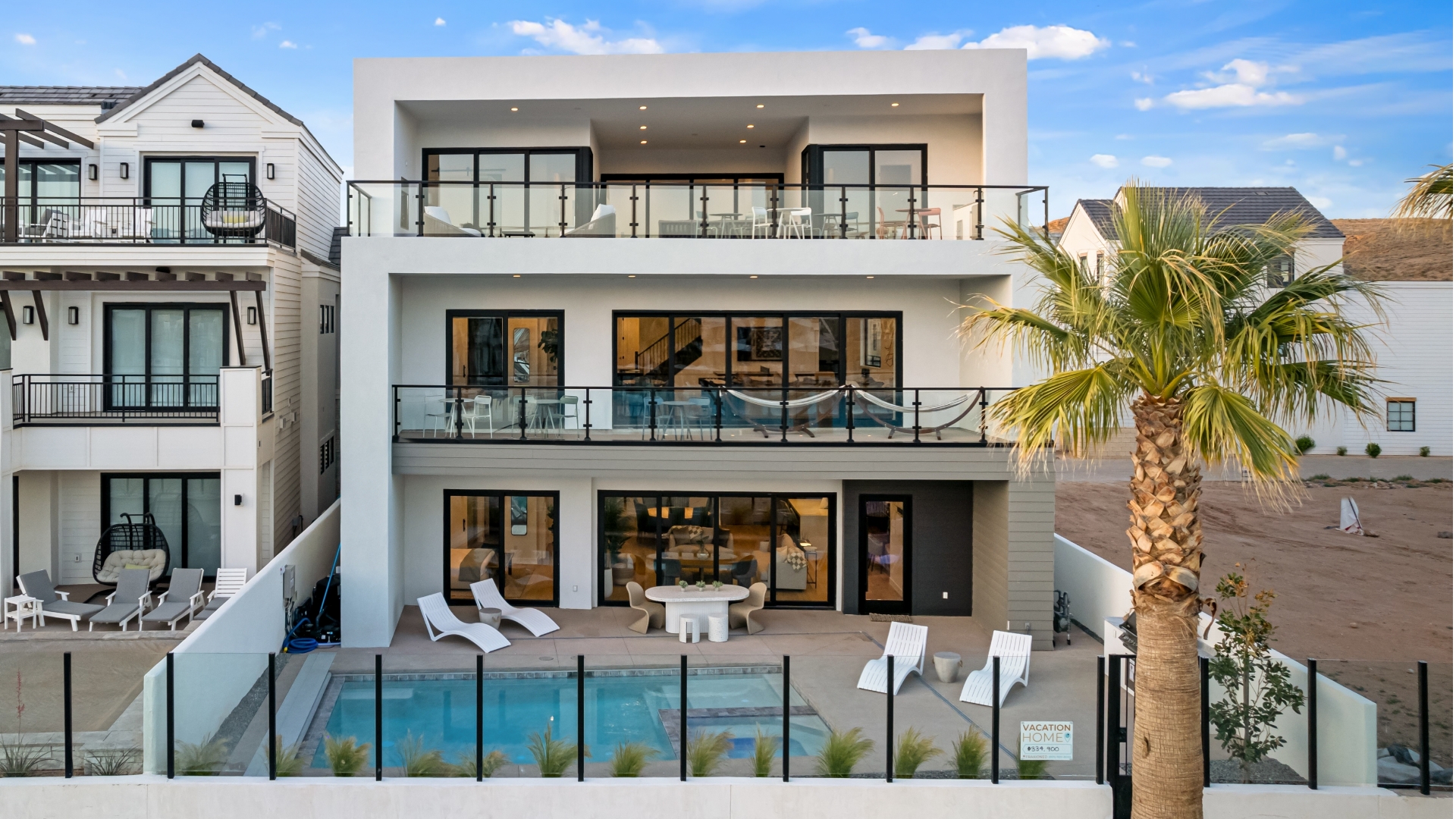
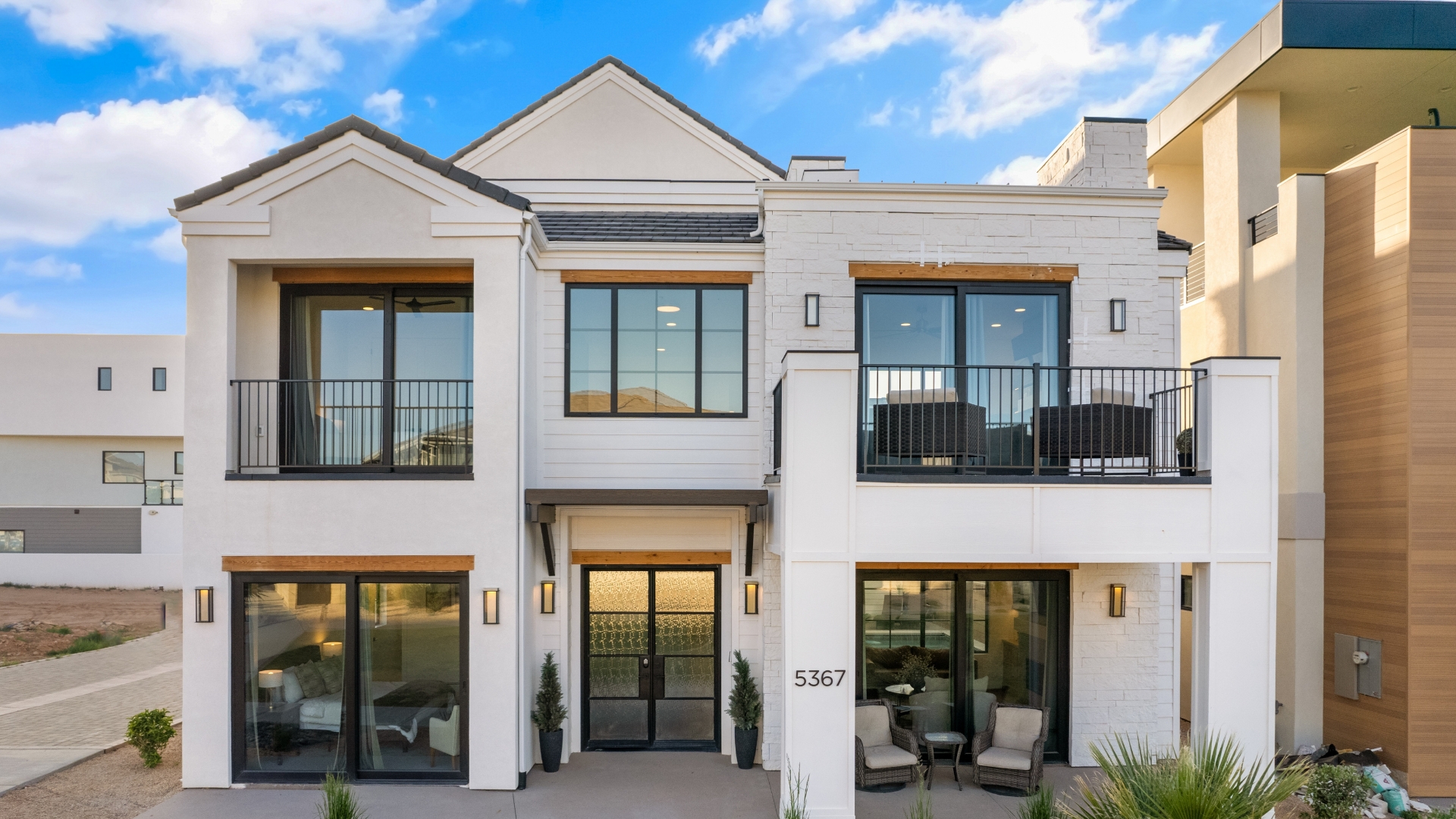
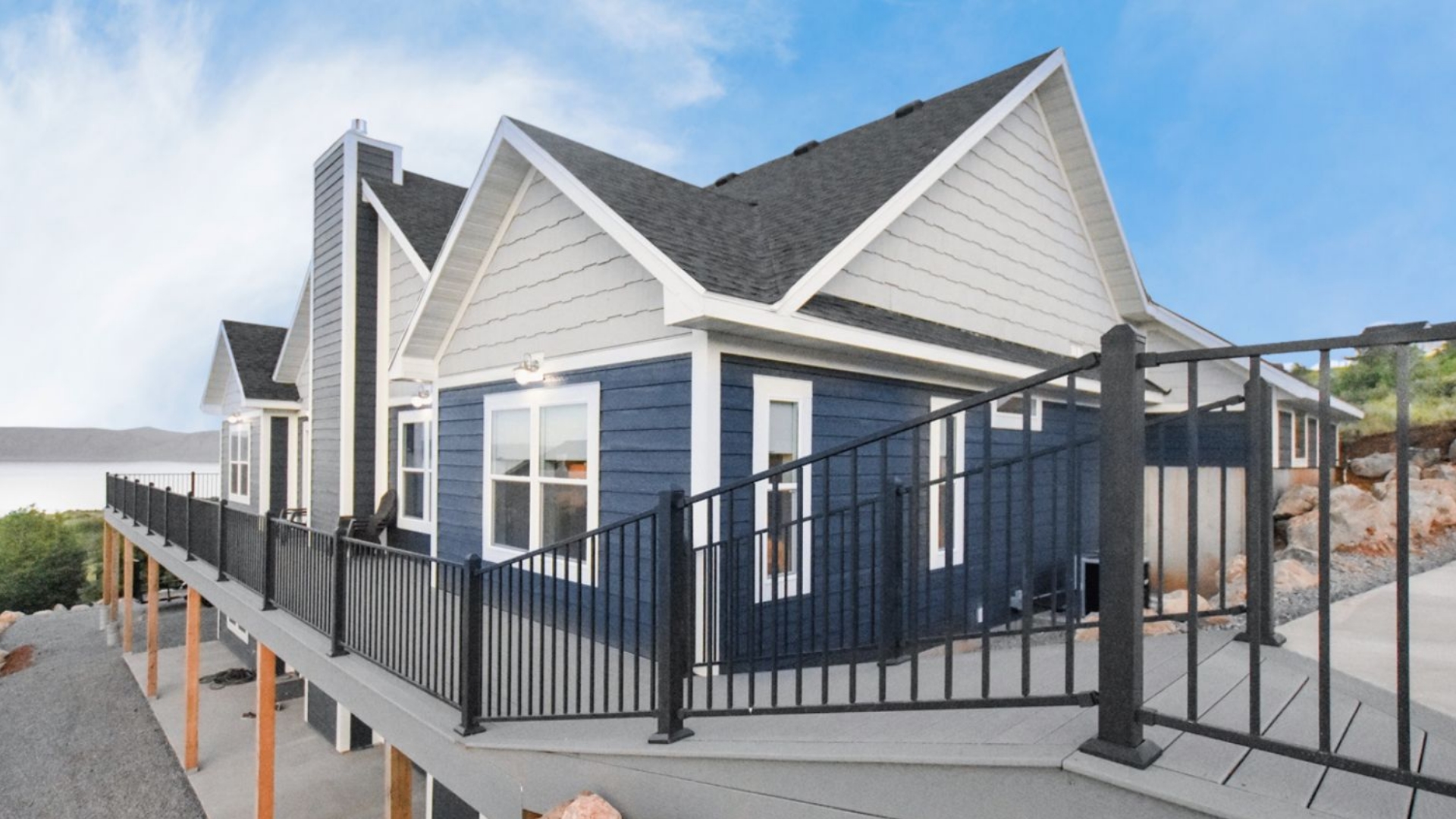
Will my family really vacation at the same resort every single year? Can I afford fees that will rise every year for the rest of my life? Am I okay with paying for a vacation property that does not build equity? How Does a Timeshare Compare to Fractional Co-Ownership? While a timeshare offers a right to use a resort room, fractional co-ownership gives you deeded equity in a real luxury home. Looking at the cost of a timeshare vs co-ownership shows that co-ownership provides real asset value, while timeshares often lose their worth right away.
Equity Assets vs. Depreciating Fees To start, buyers can gain a clear view of asset value by understanding how much a timeshare costs over time. If you ask how much is a timeshare, the average price is $24,170 directly from a developer , but that money does not buy real estate. Instead, a timeshare is a right to use time at a resort, and its resale value is often much lower than what you paid.
According to state reports, timeshare resale values are often lower than the purchase price because of massive market supply. In contrast, fractional co-ownership gives you true deeded equity in a specific home. Since you own a share of a real property, you gain potential property appreciation if the home rises in value over the years. This model differs from the certain depreciation of a timeshare.
Comparing Purchase Prices and Annual Dues When you weigh timeshare ownership costs against co-ownership, the upfront fees and yearly dues tell a clear story. Fractional shares in luxury homes start as low as $72,250. This fee gives you high-end finishes, professional management, and full comfort, which shows high value compared to resort room fees.
With co-ownership, annual dues range from $3,000 to $8,000 per share. These dues cover all running costs, maintenance, and care, which is much cheaper than sole home ownership fees. This payment also secures 28 to 45 or more nights of annual usage depending on the size of your share.
Usage Flexibility and Offset Costs It is good to know that these homes are not passive investment plans or rental yield options. The homes are rented only to offset your ongoing running costs when you do not use them. This approach keeps the focus on creating a lasting gathering place for your family.
A Smarter Choice for Family Travel In the end, choosing between these paths depends on what you want from your vacation spend. If you want a real asset you can share with your favorite people, co-ownership makes sense. It turns your vacation spend into a physical, shared home you can enjoy for years.
Many families find that standard options do not offer enough space or luxury for their group. By focusing on true equity, you can build lasting family memories in a premium space without the full cost of sole home ownership. This approach lets you enjoy your vacation time in a place that feels like your own.
Explore co-ownership and available luxury listings when you are ready to compare options.
Frequently Asked Questions How much is a timeshare on average? According to the Federal Trade Commission (FTC) , the average upfront price for a timeshare bought from a developer is about $24,170. This fee only covers the right to use the unit. Buyers must also pay closing costs and yearly upkeep fees, which can quickly add up over time.
Do timeshare maintenance fees increase over time? Yes, yearly upkeep fees are required and usually rise every year. A report from the Maryland Attorney General warns that these costs go up even if you do not use your unit. Along with these fees, owners must often pay for property taxes, mortgage interest, and exchange club dues.
What are the closing costs for a timeshare? When buying a timeshare, you must pay closing fees on top of the main price. According to the Maryland Attorney General , these closing costs usually run from $300 to $500. This money pays for paperwork, transfer taxes, and other setup fees needed to finish your purchase.
Can I resell a timeshare to get my money back? No, it is very hard to get your costs back through resale. The Maryland Attorney General notes that resale prices are usually much lower than the first purchase price. Since there are so many other units on the market, timeshares rarely keep their value.
Ready to Own a Real Share of Your Favorite Place If you are tired of paying high fees for a timeshare you may never use, consider how co-ownership gives you a real share of a luxury home instead. Fraxioned lets you own true deeded equity in a fully furnished. Professionally managed vacation home with 28 to 45 or more nights of annual use, without the full cost and upkeep of sole ownership.
Your favorite place, with your favorite people. Explore how co-ownership works and view available listings to see if a shared luxury home is the right fit for your family.
Get started on a vacation home your family can truly own today.