Let's be honest, timeshares don't always have the best reputation. You might have heard stories about high-pressure sales and properties that are difficult to resell. That's why it's so important to understand that not all shared vacation properties are the same. Private residence clubs, or PRCs, offer a completely different approach rooted in true property ownership. The 'private residence club vs timeshare' debate is really about comparing two distinct models: one where you own a tangible asset and another where you simply pre-pay for vacation time. We’ll explore what that means for your experience, flexibility, and peace of mind.
Key Takeaways You own the property, not just the time : A Private Residence Club gives you a deeded share of the home, a tangible asset you can sell or pass down. In contrast, a timeshare typically grants you only the right to use a unit for a set period.Choose the vacation style that fits you : PRCs deliver a private, luxury home experience with personalized services and more scheduling freedom. Timeshares provide a more structured, resort-style vacation, often with a fixed week and shared amenities.Consider your exit strategy from the start : A PRC share is a real estate asset that can be sold on the open market, similar to a traditional home. A timeshare is a prepaid use-right that is notoriously difficult to resell, often resulting in a financial loss.What is a Private Residence Club? Think of a Private Residence Club, or PRC, as the perfect blend of a five-star hotel and your own private vacation home. It’s a model that gives you all the comforts and pride of homeownership combined with the high-end services and amenities you’d expect from a luxury resort. Instead of one person shouldering the entire cost and responsibility of a premium property, a small group of owners shares the expense and the enjoyment.
This approach makes owning a beautiful vacation home in a sought-after destination much more attainable. The core idea is simple: you pay for the time you actually use the home. This isn't just about finding a place to stay; it's about having a true home base for creating memories, year after year. The co-ownership model is designed for those who want the authentic experience of a second home without the traditional headaches and financial strain. You get a professionally managed, impeccably maintained property waiting for you whenever it’s your turn to visit.
How They Work The mechanics of a Private Residence Club are straightforward. A handful of owners collectively purchase a luxury vacation home, sharing the purchase price and ongoing operational costs like maintenance, property taxes, and insurance. This fractional ownership structure means you can enjoy a multi-million dollar home for a fraction of the cost. When it comes to scheduling your stays, PRCs offer a few different options to ensure fair access for everyone, such as fixed weeks each year or a more flexible floating system that lets you reserve time in advance. It’s a practical system that gives you guaranteed vacation time in one of our stunning listings without the year-round burden of an empty house.
Understanding the Ownership and Perks One of the most important things to understand about a Private Residence Club is that you are buying real property. Unlike other vacation models, you receive a deeded interest in the home, meaning you own a legal share of the asset. This is your property. You can sell it, transfer it, or pass it down to your family. Beyond the financial sense it makes, the perks are what truly define the PRC experience. You get to enjoy a luxury home with premium amenities, often including services like a dedicated concierge to help plan your activities, housekeeping, and year-round property management. You can find more answers to common questions on our FAQ page .
And What's a Timeshare? You’ve likely heard of timeshares, but the details can sometimes be a bit fuzzy. They are a common way people secure vacation time, but they operate very differently from owning a home. Let's break down what they are and what you get.
How They Operate Think of a timeshare as pre-paying for your vacation time. Typically, it gives you access to a property, often a condo or resort unit, for a specific period each year, usually just one week. The initial cost is much lower than buying a vacation home outright, which is a big part of the appeal. However, this model doesn't involve building equity or owning a tangible asset. It’s a system designed for those who want a predictable, short getaway each year and aren't focused on property ownership. You'll also find there are ongoing maintenance fees to consider, and reselling a timeshare can be notoriously difficult.
Usage Rights vs. True Ownership This is the most important distinction to understand. With a timeshare, you are buying the right to use a property, not the property itself. You don’t actually own any part of the real estate. It’s more like pre-booking the same hotel room for one week every year. This is fundamentally different from co-ownership , where you purchase a real, deeded share of the property. In a timeshare, you have no say in what happens to the property, you can't make changes, and you don't benefit if its value increases. You simply have access for your allotted time slot.
Private Residence Club vs. Timeshare: The Key Differences On the surface, Private Residence Clubs (PRCs) and timeshares might seem similar. Both offer a way to enjoy a vacation property without buying it outright. But when you look closer, they are worlds apart, especially when it comes to ownership, quality, and your overall experience. Understanding these differences is the key to finding the right fit for your family’s vacation goals. Think of it as the difference between owning a share of a private luxury car versus leasing a standard model for one week a year. Let’s break down what truly sets them apart.
Ownership Structure This is the most important distinction. With a PRC, you are buying real property. You get a deeded interest in the home, which means you own a physical, fractional share of the asset. This is true co-ownership , and just like any other real estate, your share can be sold or passed down to your family. A timeshare, however, typically only gives you the right to use a property for a set amount of time each year. You don’t own any part of the actual real estate; you’re essentially pre-paying for vacation time in a resort-style unit.
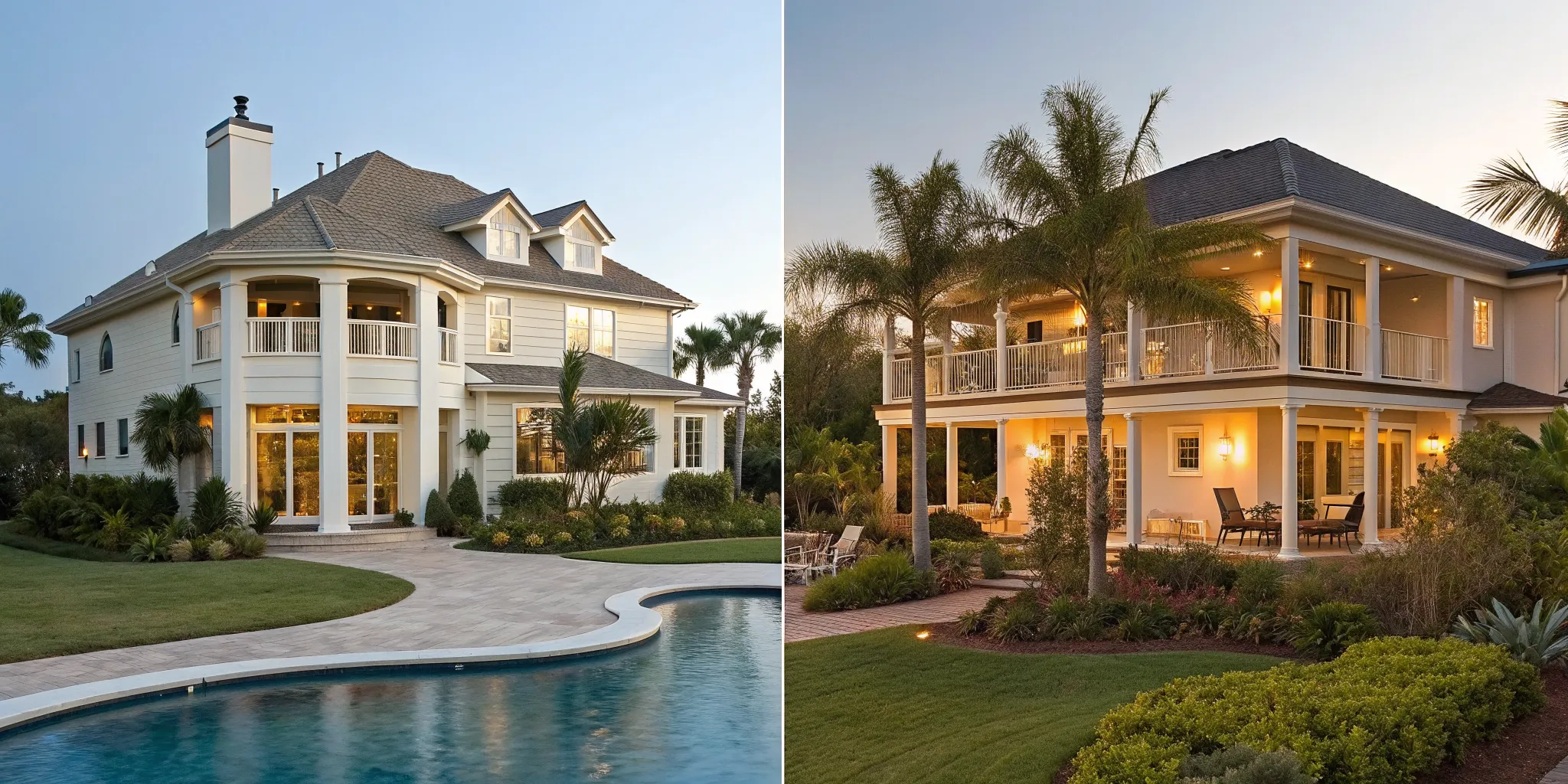
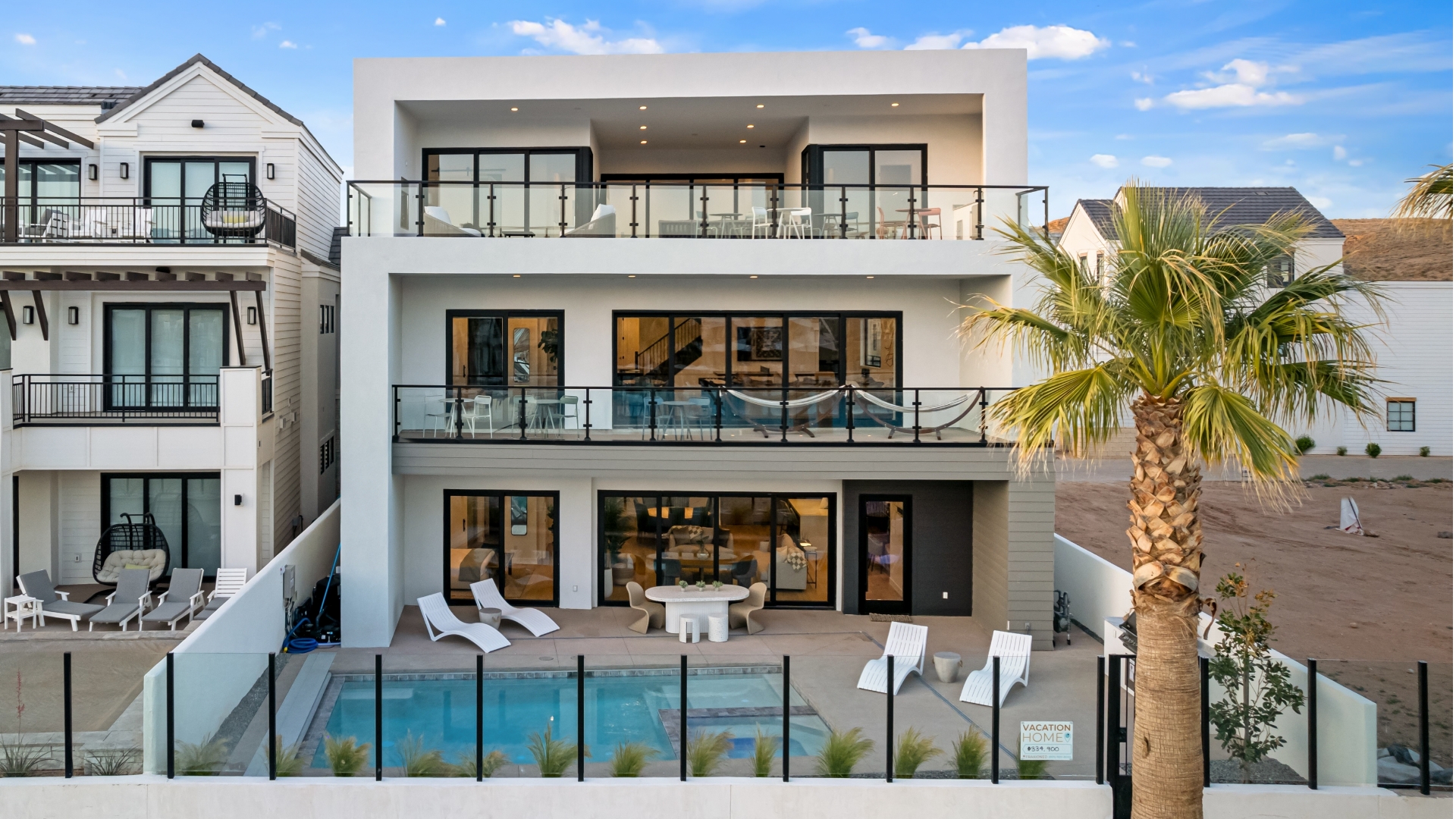
Property Quality and Amenities There’s a significant gap in the quality and luxury of the properties. PRCs are almost always high-end, multi-million dollar homes in exclusive, sought-after destinations. Think spacious layouts, designer furnishings, gourmet kitchens, and private pools. These are the kinds of stunning vacation homes you dream about. In contrast, timeshare properties are generally smaller condo-style units within larger resorts. While they can be nice, they don’t typically offer the same level of privacy, luxury, or unique character that you find in a private residence.
Scheduling and Flexibility How and when you use your vacation home also differs greatly. A PRC offers much more flexibility. As a co-owner, you typically have access to the home for several weeks throughout the year, and you can book your stays based on a rotating priority system. This allows you to plan both spontaneous getaways and long-term family holidays. Timeshares are far more rigid, usually locking you into a specific week or a limited selection of weeks each year. This fixed schedule can be difficult to work with if your plans change.
Service and Exclusivity The level of service is another area where PRCs shine. They offer a five-star, hotel-like experience with a dedicated concierge to handle everything from stocking the fridge with your favorite foods to arranging local activities. The goal is to make your vacation completely effortless. Daily housekeeping and property management are all taken care of, so you can simply arrive and relax. Timeshares provide more basic amenities, similar to what you’d find at a standard hotel, without the personalized, high-touch service that makes a PRC stay feel so special.
Let's Talk Money: Comparing the Costs When you’re deciding on the right vacation property model, the numbers matter. A lot. The financial commitment isn't just about the initial price tag; it also includes what you'll pay over the years and what you can expect if you decide to sell. Private Residence Clubs and timeshares have very different financial structures. Let's break down the costs so you can see which approach aligns better with your budget and long-term goals. We’ll look at the upfront investment, the annual fees you can expect, and the potential for resale down the road.
The Initial Investment The upfront cost is one of the most significant differences between a Private Residence Club and a timeshare. With a PRC, you are buying a deeded share of a property, so the investment is higher. Prices often start around $100,000 and can go up from there. In contrast, a timeshare is much more affordable at the start, with prices sometimes as low as $5,000. This lower entry point is because you’re typically buying the right to use a property for a set amount of time, not an actual piece of real estate. Understanding your financing options can help clarify what’s possible for your budget.
Ongoing Fees and Maintenance After the initial purchase, both models have annual fees to cover upkeep, but they differ in cost and what they include. Timeshare fees usually range from $500 to $1,000 and cover the basic maintenance of the resort. Private Residence Clubs have higher annual fees, averaging around $1,975, because they cover all operating expenses for a luxury home. This includes everything from property management and landscaping to utilities and stocking the pantry before you arrive. The co-ownership model is designed to be completely hands-off for owners, and these fees ensure the home is perfectly maintained year-round.
Resale Potential Thinking about the future is important, especially if you might want to sell your share one day. This is where PRCs and timeshares diverge completely. Because you own a deeded interest in a PRC, you can sell your share just like you would traditional real estate, and it may even appreciate in value. Timeshares, however, are notoriously difficult to sell and often lose value over time. Many owners find they have to sell for a fraction of what they paid. The ability to resell your share makes a PRC a more stable long-term asset compared to the prepaid vacation model of a timeshare.
Which Offers More Luxury? When you’re dreaming of a vacation home, luxury isn’t just about the thread count of the sheets. It’s about the entire experience, from the location and design of the home to the service you receive. Here’s how private residence clubs and timeshares stack up.
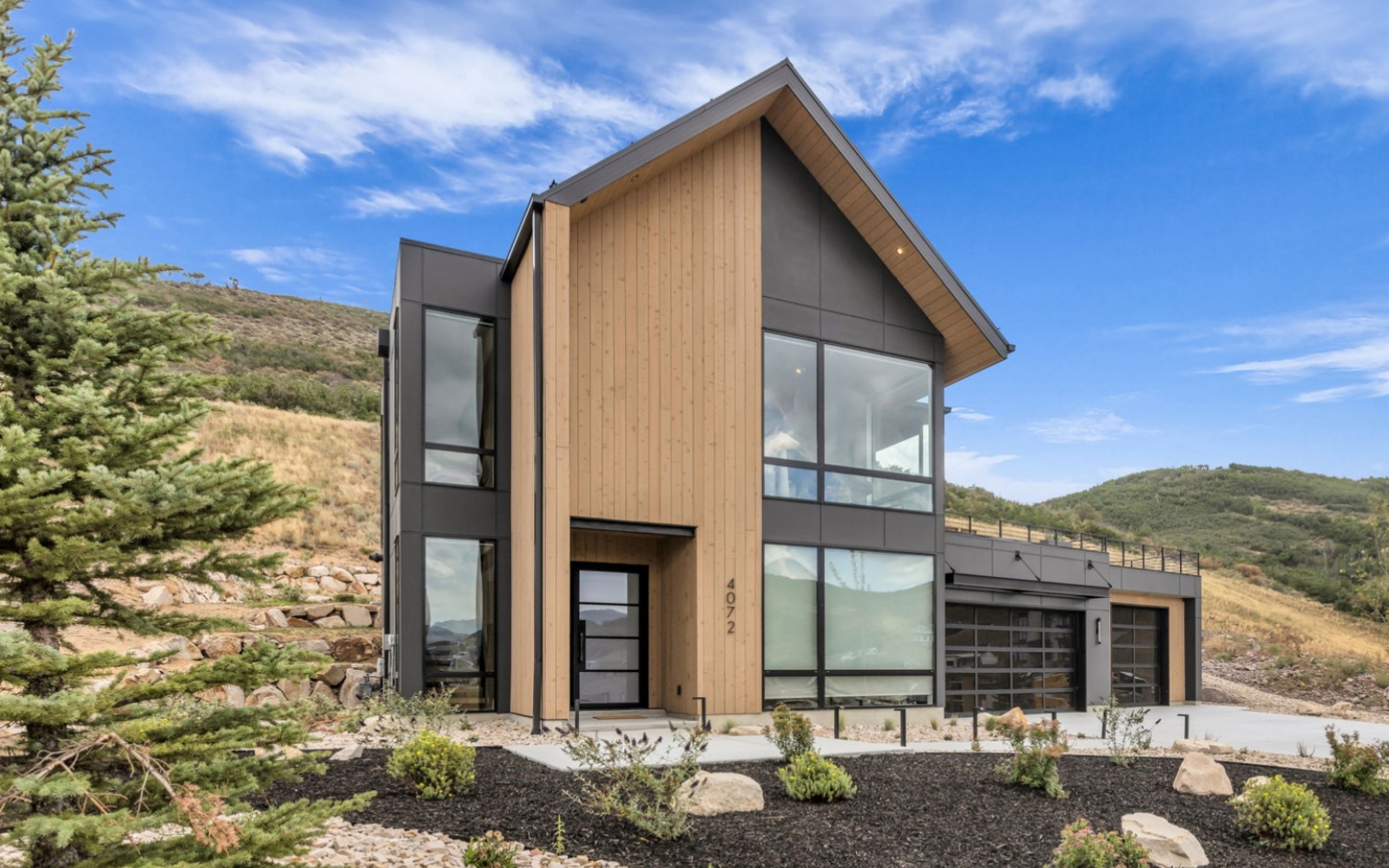
Property Standards and Locations When it comes to the properties themselves, the difference is significant. Private residence clubs and fractional ownership focus on high-end, multi-million dollar homes in the world's most sought-after destinations. Think spacious, beautifully designed properties with two to five bedrooms, gourmet kitchens, and private pools, often located right on the ski slopes or exclusive beaches. These are true second homes, not just vacation units. You can see examples of these stunning homes in our listings .
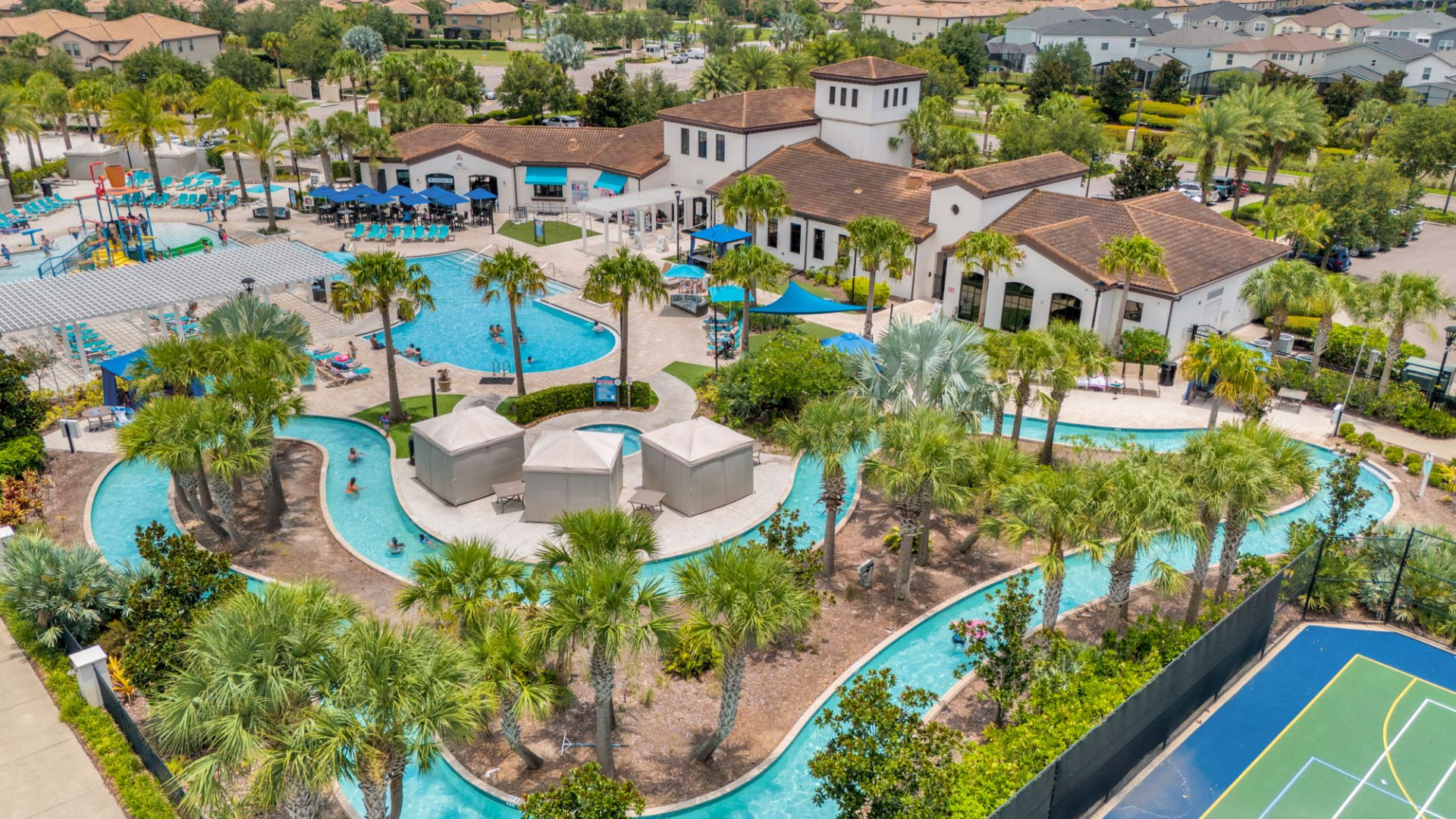
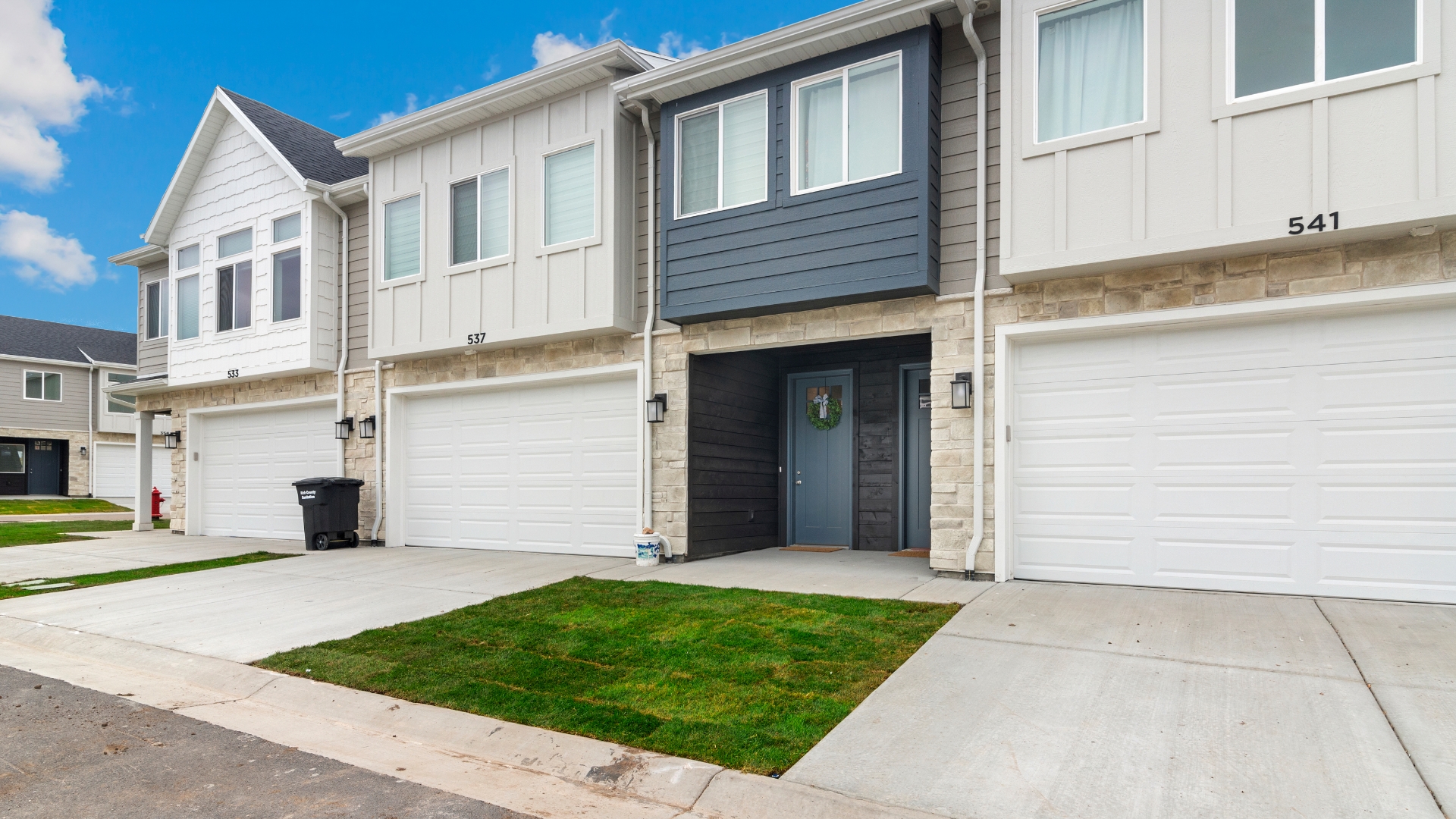
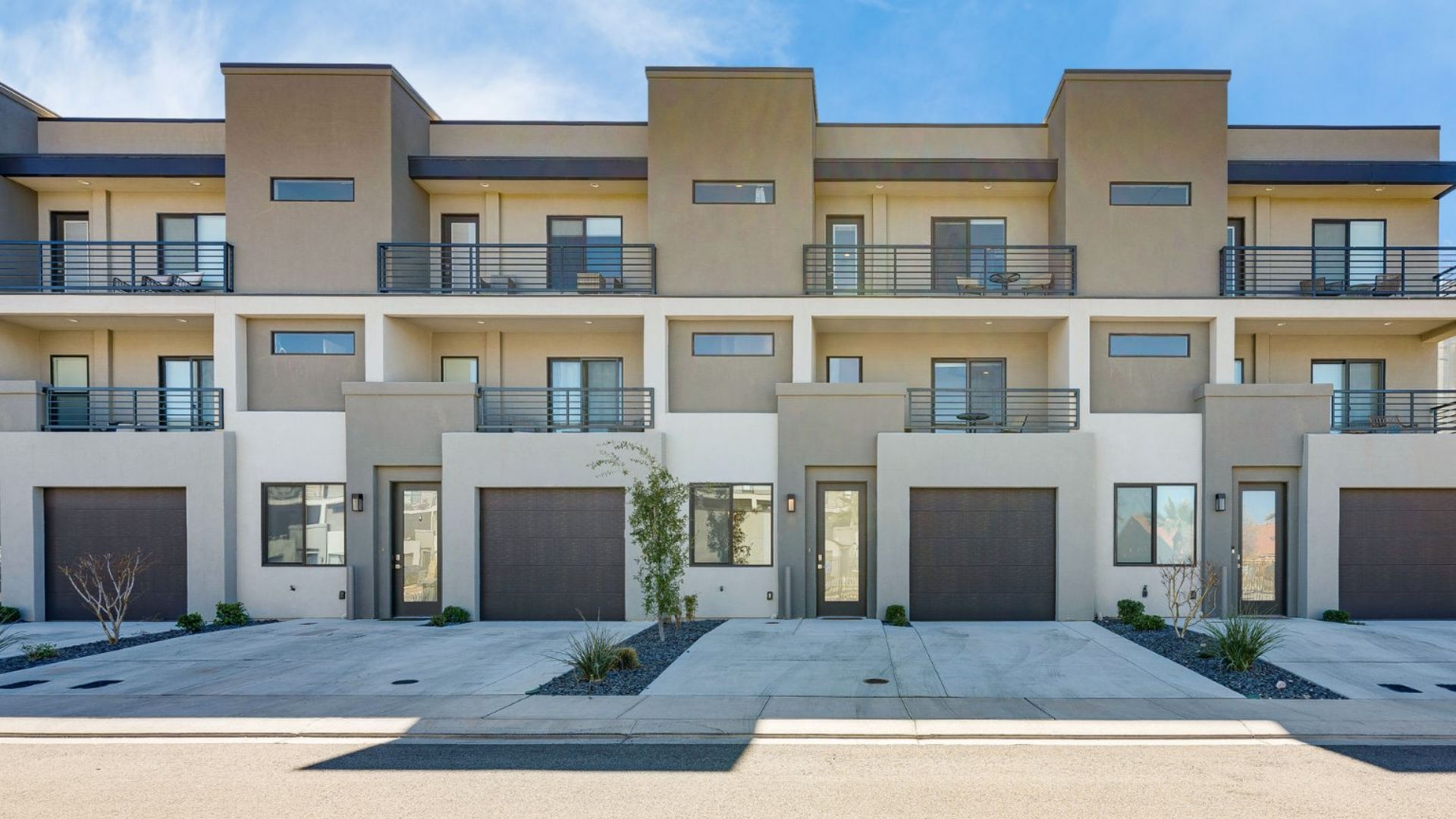
Timeshares, on the other hand, are typically smaller and more standardized. While some can be nice, they generally don't offer the same level of unique design, premium finishes, or prime locations. They are built for high-volume turnover in popular tourist areas, whereas PRCs are curated for a more exclusive and personal experience.
Concierge and Management Services The luxury of a PRC extends far beyond the property itself. It’s about the five-star service that makes every visit feel effortless. Imagine having a dedicated concierge to plan your activities, arrange transportation, and even stock your fridge with your favorite foods before you arrive. Services often include daily housekeeping, laundry, and personal touches like having your ski gear ready for you in the morning. This approach combines the best parts of owning a home with the attentive service of a luxury hotel.
This level of personalized care is a hallmark of the co-ownership model. In a timeshare, management is generally focused on the basics: check-in, check-out, and general property maintenance. You won’t find that same dedicated, white-glove service designed to cater to your specific needs.
Community and Exclusive Benefits A key part of the PRC experience is the sense of community and genuine ownership. With only a small group of co-owners for each home, you share a real stake in the property and can even have a say in how it's managed. This creates a feeling of belonging to a private, exclusive club. Many PRCs also have rules against renting to the general public, which helps maintain the integrity and privacy of the community for all owners.
This contrasts sharply with the anonymous nature of a timeshare, where you share the resort with a constantly changing crowd. The PRC model fosters a more intimate environment where you can build lasting relationships. Tools like our myFRAX Portal help owners easily manage their stays and connect, reinforcing that feeling of a shared, cherished retreat.
What Are the Potential Downsides? Before you decide on the right path to your dream vacation home, it’s smart to look at the potential drawbacks of each option. Both Private Residence Clubs and timeshares offer a more accessible way to enjoy vacation properties, but they come with their own set of rules and financial considerations. Understanding these limitations upfront can help you make a choice that truly fits your lifestyle and long-term goals, ensuring your vacation spot remains a source of joy, not stress. Let's break down what you need to watch for with each model.
Limitations of a Private Residence Club While PRCs offer a high-end experience, they can have some surprising restrictions. One of the biggest is the lack of rental flexibility. Many clubs don't allow you to rent out your unused weeks to the public. If your plans change and you can't make it to the property, that time might simply go unused, without any opportunity to offset your costs. Additionally, the annual fees can be quite high. Though they are typically less than the cost of maintaining a luxury home on your own, these fees are a significant and recurring expense you’ll need to budget for every year, whether you use the property or not.
Disadvantages of a Timeshare The biggest challenge with timeshares often comes down to their financial structure. Unlike traditional real estate, timeshares tend to lose value over time. A major reason for this is that a large chunk of your initial purchase price, sometimes as much as 50%, goes directly to sales and marketing commissions, not into the property's equity. This, combined with a market that is constantly seeing new developments, makes it very difficult for a timeshare to appreciate. Many owners find that when it's time to sell, they have to list their timeshare for far less than what they originally paid, if they can find a buyer at all.
Your Exit Strategy Thinking about how you’ll eventually move on from a property is just as important as deciding to buy in. With a PRC, you often own a deeded share of the property, which means you have a tangible asset. You can sell your share on the open market, much like you would sell a traditional home, and it may even appreciate in value. A timeshare, on the other hand, is notoriously difficult to sell. Because it's a "right-to-use" product rather than a real estate asset, the resale market is flooded, and owners often have to take a significant loss. Understanding your co-ownership model and its exit path is key to making a sound decision.
Common Myths About PRCs and Timeshares The terms “private residence club” and “timeshare” are often thrown around together, which can create a lot of confusion. While they both offer a way to enjoy vacations without booking a hotel, the ownership structure, quality, and overall experience are completely different. Legally, PRCs sometimes fall under the same regulations as timeshares, which actually gives buyers some helpful protections. However, thinking they are the same thing is a major misconception. Let's clear the air and look at some of the most common myths that separate these two models. Understanding these distinctions is the first step to figuring out which path to a vacation home is right for your family. We’ll break down the myths surrounding what you actually own, the financial side of things, and what you can realistically expect from your stays.
The "Ownership" Confusion The biggest point of confusion is what you actually own. With a timeshare, you’re typically buying the right to use a property for a specific amount of time each year, like one or two weeks. You don’t own any part of the actual real estate; you own time. Think of it as pre-paying for your vacation for years to come.
On the other hand, a private residence club offers true co-ownership . You purchase a deeded share of the property, meaning you legally own a fraction of the home itself. This is a tangible asset. You’re not just a guest with a reservation; you’re an owner every day of the year, with exclusive rights to use the home for your allotted time.
The "Investment" Assumption Many people wonder about the long-term financial picture. Because a timeshare is a right-to-use product and not real estate, it often loses value over time, much like a car. There is no underlying asset to build equity in, and the resale market can be challenging.
Fractional ownership is different. Since you own a deeded share of the property, your share’s value can move with the real estate market. While the primary goal is to have a beautiful place for memory-making, not to turn a profit, owning a real asset means you have something of value that you can sell later. The ability to secure financing for a fractional share, just like a traditional home, also speaks to its standing as a real estate asset.
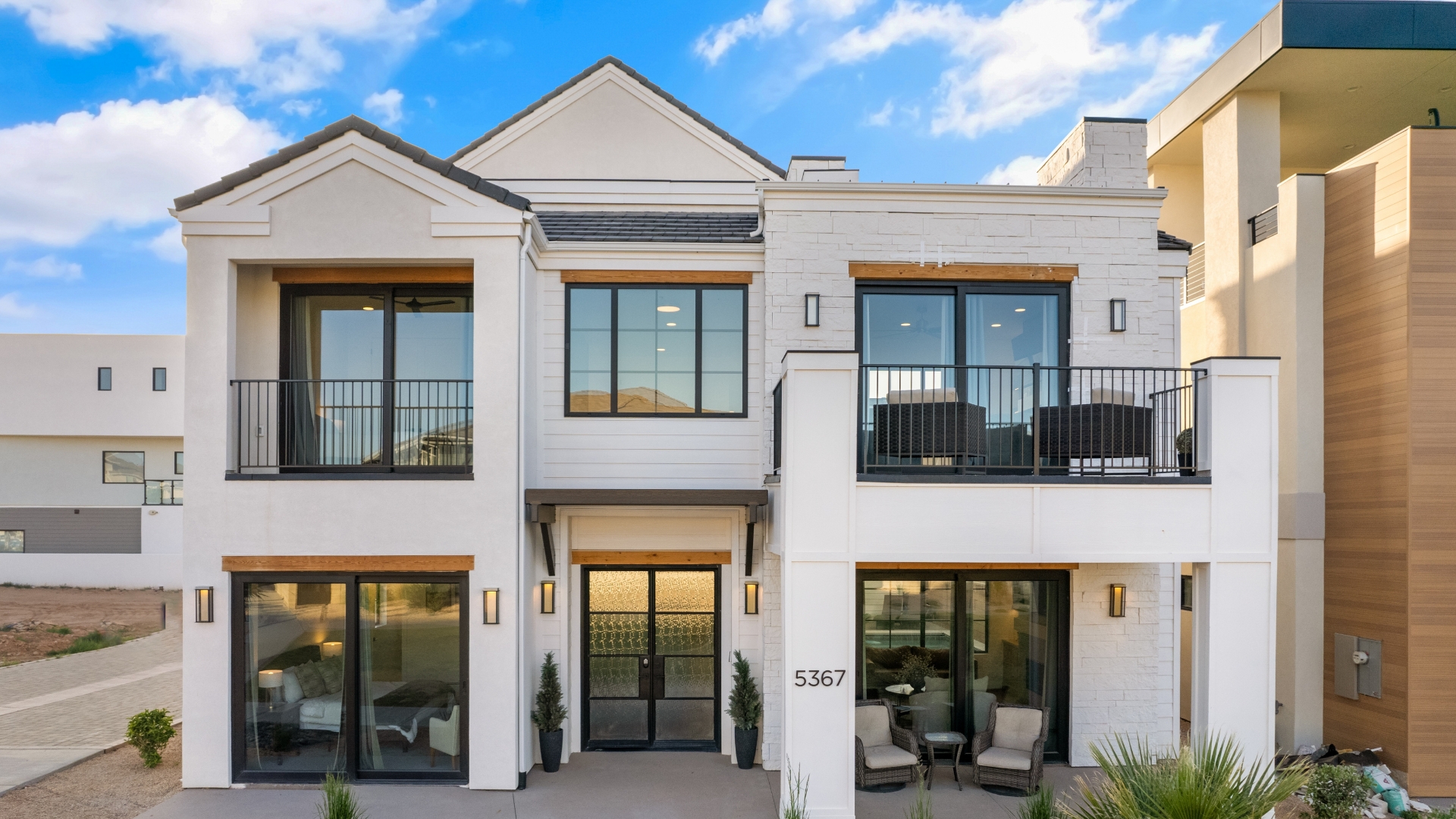
Expectations vs. Reality The kind of vacation experience you get also differs greatly. PRCs are all about luxury and exclusivity. These are high-end, single-family homes in prime destinations, complete with premium amenities and personalized services. With far fewer owners per home, you get a more private and intimate experience. You can see the quality of these homes by looking at current listings .
Timeshares are generally located in larger resort complexes and can feel more like a hotel. The units are often smaller, and you’re sharing the property with a much larger group of people (sometimes up to 52 owners per unit). While they provide a consistent place to stay, they don’t typically offer the space, privacy, or high-end feel of a private residence.
Which Is the Right Fit for You? Choosing between a private residence club and a timeshare really comes down to what you want from your vacation time. There’s no single right answer, but there’s definitely a right answer for you . The best way to figure it out is to take a clear look at your travel habits, your financial picture, and how much spontaneity you want in your life. Are you looking for a true home away from home, a place where you can leave a toothbrush and your favorite board games? Or are you seeking a simple, predictable week-long escape each year at a resort?
Think about the kind of memories you want to create. Do they involve impromptu weekend getaways, extended summer stays, or hosting family for the holidays? Or is it more about having a guaranteed spot at a bustling resort during a specific week? Both models offer a way to vacation, but they deliver very different experiences. One is rooted in the feeling of home and ownership, while the other is more transactional, like pre-booking a hotel stay year after year. By exploring your personal preferences in the next few sections, you’ll get a much clearer idea of which path leads to your perfect vacation setup.
Consider Your Travel Style How you like to vacation is a huge factor here. If you dream of having a genuine second home, a place that feels like your own, then the co-ownership model is likely your speed. This is because you own a real, deeded share of the property. It’s a tangible asset. You can settle in, get to know the local coffee shop, and truly make the space your own during your stays.
A timeshare, on the other hand, doesn't provide ownership of the real estate itself. Instead, you purchase the right to use the property for a set amount of time each year, usually a week or two. It’s less of a second home and more of a recurring reservation. If your goal is simply to secure a vacation spot annually without the emotional or financial ties of ownership, a timeshare can fit that need.
Align with Your Financial Goals Let’s talk about the money side of things, because it’s important. With co-ownership, you’re buying a real estate asset. While no property is a guaranteed investment, luxury homes in desirable locations tend to hold their value and often appreciate over time. When you’re ready to sell your share, you can do so on the open market, just like you would with a traditional home. This means the money you put in isn't just spent, it's placed into an asset.
Timeshares generally don't work the same way. They are known to depreciate significantly, much like a new car driving off the lot. The resale market for timeshares is often flooded, making it difficult to sell your share for anywhere near what you originally paid. If you’re looking for a model where your initial outlay has a better chance of retaining its value, co-ownership is the more financially sound approach. You can explore financing options to make this accessible.
Factor in Your Need for Flexibility Life isn’t always predictable, and your vacation schedule shouldn’t have to be either. This is where private residence clubs truly shine. Ownership is typically divided into shares, like 1/8 or 1/13, giving you access to the home for several weeks throughout the year. At Fraxioned, you can book your stays through our owner portal, the myFRAX Portal , often with a mix of planned and spontaneous trips. You aren’t locked into the same week every year.
Timeshares are traditionally much more rigid. You often buy the rights to a specific week, and using the property outside of that fixed time can be difficult or impossible. While some modern timeshare systems offer points-based exchanges, they can be complicated and competitive. If you want the freedom to plan a last-minute weekend trip or an extended stay, the flexibility of co-ownership is hard to beat.
Choosing the Best Path to Your Vacation Home Deciding how to secure your family's future getaways is a big deal, and the right choice really comes down to what you value most. To find your best fit, think about what you truly want from a vacation property.
Start by asking what ownership means to you. Do you want to own a piece of the actual home , a tangible asset that becomes part of your family’s story? Private residence clubs offer you a deeded share of the property. A timeshare, on the other hand, only gives you the right to use the space for a set time, without any actual ownership of the real estate itself.
Next, consider your travel style. Are you looking for a single, fixed week every year, or does your schedule demand more flexibility? With fractional ownership, you can often book stays more spontaneously and for longer periods, from a long weekend to several weeks at a time. This freedom allows you to use your home in a way that fits your life, not the other way around.
Think about the experience you want when you arrive. Private residence clubs typically feature high-end, spacious homes in incredible locations, giving you the comfort and privacy you can’t find in a standard resort. If you envision your family settling into a luxury space that feels like your own, exploring our current listings can give you a sense of what’s possible.
Finally, consider your long-term plans. While a vacation home is about making memories, it’s wise to think about the future. Fractional ownership can be sold on the open market just like traditional real estate. This provides a clear exit strategy if your needs change down the road, a flexibility that is often much harder to find with a timeshare.
Related Articles Frequently Asked Questions What's the single biggest difference between co-owning a home and having a timeshare ? The most important difference is what you actually own. With co-ownership, you are buying a real, deeded share of the property itself. It’s a tangible asset. A timeshare, in contrast, typically only gives you the right to use a property for a specific amount of time each year. Think of it as the difference between being a homeowner and being a recurring guest with a long-term reservation.
Are Private Residence Clubs just a more expensive version of a timeshare? Not at all, they are two completely different concepts. The price of a Private Residence Club reflects the value of what you are purchasing: a legal share in a multi-million dollar private home. The cost is higher because the asset itself is more valuable and the experience is more exclusive. You are paying for true ownership, privacy, and a much higher standard of service, not just access to a resort unit.
What happens if my plans change and I can't use my scheduled weeks in a co-owned home? This is a common concern, and flexibility is a key part of the co-ownership model. While you can't always rent out your time to the public, the scheduling systems are designed for a small group of owners. This often allows you to swap weeks with other owners or book available time for more spontaneous trips. It’s a much more adaptable system than the rigid, fixed-week schedule of a traditional timeshare.
Can I pass my share of the home on to my family? Yes, you absolutely can. Because you own a deeded interest in the property, it is a real asset that you control. Just like your primary residence, you can sell it, transfer it, or include it in your will for your children to inherit. This ability to create a family legacy is a major benefit of true property ownership.
Why are the annual fees for a PRC higher than for a timeshare? The annual fees cover completely different levels of service and responsibility. Timeshare fees generally cover the basic upkeep of a condo unit within a large resort. The fees for a co-owned home cover all the operating expenses of a large, private luxury property. This includes everything from property management and insurance to landscaping, utilities, and personalized concierge services, ensuring the home is perfectly maintained for a truly effortless ownership experience.