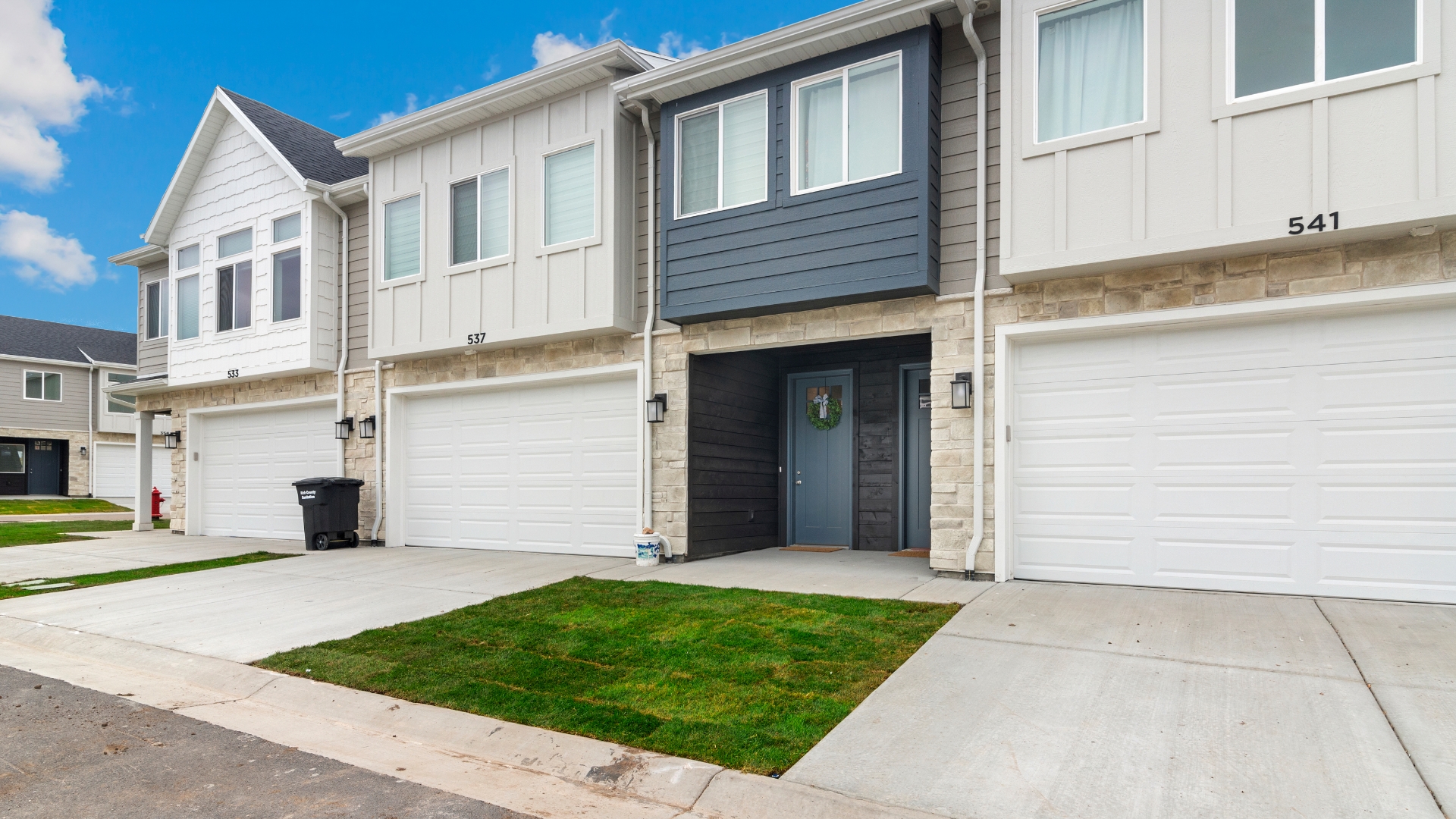
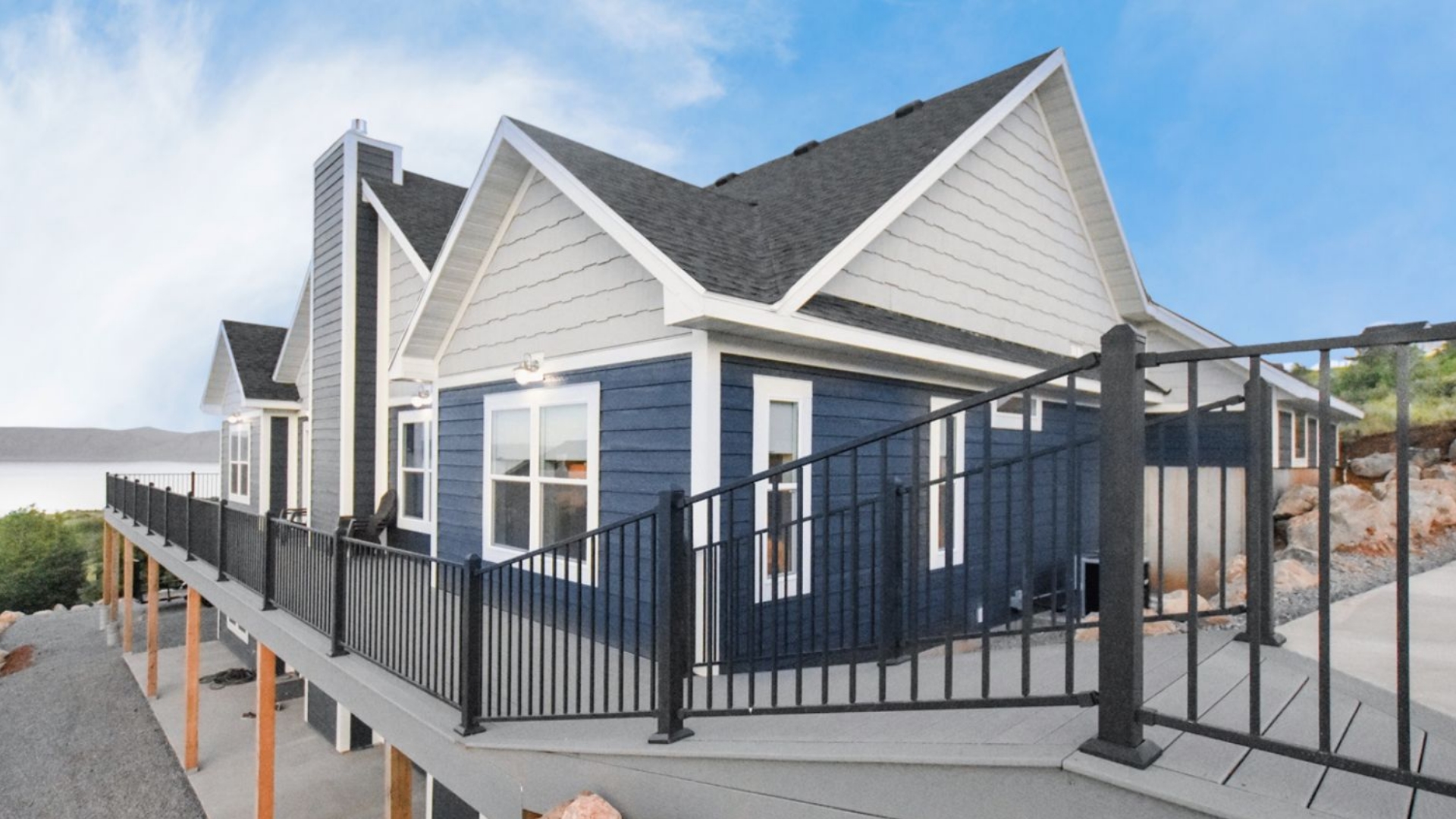
Owning a vacation home can sometimes feel more like a second job than a retreat. There’s always something to fix, clean, or manage, which can eat into your precious relaxation time. Co-ownership, especially a managed model, offers a solution by taking all that work off your plate. A professional team handles the maintenance, cleaning, and scheduling, so you can simply show up and enjoy your vacation. This convenience is a huge perk, but is co ownership worth it when you weigh the shared access against the reduced responsibility? This article will explore the practical benefits of this hands-off approach, helping you decide if trading sole ownership for a hassle-free experience is the right choice for your lifestyle.
Key Takeaways Get more for your money by sharing costs : Co-ownership makes owning a luxury vacation home possible by splitting the purchase price and all ongoing expenses , allowing you to afford a better property in a prime location.A legal agreement is non-negotiable : Protect your investment and your relationships by creating a detailed contract that serves as a roadmap for handling finances, scheduling, and a clear exit strategy if someone needs to sell their share.Choose the right management style for you : Decide between a traditional do-it-yourself partnership or a managed model that handles all the upkeep, scheduling, and legal complexities for a truly hassle-free experience.What is co-ownership and how does it work? Have you ever dreamed of owning a beautiful vacation home but felt it was just out of reach financially? Co-ownership might be the answer you're looking for. At its core, co-ownership is simply when two or more people buy and own a single property together. Think of it as teaming up with others to make a shared dream a reality. Instead of one person shouldering the entire cost and responsibility of a home, a small group splits everything, making the whole experience more manageable and enjoyable.
This approach makes owning a luxury property significantly more accessible. Each person buys a share of the home, which means they have a legal stake in the property and build equity over time, just like a traditional homeowner. But instead of managing it all alone, you share the joys, the responsibilities, and the costs. It’s a practical way to enjoy the perks of a second home, from family getaways to quiet weekends, without the full financial weight. It’s not about finding a real estate investment to generate income; it’s about creating a space for memories and offsetting the costs of ownership along the way. The specifics of how this works legally and financially are straightforward once you break them down.
Understanding the legal structure When you co-own a home, your name is on the property's title along with the other owners. This officially recognizes your legal share of the home. There are a few ways to structure this arrangement, but one of the most common for vacation properties is called Tenancy in Common (TIC) . Under a TIC, each owner holds a specific percentage of the property, for example, 1/8th. This share is a real asset you own. You can sell it or pass it down in your will, independent of the other owners.
Another structure is Joint Tenancy , which is often used by married couples. In this case, all owners have equal shares, and if one owner passes away, their share automatically goes to the surviving owners. For most vacation home partnerships, especially those managed through a service, the Tenancy in Common model offers more flexibility and individual control over your share.
How costs are shared The most appealing part of co-ownership is the shared financial load. Instead of paying for 100% of a home, you only pay for your portion. This applies to everything, from the initial purchase to monthly expenses. You and your co-owners split the down payment and closing costs right from the start. From there, all the recurring operating expenses are divided proportionally based on your ownership stake.
This includes the mortgage, property taxes, insurance, utilities, and maintenance fees. If you own a 1/8 share, you’re responsible for 1/8 of these costs. This arrangement dramatically lowers the financial barrier to entry, often allowing you to own a share in a much larger or more luxurious home than you could afford on your own. It’s a smart way to manage the financial commitments of a second home while keeping your budget in check.
The perks of co-owning a property Owning a vacation home often feels like a distant dream, something reserved for a select few. But what if you could have that perfect getaway spot without the hefty price tag and constant upkeep? That’s where co-ownership comes in. By sharing a property with a small group of other owners, you get all the benefits of a second home with a fraction of the cost and responsibility. It’s a practical approach that makes the dream of owning a vacation home a reality for more people. Let’s look at some of the biggest advantages.
Split the costs, expand your budget The most obvious benefit of co-owning a home is the financial relief. Instead of shouldering the entire cost yourself, you split everything with your co-owners. This includes the down payment, monthly mortgage, property taxes, insurance, and even furniture. Suddenly, a beautiful home that was once out of reach becomes completely affordable. This shared financial model makes it easier to manage ongoing expenses without straining your budget. It’s a straightforward way to enjoy the perks of homeownership while keeping costs manageable and exploring your financing options .
Own a home in a dream location Have you ever scrolled through listings in a perfect mountain town or a serene lakeside community and wished you could afford a place there? Co-ownership can turn that wish into a plan. Because you’re only paying for a fraction of the home, your budget goes so much further. This means you can consider properties in prime locations that might be too expensive to buy on your own. It’s not about settling; it’s about getting more for your money. You can own a share of a truly special place where your family can make memories for years to come, in a destination you truly love.
Less work, more vacation Let’s be honest, the work that comes with owning a second home can be a major drawback. Between mowing the lawn, fixing leaky faucets, and managing upkeep, it can feel more like a job than a retreat. A huge advantage of a managed co-ownership model is that all the maintenance and property management are handled for you. You don’t have to worry about finding a plumber or cleaning up before you leave. You simply arrive, relax, and enjoy your time. All the logistics are taken care of, leaving you with more time for what matters: actually being on vacation.
The potential downsides of co-ownership While sharing a vacation home sounds like a dream, it’s smart to go in with your eyes wide open. Like any partnership, co-ownership comes with its own set of challenges. Thinking through these potential hurdles ahead of time is the best way to ensure your shared home remains a place of relaxation, not stress. From managing money together to deciding on decor, here are a few common issues that can pop up.
Handling shared finances and liability Money can be a tricky subject, and it’s no different with a shared property. When you co-own a home, your finances are linked. If one owner runs into financial trouble and can't pay their share of the mortgage or upkeep, the responsibility often falls to the other owners to cover the gap. This can put a strain on both your wallet and your relationships. It’s crucial to have a frank discussion about financing and create a clear agreement that outlines everyone’s financial obligations, including a plan for what happens if someone’s situation changes unexpectedly. This protects everyone involved and keeps the focus on enjoying your shared space.
When co-owners don't see eye-to-eye What happens when one person is ready to sell but the other isn't? Or when one family wants to do a major renovation and the other prefers to keep things as they are? These kinds of disagreements are common in co-ownership. Different life priorities, financial goals, or even personal tastes can lead to a stalemate on big decisions about the property. Without a plan in place, these situations can become stressful and may even require legal intervention. That's why a detailed co-ownership agreement is so important. It should act as your roadmap, clearly defining how you'll handle major decisions, including the process for one owner to sell their share.
The challenge of making group decisions Beyond the big financial questions, there are dozens of smaller decisions that come with owning a home. Who fixes the leaky faucet? When should the deck be re-stained? Who gets the master bedroom during the holidays? Juggling schedules and divvying up maintenance tasks requires constant communication and compromise. When everyone is busy, these responsibilities can fall through the cracks or lead to frustration. Having a system for managing the property is key. A tool like the myFRAX Portal can simplify scheduling and maintenance requests, but in any co-ownership setup, you need an agreed-upon process for making these day-to-day decisions smoothly and fairly.
How co-ownership impacts relationships Sharing a vacation home with people you care about can be an incredible experience, creating a backdrop for years of memories. But mixing finances and friendships requires care. When you co-own a property, you’re not just sharing a space; you’re entering into a long-term partnership. Like any partnership, its success depends on clear communication, mutual respect, and a solid plan for the future. Without a framework for making decisions, managing schedules, and handling life’s unexpected turns, even the strongest relationships can face strain.
The key is to approach co-ownership with intention. Before you even start looking at listings , it’s important to have honest conversations about expectations, finances, and lifestyles. Thinking through potential challenges ahead of time allows you to create a structure that protects both your investment and your relationship. By establishing clear guidelines for everything from scheduling holidays to planning for an eventual sale, you can ensure the focus stays where it should be: enjoying your beautiful home together.
Bridging communication and lifestyle gaps The foundation of a successful co-ownership is open and honest communication. It’s best to think of the arrangement as a business deal between friends or family, where every detail is discussed and agreed upon. Assumptions about things like cleanliness, guest policies, or who pays for minor repairs can quickly lead to resentment. Are pets allowed? Can you lend your week to a cousin? Talking through these scenarios upfront prevents future misunderstandings.
It’s also wise to discuss different lifestyles. If one family are early birds and another are night owls, how will you share common spaces respectfully? Putting everything into a written agreement isn't about a lack of trust; it’s about creating a shared understanding that everyone can refer back to. This simple step ensures all owners are on the same page from day one.
Fairly scheduling your time at the property One of the biggest logistical hurdles in co-ownership is deciding who gets to use the house and when. Everyone wants the best holidays and peak season weekends, and without a system, scheduling can become a source of major conflict. It’s essential to establish a fair and transparent method for booking time. Some families use a rotating draft system, where the person who picks first one year picks last the next. Others might use a points-based system for high-demand dates.
The goal is to find a solution that feels equitable to everyone involved. This is where managed co-ownership can be a huge help, as a neutral third party handles the scheduling through a proven system. Whatever method you choose, make sure it’s agreed upon before you finalize the purchase. This removes the personal pressure and ensures everyone gets a fair chance to enjoy the property.
Planning for the long haul and eventual exits While it’s not the most exciting topic, planning for the end of the partnership is one of the most important things you can do to protect your relationships. Life is unpredictable. A co-owner might need to sell their share due to a job relocation, a change in financial status, or a divorce. Without a pre-determined plan, this situation can become messy and emotional. A strong co-ownership agreement needs a clear exit strategy.
Your agreement should outline exactly what happens when an owner wants to sell. How will you determine the share’s market value? Do the other owners have the first right to buy it? If not, what is the process for selling to an outside party? Answering these questions from the start provides a clear, unemotional roadmap to follow if circumstances change. It’s a practical step that ensures the process is smooth and fair for everyone.
Breaking down the financial commitments Buying a vacation home is a big step, and co-ownership makes it much more attainable. But before you start picturing yourself by the fireplace, it’s important to get a clear view of all the costs involved, both at the beginning and over the long term. Thinking through the financial side of things helps ensure your dream getaway remains a source of joy, not stress. It’s more than just splitting the purchase price; it’s about creating a sustainable plan for years of shared memories.
A well-structured co-ownership plan accounts for everything from the initial down payment to monthly upkeep and unexpected repairs. Understanding these details helps everyone feel secure and prepared. This financial transparency is key to a successful partnership, as it prevents misunderstandings and keeps the focus on relaxation and fun. When you have a clear budget for both expected and unexpected expenses, you can avoid difficult conversations later on. Plus, knowing your options for financing a shared property can make the process feel much more manageable from the start. When every owner is on the same page financially, you can all relax and focus on what really matters: enjoying your beautiful home together and creating lasting memories with your loved ones.
Understanding upfront and ongoing costs The most obvious cost is your share of the home’s purchase price. If you buy a 1/8 share of a property, you’re responsible for 1/8 of the down payment and mortgage. This model is what allows you to own a piece of a luxury home that might otherwise be out of reach. But the shared expenses don’t stop there. Ongoing costs like property taxes, insurance, utilities, and maintenance are also split among the owners according to their share. This approach keeps the monthly carrying costs predictable and affordable. A clear co-ownership agreement outlines exactly how these expenses are managed, so there are no surprises.
What to know about taxes and inheritance When you enter a co-ownership agreement, it’s wise to think about the long-term financial implications, including taxes and inheritance. Depending on how the ownership is structured, adding someone to the title could be considered a gift, which may have tax implications down the road. It’s also important to understand how co-ownership affects your estate plans. In some legal structures, your share of the property might automatically pass to the other co-owners upon your death, regardless of what your will says. Getting answers to these questions upfront can prevent future confusion and ensure your wishes are honored. You can find more details on our FAQ page .
What happens if a co-owner faces financial trouble? This is a common and valid concern. If one co-owner experiences financial hardship, like bankruptcy or a lawsuit, it could potentially impact the property. In a traditional arrangement, creditors might be able to place a lien on that owner’s share, complicating things for everyone else. This is why having a robust legal agreement is so critical. A well-crafted contract will include clauses that protect the other owners in these situations, outlining a clear process for handling defaults or buyouts. A managed system like the myFRAX Portal also provides a structured framework for payments and communication, adding a layer of security for all owners involved.
How to protect yourself with a solid legal agreement Even when you’re co-owning a home with your closest friends or family, a solid legal agreement is your best friend. Think of it less as a sign of mistrust and more as a shared roadmap that ensures everyone is on the same page. A well-drafted agreement protects your relationships by creating clarity from the start. It’s wise to approach co-ownership like a business partnership, where every detail is thoughtfully considered and documented.
This document, often called a co-ownership agreement or tenancy in common agreement, is where you’ll outline all the rights, responsibilities, and rules of the house. It’s the go-to guide for handling any situation that might come up, from paying for unexpected repairs to deciding what happens if someone’s life plans change. Putting everything in writing removes ambiguity and provides a fair, agreed-upon process for making decisions. This simple step is the foundation of a smooth and enjoyable co-ownership experience, letting you focus on what matters most: making memories in your beautiful vacation home.
Must-haves for your co-ownership contract Your co-ownership contract should be the single source of truth for your property. It needs to clearly define who owns what percentage of the home and how all costs will be divided. This includes the mortgage, property taxes, insurance, utilities, and a fund for ongoing maintenance and repairs. The agreement should also detail usage rights, outlining how you’ll schedule time at the property and setting rules for guests. A comprehensive co-ownership model often handles these details, but if you're creating your own, it's vital to be thorough. The goal is to answer every potential question before it’s asked.
Creating clear exit strategies and buyout options Life is unpredictable, so a strong agreement always plans for the future. What happens if a co-owner wants to sell their share, or faces financial hardship and can no longer contribute? Your contract should outline a clear exit strategy. This typically includes a "right of first refusal," which gives the other owners the first chance to buy the departing owner's share. You’ll also want to agree on a process for determining the property’s fair market value to ensure a fair buyout price. Planning for these scenarios upfront prevents stress and protects everyone’s financial stake in the home.
Establishing a process for decisions and disputes To keep things running smoothly, your agreement needs a clear process for making decisions. Determine which choices require a unanimous vote (like selling the property) and which can be decided by a majority (like minor upgrades or repairs). It’s also smart to establish a regular communication schedule, whether it’s a monthly call or a quarterly meeting, to discuss the property and address any issues. For bigger disagreements, consider including a clause that requires mediation. Having a pre-approved method for resolving disputes helps keep conversations productive and preserves the positive relationships between co-owners.
Tips for a successful co-owner relationship Co-owning a home is as much about managing relationships as it is about managing the property itself. The key to making it a wonderful experience is treating it like a true partnership from the very beginning. When you're proactive, clear, and respectful with your co-owners, you can focus on what really matters: making lasting memories in a place you all love.
Set clear expectations from day one Assumptions can quickly undermine a great partnership. The best way to get ahead of any potential confusion is to put everything in writing. Before you even sign the deed, work together to create a legal agreement that outlines all the details. This document should clearly state ownership percentages, individual responsibilities, how costs are split, and rules for using the property. It’s also crucial to decide how a co-owner can sell their share if their circumstances change. This isn't about mistrust; it's about creating a clear roadmap that protects everyone involved.
Agree on how you'll communicate Everyone has a different communication style, so it’s important to agree on a system that works for all of you. Decide how you’ll handle different types of conversations. Maybe a group chat is perfect for quick updates, while a monthly video call is better for discussing finances or maintenance projects. A shared digital calendar is also a must for scheduling stays. The goal is to keep information flowing so no one feels out of the loop. A dedicated platform like the myFRAX Portal can help streamline all your scheduling and communication, keeping everything organized in one place.
Address conflicts before they grow It’s always smarter to talk about potential challenges before they become real problems. Have open conversations about finances and what each person expects from the arrangement. For example, what’s the plan if someone faces a financial hardship and can’t pay their share for a few months? What happens if you disagree on a major, expensive repair? Establishing a clear process for making decisions and resolving disputes gives you a framework to fall back on. It takes the emotion out of the disagreement and provides a fair path forward for everyone.
Co-ownership vs. Fractional Ownership: What's the Difference? The terms "co-ownership" and "fractional ownership" are often used interchangeably, but they can describe very different ways of owning a home with other people. Think of traditional co-ownership as the classic "friends buying a cabin together" model. It’s often informal and relies heavily on the relationship between the owners to work smoothly. Everyone chips in, makes decisions together, and handles the upkeep as a team.
Modern fractional ownership, the model we use at Fraxioned, is a more structured and streamlined approach to the same goal: sharing the joys of a vacation home without the full cost. It’s designed to remove the common friction points of traditional co-ownership by creating a clear, professionally managed framework from the start. It takes the great idea of sharing a home and adds a layer of professionalism to handle the tricky parts, like who fixes the dishwasher or how to split the property tax bill. Understanding the key differences in management, scheduling, and liability will help you decide which path is the right fit for you and your family. This isn't just about finding a property; it's about finding the right ownership structure that lets you relax and make memories.
Professional management vs. DIY With traditional co-ownership, you and your fellow owners are the property managers. This means you’re all responsible for everything from finding a plumber for a leaky faucet to scheduling lawn care and paying the utility bills. While this DIY approach can work, it requires a lot of coordination and shared effort. If one person isn't pulling their weight, it can create tension.
Fractional ownership, on the other hand, includes professional management. A dedicated company handles all the maintenance, repairs, cleaning, and finances. This service is built into the ownership model, ensuring the home is always ready for your arrival. It turns your vacation home into a true escape, letting you focus on enjoying your time there instead of managing a to-do list.
Flexible scheduling vs. a set system In a traditional co-ownership setup, scheduling is often a negotiation. The owners must agree on a system for how and when each person gets to use the property. This can be a simple handshake deal or a detailed calendar you manage together. While flexible, this approach can lead to disagreements, especially around holidays or peak seasons, if clear rules aren't established and followed by everyone.
A modern co-ownership model uses a structured and equitable scheduling system. For example, Fraxioned owners use the myFRAX Portal to book their stays. The system is designed to ensure every owner gets fair access to the property throughout the year, including holidays. This removes the guesswork and potential for conflict, making it easy to plan your vacations well in advance.
Shared liability vs. individual ownership One of the biggest risks in traditional co-ownership is shared liability. If all owners are on a single mortgage and one person defaults on their payment, the credit of every other owner can be affected. Similarly, if someone faces personal financial trouble, it could potentially put the entire property at risk. This financial entanglement can strain even the strongest relationships.
Fractional ownership solves this by structuring the property within an LLC. Each owner buys a share of the LLC, not a direct slice of the deed. This means you are financially independent of the other owners. If another owner faces financial hardship, it doesn't impact you or your share of the home. This legal structure provides a critical layer of protection, letting you enjoy the benefits of co-owning without sharing the personal financial risks.
Does co-ownership fit your financial picture? Deciding to buy a vacation home is a big step, and it’s smart to ask if co-ownership is the right financial move for you. This model isn't just about splitting costs; it's about making a dream lifestyle more attainable and practical. For many, co-owning is the key to enjoying a beautiful second home without taking on the entire financial and logistical burden alone. It allows you to pool resources to afford a higher-quality property in a more desirable location than you might be able to on your own. Think of it as a strategic way to buy the vacation home you actually want, rather than settling for something less or putting the dream off indefinitely.
Before diving in, it's crucial to understand that co-ownership is a significant financial commitment, just like any property purchase. However, the numbers look quite different. Instead of budgeting for 100% of a home's price and upkeep, you're responsible for just your share, which could be 1/8th or less. This dramatically lowers the barrier to entry. By sharing the purchase price and ongoing expenses like taxes, insurance, and maintenance, you free up capital for other life goals. The real question is whether this shared ownership model aligns with your personal budget, lifestyle, and long-term plans. To figure that out, you need to look at your own financial readiness, the type of property you're considering, and the long-term financial implications.
Assess your personal financial readiness First, take an honest look at your finances. Co-ownership is an excellent path to owning a vacation home if buying one solo feels like a stretch or would leave you financially strained. It’s a way to step into ownership when the only other options are renting or staying on the sidelines. If you have a stable income and good credit but the price of a whole vacation home is daunting, co-ownership can bridge that gap.
Before you go further, get a clear picture of what you can comfortably afford for a down payment, monthly mortgage payments, and ongoing costs like property taxes and maintenance. Understanding your budget will help you determine what level of ownership makes sense. Exploring financing options early on can also give you a realistic idea of what’s possible.
Consider the property type and market The kind of home you want and where it’s located are huge factors. Co-ownership works especially well for high-demand vacation spots where property values can be steep. Instead of buying a smaller, less-equipped place on your own, you can co-own a share of a luxury property with premium amenities. With a co-ownership model , you hold a legal deeded share of the property, which means you build real equity over time.
This approach is perfect for people who want a true home-away-from-home, not just a place to stay. Take a look at different listings to see what’s available in your dream destinations. You’ll likely find that co-ownership opens the door to a caliber of home and a lifestyle that might have seemed out of reach otherwise.
Weigh the long-term costs and benefits One of the biggest financial perks of co-ownership is sharing the load. You split the down payment, closing costs, and monthly expenses with your fellow owners, which makes everything more manageable. This shared cost structure can also provide a bit of a cushion in economic climates with high interest rates, since your mortgage is only for your share of the home’s value. Plus, many co-ownership agreements allow you to rent out your unused time, which can help offset annual operating costs.
On the other hand, it’s important to think about the future. If property values rise significantly, buying out another owner’s share could become more expensive down the line. That’s why having a clear, legally sound co-ownership agreement is so important. It outlines the process for everything, ensuring all owners are protected.
Is co-ownership right for you? Co-owning a vacation home is a big decision, but it doesn’t have to be an overwhelming one. By thinking through a few key questions, you can figure out if this path to ownership aligns with your lifestyle and goals. It’s all about looking at your personal situation, the people you might partner with, and what you truly want out of a second home. This isn't just a financial transaction; it's a choice that will shape your future vacations and family memories. Let's walk through how to determine if co-ownership is the right fit for you.
Define your goals and risk tolerance First, get clear on your "why." Are you dreaming of a dedicated spot for family getaways, a quiet retreat from city life, or simply a way to own a beautiful home you couldn't afford on your own? For many, co-ownership is a practical solution that makes homeownership possible when renting is the only other alternative. It’s a chance to build equity and create a legacy in a place you love.
At the same time, it’s wise to think about co-ownership like a business deal , even when it’s with people you know and trust. Consider your comfort level with shared finances and responsibilities. Are you prepared for ongoing costs like maintenance and property taxes? Understanding your personal goals and financial boundaries from the start will help you make a choice that feels both exciting and secure.
Evaluate your relationship with potential co-owners The people you share your home with can make or break the experience. If you’re considering a DIY partnership, it’s essential to co-own with people you trust and whose financial habits and vacation styles are similar to yours. A mismatch in expectations about cleanliness, guest policies, or how to handle repairs can quickly lead to friction. Sharing a major asset can strain even the strongest relationships when disagreements over money or lifestyle choices arise.
This is where a managed co-ownership model can be a great alternative. Instead of handling these complex dynamics with friends or family, you enter a structured system with other buyers who have been vetted and share a common interest in the property. This approach removes the personal relationship pressure and lets you focus purely on enjoying your vacation time.
Decide with confidence Once you’ve clarified your goals and considered your partners, the final step is to move forward with a solid plan. The key to a successful co-ownership arrangement is a comprehensive legal agreement that is established before anyone signs on the dotted line. This document should clearly outline everything: how costs are divided, who is responsible for what, how scheduling works, and what happens if someone wants to sell their share.
Having a clear exit strategy is just as important as deciding to buy in. A well-drafted agreement provides a roadmap for handling future changes, ensuring a smooth process for everyone involved. With a managed service like Fraxioned co-ownership , these legal frameworks and operating rules are already in place, giving you peace of mind. This structure allows you to make your decision with confidence, knowing that the details are handled professionally.
Related Articles Frequently Asked Questions What happens if I want to sell my share in the future? Life changes, and a good co-ownership plan accounts for that. A solid legal agreement will always include a clear exit strategy. In a managed model, there is a straightforward process in place. Typically, the other owners get the first opportunity to purchase your share at its current market value. If they decide not to, you can then sell your share to a new, approved buyer, ensuring you have the flexibility to move on when the time is right.
Am I financially responsible if another owner can't pay their bills? This is a major difference between a casual agreement and a structured fractional ownership model. If you simply buy a house with friends on a single mortgage, you could be responsible for covering their share. However, modern fractional ownership uses a legal structure, like an LLC, to protect each owner. This means your finances are separate from the other owners. If someone else runs into trouble, it doesn't impact your credit or your share of the home.
How do you make sure scheduling is fair, especially for holidays? Scheduling is one of the biggest hurdles in shared ownership, which is why a proven system is so important. Instead of relying on informal agreements, a managed co-ownership model uses an equitable scheduling platform. This technology often uses a rotating priority system to ensure every owner gets fair access to the property throughout the year, including highly sought-after holidays. It removes the need for awkward negotiations and makes planning your getaways simple and stress-free.
What's the real difference between buying with friends and using a managed co-ownership model? Think of it as the difference between a DIY project and a professionally managed service. When you buy with friends, you are responsible for everything: drafting legal agreements, managing maintenance, paying bills, and handling scheduling conflicts. A managed model provides a complete framework that handles all of that for you. It offers a protective legal structure, professional property management, and a fair scheduling system, which helps preserve your relationships by removing the common sources of stress.
Is owning a fraction of a home a good way to make money? It’s best to think of co-ownership as a lifestyle purchase rather than a purely financial one. The primary goal is to enjoy a beautiful vacation home and create lasting memories. While you do own a real, deeded asset that may appreciate over time, the model is designed to make ownership more affordable and to help offset operating costs, not to generate passive income. The greatest return comes from the experiences you have in a home you love.