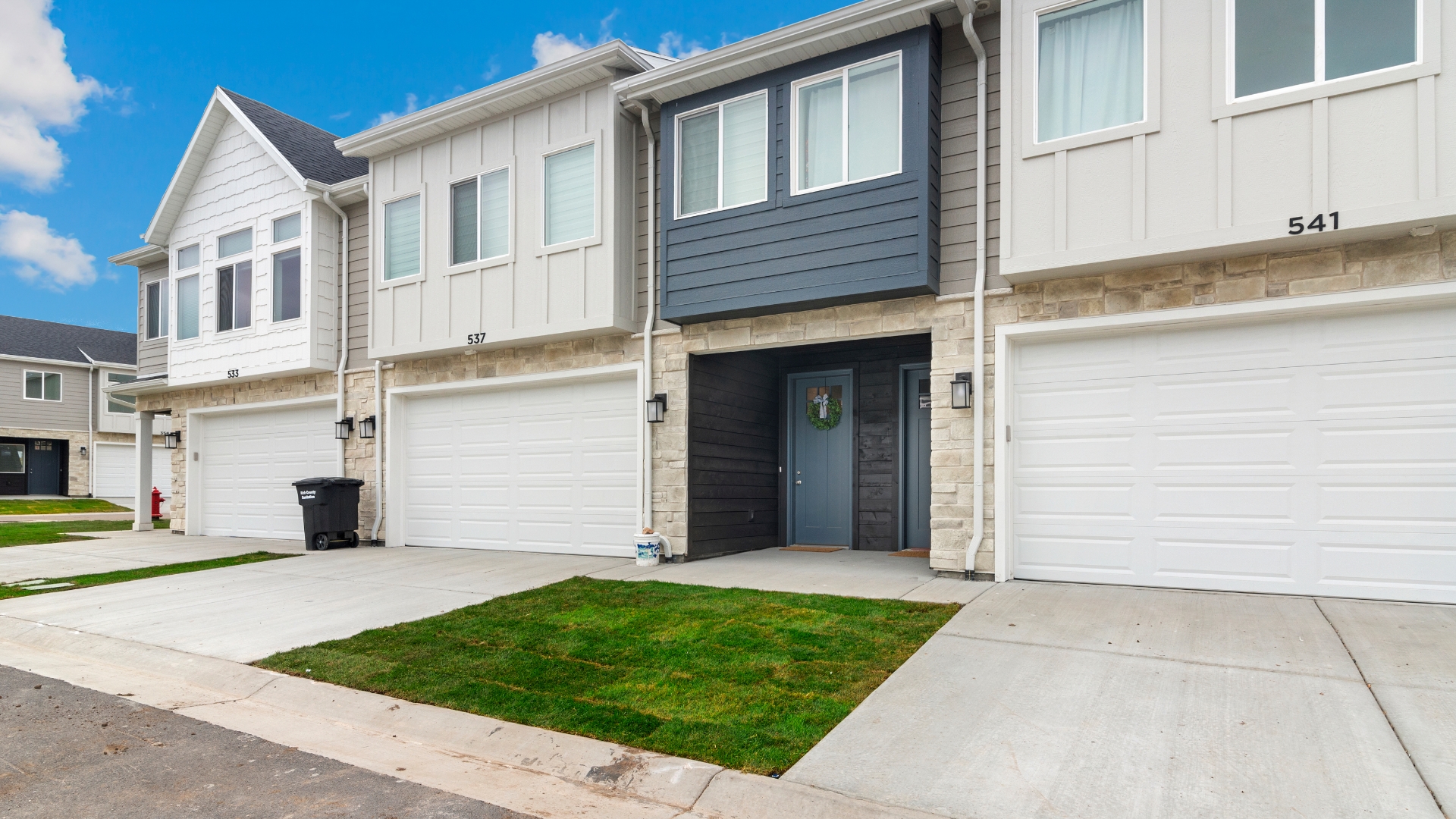
You wouldn't build a house without a blueprint. It’s the guide that ensures every wall is in the right place and the foundation is solid. Think of a property share agreement in the same way: it’s the blueprint for your co-ownership journey. It lays out everyone’s rights, responsibilities, and expectations, creating a strong foundation for your partnership. The good news is, you don’t have to draw this blueprint from scratch. Using a property share agreement template gives you a professional, comprehensive starting point, helping you cover all the essential details so you can focus on building years of happy memories in your new home together.
Key Takeaways Prioritize Clarity from the Start : A property share agreement is your most important tool for a successful partnership. It translates verbal understandings into a written contract, ensuring all owners are aligned on rules, responsibilities, and finances before any issues arise.Address the Essential Details : A strong agreement must include several core components, such as ownership percentages, a fair usage schedule, a complete financial plan for all costs, and a clear exit strategy for when an owner needs to sell their share.Use a Template, but Don't Stop There : Starting with a template saves time and ensures you cover key topics. However, you must customize it for your specific property and group, and always have a real estate attorney review the final document to make sure it is legally sound.What Is a Property Share Agreement? When you decide to co-own a vacation home with friends or family, you’re starting an exciting new chapter. The best way to make sure that chapter is filled with happy memories is to get on the same page from day one. That’s where a property share agreement comes in. Think of it as the foundational playbook for your property partnership. It’s a customized legal document that you and your co-owners create together, and it outlines all the rights and responsibilities of everyone involved. This isn't about a lack of trust; it's about creating clarity and preventing future misunderstandings.
This agreement is your go-to guide for everything related to the home. It details how ownership is divided, how costs are shared, and how scheduling is handled. More importantly, it provides a clear roadmap for handling future events, like what to do when a major repair is needed or if an owner decides to sell their share. By addressing these "what-ifs" before they happen, you ensure that every owner is treated fairly and that decisions are made smoothly. A well-crafted agreement is the key to a successful co-ownership experience, giving you the peace of mind to simply relax and enjoy your shared getaway.
Understand the basics of co-ownership agreements At its core, a property co-ownership agreement is a legal document that defines the relationship between everyone who owns a share of the property. It translates all your verbal agreements into a clear, written format that everyone can refer back to. This document covers the three main pillars of co-ownership: rights, responsibilities, and financial commitments. It answers all the practical questions, like who gets to use the home during peak season, how the annual budget for maintenance is decided, and what the rules are for bringing guests. It’s the official rulebook that keeps the experience organized and enjoyable for all.
Why a formal agreement is a must-have Even among the closest friends and family, memories can be fuzzy and verbal agreements can be misinterpreted. A formal, written contract is essential because it creates a single source of truth that protects both your investment and your relationships. It prevents confusion down the road by clearly outlining everyone’s expectations from the start. Think of it as a roadmap for your shared journey. It lays out the path ahead, including how to handle potential bumps or detours, so you can move forward together with confidence. Taking the time to create this document is a proactive step that builds a strong foundation for a lasting and positive partnership.
When you'll be glad you have one A good agreement proves its worth when life throws you a curveball. When the water heater unexpectedly breaks, you won’t have to debate how to split the bill; the process is already outlined in your agreement. If one owner wants to sell their share, you have a pre-approved plan to follow, avoiding a stressful and complicated situation. This document helps keep things fair and prevents small disagreements from turning into larger disputes. By addressing common questions and potential issues ahead of time, the agreement allows you to resolve matters quickly and get back to what’s important: enjoying your beautiful vacation home.
Key Clauses for Your Property Share Agreement A good co-ownership agreement is like a roadmap for your shared vacation home journey . It’s a legal document that outlines each owner's rights, responsibilities, and financial commitments, creating a clear framework to prevent future arguments. While it might feel a bit formal to discuss these details with family or friends, putting everything in writing is the best way to protect your relationships and your shared asset. A well-structured agreement provides peace of mind by clearly defining everyone’s roles, creating a secure and transparent partnership from day one. Think of it as the foundation for years of happy memories in your beautiful home.
Define ownership and property details This first section is the bedrock of your agreement. It should clearly state the legal names of all owners and the percentage of the property each person holds. For example, if four families are splitting a home equally, each would own 25%. This clause also needs to include the property’s full legal description, its physical address, and any other official identifiers. Getting these details right is essential because it formally establishes everyone’s stake in the home. It’s the official record of your shared co-ownership and the starting point for all other terms in the agreement.
Outline scheduling and usage rights This part of the agreement is all about ensuring everyone gets to enjoy the home. It establishes a fair system for booking stays and prevents conflicts over who gets the week of the Fourth of July. You can outline a rotating schedule, a points-based reservation system, or another method that works for your group. This clause should also cover rules for guests, policies on pets, and guidelines for renting out unused time to help offset costs. The goal is to create a clear and equitable process so that scheduling your vacation time is exciting, not stressful.
Clarify financial responsibilities Talking about money upfront is one of the smartest things you can do. This clause should detail exactly how all property-related expenses will be shared. Be specific and list everything, including mortgage payments, property taxes, insurance, utilities, and any HOA fees. The agreement should define each owner's contribution percentage and outline the process for collecting and paying bills. For instance, you might decide to have one person manage a joint bank account for all home expenses. This financial transparency ensures everyone is on the same page and helps avoid misunderstandings about money later on.
Plan for maintenance and repairs Every home needs upkeep, from routine landscaping to unexpected repairs like a leaky roof. This clause sets the rules for how maintenance is managed. It should define how decisions are made about repairs and upgrades, how costs will be approved and split, and who is responsible for coordinating the work. Many co-owners choose to contribute to a shared reserve fund for these expenses, which can soften the blow of a sudden, costly repair. Having a clear plan in place keeps the property in excellent condition and prevents disagreements when something inevitably needs fixing.
Create clear exit strategies Life is unpredictable, and an owner may need to sell their share someday due to a move, a financial change, or other personal reasons. A clear exit strategy protects everyone involved. This clause should outline the exact process for a sale, including how the property’s current market value will be determined, often through a professional appraisal. It should also specify if the remaining owners have the right of first refusal to buy the departing owner’s share. Thinking through these steps ahead of time makes a potential future sale a smooth, predictable process instead of a stressful ordeal.
Establish a process for disagreements Even with a detailed agreement, disputes can arise. This clause acts as a safety net by establishing a predetermined process for resolving conflicts. Instead of letting a disagreement escalate, you can agree to a series of steps, such as informal discussion, followed by mediation with a neutral third party. This approach provides a structured way to find a solution while preserving the relationships between owners. You’ll hopefully never need to use it, but having a conflict resolution plan in place offers valuable security and shows a commitment to working through challenges together.
Why Start with a Property Share Agreement Template? Embarking on a co-ownership journey is exciting, but the thought of drafting a legal agreement from scratch can feel a bit overwhelming. This is where a property share agreement template comes in. Think of it as a roadmap for your partnership, providing a solid framework that guides you and your co-owners through all the important conversations. Using a template isn’t about cutting corners; it’s about starting smart. It lays out the essential components of a strong agreement, ensuring you don’t miss any critical details that could cause confusion later.
A great template prompts you to discuss everything from financial responsibilities and usage schedules to maintenance plans and exit strategies. Instead of staring at a blank page, you have a clear starting point that organizes your discussions. By having these structured points ready to go, you can move through the process efficiently and collaboratively. It helps turn a potentially complicated task into a series of manageable decisions. This sets a positive and transparent tone for your shared ownership, ensuring everyone is on the same page from the very beginning and can look forward to creating lasting memories in your new vacation home.
Save time and get started faster Let’s be honest, you’d rather be planning your first getaway than spending weeks figuring out what goes into a legal document. A template gives you a head start by providing a comprehensive structure right out of the gate. A good co-ownership agreement should include details like who owns what percentage, financial duties, how decisions are made, rules for using the property, ways to solve disputes, and how to transfer ownership. Instead of trying to brainstorm all of this yourself, a template has these sections ready for you to customize, saving you valuable time and energy.
Ensure you cover all legal bases When you’re sharing a significant asset like a home, you want to make sure everyone is protected. A property share agreement is a legally binding contract that details the rights and responsibilities of each person who owns a share of the property. Starting with a template helps ensure you address all the necessary legal aspects. It acts as a checklist, covering the crucial clauses that protect your interests and provide clarity for every owner. This foresight helps prevent future disagreements by making sure all expectations are clearly defined and agreed upon in writing from day one.
A smart, budget-friendly option Drafting a custom legal agreement can be expensive, but a template offers a more budget-friendly starting point. While it’s always wise to have a legal professional review your final document, beginning with a template can significantly reduce the hours they need to spend on the project. This approach aligns perfectly with the spirit of co-ownership, where the goal is to make a beautiful vacation home more financially accessible. By managing costs effectively from the start, you make the dream of owning a second home an even more attainable reality. Exploring different financing options can also help you plan your budget.
Where to Find a Great Template Finding the right property share agreement template can feel like a big task, but it’s a great first step toward making your co-ownership dream a reality. Think of a template as your foundation. It provides the structure and makes sure you don’t miss any crucial details. Starting with a solid template saves you from having to write a complex legal document from scratch, which is a relief for everyone. The key is knowing where to look and what makes a template truly useful. You can find excellent starting points on legal document websites, but it's also wise to know when to bring in a professional. A good template will guide your conversations with your co-owners, helping you think through all the important what-ifs before they happen. This process ensures everyone is on the same page from day one, setting you up for years of happy memories in your shared home.
Explore legal document platforms A quick search online will show you plenty of legal document platforms offering free and customizable templates. These are fantastic resources for getting started. For example, sites like Juro provide a simple property co-ownership agreement that clearly outlines how you and your partners can share ownership. Another great option is PandaDoc, which offers a free co-ownership agreement template you can adjust to fit your specific arrangement. These templates are designed to be user-friendly, helping you and your co-owners lay out the terms of your partnership without needing a law degree to understand them. They give you a solid framework to build upon.
Ask a real estate attorney While a template is an excellent starting point, it’s always a smart idea to have a real estate attorney review your agreement before anyone signs. Think of it as an extra layer of security. A legal professional can offer advice tailored to your unique situation and ensure your agreement complies with all state and local laws, which can be tricky. This is especially important if you have a complex ownership structure or are buying a high-value property. An attorney can spot potential issues you might have missed and help you refine the language to prevent future misunderstandings. This small investment upfront can save you a lot of headaches down the road.
What to look for in online templates When you’re comparing templates, you’ll want to make sure they cover all the essential bases of co-ownership. A thorough agreement helps prevent confusion later on. Look for sections that clearly define ownership percentages, financial responsibilities (like mortgage, taxes, and insurance), and how you’ll make decisions together. A good template should also include rules for using the property, a process for handling disagreements, and a clear exit strategy for how to transfer or sell ownership if someone’s situation changes. Having these details spelled out in writing ensures every owner feels secure and respected.
How to Tailor a Template to Your Needs A template is your starting block, not the finish line. Think of it as a solid foundation that you and your co-owners will build upon to create an agreement that truly fits your group and your new home. Every property is unique, and so is every group of owners. Taking the time to customize your agreement ensures that it reflects your shared expectations and sets everyone up for a smooth and enjoyable experience. This process is less about rigid rules and more about open conversation. It’s your chance to discuss the important details, from how you’ll split holidays to what happens if someone wants to sell their share down the road. A well-customized agreement provides peace of mind by clearly defining everyone’s roles and rights, creating a secure and transparent partnership for years to come. By personalizing your document, you're not just filling in blanks; you're actively building a framework for communication and fairness. This proactive approach helps prevent misunderstandings before they start, allowing everyone to focus on what matters most: creating lasting memories. It transforms a standard legal document into a personalized guide for your shared ownership journey, making sure every owner feels confident and respected.
Adapt the ownership structure First, you’ll want to clearly define who owns what. This part of the agreement specifies the percentage of the property each person owns. For example, in a four-way partnership, you might have four equal 25% shares. This structure is a core part of the co-ownership model and directly impacts financial contributions and voting rights. Your agreement should list every owner by name and their exact ownership stake. It’s also a good place to outline how major decisions will be made. Will it be a simple majority vote, or will some decisions require unanimous agreement? Clarifying this from the start prevents future confusion and ensures every owner’s voice is heard.
Set a usage schedule that works for everyone This part of the agreement is all about making sure everyone gets to enjoy the home. A fair and clear usage schedule is key to a happy co-ownership experience. You can outline a system for booking stays, whether it’s a rotating schedule, a lottery for peak holidays, or a more flexible first-come, first-served model. The goal is to create a process that feels equitable to everyone involved. Be sure to also include rules for swapping weeks, bringing guests, and what happens if a stay needs to be canceled. Thinking through these scenarios now helps manage expectations and keeps the focus on making wonderful memories in your shared home.
Define fair financial contributions Your agreement needs to detail how all property-related expenses will be handled. This goes beyond the initial purchase price and mortgage payments. Create a comprehensive list of shared costs, including property taxes, insurance, HOA fees, utilities, and a budget for routine maintenance and future repairs. Typically, these costs are split proportionally based on each person’s ownership share. You should also specify when and how these payments will be collected, perhaps through a shared bank account managed by one of the owners. A transparent financial plan is the bedrock of a strong partnership, ensuring the property is well-maintained without causing financial strain or disputes.
Add clauses specific to your property Every home has its own quirks and features, and your agreement should reflect that. This is where you can add clauses tailored to your specific property and lifestyle. For instance, if your vacation home is in a ski town, you might include rules for storing winter gear. If it has a pool or hot tub, you’ll want to outline safety and maintenance responsibilities. Other common clauses include policies on pets, smoking, renting out the property to offset costs, or making alterations to the home. Discussing these details helps ensure that everyone is on the same page about how to care for and respect your shared space.
Common Mistakes to Avoid A property share agreement is your roadmap for a smooth and enjoyable co-ownership experience. But like any important document, a few small oversights can lead to big headaches down the line. Taking the time to get these details right from the start protects your relationships and your shared investment in future memories. By thinking through potential challenges now, you can create a strong foundation that lets everyone relax and focus on what matters: enjoying your beautiful vacation home together. Here are a few common missteps to watch out for as you finalize your agreement.
Don't ignore local laws Property laws can be surprisingly specific, changing from one state or even one county to the next. A generic template is a fantastic starting point, but it won’t account for the local rules that govern real estate in your area. Your co-ownership agreement sets out the legal rights and responsibilities for every owner, so it must comply with local statutes to be enforceable. Before you sign, make sure your document aligns with state and municipal regulations regarding property sharing, titling, and owner obligations. This step ensures your agreement is solid and legally sound from day one, giving you a reliable framework to depend on for years to come.
Plan for every financial "what-if" It’s easy to plan for predictable costs like the mortgage and property taxes, but what about the surprises? A pipe could burst, the roof might need an unexpected repair, or HOA fees could suddenly increase. A well-structured agreement provides peace of mind by clearly defining how you’ll handle these unplanned expenses. Will you all contribute to an emergency fund? How will you decide on non-essential upgrades? Thinking through these financial "what-ifs" now prevents stressful, last-minute decisions and ensures the partnership remains transparent and secure, no matter what comes up. This foresight keeps financial friction from spoiling your shared vacation experience.
Never skip a final legal review Even the best template is just a starting point. Having a qualified real estate attorney review your final agreement is one of the smartest moves you can make. A legal professional can help you draft an agreement that clearly defines ownership percentages, financial duties, and clear exit plans tailored to your group’s specific needs. They can spot potential ambiguities or clauses that might not hold up under local law. This final check is a small investment that provides invaluable assurance, ensuring your document truly protects everyone involved. You can contact us to connect with professionals who can help.
Prepare for life's changes Life is unpredictable, and your agreement should reflect that. Co-ownership is often a long-term commitment, and circumstances can change over the years. People may get married, divorced, change careers, or pass away. Your agreement should clearly state what happens to an owner's share in these situations. For example, does the group have the first right to buy out a departing owner? What is the process if an owner passes away? Addressing these sensitive topics upfront is a practical way to protect all owners and ensure the future of your shared home is secure, preserving it for everyone to enjoy.
When to Call a Professional While a template is a fantastic starting point, some situations have a few more moving parts. Knowing when to bring in a legal or real estate professional can save you from future headaches and protect your relationships. Think of it as an investment in peace of mind. If your co-ownership plan involves any of the following scenarios, it’s a good idea to get an expert opinion.
For complex ownership structures When you team up with family or friends to buy a vacation home, things can get complicated, especially with more than two owners or unequal ownership shares. A good co-ownership agreement is like a roadmap for your shared journey. A lawyer can help you map out the details, like what happens if someone wants to sell their portion or how an owner's share is handled if they pass away. They’ll ask the tough questions you might not think of, ensuring every possibility is covered and everyone is on the same page from day one.
For high-value or unique properties If you’re co-owning a luxury property, the stakes are higher. A simple template might not cover all the specific details of a high-value home or one with unique features, like a boat dock or historic elements. A well-structured agreement provides peace of mind by clearly defining everyone’s roles and rights, creating a secure and transparent partnership. A professional can help you add custom clauses that protect your significant asset and address its specific needs. This ensures there’s a clear plan for everything from specialized upkeep to managing shared amenities, protecting both the property and your shared ownership .
For planning across generations Dreaming of a family cabin that your grandkids will one day enjoy? Planning for multi-generational ownership requires careful thought. A professional can help you draft an agreement that stands the test of time, clearly defining ownership percentages, financial duties, and exit plans for every owner involved. A well-written agreement helps keep family relationships healthy and prevents expensive legal battles down the road. By setting up a clear framework for ownership , you can ensure your vacation home remains a place of joy, not a source of conflict for future generations.
Finalize Your Co-Ownership Agreement You’ve talked through the big questions, worked out the details, and drafted an agreement that feels right for your group. Now, it’s time to put the finishing touches on your document and make it official. This final stage is all about making sure every detail is correct, everyone is on the same page, and you have a solid foundation for years of happy memories in your shared home. Think of it as the last bit of homework before the real fun begins. Taking the time to be thorough here gives everyone the peace of mind to truly relax and enjoy the property. Let's walk through the last few steps to get your agreement signed, sealed, and ready for your first vacation.
Your step-by-step implementation plan Putting your agreement into action is more straightforward than you might think. First, clearly define the ownership percentages for each person involved so there’s no ambiguity. Next, outline all financial duties, from mortgage payments and taxes to a shared fund for unexpected repairs. It’s also smart to create a simple framework for making decisions, like how you’ll handle upgrades or approve rental requests. A good co-ownership plan also includes rules for using the property and a clear process for what happens if someone wants to sell their share down the road. Getting these details on paper now prevents so much confusion later.
The ultimate pre-signing checklist Before anyone picks up a pen, run through this final checklist to ensure a smooth start. First, have every owner read the entire agreement one last time to review all ownership and financial terms. This is the moment to ask questions and make sure everyone understands their responsibilities. Next, it’s always a good idea to have a legal professional look over the document. They can spot potential issues and ensure everything is clear and legally sound. The goal is total transparency. A strong, clear agreement is the foundation of a stress-free ownership experience, making sure your shared vacation home is a source of joy, not headaches. If any last-minute questions pop up, our FAQ page is a great place to find answers.
Related Articles Frequently Asked Questions Do we really need a formal agreement if we're co-owning with close family? It’s a great question, and it’s one that comes up a lot. Think of the agreement less as a sign of mistrust and more as a tool for clarity. Even with the best intentions, verbal agreements can be forgotten or interpreted differently over time. This document simply puts all your shared decisions on paper, creating a single, clear reference point for everyone. It protects your relationships by preventing small misunderstandings about things like scheduling or repair costs from turning into bigger issues down the road.
What's the single most important part of the agreement to get right? While every clause is important, the exit strategy is often the most critical and overlooked section. Life happens, and people’s circumstances change for all sorts of reasons, like a new job, a growing family, or a shift in finances. Having a clear, pre-agreed plan for how an owner can sell their share protects everyone involved. It outlines a fair process for valuing the share and gives the remaining owners a clear path forward, making a potentially stressful situation much more manageable.
Can we update our property share agreement later on? Absolutely. Your agreement should be a living document that can adapt as your group’s needs change over time. Most co-owners include a clause that outlines the process for making amendments , which usually requires a unanimous vote from all owners. Whether you want to adjust the usage schedule or change the policy on pets, you can formally update the document so it always reflects your current arrangement.
How do we handle a major, unexpected repair cost that isn't in our budget? This is exactly why the financial section of your agreement is so important. A strong agreement will outline how to handle these "what-if" scenarios. Many co-owners decide to maintain a shared reserve fund that everyone contributes to regularly. When a big expense like a new roof comes up, the money is already there. If you don't have a reserve fund, your agreement should specify how the cost will be split and the timeline for each owner to contribute their share.
Is a template from the internet good enough, or do we have to hire a lawyer? Starting with a template is a smart and cost-effective way to organize your thoughts and guide your initial conversations. It ensures you cover all the essential topics. However, we always recommend having a real estate attorney review your final document before anyone signs it. Property laws vary by location, and a lawyer can ensure your agreement is legally sound and tailored to your specific situation, giving everyone peace of mind.