A vacation should be a time to relax, not a time to work on a second home. Yet for many sole owners, weekends away are spent on maintenance, repairs, and yard work. Managed co-ownership offers a different experience, one where you can simply arrive and enjoy your time. All the logistics, from cleaning to fixing a leaky faucet, are handled for you. This turnkey approach is incredibly appealing, but it’s built on a shared ownership model. This approach isn't for everyone, so let's explore the pros and cons of co ownership to see if this hassle-free model truly fits your lifestyle and vacation goals.
Key Takeaways Afford a better vacation home by sharing costs : Co-ownership splits the purchase price and ongoing expenses , giving you access to premium properties in desirable locations that might otherwise be out of financial reach.Get the perks of ownership without the work : Professionally managed co-ownership means all the maintenance, cleaning, and scheduling is handled for you, creating a turnkey experience where you can just show up and relax.Protect your interest with a clear legal structure : A comprehensive ownership agreement is the foundation of a smooth partnership, establishing fair rules for scheduling, making decisions, and selling your share to prevent future misunderstandings.What Is Co-Ownership and How Does It Work? At its core, co-ownership is exactly what it sounds like: two or more people owning a single home together. Think of it as a team approach to homeownership. Each person owns a legal share of the property and builds equity just like they would with a traditional home. All the owners are listed on the home’s title, which clearly outlines how much of the home each person owns. It’s a straightforward way to make owning a beautiful vacation home a reality without carrying the entire financial and logistical load yourself.
This shared model turns the dream of a luxury getaway into an attainable goal. Instead of one person shouldering all the costs, from the down payment to monthly upkeep, expenses are divided among the owners. This makes it possible to own a much nicer home in a more desirable location than you might be able to afford on your own. The entire process is managed to ensure everything runs smoothly, from scheduling stays to handling maintenance, so you can focus on what matters most: creating memories with your loved ones. It’s a practical and collaborative way to enjoy the best parts of having a vacation home.
A Look at Different Co-Ownership Models There are a few common ways to structure a co-ownership agreement, and the right one depends on the owners' goals. One option is Tenancy in Common (TIC) , where each owner holds a specific share they can sell or pass on independently. Another is Joint Tenancy , where owners have equal shares, and if one owner passes away, their share automatically transfers to the surviving owners. A very popular model for vacation homes is forming a Limited Liability Corporation (LLC) . In this setup, the LLC owns the property, and the co-owners hold shares in the LLC, which provides a clear legal framework and personal liability protection.
While they sound similar, fractional and traditional co-ownership serve different purposes. Traditional co-ownership usually involves a small group of people, often family or friends, buying a primary residence or a long-term property together. The focus is on shared living or a joint family asset. Fractional ownership , on the other hand, is designed specifically for luxury vacation homes. It allows multiple unrelated parties to buy a share of a property for their personal use. This model is professionally managed, making it a hassle-free way to own a second home in a beautiful destination without the full-time commitment.
What Are the Benefits of Co-Ownership? If you’ve ever dreamed of owning a vacation home but felt held back by the price tag or the responsibilities, co-ownership might be the answer. This approach to property ownership is gaining traction because it makes the dream more accessible and practical. By sharing ownership with a small group of people, you get all the perks of a second home without the traditional burdens. It’s about getting more for your money, from the property itself to the experience of owning it.
The benefits extend beyond just the financial side. Co-ownership introduces a smarter, more sustainable way to enjoy a luxury property that might otherwise sit empty for much of the year. It’s a model built around maximizing enjoyment and minimizing stress. You can create lasting memories in a stunning location without letting the logistics of homeownership get in the way of your relaxation. Let’s look at some of the key advantages that make this model so appealing.
Enjoy Lower Costs and Shared Expenses The most straightforward benefit of co-ownership is the reduced financial commitment. Instead of shouldering the entire cost of a property, you split it among several owners. This includes the initial purchase price as well as ongoing expenses like property taxes, insurance, utilities, and maintenance. This shared cost structure significantly lowers the barrier to entry, allowing you to own a piece of a beautiful home for a fraction of what it would cost to buy it alone. By sharing ownership, you reduce your financial exposure while still enjoying the perks of having a dedicated vacation spot.
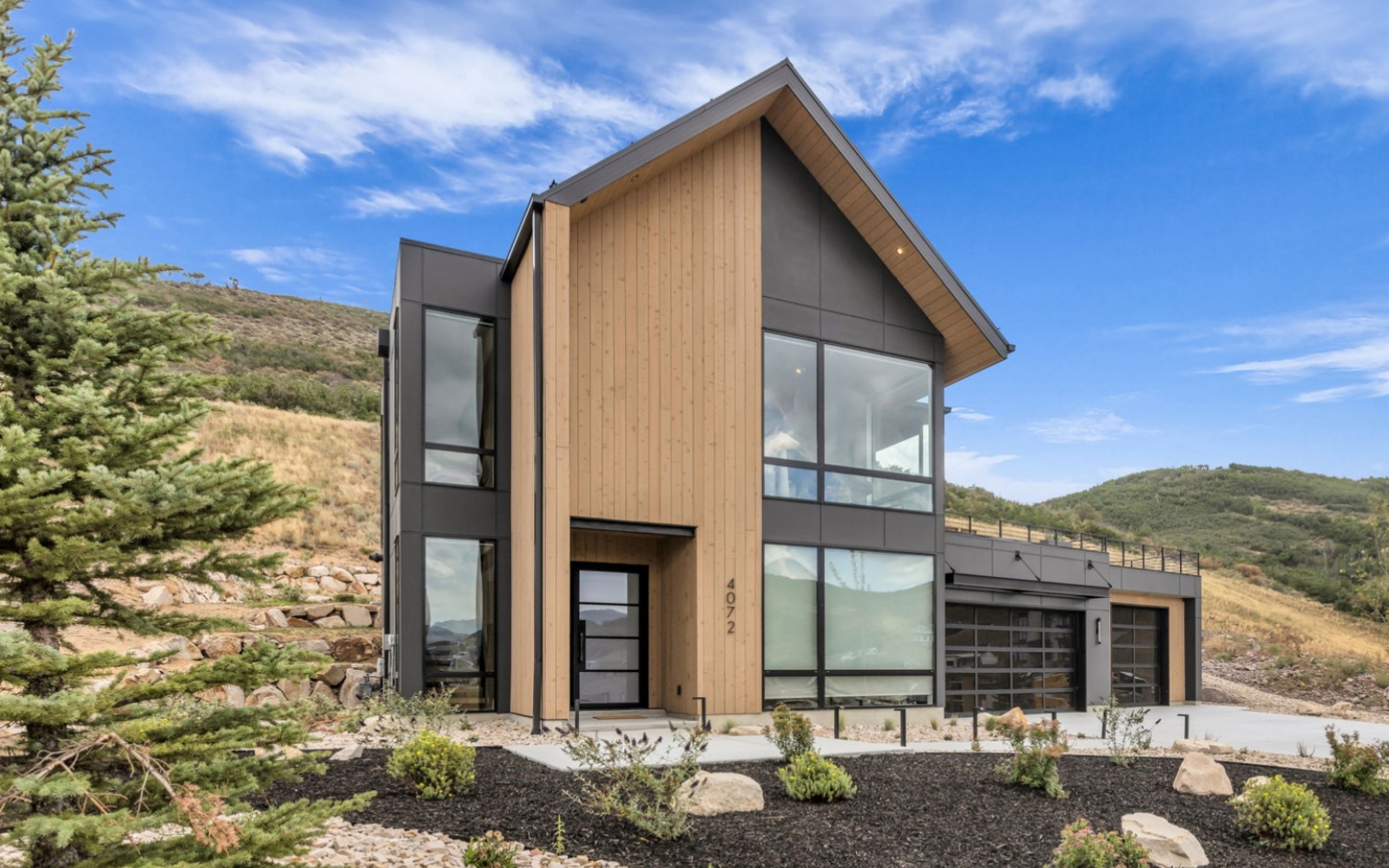
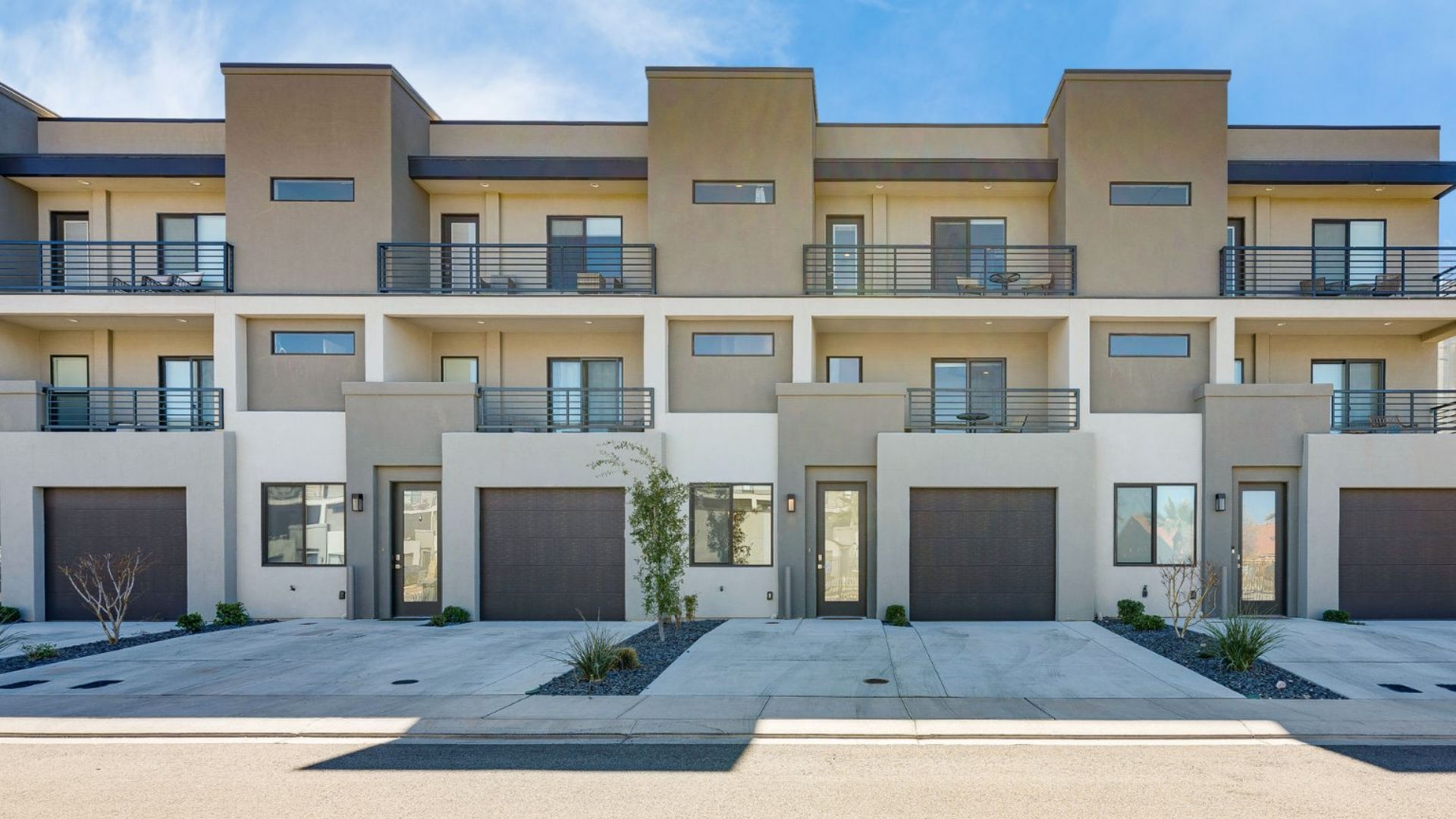
Access Premium Properties for Less Sharing the cost doesn’t just mean spending less; it means you can afford more. Co-ownership opens the door to higher-end, luxury properties in prime locations that might otherwise be out of reach. Think about that mountain cabin with stunning views or a modern desert retreat you’ve always wanted. With a co-ownership model, these types of premium homes become attainable. You’re not compromising on quality or location. Instead, you’re pooling resources with other like-minded buyers to own a share of a truly exceptional property. You can explore Fraxioned’s current listings to see the caliber of homes available through co-ownership.
Enjoy Hassle-Free, Professionally Managed Ownership A major hesitation for many potential second-home buyers is the work involved. Who fixes the leaky faucet, manages the landscaping, or cleans up after a stay? With a managed co-ownership model, a dedicated company handles all of it. This professional management takes care of everything from routine maintenance and repairs to housekeeping and bill payments. This service turns your property into a true turnkey escape. You can simply show up and relax, knowing everything is taken care of. Platforms like the myFRAX Portal make it easy to manage your stays and see that the property is being professionally maintained year-round.
Flexible Stays and Rental Options Co-ownership is designed for flexibility. Through a clear and equitable scheduling system, you and the other owners can book your stays throughout the year. This ensures everyone gets ample time to enjoy the home. And what about the weeks you can’t use? Many co-ownership agreements include the option to rent out your unused time. This isn’t about turning your vacation home into a full-time rental business; rather, it’s a practical way to offset some of the annual operating costs. It makes ownership even more affordable and ensures the home is enjoyed rather than sitting empty, which is a win for everyone.
What Are the Potential Downsides of Co-Ownership? Sharing a vacation home is an incredible way to own a beautiful property, but it’s wise to go in with your eyes wide open. Like any partnership, co-ownership comes with its own set of challenges that are important to consider. When you bring multiple people and their finances, schedules, and opinions together, you need a solid plan to make sure everything runs smoothly. Thinking through these potential hurdles ahead of time is the best way to ensure your co-ownership experience is a positive one. From making group decisions to managing shared finances, let’s walk through some of the common complexities you might encounter.
Making Decisions as a Group When you own a home by yourself, you get to make all the calls, from choosing the paint colors to deciding when to replace the roof. In a co-ownership arrangement, every major decision is made by committee. Agreeing on things like furniture, renovations, or even house rules can be challenging when multiple owners have different tastes and priorities. To prevent simple disagreements from turning into major disputes, it’s crucial to have a clear framework for decision-making from the very beginning. This is where a comprehensive co-ownership agreement becomes essential, as it outlines how choices are made and ensures everyone’s expectations are aligned before you even get the keys.
Understanding Shared Control Once you enter a co-ownership agreement, you no longer have complete control over the property. Every owner has equal rights, which means you can’t make unilateral decisions about the home, its finances, or its potential sale. This shift can be an adjustment, especially if you’re used to being the sole person in charge. For example, you might need group permission to make a significant upgrade or to rent the property out. This shared authority is a core part of the co-ownership model, and it works best when all owners communicate openly and respect the established process for managing the home together.
Coordinating Schedules and Stays One of the biggest logistical challenges of co-owning a vacation home is scheduling. Everyone will likely want to use the property during popular holidays and peak seasons, so figuring out a fair system is key. Without a clear and equitable process, booking your stays can become a source of frustration and conflict. It’s important to agree on a scheduling method before you finalize the purchase. A well-managed system, often handled through a dedicated platform like the myFRAX Portal , can prevent scheduling headaches by providing a transparent and easy way for all owners to reserve their time at the property, ensuring everyone gets a fair chance to enjoy it.
A Look at Shared Financial Risks Sharing costs is a huge benefit of co-ownership, but it also means sharing financial risks. If one of the co-owners runs into personal financial trouble, it can potentially impact the other owners and the property itself. For instance, if someone is unable to pay their share of the mortgage, taxes, or maintenance fees, the remaining owners may have to cover the shortfall to protect their collective asset. That’s why it’s so important for the ownership structure to be set up correctly, often within an LLC, to protect all parties. Understanding the financing structure and legal safeguards from the start helps minimize these risks for everyone involved.
The Legal and Financial Side of Co-Ownership Thinking about the financial and legal details of co-ownership can feel a bit daunting, but it’s actually the key to a stress-free experience. Getting everything clear from the start ensures that every owner is on the same page and can focus on what really matters: enjoying their beautiful vacation home. When you work with a company that specializes in
Key Agreements and Legal Documents You'll Need The cornerstone of any successful co-ownership is a solid legal agreement. This isn't just boring paperwork; it's a roadmap that outlines everyone's rights and responsibilities. A comprehensive co-ownership agreement will typically cover how the property is used, how decisions are made, and what happens if someone wants to sell their share. It details everything from booking your stays to managing shared expenses. Think of it as a user manual for your shared home, created to prevent misunderstandings and ensure fairness for all owners. Having this document in place provides peace of mind and a clear framework for your partnership.
How Financing Works for Co-Owned Properties One of the biggest draws of co-ownership is that it makes owning a luxury property more attainable. Instead of shouldering the entire cost yourself, you share it with a small group of other owners. Many people choose to pay for their share in cash, but financing is also an option. You can secure a loan for your portion of the property, much like a traditional mortgage, but on a smaller scale. Some companies have relationships with lenders who are familiar with this ownership model, which can simplify the process. You can explore different financing options to find what works best for your budget.
Understanding Taxes and How Expenses Are Split Beyond the purchase price, owning a home comes with ongoing costs like property taxes, insurance, and maintenance. In a co-ownership model, these expenses are divided equitably among the owners, usually based on the size of their share. This means you only pay a fraction of the total operating costs, which are managed for you. When it comes to taxes, you may be able to deduct your portion of the mortgage interest and property taxes, just as you would with a traditional home. It’s always a good idea to consult a tax professional to understand the specific implications for your situation.
Planning Your Exit Strategy Life changes, and your vacation home needs shouldn't be a lifelong trap. That's why having a clear exit strategy from the very beginning is so important. Your ownership agreement should clearly outline the process for selling your share. This ensures that when you're ready to move on, there's a simple and fair process in place that protects your interests and those of the other owners. This isn't about flipping the property; it's about providing flexibility and a straightforward way to transition out of the ownership group when the time is right for you.
How to Make Co-Ownership Work for Everyone Sharing a vacation home can create incredible memories, but it works best when everyone is on the same page. A successful co-ownership arrangement isn’t about luck; it’s about clear communication and thoughtful planning from the very beginning. When you establish a solid framework for how the home will be used, managed, and maintained, you create an environment where every owner can relax and truly enjoy their time away.
Think of it like a friendly partnership. The goal is to anticipate potential questions and agree on the answers ahead of time. This proactive approach helps prevent misunderstandings down the road and ensures the experience remains positive for all involved. By setting clear expectations, creating a fair schedule, planning for disagreements, and agreeing on how to handle expenses, you build a strong foundation. This allows the focus to stay where it should be: on making lasting memories with the people you care about in a place you love. With a company like Fraxioned, many of these details are handled for you through a professional management structure, making the process even smoother.
Set Clear Expectations from Day One The key to a harmonious co-ownership experience is starting with a strong, transparent agreement. Before you even get the keys, every owner should understand their rights and responsibilities. This is typically outlined in a legally binding operating agreement that acts as a roadmap for your partnership. It should cover everything from how decisions are made to who handles what.
A good agreement also includes a plan for the future, detailing how an owner can sell their share if their circumstances change. Ensuring all co-owners share similar goals for the property is the most important first step. When everyone’s vision aligns from the start, you’re setting the stage for a seamless and enjoyable ownership journey.
Create a Fair Usage Schedule and House Rules One of the first questions people ask about co-ownership is, "How do we decide who gets to use the house when?" The answer lies in a fair and equitable usage schedule. Most co-ownership models use a system that allows owners to book their stays in advance, ensuring everyone gets ample opportunity to enjoy the property throughout the year.
Beyond scheduling, establishing a simple set of house rules helps maintain respect for the shared space and for fellow owners. These rules might cover topics like guests, pets, or cleaning expectations. The myFRAX Portal is a great example of a tool that simplifies this process, allowing owners to easily manage their stays and access important property information all in one place.
Have a Plan for Resolving Disagreements Even with the best intentions, disagreements can occasionally arise. Whether it’s a difference of opinion on a new piece of furniture or a scheduling conflict, having a predetermined process for resolving issues is essential. Instead of letting a small problem escalate, a clear plan allows everyone to address concerns constructively.
This plan is usually part of the initial ownership agreement and outlines the steps to take when owners can't reach a consensus. It often involves simple communication protocols or a voting system for decisions. Having these processes in place provides peace of mind, ensuring that any potential bumps in the road can be handled fairly and efficiently, without disrupting the positive atmosphere of your shared vacation home.
Agree on Maintenance and Expense Protocols One of the biggest advantages of co-ownership is sharing the costs of owning a home. Expenses like property taxes, insurance, utilities, and routine maintenance are divided among the owners, making a luxury property much more accessible. To keep things running smoothly, it’s important to have a clear protocol for how these costs are managed.
Typically, a portion of the annual operating budget is set aside for both expected and unexpected maintenance needs. All costs are transparently tracked and shared, so you always know what you’re paying for. This shared financial responsibility not only lightens the load for each individual but also ensures the property is consistently well-maintained for everyone to enjoy. You can learn more about how financing works for this model.
Protecting Your Property: Insurance and Risk When you share a home, you also share the responsibility of protecting it. Thinking about insurance and potential risks isn't the most exciting part of planning your future getaways, but it’s one of the most important. A solid plan ensures that everyone’s interest in the property is secure, so you can focus on making memories instead of worrying about what-ifs. Properly addressing these topics from the start protects the home and the relationships between the co-owners. It’s about creating a safety net that covers everything from a leaky roof to more serious liabilities. Let's walk through what you need to know to keep your shared vacation home safe and sound for years to come.
Finding the Right Property Insurance for Multiple Owners When you co-own a home, you need a single, shared home insurance policy that lists every owner. This ensures everyone is protected under one comprehensive plan that covers the structure, shared belongings, and liability. Because co-ownership is unique, a standard policy won't cut it. You’ll need a policy customized for multiple owners, which a professional management company typically handles. This approach ensures there are no gaps in coverage and that the guide to sharing a home insurance is tailored to your property’s specific needs, like whether it will be rented out.
Understanding Liability and Shared Responsibility In a co-ownership arrangement, liability is a group effort. Since all owners are on the insurance policy, everyone shares legal and financial responsibility for the property. If a guest slips by the pool, all co-owners could be held liable, which is why robust liability coverage is non-negotiable. It’s crucial that all co-owners agree on the type and amount of coverage needed. The homeowners insurance rights for each person are tied to this single policy. In a managed co-ownership model, a standard, high-quality insurance plan is often part of the package, which simplifies the process.
What Happens if a Co-Owner Can't Pay? This is a common and valid concern. If one co-owner faces financial hardship and can't contribute to shared expenses like taxes or insurance, it can put a strain on everyone else. The co-ownership agreement should clearly outline the steps to take in this situation, but insurance can also provide a layer of protection. To prepare for the unexpected, some co-ownership groups require each owner to have a life insurance policy. This can be structured to cover their share of ongoing costs for a period, ensuring the remaining partners aren't suddenly burdened. It’s a practical way to work on insurance for a co-owned home and protect the group’s financial stability.
How Does Co-Ownership Compare to Other Options? Choosing how you vacation is a big decision, and it helps to see how all the options stack up. Co-ownership offers a unique middle ground between renting and buying a whole home yourself. It’s designed for people who want the perks of ownership, like building equity and having a familiar place to return to, without the massive price tag and upkeep of a solely owned property.
When you compare it to other models, you start to see where it really shines. Unlike a standard rental, you own a real asset. And unlike a traditional timeshare, you have more flexibility and a clearer ownership stake. Let's break down how co-ownership compares to the alternatives.
Co-Ownership vs. Owning a Home by Yourself Owning a vacation home all by yourself is a wonderful goal, but it comes with a hefty financial commitment and the full weight of maintenance. The biggest advantage of co-ownership is splitting these costs. By sharing the purchase price and ongoing expenses, you can afford a much nicer home in a more desirable location. You can browse stunning listings that might be out of reach for a single buyer.
Beyond the initial purchase, you also share the costs of property taxes, insurance, and repairs. Instead of spending your vacation fixing a leaky faucet or coordinating lawn care, you can relax knowing that a professional management team is handling it all. It’s the pride of ownership without the full-time hassle.
How It Differs from Rentals and Timeshares Renting a vacation home is great for a one-off trip, but you’re not building any equity. That money is gone once your vacation ends. Timeshares were an early attempt to solve this, but they often come with high annual fees and little flexibility, and you typically only own the "right to use" the property, not the property itself.
Co-ownership is different because you purchase a deeded share of the actual real estate. This means you can benefit from any potential appreciation in the home's value over time. You’re not just paying for access; you’re buying an asset. It gives you a true sense of home and a stake in a place you can enjoy for years to come.
A Closer Look at Fractional Ownership Programs You could informally co-own a home with friends or family, but that approach can strain relationships when disagreements over scheduling or expenses arise. A formal fractional ownership program provides the structure needed for a smooth experience. These programs handle the legal framework, scheduling, and professional management so you don't have to.
The key is ensuring all co-owners have similar goals for the property. A managed program helps align expectations from the start, creating a community of like-minded owners. This structure is designed to protect your interest and make owning a vacation home simple and enjoyable. If you have more questions about how it all works, you can find many answers in a detailed FAQ .
Common Co-Ownership Myths, Busted The idea of co-owning a vacation home is exciting, but it’s easy to get tangled up in misconceptions about control, decision-making, and what happens when it’s time to sell. Let's clear the air and look at some of the most common myths about shared ownership. Understanding how it really works is the first step toward deciding if this path to owning a dream vacation home is the right one for you and your family.
Myth: Ownership Equals Full Control One of the biggest misunderstandings is that owning a piece of a property gives you the same freedom as owning it solo. In reality, co-ownership is a partnership built on shared goals. Think of it less as losing control and more as gaining a team. A solid legal agreement is the foundation, outlining everyone’s responsibilities and the process for making decisions. With a managed co-ownership model , this structure ensures the property is beautifully maintained and that your time there is truly relaxing. It’s a system designed for peace of mind, not power struggles.
Myth: Every Owner Has an Equal Say While every owner’s voice matters, that doesn't mean every single decision is put to a group vote. That would be exhausting. A well-run co-ownership operates with clear guidelines. Day-to-day upkeep is typically handled by a professional property manager, freeing you from minor worries. For larger decisions, like significant upgrades, the operating agreement provides a clear and fair process. The key is ensuring all co-owners share similar goals for the property from the start, which helps create a smooth and enjoyable experience for everyone involved.
Myth: Selling Your Share Is Always Simple The thought of selling your share can feel complicated, and it’s true that you can’t just put a "For Sale" sign on your fraction of the lawn. However, it doesn't have to be a headache. Unlike traditional arrangements where disagreements can stall a sale, a structured program provides a clear exit strategy. This protects the value of the home and ensures a fair process for all owners. Fraxioned offers a streamlined approach to reselling your share , making the process transparent and straightforward. This built-in plan gives you flexibility for the future.
Is Co-Ownership Right for You? Co-ownership is a fantastic way to own a vacation home, but it’s wise to consider if it truly fits your life. Answering that question starts with taking an honest look at your finances, vacation habits, and how you feel about sharing. Think of it as a gut check to make sure your dream of a getaway home aligns with the reality of owning it with others. This isn’t about finding a perfect answer, but about finding the perfect fit for you and your family. By thinking through these key areas, you can feel confident in your decision and get ready to start making memories.
Assess Your Finances and Vacation Goals The biggest draw for many people is splitting the financial burden. Sharing the purchase price and ongoing expenses makes owning a beautiful home in a desirable location much more attainable. Before you start browsing listings , take a moment to map out your budget. Think about what you’re comfortable spending on a down payment and how the shared monthly costs, like maintenance and taxes, fit into your financial picture.
From there, consider your vacation goals. Are you looking for a familiar place to return to year after year, creating traditions with your family? Or do you prefer exploring new destinations each year? Co-ownership is ideal for those who want a consistent, high-quality home base for their getaways. Understanding the financing options available can also help clarify what’s possible for your budget.
Consider Your Lifestyle and How You'll Use the Home Be realistic about how often you’ll be able to use a vacation home. Does your work and family schedule allow for several trips a year? The beauty of co-ownership is that you’re only paying for a share of the home, which often aligns better with how much time people can actually spend there. Instead of a beautiful house sitting empty most of the year, you and your co-owners can ensure it’s enjoyed regularly.
A major benefit of a managed co-ownership model is that you get to skip the hassles of maintenance, repairs, and upkeep. This is perfect for a busy lifestyle where you want to just show up and relax. The co-ownership structure is designed to be hands-off for owners. You get all the perks of a vacation home without the weekend-long to-do lists, all while reducing your financial exposure compared to sole ownership.
Know Your Comfort Level with Shared Risk and Commitment Sharing a home means sharing decisions. While a professional management company handles the day-to-day, there will be moments when owner input is needed. It’s important to be comfortable with a shared approach to ownership. The key to making it work smoothly is having a solid legal framework in place from the start. A clear agreement outlines everyone’s responsibilities and sets expectations for everything from scheduling to selling a share.
This is where a structured program really shines. Unlike co-owning with friends where disagreements over maintenance can cause problems, a managed model has established protocols to prevent conflict. These systems ensure the property is well-maintained and that every owner is treated fairly. If you have questions about how this works, the answers are often found in a detailed FAQ that covers the legal and operational aspects of the partnership.
Related Articles Frequently Asked Questions How is scheduling handled to make sure everyone gets to use the home? Scheduling is managed through a fair and transparent system, often using a dedicated online portal. This system typically allows owners to book their stays in advance, using a rotating priority model to ensure everyone gets a chance to reserve popular dates and holidays over time. The goal is to provide all owners with equitable access throughout the year so you can plan your vacations with confidence.
What happens if I want to sell my share of the home later on? Life changes, and your ownership should be flexible enough to change with it. The co-ownership agreement includes a clear and straightforward process for selling your share. You don't have to find a buyer on your own; the management company will typically market your share to find a suitable new owner, making the resale process much simpler than a traditional home sale.
What ongoing costs should I expect besides the purchase price? Beyond the initial purchase of your share, you will contribute to the home's annual operating budget. These shared costs are predictable and cover everything needed to maintain the property, including property taxes, insurance, utilities, property management, and a reserve fund for future repairs or replacements. This approach makes the financial side of ownership transparent and much more manageable than owning a home by yourself.
Can I rent out my unused weeks to help cover costs? Yes, you generally have the option to rent out any of your scheduled weeks that you are unable to use. This is a practical way to help offset your annual operating costs. The property management company usually handles all the details, from booking and guest communication to cleaning, so it’s a hassle-free process for you.
Who is responsible if another owner causes damage to the property? The legal agreement and property insurance are set up to protect all owners in situations like this. If damage occurs during an owner's stay, that individual owner is responsible for covering the cost of repairs. This ensures that the rest of the ownership group is not financially impacted by an isolated incident, protecting both the property and your interest in it.