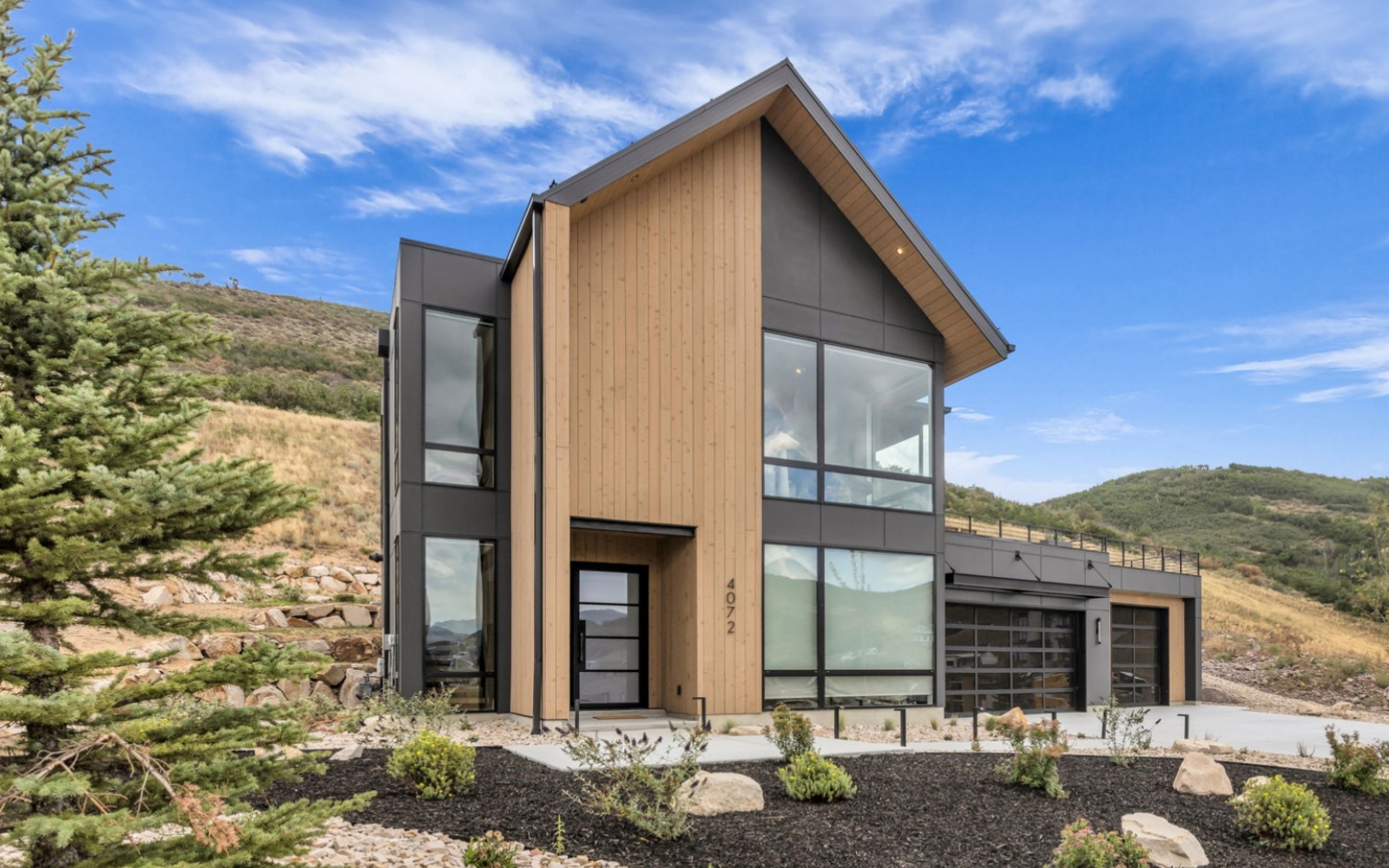
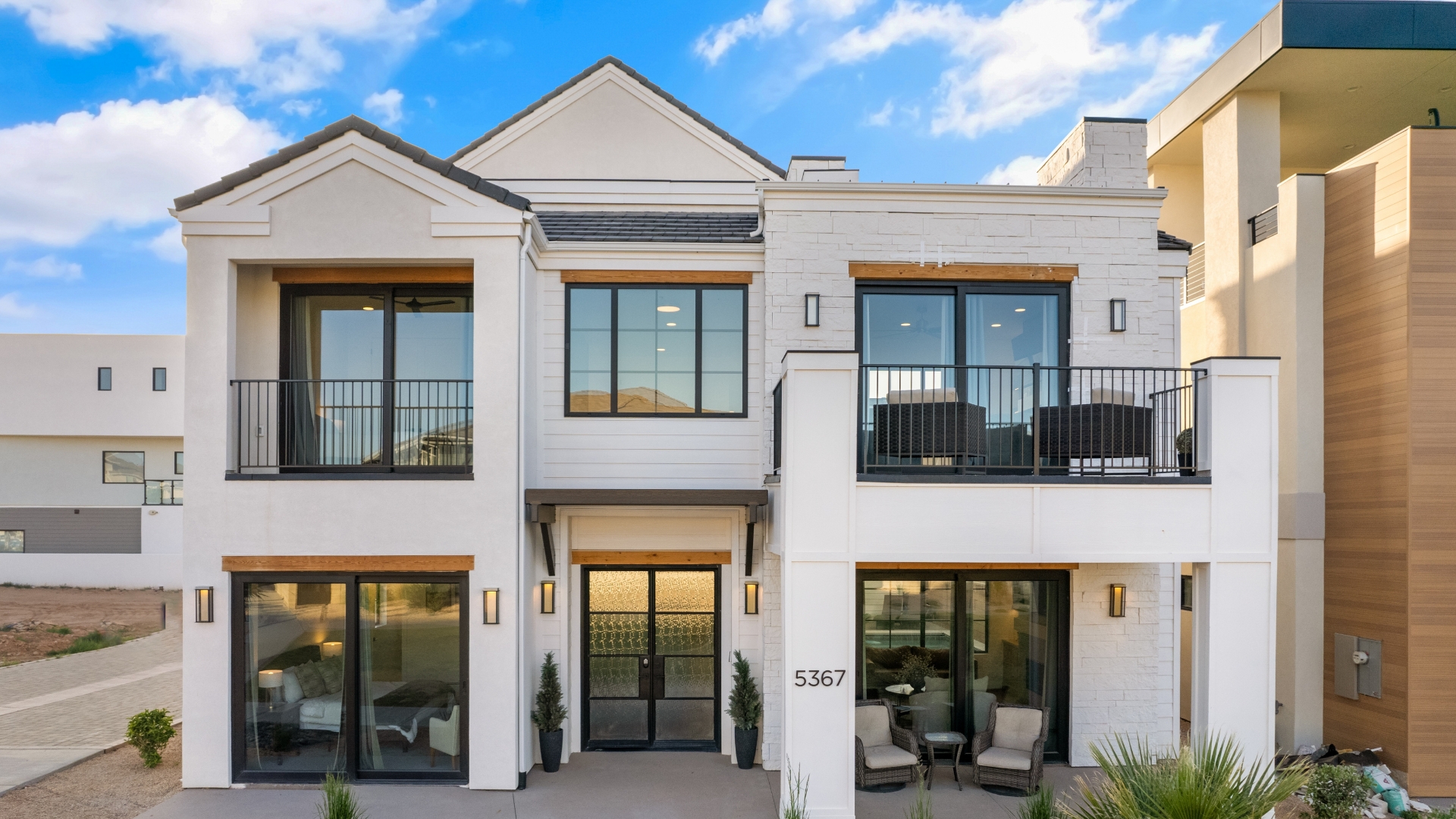
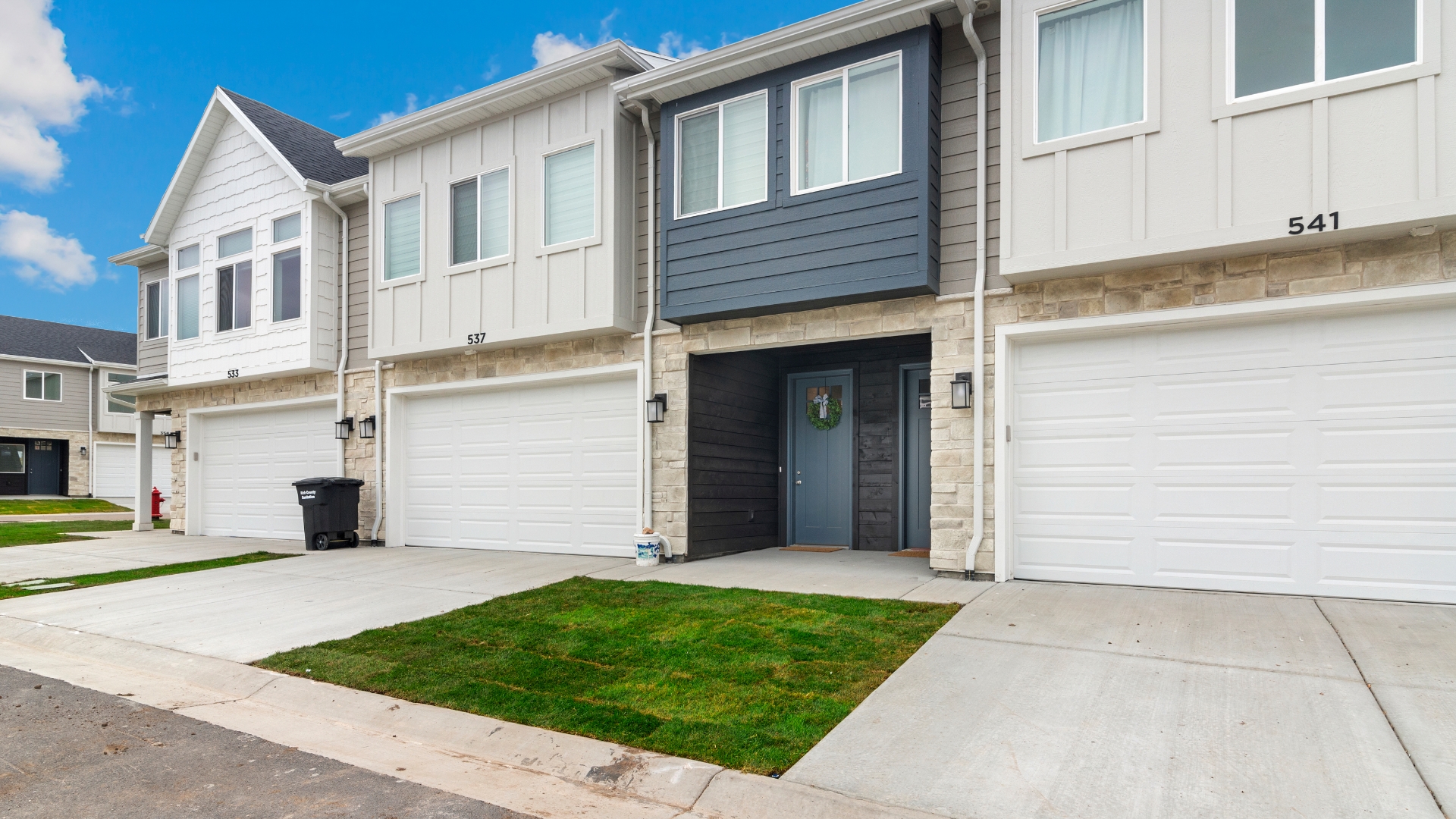
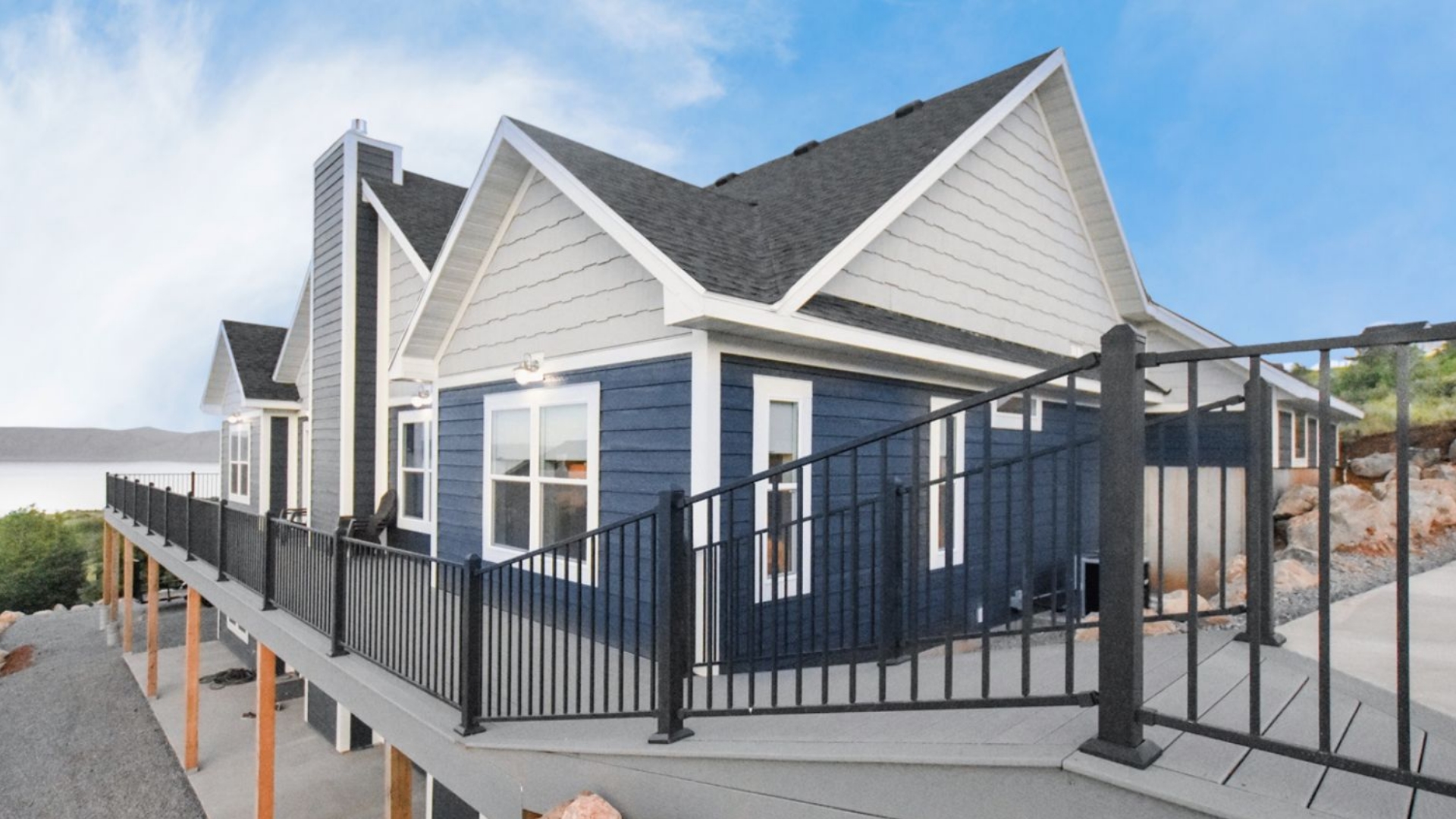
You’ve likely heard about shared ownership schemes, maybe even the term shared ownership staircasing , which lets you buy more of your home over time until you own it all. It’s a common path for first-time homebuyers. So, when you see a stunning mountain cabin or beach house offered with "shared ownership," it’s natural to wonder if it works the same way. The short answer is no. The model for a primary residence is fundamentally different from the fractional ownership we offer at Fraxioned. Our approach is designed for lifestyle and enjoyment, providing a clear, professionally managed structure for co-owning a luxury vacation home from day one.
Key Takeaways Trade Rent Payments for Home Equity Plan for the Process and Its Costs : Buying more shares is a formal transaction that requires a property valuation, a solicitor, and potentially other fees, so it's important to review your lease and budget for these costs from the start.Use the Right Model for a Vacation Home : While staircasing is for primary shared ownership residences, fractional ownership is a distinct, professionally managed model designed for vacation properties, letting you enjoy co-ownership without the hassle of maintenance or scheduling.What is Shared Ownership Staircasing? So, you’ve heard the term “staircasing” pop up in conversations about shared ownership, but what does it actually mean? Think of it as a way to gradually increase your stake in your home. In simple terms, staircasing is the process of buying more shares of your property over time. If you initially bought a 25% share, staircasing allows you to purchase another chunk, say another 25%, bringing your total ownership up to 50%. This means you own more of the property and, in turn, pay less rent on the portion you don't own.
This process is designed to be flexible, giving you a clear path toward owning more of your home as your financial situation improves. For many people, the ultimate goal is to staircase all the way to 100% ownership, but the journey is entirely up to you. It’s a feature that makes the shared ownership model so adaptable. It allows you to take bigger steps toward full ownership when the time is right, without the pressure to do it all at once. It’s about building your ownership on your own terms and timeline, whether that means buying small increments or larger shares when you can afford it. This approach removes the all-or-nothing pressure of a traditional property purchase, making homeownership feel much more attainable.
How It Works, Explained The beauty of staircasing is that you can typically start the process whenever you feel ready after becoming a shared owner. You aren’t locked into a rigid schedule. The process involves getting your home valued to determine the current market price of the shares you want to buy. Some newer agreements even offer a more gradual approach, allowing you to buy a 1% share each year for the first 15 years. This flexibility makes increasing your ownership more accessible, letting you build equity in smaller, more manageable steps without needing a large lump sum each time.
Rules for Buying More Shares Before you start planning, the most important step is to check your lease agreement . This document is your personal rulebook for staircasing and will outline any specific conditions that apply to your property. While many shared ownership leases allow you to eventually own 100% of your home, some have restrictions. For example, certain properties, particularly in rural areas, may cap the maximum share you can own at 80% to keep the homes affordable for the local community. Reading your lease carefully will give you a clear picture of your options and prevent any surprises down the road.
Why Bother Staircasing? The Key Benefits "Staircasing" might sound like a complicated term, but it's really just the process of buying more shares of your shared ownership home over time. You might be wondering if it's worth the effort, especially with the paperwork and fees involved. The short answer is: for many people, absolutely. Think of it as gradually increasing your stake in your own home, moving step-by-step from being a part-owner and part-renter to, potentially, the full owner. This process isn't just about a title change; it comes with some significant financial perks that can make a real difference in your monthly budget and long-term financial picture. It’s the built-in feature of shared ownership that allows you to grow with your home, at a pace that works for you. From reducing your rent to building a valuable asset, staircasing is the key that transforms your property from just a place to live into a solid foundation for your future. It puts you in the driver's seat, giving you more control over your housing costs and your financial destiny. Let's break down exactly what makes it such a powerful and popular option for shared owners.
Pay Less Rent Each Month One of the most immediate and satisfying benefits of staircasing is watching your monthly rent go down. Here’s how it works: with shared ownership, you pay a mortgage on the share you own and rent on the share you don’t. When you buy more shares, the portion you own gets bigger, and the portion you rent gets smaller. As a result, the rent you pay to your housing provider decreases. This can free up cash in your monthly budget, making your overall housing costs much more comfortable. It’s a straightforward way to reduce your expenses while taking a bigger step on the property ladder.
Build Equity in Your Home Beyond the monthly savings, staircasing is a fantastic way to build equity. Equity is the portion of your home that you truly own—the difference between its market value and the amount you owe on your mortgage. Each time you buy more shares, you're increasing your ownership percentage. This means you get to keep a larger slice of the pie if your home's value goes up over time. It’s a strategic move that helps you build wealth through your property . Instead of just paying rent, you're actively investing in an asset that can grow and support your financial future.
The Path to Owning 100% For many people, the ultimate goal of shared ownership is to one day own their home outright. Staircasing is the clear path to making that happen. You can continue buying shares in stages until you reach 100% ownership. Once you hit that milestone, you’re no longer a shared owner; you’re the sole owner. This means no more rent payments to the housing association, ever. You’ll have the complete freedom and security that comes with full homeownership, including the ability to make alterations or sell the property on your own terms. It’s the final step in the Right to Shared Ownership journey.
What Are the Costs of Staircasing? Buying more shares in your home is an exciting step, but it’s not just about saving up for the share itself. There are a few other costs involved in the staircasing process that you’ll want to budget for. Being prepared for these expenses from the start ensures there are no surprises along the way and helps the entire process run smoothly. Think of it as your financial checklist for a successful purchase. Here are the main costs you can expect to encounter.
Property Valuation Fees First things first, you'll need an up-to-date valuation of your property. This isn't something you can estimate yourself; it has to be done by an independent surveyor, usually one registered with the Royal Institution of Chartered Surveyors (RICS) . The valuation determines the current market value of your home, which is then used to calculate the price of the share you want to buy. Your housing provider will let you know if they will arrange the valuation or if you need to find a surveyor yourself. Either way, the fee for this service will be your responsibility to cover.
Legal and Solicitor Costs Just like when you first bought your shared ownership home, you’ll need a solicitor to handle the legal side of staircasing. This is a formal property transaction, so having professional legal advice is essential to make sure everything is handled correctly. You will be responsible for paying your own solicitor’s fees, while your housing provider will cover their own legal costs. It might feel like another expense, but having an expert guide you through the paperwork and protect your interests is well worth it for your peace of mind.
Stamp Duty Land Tax (SDLT) is a tax you might have to pay when you buy property or land over a certain price in England and Northern Ireland. With shared ownership, you have a choice when you first buy: you can either pay Stamp Duty on the full value of the property or just on the share you’re buying. If you chose the latter, you won’t have to pay any more Stamp Duty until you own more than an 80% share of your home. This is a huge benefit of staircasing gradually, as it allows you to spread out the cost over time.
Potential Admin Charges Finally, it’s a good idea to check with your housing provider about any administration fees they might charge for the staircasing process. Some providers charge a fee, which can range from around £150 to £500, when you purchase additional shares of 5% or more. This fee covers their costs for processing the transaction. It’s not a universal charge, but it’s common enough that you should ask about it early on. A quick call or email to your provider will clarify if this applies to you, so you can factor it into your overall budget.
Your Step-by-Step Guide to Staircasing Buying more shares in your home is an exciting milestone, but it can feel like a complicated process. The good news is that it’s more straightforward than you might think. Staircasing follows a clear, step-by-step path that thousands of people complete every year. Think of it as a simple checklist to get you from where you are now to owning a bigger slice of your home. Let’s walk through exactly what you need to do.
Get Your Paperwork in Order First things first, it’s time to dig out your lease agreement. This document is your personal rulebook for staircasing, and it contains all the specific details about how the process works for your property. It will tell you the minimum share you can buy and outline any restrictions you need to be aware of. Taking the time to review your lease at the very beginning will save you a lot of questions later on and ensure you start on the right foot.
Contact Your Housing Provider Once you’ve reviewed your lease and decided you’re ready to move forward, your first official action is to contact your housing provider. Let them know you’re interested in staircasing, and they will guide you through their specific procedures. They’ll provide you with the necessary application forms and explain the next steps you need to take. This is the official starting pistol for the process, so it’s an important step to get right. Your provider is there to help, so don’t hesitate to ask them any initial questions you might have.
Schedule a Property Valuation To figure out how much your new shares will cost, you’ll need to get your home valued. Your housing provider will require a valuation from an independent surveyor registered with the Royal Institution of Chartered Surveyors (RICS). This isn't something you can estimate yourself; the surveyor’s report will determine the current market value of your home, which is then used to calculate the price of the share you want to buy. The valuation is typically valid for three months, so you’ll need to complete the purchase within that timeframe.
Finalize the Legal Details With the valuation complete and your finances in place, the final step is to handle the legal side of things. You will need to hire a solicitor or conveyancer to manage the transaction. They will review the legal documents, handle the transfer of funds, and update your lease to reflect your new, larger ownership share. The government’s official guidance makes it clear that you’ll need a legal professional to ensure everything is done correctly and your new ownership is officially registered. This protects your investment and makes the whole process official.
Are There Any Staircasing Restrictions? While staircasing is a fairly standard process, it isn’t always a free-for-all. Depending on your property and your housing provider, you might run into a few specific rules or limitations. Knowing about these potential restrictions ahead of time can save you a lot of headaches and help you plan your next steps more effectively. Most of these rules are in place for good reasons, but they are definitely things you’ll want to be aware of before you start the process.
Check Your Lease Agreement The very first place you should look for information is your lease agreement. Think of this document as the official rulebook for your home. It will spell out the specific terms for staircasing, including any unique conditions that apply to your property. Before you do anything else, take some time to check your lease agreement to understand the exact process, any potential fees, and whether there are any caps on how much of the property you can eventually own. Every lease can be slightly different, so what applied to a friend’s home might not apply to yours. This is your single most important source of information.
Special Rules for Rural Homes If you live in a designated rural area, you might encounter a specific restriction on staircasing. Some properties have a cap on the percentage of ownership you can buy, which is often set at 80%. This isn't meant to hold you back; it's a measure designed to keep homes in the area affordable for local people for years to come. It ensures that a portion of the property remains within the shared ownership scheme, maintaining the stock of accessible housing in the community. Your lease will confirm if your home falls under this kind of protection, so it’s another great reason to review it carefully.
How Often Can You Buy More Shares? In the past, owners were often limited to staircasing a maximum of three times. However, rules have changed for many newer shared ownership homes, and this restriction has been removed. Now, you can typically purchase additional shares whenever you're ready, as long as you follow the proper procedure. Generally, you can buy shares of 5% or more at a time, giving you more flexibility to increase your ownership stake at a pace that works for your financial situation. This change makes the path to full ownership much more adaptable to your personal timeline and budget.
How Staircasing Changes Your Monthly Bills One of the most immediate effects of staircasing is the change to your monthly budget. As you buy more shares in your home, the balance of your payments will shift. It’s a common worry that taking on a bigger mortgage will make things less affordable, but that’s not always the case. Understanding how your rent and other fees are affected can help you see the bigger picture and plan your finances with confidence. Think of it less as adding a huge new expense and more as reallocating what you already pay each month. Let's break down exactly what happens to your bills when you decide to increase your ownership stake.
How Your Rent Payment Will Change Here’s the best part about staircasing: as you buy more shares, the amount of rent you pay goes down. It’s a simple trade-off. The rent you pay is calculated on the portion of the property you don't own. So, when your ownership percentage goes up, the housing provider's share goes down, and so does your rent. While your mortgage payments will likely increase to cover the cost of the new shares, your overall monthly housing costs could become more manageable. The ultimate goal for many is to buy more shares over time until they own 100% of the property. At that point, you stop paying rent altogether, leaving you with just your mortgage and service charges.
What Happens to Service Charges? It’s important to remember that service charges are a separate payment from your rent and mortgage. These fees cover the cost of maintaining any shared or communal areas, like hallways, gardens, or building exteriors. Because of this, you will likely still be responsible for service charges even after you’ve staircased to 100% ownership. This is especially common in apartment buildings or developments with shared amenities. If you live in a house, you might also have the option to purchase the freehold once you own the property outright, which can eliminate future ground rent payments. Always check your lease to understand exactly what fees will continue after you become the full owner.
Common Staircasing Hurdles and Myths The idea of staircasing can feel a bit complicated, and frankly, there’s a lot of confusing information out there. It’s easy to get bogged down by myths or feel overwhelmed by the process before you even start. Let’s clear up some of the most common hurdles and misconceptions so you can approach staircasing with confidence and a clear plan. Knowing what to expect—from the financials to potential delays—is the best way to make the journey smoother.
Debunking Common Misconceptions One of the biggest myths about shared ownership is that you’ll never truly own your home. This simply isn’t true. The entire point of staircasing is to provide a flexible path toward owning a larger portion, or even all, of your property. While most shared ownership homes are sold on a leasehold basis, that doesn't lock you out of ownership. Staircasing is the built-in mechanism that allows you to buy more shares in your home over time, at your own pace. It’s designed to be a gradual process, giving you a clear route to full ownership if that’s your ultimate goal.
Facing the Financials Let’s talk about money. The financial side of staircasing can seem daunting, but it’s more straightforward than you might think. At its core, staircasing is a structured way to increase your share of the property, which in turn helps you build more equity . Think of it as converting the rent you pay on the portion you don't own into a mortgage payment on a larger stake. While it’s a significant financial step, it’s important to remember that it’s a marathon, not a sprint. Many people staircase in a few larger steps over several years rather than buying small increments frequently, so you can plan according to what works for your budget and long-term plans.
Dealing with Delays and Disputes The staircasing process isn’t instant, and knowing the typical timeline can help manage your expectations. Generally, the process takes about three months from start to finish, largely because the property valuation report is only valid for that period. It’s also important to know that you’ll need to arrange and pay for your own legal advice to handle the transaction. Having a solicitor who understands shared ownership can make a huge difference in preventing unnecessary delays. By anticipating these steps and their associated timelines, you can prepare for a much smoother and less stressful experience.
Is Staircasing the Right Move for You? Deciding to buy more shares in your home is a big step, and it’s smart to think it through. Staircasing isn’t just a transaction; it’s a decision that shapes your financial future and your relationship with your home. It’s about finding the right balance between your current budget and your long-term aspirations. Before you jump in, take a moment to consider if the timing and your personal circumstances align. Thinking about your finances, future goals, and even the current housing market will help you make a choice that feels right for you, without any pressure.
Check Your Financial Health Before you start the staircasing process, it’s a good idea to take a clear look at your finances. This move is a fantastic way to build up more equity in your property, turning more of your housing payment into a personal asset. But it also comes with upfront costs, like valuation and legal fees, which we covered earlier. You’ll want to make sure you have savings to handle these expenses without stretching yourself too thin. Think about your income stability and whether you can comfortably manage a potentially larger mortgage payment. Getting a handle on your financial health first ensures that staircasing is an exciting next step, not a stressful one.
Consider Your Long-Term Goals What’s your ultimate vision for your home? For many people, the dream is to eventually own it outright. Staircasing is the path to get there, allowing you to keep buying more shares until you reach 100%. Reaching full ownership means you’ll no longer pay rent on the portion you don’t own, and you’ll have the freedom to make decisions about your property without consulting a housing association. It also opens the door to standard mortgages, which can sometimes offer better rates. Thinking about whether full ownership is your end goal can provide the motivation and clarity you need to plan your staircasing journey.
Does Market Timing Matter? The simple answer is yes, the property market does play a role. The price you’ll pay for additional shares isn’t based on what your home was worth when you first bought it. Instead, the cost is determined by your home's current market value at the time you decide to staircase. If property values in your area have gone up, the cost of buying more shares will be higher. On the flip side, if the market has dipped, you might find that you can afford a larger share than you originally thought. It’s not about trying to perfectly time the market, but being aware of local trends can help you make a more informed decision.
Shared Ownership vs. Fractional Ownership When you hear "shared ownership," you might picture a casual agreement between friends or family to buy a cabin together. While that can work, it often comes with informal rules and the potential for disagreements over everything from who gets the Fourth of July weekend to how to split an unexpected repair bill. It’s a lovely idea in theory, but the lack of a clear structure can turn a dream getaway into a source of stress. This is where fractional ownership comes in as a distinct and more thoughtfully designed alternative.
Fractional ownership, especially the way we approach it at Fraxioned, is a structured and secure way to co-own a luxury vacation home. It’s designed from the ground up to give you all the joys of a getaway home with none of the typical headaches. Think of it as the difference between a handshake deal and a clear, professional plan. With fractional ownership, you own a real, deeded share of the property—it’s true equity. This isn’t a timeshare where you just buy time; you are an owner. The entire process is transparent, with a professional management team handling all the details, from maintenance to scheduling. This structure ensures that every owner gets to maximize their enjoyment of the home. It’s a modern approach that makes owning a second home both accessible and wonderfully simple.
A Smarter Way to Own a Vacation Home: The Fraxioned Model The Fraxioned model is built on the idea that co-ownership should be easy and equitable. We use a clear legal framework that gives each owner a real, deeded share of the property. This is a key distinction because it protects everyone involved and makes the ownership tangible. A well-managed co-ownership model with clear resale rules is specifically designed to prevent disputes before they can even start. Everything from scheduling your stays to handling operating costs is laid out from the beginning in a fair and transparent way. This allows you to skip the complicated logistics and focus on what truly matters: making memories in a place you love.
Enjoy the Perks of a Getaway, Hassle-Free One of the best parts of fractional ownership is that you get to experience a stunning vacation home without the burdens of upkeep. All the maintenance, cleaning, and property management are handled for you. Because ownership is limited to a small group of people—typically between eight and thirteen families—you have guaranteed access throughout the year, including peak seasons. You can simply show up and relax. This co-ownership approach provides a private, stress-free experience, letting you enjoy your time away without ever worrying about mowing the lawn or fixing a leaky faucet. It’s your vacation, after all, and it should feel like one.
Flexible Ownership That Fits Your Life Life changes, and your vacation home ownership should be able to adapt. Fractional ownership offers a flexible way to own a piece of a high-value property without the full financial commitment of buying it all yourself. It allows you to match your ownership to your actual lifestyle. If you know you’ll only use a vacation home for a few weeks a year, why pay for all 52? This model makes it possible to own a beautiful home in a dream destination and create lasting family traditions. You can explore our current listings to see the kinds of incredible properties that are within reach through this smarter, more flexible path to ownership.
Related Articles Frequently Asked Questions Is staircasing always the right financial move? That really depends on your personal situation and long-term goals. For many, it’s a fantastic way to reduce monthly rent payments and build personal wealth by owning more of their home. However, it does come with upfront costs like valuation and legal fees. The best approach is to look at your financial health, consider your future plans, and decide if the timing is right for you to invest more into your property.
How is the price of new shares calculated when I staircase? The price you pay for additional shares is based on the current market value of your home, not what it was worth when you first moved in. This is why an independent valuation is a required first step in the process. If property values in your area have increased, the shares will cost more, but if they’ve dipped, you might find them more affordable.
Will I still have to pay any fees once I own 100% of my home? Once you reach 100% ownership, you will no longer pay any rent to the housing provider, which is a huge milestone. However, you will likely still be responsible for paying service charges. These fees cover the upkeep of communal areas and building maintenance and are separate from rent, so they typically continue even after you become the full owner.
What's the difference between the 'shared ownership ' you describe and Fraxioned's 'fractional ownership'? That's a great question. The shared ownership model with staircasing is typically used for a primary residence, providing a path to full ownership over time. Fraxioned’s fractional ownership is designed specifically for luxury vacation homes. Instead of buying a home to live in year-round, you purchase a deeded share that corresponds to the amount of time you’ll actually use it, making a dream getaway home much more accessible.
Can I 'staircase' with a Fraxioned home? The concept of staircasing doesn't really apply to the Fraxioned model because the structure is different from the start. With Fraxioned, you purchase a set fraction of a vacation home, like a 1/8 share, which gives you a generous amount of time to enjoy it each year. The model is designed for you to own a piece of a luxury property in a simple, hassle-free way, rather than gradually increasing your ownership over time.