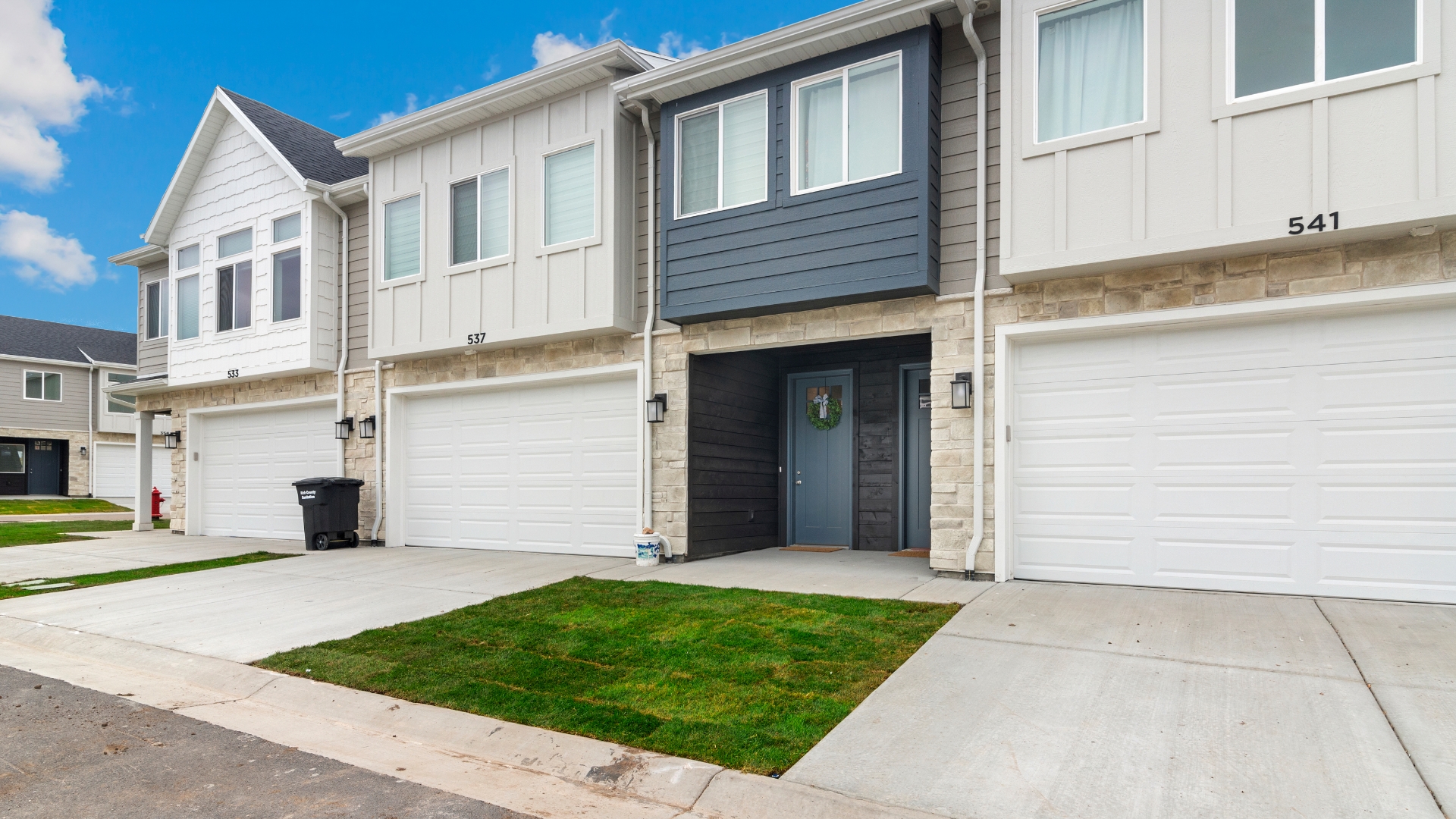
A Park City fractional home can give a family a shared place to return to without taking on the full purchase and upkeep of a second home alone. But a share is still a real ownership decision: the deed, use calendar, costs, management, and resale rules all matter. Here is what to review before deciding whether this approach fits your family.
Talk with Fraxioned about your Park City plans
What does a Park City fractional home mean for a family? Fractional ownership means several buyers own shares in a property rather than one household owning the entire home. In Fraxioned's model, a buyer purchases a deeded share of a furnished vacation property. Owners have rights to use the home under the property's scheduling rules, and the ownership arrangement sets out how expenses and decisions are handled.
This is different from simply booking the same home for a vacation. A deeded interest gives the owner an equity stake in real property, with potential appreciation and the possibility of loss; neither is assured. Your actual rights and obligations depend on the deed, governing agreement, and property-specific documents. Read those documents rather than relying only on a sales summary. For a general introduction to shared ownership, see this overview of fractional homeownership .
A fractional share may suit a family that wants a recurring gathering place but expects to use a home for only part of the year. It is not automatically less complicated than sole ownership: it replaces some individual responsibilities with shared rules that every owner must understand and follow.
Start by separating the emotional goal from the ownership mechanics. A family may picture annual reunions, time with grandchildren, or a familiar place for shorter trips. Then test that picture against the share's actual use allocation, booking process, and costs. If the home is intended for several households, agree early on who will coordinate plans and how each household will communicate changes. A shared home works best when expectations are discussed before a purchase, not after someone has booked a preferred holiday week.
Why consider shared ownership instead of buying a whole second home? The central trade-off is straightforward: you buy a portion of a home's ownership and use rights, not unlimited personal access. In return, you do not shoulder the entire purchase price and the ongoing work of a sole owner. Fractional ownership can make a furnished, professionally managed vacation property more accessible while leaving families responsible for understanding their share of costs.
For multi-generational families, the value may be the ability to gather in a familiar place without one household carrying every expense or becoming the default property manager. Fraxioned positions its homes around family use and turnkey management. Ask what “managed” includes for the specific home, who makes decisions, and which owner responsibilities remain.
Consider your expected use honestly. If your family needs the home for long or highly specific date ranges, shared scheduling may be frustrating. If you want more flexibility and less day-to-day property work, a managed share may be worth comparing with a full purchase or continued vacation rentals. Fraxioned's co-ownership overview and ownership FAQs can help frame the questions to ask.
A simple way to assess fit is to compare your likely annual use with the commitment you would make. Write down the trips your household actually takes, the length of each stay, and which dates matter most. Then compare the total share-related expenses with what you would be willing to spend on rentals for those same trips. This is not just a price comparison: ownership also involves equity, rules, and ongoing obligations, while a rental usually offers a booking for a specific stay. Include travel companions' preferences too. A property that suits one household's routine may not work equally well for another.
How should you compare the ownership options? Compare the ownership structure, access, and responsibilities—not just the initial share price. The table is a starting point; exact terms vary by property and contract, so use the documents for the home you are considering.
Option What you own or receive Access and responsibilities Questions to resolve Whole second home One household owns the entire property. Most control over dates; the owner bears the full cost and coordinates upkeep. Can you justify the total purchase and ongoing work for your expected use? Deeded fractional share A share of real property, governed by deed and co-ownership documents. Use is allocated under shared scheduling rules; costs and management follow the agreement. What are the use rights, annual expenses, decision rules, and transfer terms? Timeshare or vacation rental Typically a contractual right to stay or a booking, not the same deeded real-estate share. Access depends on the product or booking; rights, costs, and flexibility vary. Is there real property equity? What limits, fees, and cancellation or exit rules apply?
Do not assume that every fractional offering works the same way, or that a timeshare has identical legal or financial terms to another. Ask for the actual deed and agreements, and have an independent real-estate attorney review them if the structure is unfamiliar. Fraxioned's timeshare explainer and TIC agreement guide provide additional background, but neither replaces advice about a particular transaction.
When comparing options, ask the same questions for each one. What rights come with the purchase? Which dates can you use, and under what process? Who pays for repairs or unexpected costs? What happens if your plans change? A rental may offer a simpler commitment for a family that visits occasionally, while a whole-home purchase may offer more control to a household that expects frequent use and is prepared to manage the property. A fractional share sits between those choices, but its value depends on the exact documents and whether shared access suits your routines.
How do scheduling rules shape your time in Park City? Scheduling can determine whether ownership feels fair and useful. Before committing, ask how the calendar is divided, how far ahead owners can reserve, whether high-demand dates rotate, and what happens when two households want the same week. Clarify rules for holidays, cancellations, unused nights, guest stays, and booking changes.
Then compare the rules with your real calendar. A family that usually travels during school breaks should not assume those dates will always be available. Ask to see a sample schedule or booking process, and test it against the dates your household most wants. Find out whether the system assigns nights, uses a rotation, or has another method; do not infer the answer from a general description of fairness.
Park City may be attractive to families with different seasonal plans, but a share does not guarantee a particular date or amount of use unless the governing documents say so. Request the specific property's annual allocation and booking rules in writing. Fraxioned describes a digital owner portal and scheduling process in its materials; confirm the current process and the rules for the particular property.
Make a sample calendar before you decide. For example, list a winter break trip, a spring weekend, and a summer gathering that your family would genuinely try to take. Put those dates beside the allocation and reservation timeline provided for the property. If the booking system uses a rotation, ask how it works over multiple years and whether the sequence changes. If it is first-come, first-served or uses another method, ask when each owner may begin reserving and what happens if a household cannot confirm plans early.
Also discuss the less obvious scheduling questions. Can owners exchange dates? Is there a deadline to release a reservation so another owner can use it? Can relatives or friends stay when the owner is absent, and are there additional procedures or fees? Do not build a family tradition around a particular holiday until you understand whether the documents grant that date or only provide an opportunity to request it. A clear calendar process can reduce conflict, but it cannot make every preferred date available to every owner.
Which costs and management details should you verify? Look beyond the purchase amount. Ask for an itemized estimate of recurring dues, cleaning or stay charges, property taxes, insurance, utilities, HOA costs, reserves, and any other assessments that may apply. Confirm how amounts are set, when they can change, how unexpected repairs are approved, and whether owners can inspect financial statements.
Also pin down the management scope. Find out who coordinates housekeeping, maintenance, repairs, guest access, and vendor work; how quickly issues are reported; and how owners can raise a concern. “Professionally managed” does not tell you which services are included in dues or which events could trigger extra charges. Ask for the budget, management agreement, and recent reporting available for the home.
Fraxioned offers information about financing options and its owner management portal . Review financing terms with the lender and all property expenses with the seller or manager. Do not treat a sample budget, possible rental proceeds, or an estimate of future value as a promise of your actual costs or returns.
To make the numbers easier to evaluate, sort them into three groups. First, list the one-time purchase and transaction expenses. Second, list recurring costs that may be due whether or not your family uses the home. Third, list variable or conditional expenses, such as cleaning charges, repairs, or assessments, and ask how those amounts are determined. If a lender is involved, keep loan payments separate from property operating costs so that the household can see both the monthly cash commitment and the full annual cost of ownership.
Request an example of how a routine year and an unusual year might be handled. A routine year may involve expected upkeep and regular services; an unusual year could include a major repair or a change in insurance or operating costs. The manager or seller may not be able to predict every future expense, so the purpose is to understand the approval and funding process, not to assume costs stay fixed. Ask whether owners receive notice before an assessment, who votes on non-routine work, and what records are shared afterward. Those details matter to a family budgeting across several households.
What is the difference between Collective and Exclusive? Fraxioned describes two models, and the key difference is whether the property can be rented when owners are not using it. In the Collective model, owners may rent unused nights through professional management. In the Exclusive model, access is for owners only and rentals are not permitted. The property’s documents determine the specific rules.
Consider what matters more to your household: owner-only use and privacy, or the option to make unused nights available for rental under the applicable program. Do not assume rental income will cover dues or produce a profit. Ask how nights are classified, who controls pricing and booking, which fees apply, how proceeds are allocated, and what restrictions may affect your own use.
Tax treatment is fact-specific. If rental activity or an exchange is part of your decision, get advice from a qualified tax professional about your circumstances and the specific ownership structure. A general description of a program cannot establish your eligibility or tax result.
Before choosing a model, ask for a plain-language example of how a stay would work. If your household reserves dates and later releases some nights, find out whether and when those nights can be offered for rental, who handles the booking, and how the proceeds and any related fees are reported. If the home is owner-only, clarify whether every guest stay must be tied to an owner reservation and what policies apply to invited family members. These practical rules may affect the way relatives use the home more than a general description of the model does.
Families should make this choice based on intended use rather than an assumed financial outcome. One household may value privacy and a predictable owner-only environment. Another may prefer having a process for making unused nights available. Either way, verify whether the rental option changes booking priorities, access, insurance, taxes, or other obligations. Ask for those terms in writing and review them with the relevant professional before relying on them.
What should you check about resale and shared decisions? Every co-owner should know how the arrangement handles changes in plans. Review whether an owner can sell or transfer a share, whether other owners have a right of first refusal, how a buyer is approved, and what transfer expenses or conditions apply. Ask whether the documents provide a process for disputes, major repairs, or decisions that affect the whole property.
Ask for a clear explanation of how a share is valued for a possible sale and who is responsible for finding a buyer. Do not assume that a resale will happen quickly or at a particular price. Appreciation is possible with real estate, but values can also fall, and liquidity depends on the market and the contract. Fraxioned provides information about its buyback program ; carefully verify the current written terms, eligibility, timing, and conditions rather than treating a headline as a guaranteed exit.
Shared ownership also calls for practical communication. Identify who can authorize routine work, how owners are notified of expenses, and how disagreements are handled. A well-written agreement is more useful when each household understands it before a conflict arises.
Read transfer terms as a process, not just a promise that a share can be sold. Note what notice must be given, what documents are required, how long any approval may take, and whether other owners receive an opportunity to buy first. Ask whether the seller remains responsible for dues or other obligations during a transfer period. If the documents set out a dispute-resolution process, identify its steps and any deadlines. These are not details to settle during a disagreement; they are questions to answer while every owner can review the same rules calmly.
It can also help to discuss a future sale within your own family. If one household member wants to exit while others want to keep the share, what process applies? Would the remaining family members consider buying that interest, and how would they decide what is affordable? The agreement may prescribe certain procedures, but your family can still talk through preferences and expectations in advance. That conversation is especially useful when several generations are involved and their plans may change at different times.
How can your family assess a specific Park City property? Use a property-first review. Fraxioned's portfolio information identifies Park City among its Utah markets, but inventory, share availability, and terms can change. Review the current Park City information and available listings , then confirm every detail directly for the home that interests you.
Match the home to your group. Consider sleeping arrangements, shared space, accessibility needs, storage, and the ages and routines of family members who will use it.Map your likely dates. List the school breaks, holidays, and weekends your household values. Check whether the booking method gives you a realistic chance to use those periods.Build a complete cost picture. Separate the purchase and financing costs from recurring charges and possible variable expenses. Ask what is included and what could be assessed later.Read the ownership paperwork. Compare the deed, co-ownership agreement, management terms, use calendar, and any rental or transfer rules. Resolve inconsistencies in writing.Get independent advice. Ask a real-estate attorney and, where relevant, a tax professional or lender to explain the documents and financial implications for your situation.Decide as a household. Make sure the family members who will pay for or use the home agree on scheduling expectations, guest policies, privacy, and how a future sale would be handled.For a wider look at properties in the state, browse Fraxioned's Utah co-ownership homes . A Park City share should be compared with alternatives based on the home's features, written terms, and your family's travel habits—not on a general promise that shared ownership will suit every buyer.
When you inspect a listing, prepare a short property-specific question sheet. Write down the share size and rights presented, the expected allocation of nights, the cost information supplied, the management services described, and any special terms. Mark each item as confirmed in the written documents, still unclear, or needing professional review. This simple distinction can prevent an attractive presentation from blending assumptions with contractual terms.
Walk through the home with the different people who are likely to use it, if possible. Ask each person what would make a stay comfortable: sleeping arrangements, privacy, common areas, access needs, storage for personal items, or rules for bringing guests. Then check which of those needs the property can meet and which are preferences rather than requirements. For a multi-generational group, comfort and usability may matter as much as the destination itself.
Before making a decision, give each household a chance to explain its priorities. One may care most about holiday access, another about predictable costs, and another about minimizing property chores. Rank those priorities and identify where compromise is possible. If an essential need conflicts with the property's written rules, treat that as a fit issue to resolve rather than assuming it will work itself out later.
Ask Fraxioned about current Park City ownership details
Frequently Asked Questions Is a fractional home the same as a timeshare? Not necessarily. Fraxioned describes its offering as deeded real-estate ownership, while a timeshare commonly provides a contractual right to use accommodations. Products differ, so inspect the deed and governing documents to confirm exactly what you own and what rights come with it.
Does buying a share guarantee specific Park City dates? Not unless the applicable documents and booking rules provide that guarantee. Ask how dates are allocated, how holiday rotations work, and whether the property’s calendar can meet your family's preferred travel schedule.
Can owners rent out unused nights? Fraxioned's Collective model allows owners to rent unused nights through professional management; its Exclusive model is owner-only and does not allow rentals. Confirm which model applies to the specific home and review its rental terms, fees, and restrictions.
Will a share appreciate or provide rental income? Neither outcome is guaranteed. Real estate values can rise or fall, and rental results depend on the property, demand, costs, and program terms. Review the financial information and consult appropriate professionals before relying on either possibility.
What documents should a buyer review before committing? Request the deed, co-ownership agreement, schedule and use rules, management agreement, budget and expense information, and applicable rental, financing, and resale terms. Have independent legal and financial professionals answer questions about your situation.
Ready to explore a Park City fractional home? A shared mountain home can be a meaningful family gathering place when its ownership terms, calendar, costs, and management match the way your family plans to use it. Take time to verify the specific property's documents and availability before making a decision.
Discuss your family's co-ownership questions
With clear expectations and careful review, your family can decide whether shared ownership is the right path to a place of your own in Park City.