Thinking about the exit strategy might not be the most exciting part of planning for a vacation home, but it’s one of the most critical. The internet is filled with stories from people struggling to give away their timeshares, often stuck paying annual fees for a property they no longer use. This lack of a viable exit is a significant financial risk. Real estate, on the other hand, can be sold on the open market. This liquidity and potential for appreciation is a key reason why a property investment better than timeshare offers greater peace of mind. Your vacation home should be a source of joy, not a financial trap. Let’s look at the long-term implications of your choice and explore smarter alternatives that protect your investment and your future.
Key Takeaways Know the difference between access and ownership Consider the financial future Choose flexibility over a fixed schedule Timeshare vs. Real Estate: What Do You Actually Own? When you’re dreaming of a dedicated vacation spot, the ownership structure might seem like a minor detail, but it’s the most important factor of all. The difference between buying a timeshare and owning real estate is huge, and it impacts everything from your finances to your flexibility. Understanding what you actually get with each option is the first step to making a choice that truly fits your family’s goals for years to come. It’s not just about having a place to stay; it’s about what you control, what you can pass down, and what your long-term financial picture looks like.
Think of it this way: one path gives you a ticket to a ride, while the other gives you a piece of the amusement park. With a timeshare, you are essentially pre-paying for vacation time. You get access, but you don't own the underlying asset. This can be a fun way to secure future trips, but it functions more like a subscription service than a piece of property. On the other hand, owning real estate, even a fraction of it, means you own something tangible. It’s an asset that becomes part of your financial portfolio. This distinction is the foundation of the entire debate and is crucial for anyone looking to create a family legacy and make a sound financial decision, not just book a holiday. Let's break down what ownership really means in both scenarios.
What a timeshare gives you A timeshare gives you the right to use a property, not true ownership of it. Think of it as pre-paying for vacation time at a specific resort or network of properties. You get to use a unit for a set period, like one week a year. While some timeshares involve a "deeded" interest, the developer or resort company typically holds the primary deed to the property. This is a critical distinction because it means you don't own a tangible asset. Because you’re buying a vacation product rather than real property, timeshares almost always depreciate in value, much like a car driven off the lot. They are notoriously difficult to sell, often for pennies on the dollar.
What owning real estate means Owning real estate means you hold the title to the property itself. It is a real, tangible asset. This is true whether you own 100% of the home or you are part of a co-ownership arrangement where you own a specific fraction. As a legal owner, you have a deeded share that is recorded and protected. Unlike a timeshare, your property has the potential to appreciate in value over time, allowing you to build equity. You also have the freedom to sell your share on the open market, just like any other piece of real estate. This model gives you the joys of a vacation home, a place for your family to create lasting memories, while also providing the financial benefits and security of owning a real asset.
What Does a Timeshare Really Cost? When you’re sitting through a timeshare presentation, the number they write on the whiteboard can seem tempting. But that initial price is just the tip of the iceberg. The true cost of a timeshare unfolds over years, through a series of fees and financial realities that aren't always clear from the start. Unlike owning a tangible piece of property, a timeshare is a commitment to paying for vacation time, and the costs can quickly add up to more than you bargained for. It's a prepaid vacation plan that you keep paying for, year after year.
Before you sign on the dotted line, it’s important to look past the glossy brochures and understand the complete financial picture. From the hefty upfront payment to annual fees that never seem to stop, the financial burden is significant. Plus, when it’s time to move on, you might find that your timeshare is much harder to sell than you were led to believe. It’s a very different experience from the stability and potential that comes with real estate co-ownership , where you own a real asset that you can enjoy, share with family, and sell when the time is right. Let’s break down what those timeshare costs actually look like.
The initial price tag The first number you'll see is the purchase price, and it’s not a small one. The average cost of a timeshare is nearly $24,000. Think about that for a moment. It’s a substantial amount of money to pay for what is essentially the right to use a property for a week or two each year. You’re not buying the property itself, just access to it. This upfront cost doesn't build equity or become a valuable asset for your family. It’s simply the entry fee for a vacation club that comes with a very long and expensive list of rules and obligations.
The fees that never end After you’ve paid the initial price, the costs keep coming. Every single year, you’ll be responsible for paying yearly management and maintenance fees , which cover the property's upkeep, utilities, and administrative costs. On average, these fees are over $1,100 a year, and they have a tendency to increase over time. Whether you use your allotted week or not, that bill will arrive like clockwork. This is one of the biggest frustrations for timeshare owners, as they find themselves locked into paying for a vacation spot they may no longer want or be able to use, with no easy way out.
One of the most common misconceptions about timeshares is that they are a form of property investment. The reality is that timeshares are a lifestyle product, not an asset that grows in value. In fact, most lose value faster than vacation homes . Because you only own the "right to use" the property, there isn't a tangible asset to sell. The resale market is flooded with listings from owners who are desperate to get out of their contracts and stop the annual fees. Many find it nearly impossible to sell their timeshare, often having to give it away or even pay a company to take it off their hands.
Why Owning Property Is a Smarter Financial Move When you think about securing a regular vacation spot for your family, it’s easy to focus only on the memories you’ll make. But the financial side of that decision is just as important. This is where the difference between buying a timeshare and owning real estate becomes crystal clear. A timeshare is essentially a prepaid vacation plan, where your money buys you time, not an asset. Once that money is spent, you rarely see it again.
Owning property, even a fraction of it, is a completely different story. You’re purchasing an actual asset. It’s a tangible piece of real estate that becomes part of your financial picture. Instead of just paying for access, you’re making a move that can benefit you for years to come. With a co-ownership model , you get all the perks of a beautiful vacation home without the massive price tag, while still making a sound financial choice. It’s about enjoying your life now and making a smart decision for your future at the same time.
How property can appreciate in value One of the most significant financial advantages of owning real estate is its potential to appreciate over time. While there are no guarantees, the housing market has historically trended upward. This means the share of the home you own could be worth more in the future than what you paid for it. Unlike a timeshare, which is notoriously difficult to sell and often loses value immediately, a deeded property is a real asset. When you decide it’s time to sell your share, you have the opportunity to benefit from any market appreciation, making it a much more financially savvy way to enjoy a vacation home.
Building equity for your future When you buy a share of a property, you receive a legal deed that proves your ownership. This isn't just a piece of paper; it represents your equity in the home. Every payment you make contributes to building that equity. Think of it as a savings account that you also get to vacation in. This equity is a valuable asset you can leverage or sell down the road. A timeshare, on the other hand, doesn't build any equity. You're simply paying for the right to use a property, without ever building a tangible stake in it. True ownership means your money is working for you, creating value for your future.
Tax advantages of real estate ownership Owning real estate often comes with financial perks that you simply don't get with a timeshare. While you should always consult with a tax professional for personal advice, property owners can often deduct expenses like property taxes. These benefits are part of what makes owning a home a cornerstone of many families' financial strategies. Timeshares are typically treated as a vacation product, not a real estate asset, so they don't offer the same advantages. Exploring your financing options for co-ownership can help you understand the complete financial picture and how these benefits can make owning a vacation home more attainable.
Common Timeshare Traps to Avoid Timeshares can sound appealing, but it's important to understand the common issues many owners face. Knowing what to look for can help you avoid a decision that leads to financial stress and regret. From the sales pitch to the day you might want to sell, there are several potential pitfalls. Let's walk through the biggest traps so you can make a choice that truly fits your family's vacation goals.
The high-pressure sales pitch We’ve all heard stories about the timeshare sales pitch: a free weekend getaway in exchange for a few hours of your time. These presentations are designed to be persuasive, often taking place in a high-energy environment where salespeople make grand promises. They might paint a perfect picture of future vacations, but these scenarios can be misleading. The real goal is to get you to sign a contract on the spot, often with "today only" deals that create a sense of urgency. It's wise to be cautious of any offer that doesn't allow you time to think, do your own research, and review the contract carefully without pressure.
Getting stuck with endless fees One of the most significant drawbacks of a timeshare is the cost structure. Beyond the initial purchase price, which can be tens of thousands of dollars, you are responsible for annual maintenance fees. These fees cover the property's upkeep, but they often increase every year and can easily exceed a thousand dollars annually. You have to pay them whether you use your allotted week or not. This financial obligation is ongoing and can become a heavy burden. In contrast, a co-ownership model offers a more transparent approach where costs are shared, but you own a real asset, not just the right to use a property.
The difficulty of getting out What happens when your lifestyle changes and the timeshare no longer fits your needs? Unfortunately, getting out of a timeshare contract can be incredibly difficult. Unlike traditional real estate, timeshares don't typically appreciate in value; in fact, they often lose it significantly. Many owners find it nearly impossible to sell their timeshare, and when they do, it's often for a small fraction of the original price. This lack of a viable exit strategy can leave you tied to a property and its rising fees for years. Before signing anything, it's crucial to understand your options for selling your share and what that process looks like down the road.
How Much Control Do You Really Have? When you picture your dream vacation spot, you probably imagine relaxing on your own terms. The ability to be spontaneous, to invite friends over, or to simply enjoy the peace and quiet is a huge part of the appeal. This is why the question of control is so important when comparing timeshares to property ownership. Your vacation time is precious, and you shouldn't have to fit your plans into a rigid, predetermined box.
The core difference comes down to what you are actually buying. Are you purchasing a true asset that you have a say in, or are you just pre-paying for access to a vacation, complete with a long list of rules? Thinking about how much autonomy you want is a great first step in deciding the right path for you and your family. It’s about finding a model that fits your lifestyle, not forcing your lifestyle to fit a model.
The freedom that comes with real ownership Owning a piece of real estate, even a fraction of it, gives you a level of freedom a timeshare just can't match. It’s your property. You can decide to head out for a last-minute long weekend, offer it to a family member for a special occasion, or simply know that you have a personal retreat waiting for you. This sense of freedom comes from true co-ownership , where you hold a real deeded interest in the home. Because you are an owner, you’re not just a guest. You have a voice in how the property is maintained and managed. This pride of ownership transforms a simple vacation spot into a true second home, a place where you can build lasting memories without asking for permission.
Understanding timeshare rules and restrictions Timeshares often operate on a completely different principle. Instead of ownership, you’re typically buying the right to use a property for a specific, fixed amount of time each year, like the same week in July. This structure can be incredibly limiting. What if a family event pops up during your assigned week? Or what if you’d rather visit your mountain getaway in the fall instead of the summer? With most timeshares, you’re simply out of luck. These arrangements are often described as a vacation experience rather than a tangible asset, and for good reason. The strict rules and lack of flexibility mean you’re paying for a service with a lot of fine print. You can't just pack up and go. You have to plan your life around the timeshare's schedule, which can take the spontaneity and joy out of getting away.
Why flexibility is key for your vacation style Life isn’t always predictable, and your vacation plans shouldn't have to be either. The modern approach to vacationing is all about flexibility. You want the ability to plan trips that work for your family’s changing schedule, whether that’s a planned summer holiday or a spontaneous winter escape. This is where the rigid nature of a timeshare falls short. With real ownership, you have more control over your calendar. An easy-to-use scheduling system, like the myFRAX Portal , allows you to book your stays based on what works for you, not a predetermined calendar from a decade ago. This flexibility ensures you can actually use and enjoy your home. It puts you in the driver's seat, allowing you to create a vacation experience that truly reflects your personal style and needs.
Is Owning a Vacation Home More Accessible Than You Think? If you’ve ever scrolled through pictures of beautiful mountain cabins or lakeside retreats, you’ve probably felt that familiar pang of desire followed by a reality check about the price tag. For a long time, owning a second home felt like a dream reserved for the ultra-wealthy. The idea of covering a second mortgage, plus all the maintenance, taxes, and furnishing costs, is enough to make anyone close the browser tab. But what if there was a way to make that dream a reality without taking on the full financial weight?
A different approach to ownership is making it possible for more families to have a place to call their own, a spot to return to year after year to create memories. This isn't about settling for less, it's about owning smarter. By sharing the ownership of a single, beautiful home, you can enjoy all the benefits of a vacation property for a fraction of the cost. This model changes the equation, turning a seemingly out-of-reach goal into a tangible and achievable plan for your family.
A smarter way to own: fractional ownership Let’s clear one thing up right away: fractional ownership is not a timeshare. With a timeshare, you’re buying the right to use a property for a set amount of time. With fractional ownership, you are buying real estate. You get a legal deed that proves you own a percentage of the property, making it a tangible investment that you can sell or pass down to your kids.
Because you own a real asset, your share has the potential to appreciate in value right along with the housing market. This is a world away from the timeshare model, where the value typically depreciates the moment you sign the contract. Fractional ownership gives you a true stake in a place you love.
Making vacation home ownership affordable The most obvious benefit of fractional ownership is the price. By sharing the purchase price with a small group of other co-owners, you can afford a much more luxurious and desirable home than you likely could on your own. Imagine owning a share of a stunning ski-in, ski-out chalet or a modern desert escape for the cost of a down payment on a much smaller, less appealing property.
This shared model also applies to all the ongoing expenses. Property taxes, insurance, maintenance, and even cleaning fees are split among the owners, dramatically reducing your annual carrying costs. Fraxioned also offers straightforward financing options to make the initial purchase even more manageable, breaking down the financial barriers that keep many people from owning a second home.
How Fraxioned makes it possible Our co-ownership model was designed to give you all the joys of owning a vacation home with none of the typical headaches. You purchase a share of a professionally designed, fully furnished luxury property, and we handle everything else. From managing the property and scheduling maintenance to paying the bills, our team takes care of all the logistics. You just show up and relax.
Scheduling your stays is simple with our owner-friendly app, ensuring you get ample time to enjoy your home throughout the year. Should your plans change, you have the flexibility to rent out some of your unused time to help offset your annual operating costs. It’s a practical, transparent, and enjoyable way to own a piece of paradise. You can browse our current listings to see the kinds of incredible homes that are within your reach.
Smarter Alternatives to a Timeshare If the high-pressure sales tactics and restrictive nature of timeshares don't align with your vision for family vacations, you're not alone. Many people are looking for better ways to secure their future getaways. The good news is that there are several excellent alternatives that offer more flexibility, financial sense, and control over how and where you spend your precious time off. These options move beyond simply buying "time" and focus on experiences and true ownership.
Exploring these alternatives can help you find a model that fits your family’s travel style and financial goals without locking you into a rigid, long-term contract. Whether you crave the pride of ownership, the freedom to explore new places every year, or a simple and affordable way to trade spaces, there’s a smarter path to your dream vacation. Let's look at a few of the most popular choices: fractional ownership, vacation rentals, and travel clubs.
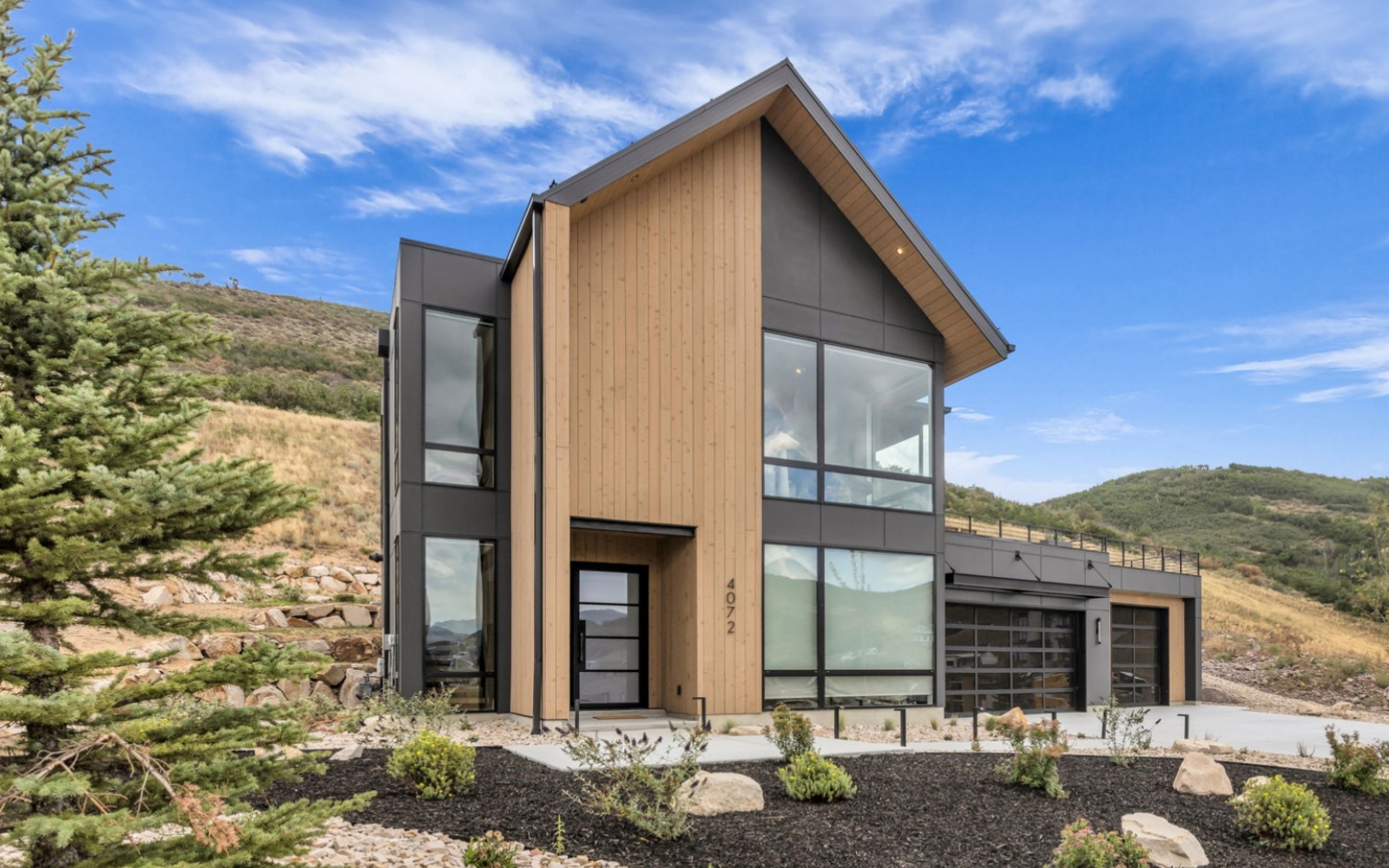
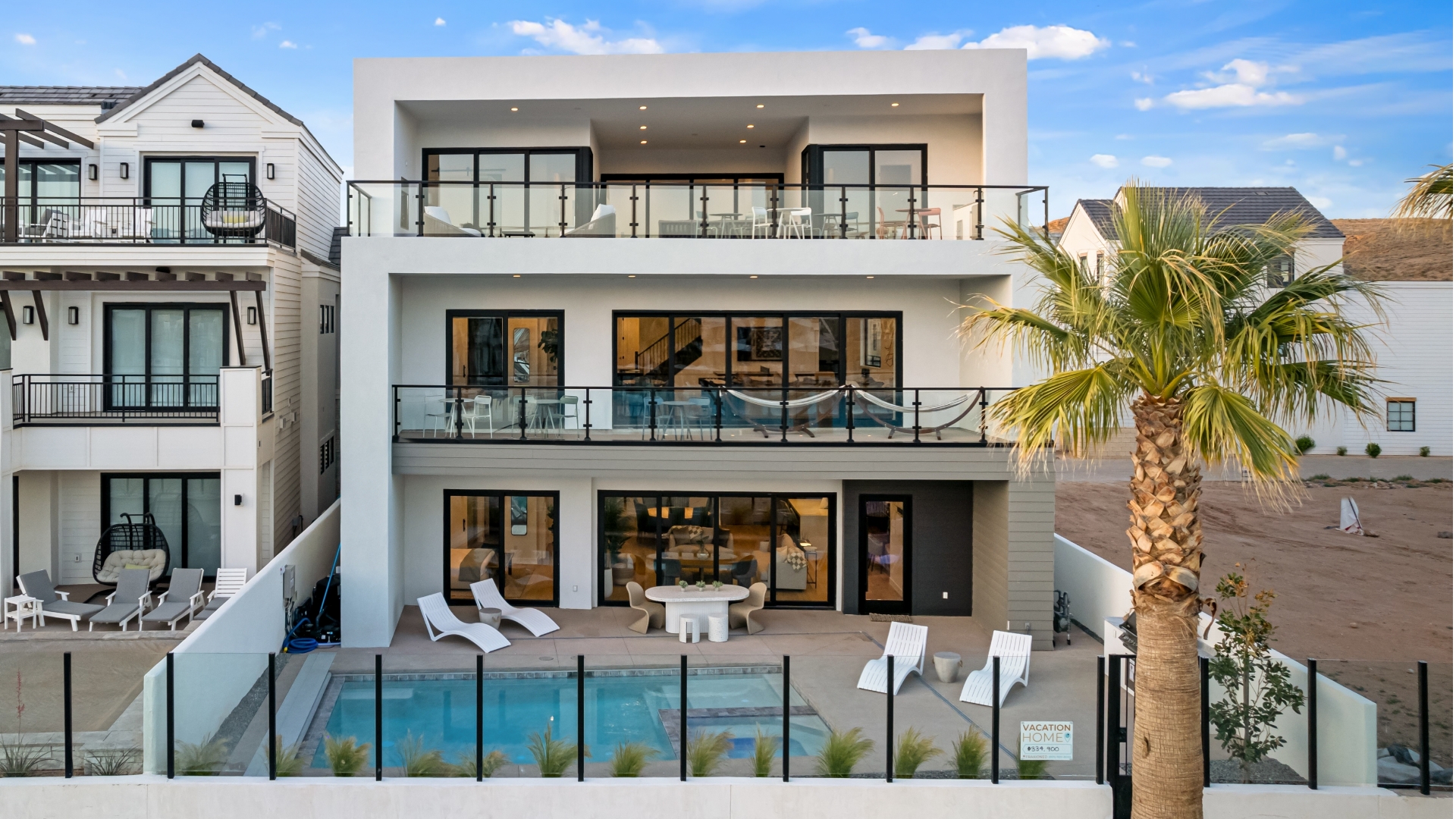
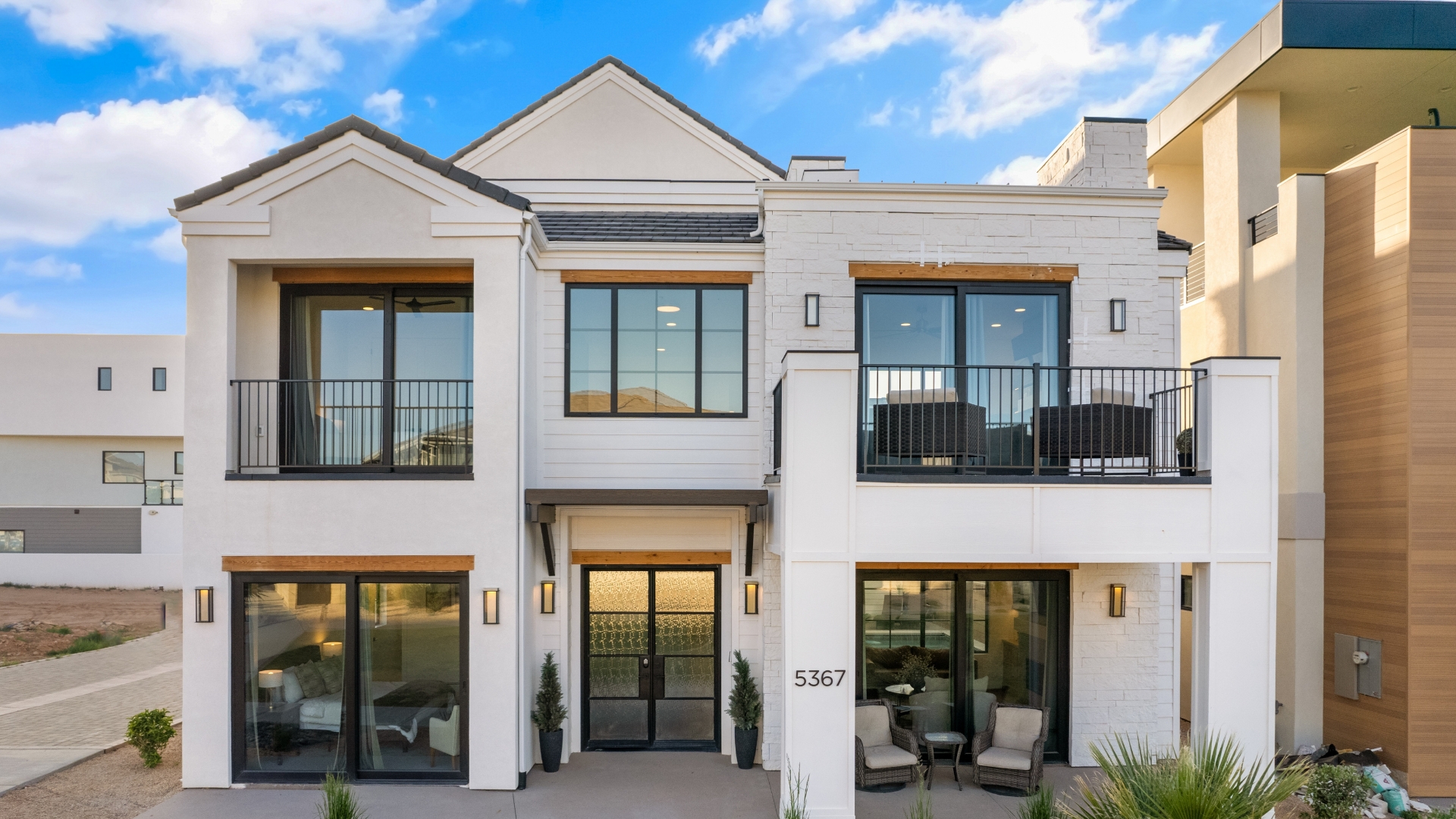
Fractional ownership of a luxury home Fractional ownership is a modern approach that lets you purchase a deeded share of a luxury property. Unlike a timeshare where you just buy time, here you become a legal owner of the real estate itself. Typically, a home is shared between a small group of owners, meaning you get to enjoy the home for several weeks throughout the year. It’s a way to experience the joys of a high-end vacation home without the full cost and responsibility of sole ownership. Plus, because you own a real asset, you can sell your share when your needs change. This model of co-ownership makes owning a beautiful second home an attainable reality.
Vacation rentals For those who value variety and spontaneity, vacation rentals are a fantastic choice. Platforms like Vrbo and Airbnb have made it incredibly easy to find a home-away-from-home in almost any destination you can imagine. You simply book the dates you want and pay as you go, with no long-term commitments, annual fees, or maintenance worries. This option gives you complete freedom to try a new city, a different beach, or a mountain retreat every year. While you won't build equity, the flexibility of vacation rentals is perfect for families whose travel preferences might change over time.
House swapping and travel clubs If you love the idea of traveling without the cost of accommodation, house swapping could be a great fit. These networks allow you to trade your primary home with another family for a set period. With a low annual membership fee, you can unlock vacation opportunities around the world. It’s a unique way to live like a local in a new place. Similarly, travel clubs offer access to a portfolio of properties, often using a points-based system. This gives you the flexibility to choose different destinations and resort styles each year without the responsibilities that come with owning property, like taxes or upkeep.
How to Choose the Right Option for You Deciding where your family will make vacation memories is a big deal. It’s about more than just finding a place to sleep; it’s about choosing a path that fits your lifestyle, budget, and long-term dreams. There isn’t a single right answer for everyone, but by thinking through what truly matters to you, you can find the perfect fit. The key is to look past the glossy brochures and ask some honest questions about what you want your future vacations to look and feel like.
Key questions to ask yourself Before you sign any dotted lines, take a moment for a gut check. What is your long-term vision for vacationing? Are you looking for a consistent spot to return to, or do you value the freedom to explore different places? Consider the level of control you want. With a timeshare, you’re buying the right to use a property, but with co-ownership , you own a real, tangible asset. This distinction often leads to a greater sense of pride and better care of the home. Finally, think about your budget beyond the initial price. Are you prepared for annual fees that can increase without your say? Understanding the full financial picture is essential.
Aligning your choice with your family's goals Think about the kind of legacy you want to create. Do you dream of a family cabin or beach house that becomes a cherished backdrop for years of memories? Owning a property, even fractionally, makes that possible. It’s a place your family can truly call its own. This also means you're holding a real estate asset, not just a contract that can be difficult to offload. Consider how your family actually vacations. Do you need the flexibility to book spontaneous long weekends or plan around school holidays? The rigid, fixed-week model of many timeshares doesn't always work for modern family life. Exploring different vacation home listings can help you picture what’s truly possible for your family.
Related Articles Frequently Asked Questions Is fractional ownership just a fancy name for a timeshare? Not at all, they are fundamentally different. With a timeshare, you are buying the right to use a property for a certain amount of time, much like a prepaid vacation plan. With fractional co-ownership, you are buying a deeded share of the actual real estate. It is a tangible asset that you legally own, can pass down to your family, and can sell on the open market.
What are the ongoing costs of co-ownership? Am I just trading one set of fees for another? All homeownership involves ongoing costs, but the key difference is transparency and control. With co-ownership, you and the other owners share the actual operating expenses of the home, such as property taxes, insurance, utilities, and professional management. These costs are directly tied to the property itself. This is very different from timeshare maintenance fees, which are set by a resort developer and can increase unpredictably year after year.
You mentioned timeshares are hard to sell. How do I sell my share of a co-owned property? Selling your share is a much more straightforward process because you own a real asset. You can sell your portion of the property on the open market, just as you would with a traditional home. We help make this process simple and clear, so you have a viable exit strategy if your life circumstances change. This gives you financial flexibility that most timeshare contracts simply do not offer.
How does scheduling work? Will I have to compete with other owners for the dates I want? Our scheduling system is designed to be fair and flexible for all owners. You can book your stays through an easy-to-use app, allowing you to plan vacations well in advance or reserve the home for a spontaneous getaway. The system ensures that every owner gets to enjoy the home for an equitable amount of time throughout the year, giving you far more control over your calendar than the rigid, fixed-week model of a typical timeshare.
If I want flexibility, why wouldn't I just stick with vacation rentals? Vacation rentals are a great option for exploring new places, but co-ownership offers a different kind of experience. It provides the pride and comfort of returning to a place that is truly yours, where you know the quality and layout, and can store personal items. Financially, your money is building equity in an asset that has the potential to appreciate, rather than just being spent on a one-time rental. It combines the consistency of ownership with the flexibility you need.